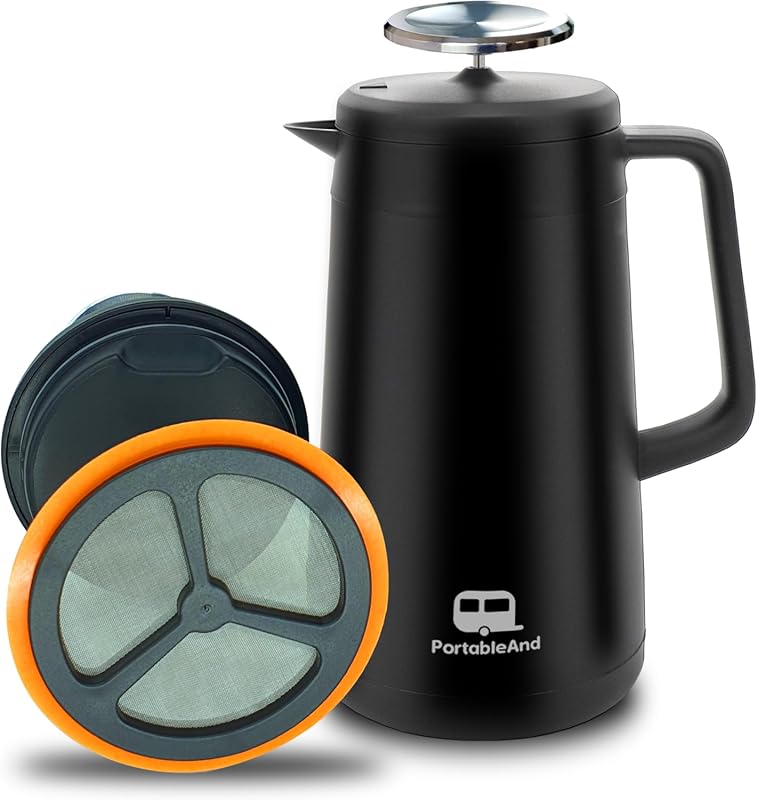
Are French Press Coffee Makers Healthy: Health Facts & Tips

Yes. French press coffee can be healthy when brewed right and enjoyed in moderation.
I have brewed thousands of cups and reviewed many studies and methods. In this guide I explain whether are french press coffee makers healthy, how they alter coffee chemistry, the real risks, and simple steps to make French press coffee both safe and delicious. Read on for clear, practical advice you can use today.

Health overview: are french press coffee makers healthy?
French press coffee makers deliver a full-flavored cup. They also leave more coffee oils and fine particles in the cup than paper-filter methods. These oils contain compounds that can raise cholesterol in sensitive people, but they also carry beneficial antioxidants. Whether are french press coffee makers healthy depends on your health goals, brewing habits, and how much coffee you drink.
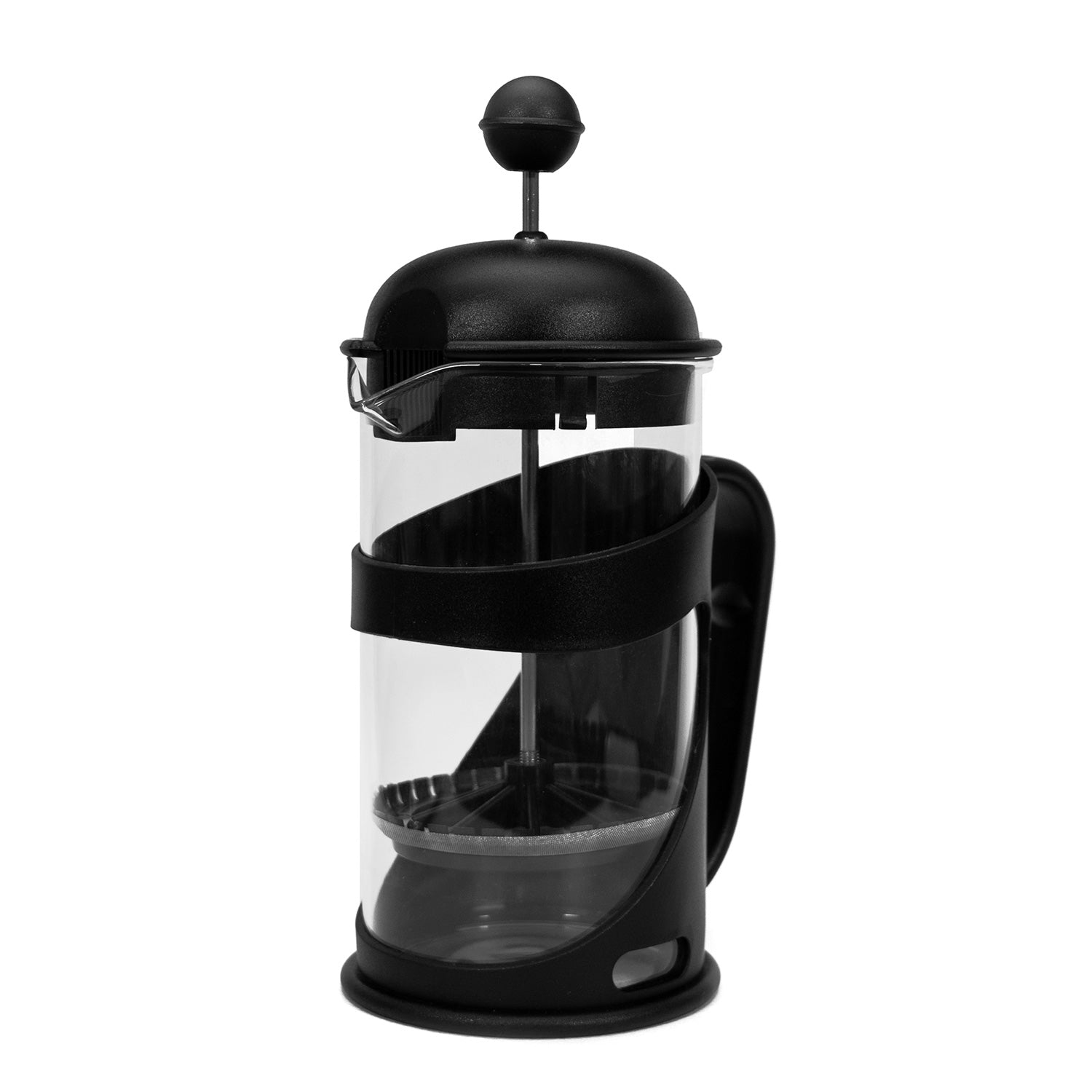
What changes in coffee when you use a French press
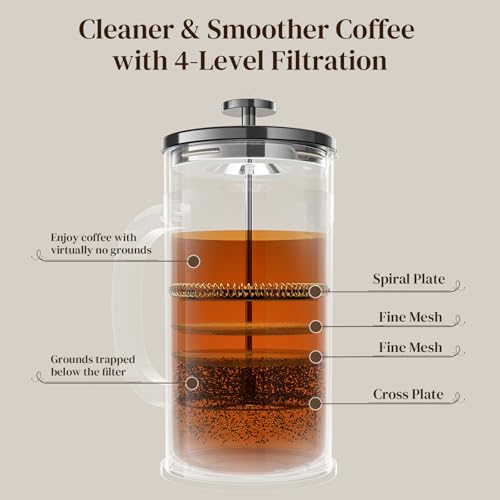
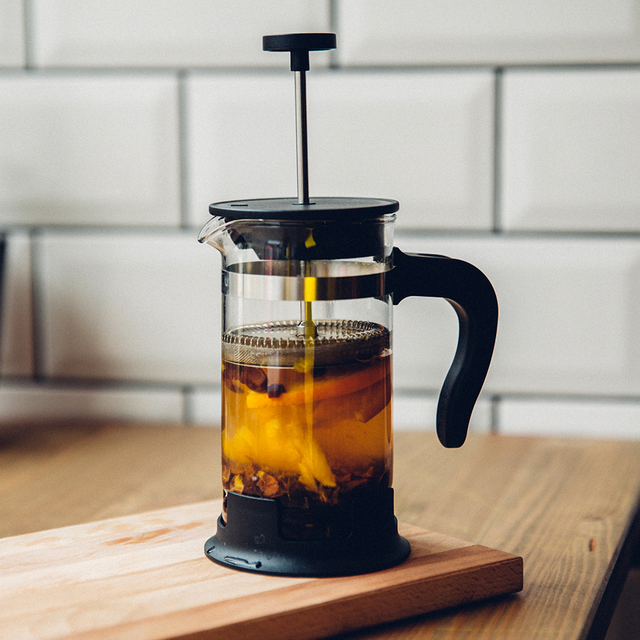
French press brewing uses immersion and a metal mesh filter. This lets natural oils and tiny particles pass into the cup. Key changes include:
- Higher oil content in the brew, including compounds called diterpenes.
- More suspended fine coffee particles, which alter mouthfeel and flavor.
- Similar or slightly higher levels of some antioxidants compared with filter coffee.
These differences shape both taste and health effects. Small changes in grind size, time, and temperature change the final brew.

Diterpenes, cholesterol, and real risk
The two main diterpenes in coffee oils are cafestol and kahweol. They can raise LDL cholesterol in some people. Important points:
- Regular use of unfiltered coffee in large amounts can raise LDL in sensitive individuals.
- The effect is dose dependent. A few cups a day likely have a small effect for most people.
- People with existing high cholesterol or heart disease should be cautious.
Research shows a measurable effect after long-term, high intake of unfiltered brews. If you worry about cholesterol, monitor levels and talk to a clinician.
Caffeine, antioxidants, and other benefits
French press coffee still gives you caffeine and antioxidants. These compounds offer real benefits.
- Antioxidants support cell health and may reduce inflammation.
- Caffeine boosts focus, mood, and athletic performance in modest doses.
- Some studies find similar antioxidant levels across brew methods when dose is matched.
So, are french press coffee makers healthy in this regard? Yes, they deliver the same core benefits as other brewing methods, with a richer mouthfeel.

Risks, who should be careful, and how to limit harm
Not everyone should treat French press coffee the same. Key risks and fixes:
- Risk: higher LDL from cafestol and kahweol. Fix: use paper filter or limit intake to 1–2 cups daily.
- Risk: acidic or bitter brew if over-extracted. Fix: use correct grind and timing.
- Risk: stale or rancid oils in old grounds. Fix: store beans well and clean the press often.
Simple steps cut most risks while keeping flavor. In short, you can control the downsides with small habits.

Practical brewing tips to make French press coffee healthier
Follow these steps to keep flavor and cut risk:
- Use a medium-coarse grind. This reduces fine particles and sediment.
- Stick to 4 minutes of steep time for most beans. Adjust 30 seconds to taste.
- Use water just off boil, about 200°F (93°C).
- Consider double filtering: pour through a paper filter if cholesterol is a concern.
- Clean the press after each use to avoid old oils and mold.
These small moves improve health and taste together.
Personal experience and lessons learned
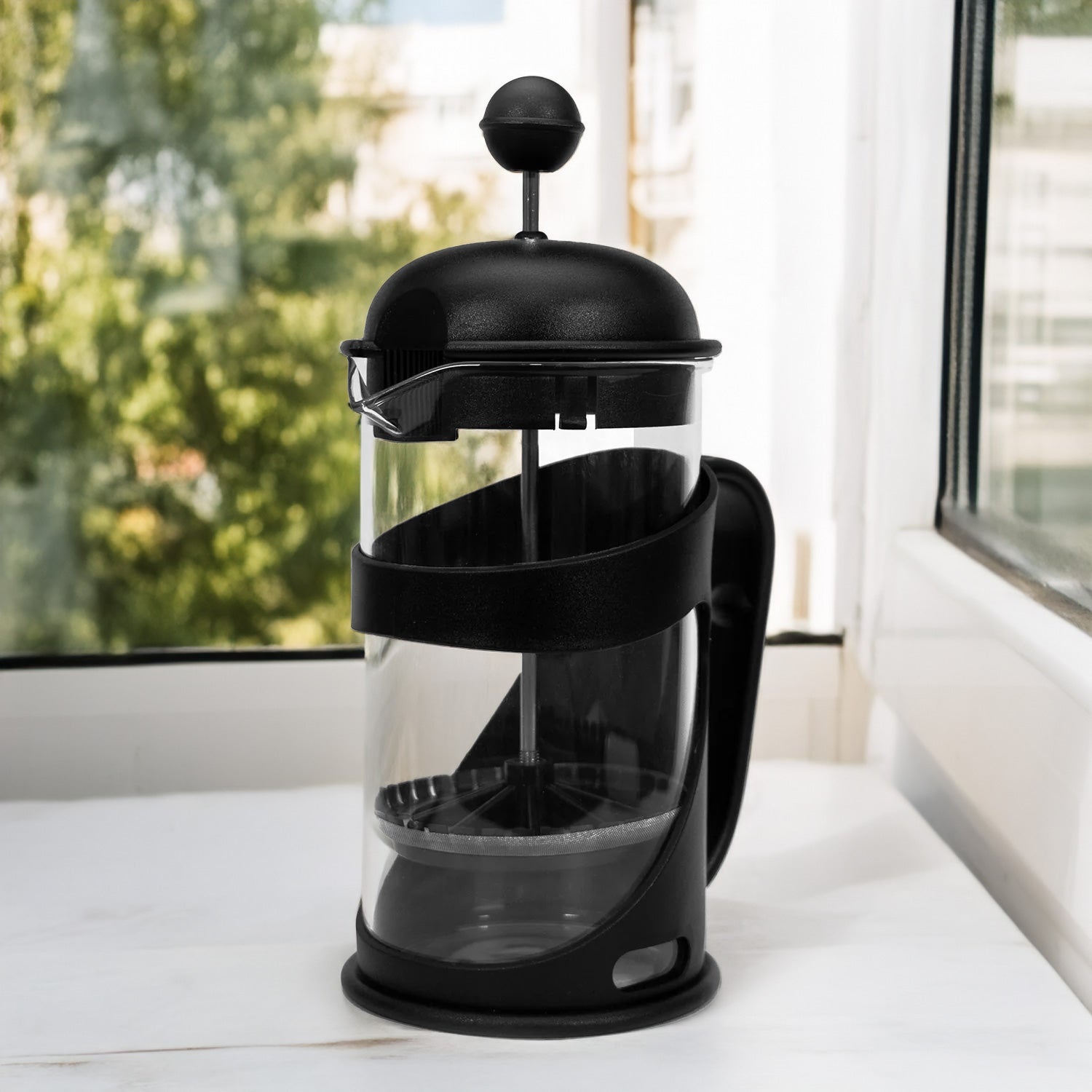
I switched to a French press for richer flavor years ago. I learned fast that grind and cleaning matter most. My hands-on tips:
- Grind fresh every morning for best taste and fewer stale oils.
- Use a scale to keep dose consistent. This keeps caffeine and diterpene intake steady.
- If a friend had high cholesterol, I recommended paper filtering that cup.
These tweaks kept the cup great and the health risk low. They work in a home or office kitchen.

PAA-style questions (short answers)
What is the main health concern with French press coffee?
The main concern is cafestol and kahweol, which can raise LDL cholesterol in some people. Limiting intake or using a paper filter reduces this risk.
Does French press have more antioxidants than drip coffee?
Not necessarily. When dose and extraction are equal, antioxidant levels are similar across methods. French press may feel richer but is not always higher in antioxidants.
Can I reduce diterpenes without losing flavor?
Yes. Use a paper filter or combine a short steep time with a coarser grind to keep flavor while cutting diterpenes.
Frequently Asked Questions of are french press coffee makers healthy
Are French press coffee makers healthy for daily use?
For most healthy adults, moderate daily use is fine. Limit intake to a few cups and monitor personal health markers if concerned.
Will French press coffee raise my cholesterol?
It can raise LDL for some people because of cafestol and kahweol. Using paper filters or reducing intake lowers this effect.
How can I make French press coffee healthier?
Use fresh beans, a coarse grind, 4-minute steep, and clean the press well. Paper filter any cups for extra safety.
Is French press coffee stronger than drip coffee?
French press often tastes stronger due to oils and fine particles, but actual caffeine varies with dose and brew time. Strength is adjustable.
Can I brew for people with heart disease?
If someone has heart disease or high LDL, choose filtered coffee or limit French press servings. Consult a healthcare provider for personal advice.
Does cleaning the French press matter for health?
Yes. Old oils and residue can go rancid and affect flavor and safety. Clean all parts after each use with hot water and soap.
Is cold brew French press safer?
Cold brew can still carry diterpenes if unfiltered. The lower temp changes extraction, but using a paper filter is still the best way to reduce cafestol.
Final thoughts
French press coffee offers full flavor and real benefits from antioxidants and caffeine. It also passes more coffee oils that can affect cholesterol in some people. With simple steps—fresh beans, the right grind, proper steep time, and optional paper filtering—you can enjoy French press coffee without giving up health. Try small changes and watch how your cup and your body respond. If you found this helpful, leave a comment, try the tips, or subscribe for more guides on brewing and health.