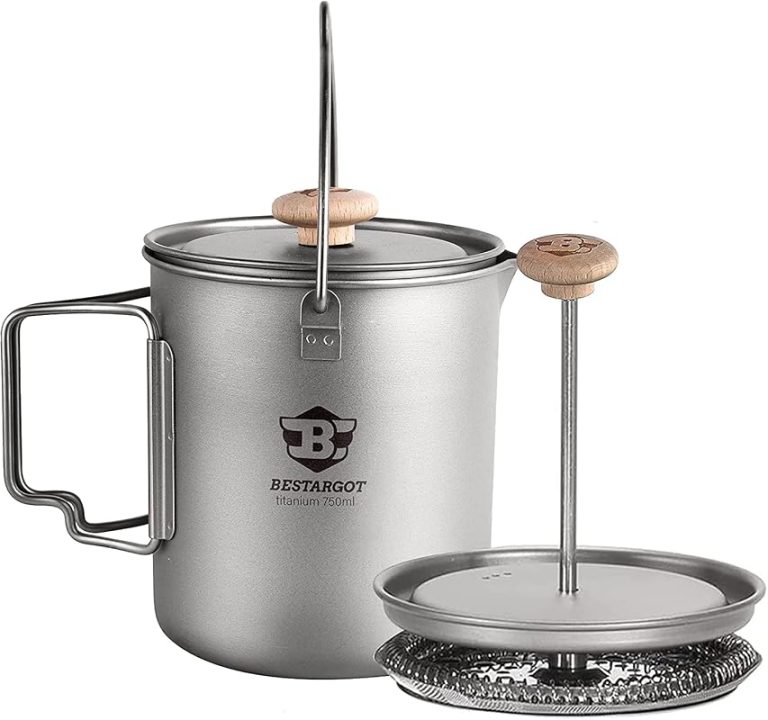
How to Use French Press Coffee Maker for Better Coffee

Use coarse coffee, hot water, and a slow press to make French press coffee. Pour it right away for the best flavor and least bitterness.
If you want bold, rich coffee, a French press is one of the easiest ways to make it. The basic idea is simple: add coarse coffee, pour in hot water, wait a few minutes, then press and pour.
- Grind: Coarse grounds work best and press more cleanly.
- Water: Use hot water that is just off the boil.
- Timing: Steep for a few minutes, then pour right away.
- Flavor: French press makes a rich cup with more body.
- Care: Clean the filter and glass after every use.
How to Use a French Press Coffee Maker: The Quick Answer
A French press makes coffee by steeping grounds in hot water. Then a metal filter pushes the grounds down so you can pour the brewed coffee.
The basic steps from start to finish
Use a coarse grind and place it in the empty press.
Add water that is hot, but not boiling hard.
Mix gently, then let the coffee sit for a few minutes.
Push the plunger down slowly, then serve right away.
Why this method makes rich, full coffee
French press coffee keeps more of the coffee oils and fine bits than many drip methods. That gives it a heavier body and a deeper taste.
In short: it’s a simple brew style with a strong, full cup.
What You Need Before You Brew
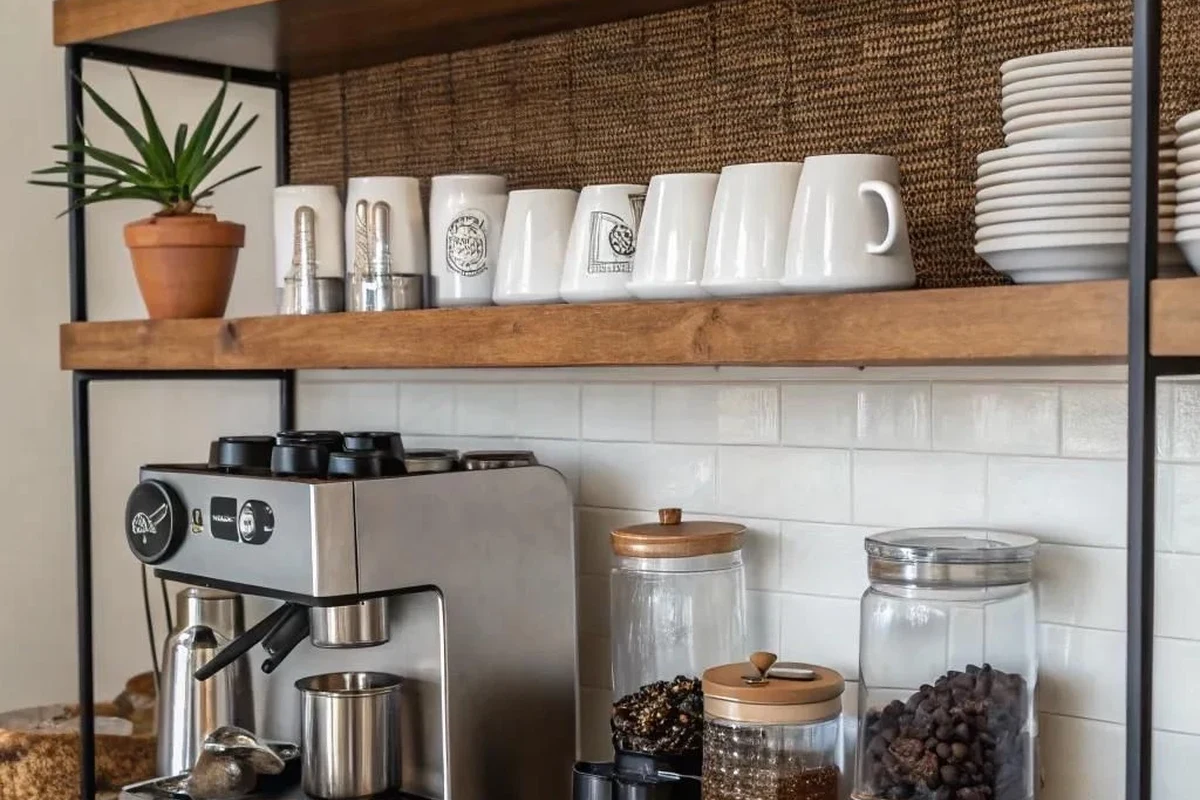
You do not need much gear to get started. Still, a few smart choices can make the brew taste better and feel easier.
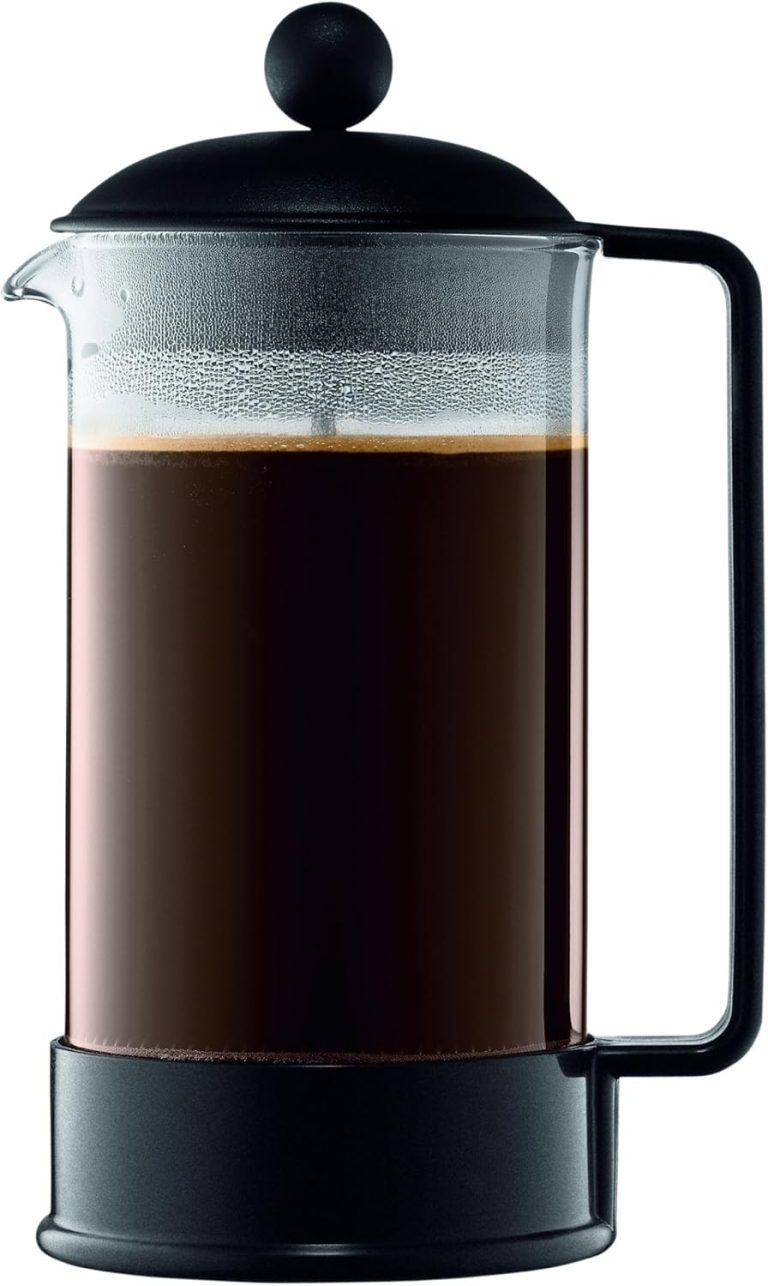
French press size and material choices
French presses come in different sizes, and model details vary. Pick a size that matches how much coffee you usually drink at once.
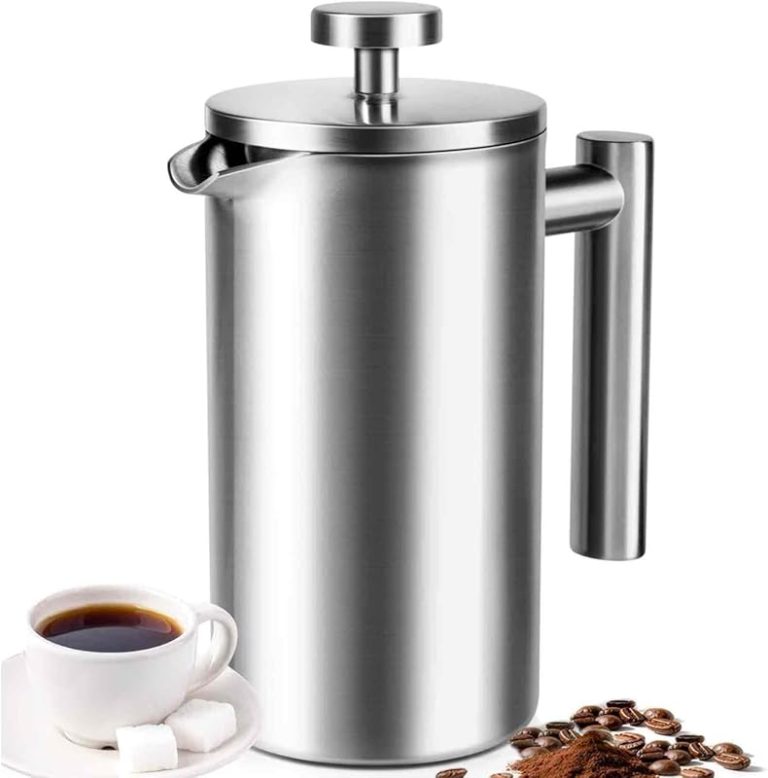
Material also matters. Glass lets you see the brew, while stainless steel can feel sturdier and hold heat better.
Size names can differ by brand, so check the listed brew capacity before you buy.
Grind size, water temperature, and coffee ratio
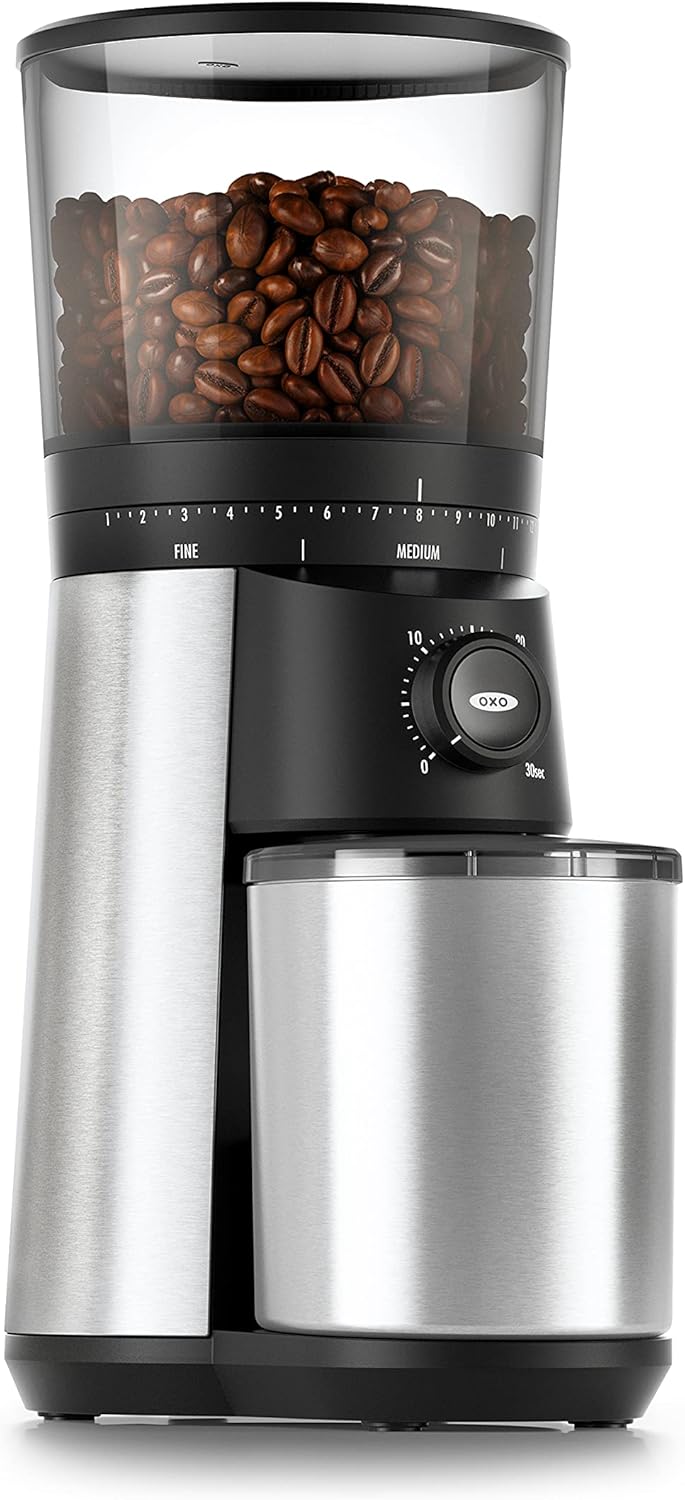
The grind should be coarse, like sea salt. Fine grounds can slip through the filter and make the cup muddy.
Water should be hot, but not at a hard boil. Many brewers aim for just off the boil, since very hot water can pull sharp flavors.
A common starting point is about 1 tablespoon of coffee for each 4 ounces of water. You can adjust from there if you want a stronger or lighter cup.
Coarse ground coffee
Hot water
Stirring spoon
Timer
Helpful tools that make brewing easier
A kettle helps you control water heat. A timer helps you keep the steep time steady from cup to cup.
A spoon or small stirrer also helps. You only need a gentle stir, so there’s no need for fancy tools.
In short: simple tools make the process more repeatable.
Step-by-Step Brewing Guide
Once you know the basics, the process is fast. Most of the work comes from good timing and a steady pour.
Preheat the press and add coffee
Start by warming the press with a little hot water, then dump that water out. This helps keep the brew temperature more stable.
Add your coarse coffee grounds to the empty press. A level scoop is a good starting point if you do not use a scale.
- Warm the press first if your kitchen is cool.
- Use fresh grounds for a cleaner, fuller cup.
- Keep the coffee bed level before adding water.
Pour water, stir, and steep
Pour hot water over the grounds until you reach your planned amount. Try to wet all the coffee evenly.
Give the mix a gentle stir. Then place the lid on top, but do not press yet.
Let it steep for a few minutes. Exact timing can vary by bean, roast, and taste.
Steeping time changes how much flavor and bitterness end up in the cup.
Press slowly and pour right away
After steeping, press the plunger down slowly and with steady pressure. If it resists hard, stop and check the grind.
Pour the coffee right away. If it sits in the press, it keeps brewing and may taste bitter.
Use care with hot water and hot glass. Follow the manual for your model, and do not use cracked parts.
How French Press Brewing Works
This method is simple, but the science behind it matters. A few small choices can change the taste a lot.
Why steeping changes the flavor
When coffee sits in hot water, flavor compounds move into the liquid. The longer it steeps, the more it extracts.
That can help the coffee taste rich. But too much steeping can also bring out harsh notes.
How grind size affects taste and texture
Coarse grounds extract more slowly and are easier to press. That helps keep the cup smoother.
Fine grounds extract faster. They can also make the drink gritty and harder to filter.
What the metal filter does and does not remove
The metal filter blocks most grounds, but not all tiny particles. It also lets more oils pass through than paper filters do.
That is one reason French press coffee feels fuller. It also explains why some cups have a little sediment at the bottom.
Use a coarse grind and pour the coffee soon after pressing.
Common Mistakes to Avoid
Most French press problems come from a few easy-to-fix habits. The good news is that they are simple to spot.
Using the wrong grind or water heat
Too-fine coffee often leads to sludge and a hard press. Water that is too hot can make the coffee taste sharp or burnt.
Start coarse and use hot water that has cooled slightly after boiling.
Steeping too long or pressing too fast
If you steep too long, the cup may turn bitter. If you press too fast, you can stir up the grounds and make the brew cloudy.
A slow, steady press works best.
Letting coffee sit after brewing
French press coffee tastes best when served right away. If it stays in the press, it keeps extracting and gets harsher.
For example, if you brew for breakfast and leave the rest in the pot, the last cup may taste much stronger.
- Use coarse grounds.
- Press slowly and evenly.
- Pour right after brewing.
- Using espresso-fine coffee.
- Boiling water at full heat.
- Letting brewed coffee sit too long.
Benefits and Limits of French Press Coffee
French press coffee has a loyal following for good reason. Still, it is not the best fit for every drinker.
Flavor, body, and control over strength
This method gives you a lot of control over strength. You can change the coffee amount, steep time, and water level.
It also makes a bold, full-bodied cup that many people enjoy with milk or on its own.
What some drinkers may not like
Some people do not like the sediment. Others prefer a cleaner cup with less oil and fewer fine particles.
French press coffee can also taste too strong if you like a very light brew.
- Rich flavor and heavy body
- Simple setup with no paper filters
- Easy to adjust strength
- More sediment than drip coffee
- Needs quick serving after brewing
- Can taste bitter if timing is off
Who gets the most value from this method
French press works well for people who like bold coffee and simple gear. It also suits home brewers who want a low-fuss routine.
If you like to tweak flavor by small steps, this method gives you room to do that.
Best for one or two coffee drinkers.
Best for shared morning brewing.
Cleaning, Safety, and Maintenance Tips
Good cleaning keeps the press working well and helps the coffee taste better. It also helps the parts last longer.
How to clean the press after each use
Empty the grounds into the trash or compost if your local system allows it. Then rinse the press with warm water.
Use mild soap and a soft sponge for a fuller clean. Make sure no coffee bits stay under the filter.
Rinse, wash, and dry all parts before storing.
Check the screen, plunger, and seals for wear or buildup.
How to care for the plunger, screen, and glass
Take the plunger apart when your model allows it, and clean each piece well. Coffee oils can build up over time.
Glass presses need gentle handling. Stainless steel models still need care, even if they feel tougher.
Simple safety tips for hot water and glass parts
Keep the press on a flat, stable surface. Hold the handle firmly when you pour.
If the glass chips or cracks, stop using it. Replace damaged parts instead of trying to patch them.
Follow the appliance manual and stop using damaged equipment.
Final Recommendation: Is a French Press Worth It in 2026?
Yes, a French press is still worth it in 2026 for many home brewers. It gives you strong flavor, simple use, and good control without much gear.
Best use cases for home brewers
Choose a French press if you want a rich cup and do not mind a little sediment. It is also a good pick if you like a hands-on brew method.
It works especially well for people who make one to several cups at a time.
When to choose another coffee maker instead
Pick another brewer if you want a very clean cup with less grit. You may also prefer drip or pod machines if you need coffee to stay warm longer.
In short: choose French press for bold taste and simple brewing. Choose another maker if cleanup, sediment, or heat holding matter more to you.
A French press is a smart choice for rich, full coffee and easy daily use. If you want a cleaner cup or less hands-on brewing, a drip brewer may fit better.
- Use coarse coffee and hot, not boiling, water.
- Steep for a few minutes, then press slowly.
- Pour right away for the best taste.
- Clean the press after each use.
Frequently Asked Questions
Use a coarse grind, similar to sea salt. Fine grounds can make the coffee muddy and harder to press.
A common starting point is about 1 tablespoon of coffee for every 4 ounces of water. You can adjust the ratio to make the brew stronger or lighter.
Use hot water that is just off the boil. Very hot water can pull harsh flavors from the grounds.
French press keeps more oils and fine particles in the cup. That gives it a fuller body and a richer taste.
Dump the grounds, rinse the parts, and wash with mild soap and a soft sponge. Make sure the filter screen and plunger are free of buildup.
Use fresh coarse grounds, keep your water heat steady, and press slowly. Also pour the coffee right away so it does not keep brewing.