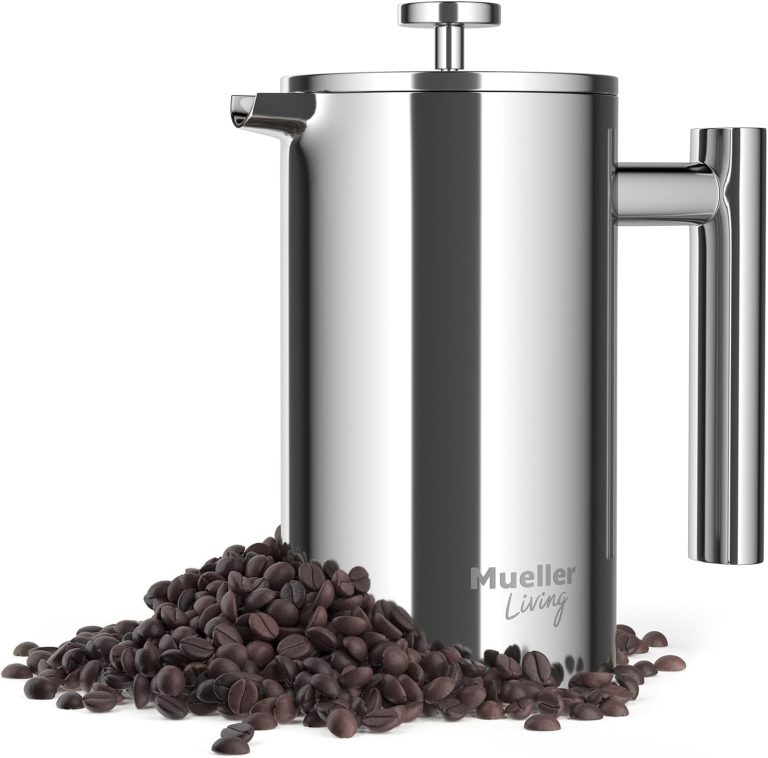
How to Use a French Press Coffee Maker Like a Pro

Use coarse coffee, hot water, and a slow press for the best French press results. Clean the filter well and pour the coffee right away for a better-tasting cup.
If you want bold, smooth coffee with very little gear, a French press is a great place to start. The basic idea is simple: add coarse coffee, pour in hot water, wait a few minutes, then press and pour.
Still, the details matter. Grind size, water heat, and steep time all change the taste, so a few small habits can make a big difference.
- Grind matters: Coarse grounds help prevent grit and a stuck plunger.
- Timing matters: Steep for a few minutes, then pour right away.
- Heat matters: Use hot water, but avoid extreme boiling water.
- Cleaning matters: Wash the mesh and carafe after each use.
How to Use a French Press Coffee Maker
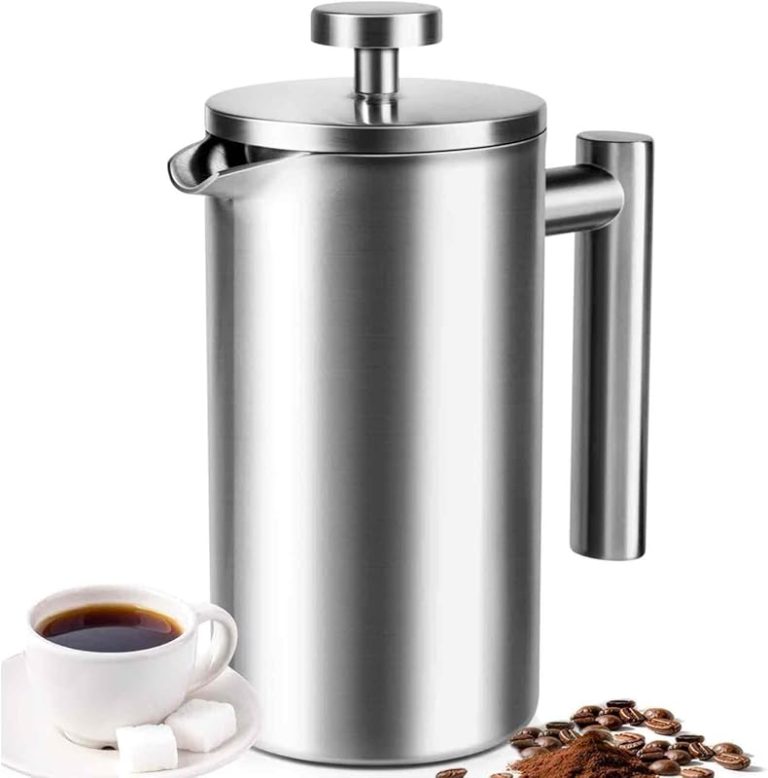
A French press brews coffee by steeping grounds in hot water. Then a metal mesh filter separates most of the grounds from the drink.
The method is easy to learn, but it rewards care. If you use the right grind and do not rush the press, you get a fuller cup with more body than many drip brewers.
The basic steps from grind to pour
Here’s the short version. Use coarse coffee, add hot water, stir gently, steep for about four minutes, then press down slowly and pour right away.
That’s the heart of the method. Once you know the rhythm, the process feels natural and fast.
French press coffee keeps more fine oils in the cup than paper-filter coffee. That often gives it a richer taste and heavier feel.
Why this method makes rich coffee
A French press uses metal filtration instead of paper. That means more coffee oils stay in the drink.
Those oils add body and depth. For many people, that’s the big charm of French press coffee.
It also gives you more control. You can tweak grind, steep time, and ratio to fit your taste.
What You Need Before You Start
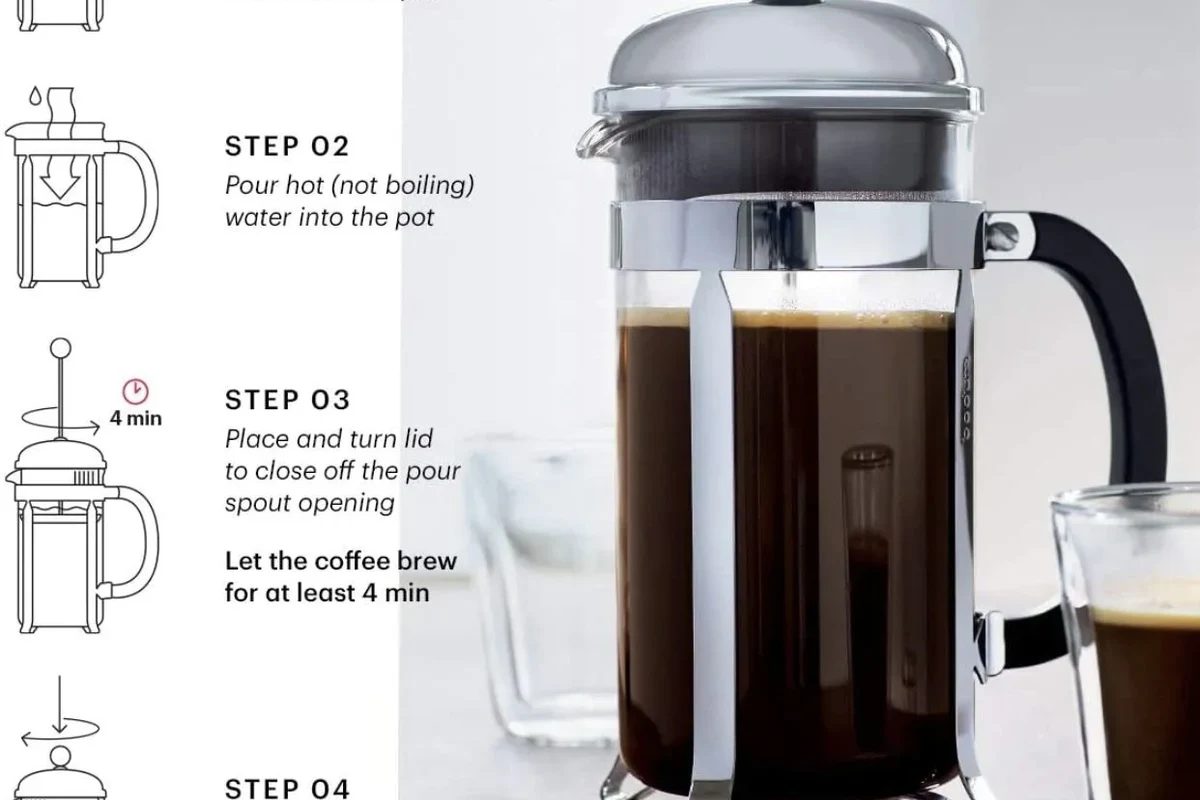
You do not need much to brew with a French press. A press, coffee, hot water, and a spoon are enough for most kitchens.
That said, a few extra tools can make the process easier and more repeatable.
Best coffee grind size for a French press
Use a coarse grind. Think of the texture of sea salt.
Fine grounds can slip through the mesh filter and make the cup muddy. They can also make pressing harder.
If your coffee tastes bitter or gritty, grind size is one of the first things to check.
Water temperature and coffee-to-water ratio
Hot water works best, but not boiling water straight off the heat. Very hot water can pull harsh flavors from the grounds.
A common starting point is about 1 to 15 or 1 to 17 coffee to water by weight. If you do not weigh beans, start with a few rounded tablespoons per cup and adjust next time.
Exact ratios vary by bean, roast, press size, and taste. Stronger coffee needs more grounds or less water.
Helpful tools for easier brewing
A gooseneck kettle is nice, but not required. Any kettle that pours safely will do.
A kitchen scale helps you repeat the same taste each time. A timer also helps you keep steep time steady.
If you brew often, a burr grinder is worth considering. It gives a more even grind than many blade grinders.
Step-by-Step Brewing Guide
This guide keeps things simple and safe. Follow the steps in order, and do not force the plunger.
Put the coarse coffee in the empty press first. Then pour in hot water slowly so the grounds soak evenly.
Give the coffee a gentle stir. Let it steep, then press down slowly and with steady pressure.
Pour the coffee right after pressing. Leaving it in the press can make it taste stronger and more bitter.
Add coffee and hot water the right way
Start with the grounds in the carafe. This helps the water soak all the coffee evenly.
Pour in enough hot water to wet all the grounds, then fill to your target level. A slow pour helps the coffee bloom and mix well.
- Warm the press with hot water first for steadier brewing.
- Pour in a steady stream, not a hard splash.
- Leave a little room at the top for stirring and pressing.
Stir, steep, and press with care
After pouring, stir gently to break up dry pockets. You do not need a hard mix.
Set a timer and let the coffee steep. Many people like around four minutes, but taste can change with bean type and roast.
When time is up, press slowly. If it feels stuck, stop and check the grind before forcing it.
Pressing too hard can splash hot coffee. Use slow, even pressure and keep your face and hands clear of the top.
Pour and serve without over-extracting
Once you press, pour the coffee into mugs or a serving pot right away. The brew keeps extracting while it sits in the press.
If you want a cleaner cup, pour through a paper filter after pressing. That can catch more fine grounds.
For the best taste, serve it fresh. French press coffee usually tastes best soon after brewing.
Common Mistakes and How to Avoid Them
Most French press problems come from a few simple mistakes. The good news is that they are easy to fix.
Using the wrong grind size
Too-fine grounds are the most common issue. They can make the cup cloudy and make the plunger hard to push.
If your coffee tastes harsh or feels sludgy, move to a coarser grind. If it tastes weak, try a slightly finer grind or more coffee.
The coffee tastes gritty or the plunger feels stuck.
Use a coarser grind and avoid packing the grounds down before brewing.
Brewing too long or too short
Short steep times can taste thin and sour. Very long steep times can taste bitter and heavy.
Start with a middle time, then adjust in small steps. That gives you a better path to your ideal cup.
Pressing too hard or too fast
A fast press can send coffee and steam upward. That is messy and can be unsafe.
Instead, press with light, steady pressure. The plunger should move smoothly if the grind is right.
- Use a coarse grind and a calm, steady press.
- Pour the coffee right after brewing.
- Adjust one variable at a time.
- Do not use espresso-fine grounds.
- Do not leave brewed coffee sitting in the press.
- Do not force a stuck plunger.
Benefits and Limits of French Press Coffee
A French press has a lot going for it. It also has a few limits worth knowing before you rely on it every day.
Why many coffee drinkers love it
It is simple, low cost in gear, and easy to learn. You do not need pods or paper filters.
It also gives a strong, rich cup with a full feel. That makes it a favorite for people who enjoy bold coffee at home.
- Simple brewing with few tools
- Rich body and bold flavor
- Easy to control strength
- No paper filter needed
When another brew method may work better
If you want a very clean cup, a pour-over may suit you better. Paper filters remove more oils and fine grounds.
If you want coffee for a crowd, a drip machine may save time. It can also be easier when you need repeat cups fast.
If you like a very smooth cup, French press may feel too heavy. That is a taste choice, not a flaw.
Choose a French press for rich flavor and easy setup.
Try a pour-over or drip brewer instead.
Cleaning and Maintenance Tips
Good cleaning matters more than many people think. Old coffee oils can make the next brew taste stale.
How to clean the plunger and filter
Take the press apart after use, if your model allows it. Rinse the mesh, screen, and plunger parts well.
Use mild soap and warm water. A soft brush can help remove coffee bits from the mesh.
How often to deep clean the carafe
Rinse the carafe after each use. That keeps oils from building up.
Do a deeper wash when you notice cloudy film, smell, or stains. How often that happens depends on use and water quality.
Empty the grounds, rinse parts, and wash with warm soapy water.
Check the mesh, seals, and plunger for wear or buildup.
Ways to keep your press working well
Do not slam the plunger down. That can bend parts over time.
Let all parts dry fully before storage. That helps reduce odor and wear.
If the filter starts to loosen or the seal wears out, replace the worn part if your model supports it.
Safety Tips and Final Recommendation
French press brewing is simple, but hot water and glass need respect. A little care keeps the process smooth and safe.
How to handle hot water and glass safely
Use a stable counter and keep the press away from the edge. A full glass carafe can tip more easily than you expect.
Pour hot water slowly and avoid sudden temperature shock. Some glass carafes can crack if they get extreme heat changes.
Follow the appliance manual and stop using damaged equipment.
Who should use a French press coffee maker
A French press is a great fit for beginners who want an easy routine. It also suits coffee fans who like stronger body and more control.
If you dislike fine sediment or want the cleanest cup possible, another brewer may fit better. That is normal.
Final verdict for beginners and coffee fans
For most people, the French press is one of the easiest ways to make rich coffee at home. It asks for only a few tools and a little attention to grind and time.
If you keep the grind coarse, press slowly, and clean it well, you’ll get a very solid cup. For a simple, hands-on brew, it’s still one of the best options around.
A French press is a smart pick for bold, easy coffee, as long as you accept some sediment and clean it well.
- Use coarse grounds and hot, not boiling, water.
- Steep for a few minutes, then press slowly.
- Pour right away to keep the flavor balanced.
- Clean the mesh and carafe after each use.
Frequently Asked Questions
Use a coarse grind, like sea salt. Fine grounds can make the coffee muddy and harder to press.
Use hot water, but not a full rolling boil if you can avoid it. Very hot water can pull harsh flavors from the grounds.
A common starting point is about 1 to 15 or 1 to 17 by weight. If you measure by volume, start with a few rounded tablespoons per cup and adjust to taste.
Many people start around four minutes. You can adjust a little up or down based on taste, bean type, and roast.
Empty the grounds, rinse the parts, and wash with warm soapy water. Clean the mesh filter well so old oils do not affect the next brew.
Gritty coffee often means the grind is too fine or the filter needs cleaning. Bitter coffee can come from brewing too long, using water that is too hot, or leaving the coffee in the press after steeping.