How Does Ninja Coffee Maker Make Cold Brew at Home

A Ninja coffee maker makes cold brew by using a cold brew or over-ice setting with the right coffee ratio. The smoothest results usually come from coarse grounds, fresh water, and careful cleanup.
If you’re asking how does Ninja coffee maker make cold brew, the short answer is this. It uses a special brew cycle and a measured coffee-to-water ratio to make a cold, smooth coffee drink faster than steeping overnight.
That means you get a cold brew style cup without waiting all day. The exact result can vary by Ninja model, but the basic idea is the same.
- How it works: Ninja uses a special brew mode for smooth, chilled coffee.
- Best grind: Coarse grounds help prevent bitterness and clogging.
- Flavor control: Water quality and coffee ratio change the final taste.
- Easy use: It saves time compared with overnight steeping.
- Best fit: Great for convenience, not always identical to true steeped cold brew.
How Does Ninja Coffee Maker Make Cold Brew? The Short Answer
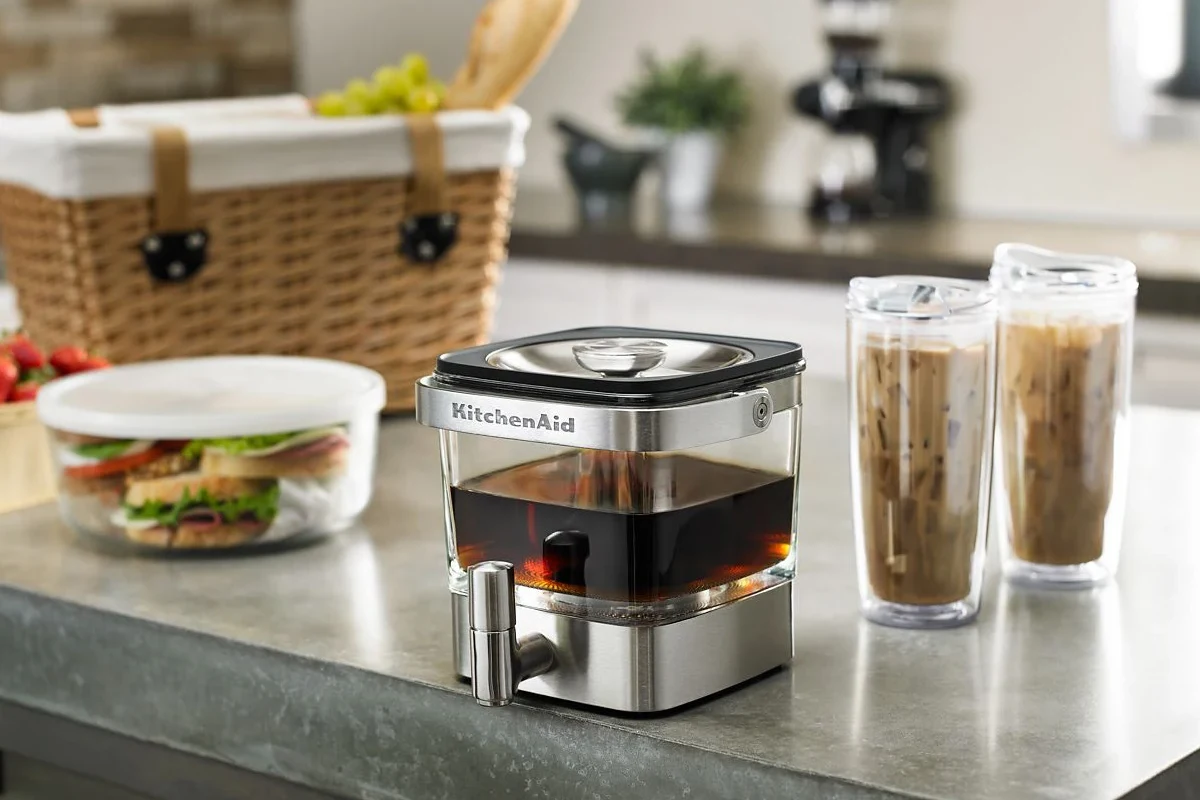
A Ninja coffee maker makes cold brew by brewing coffee in a way that aims for a low-acid, smooth taste. It does not always work the same way as a jar of grounds steeping in the fridge.
Instead, the machine uses a built-in cold brew setting or a similar brew mode. That setting is designed to slow the brew process and pull out less bitterness.
What the Ninja cold brew setting actually does
The cold brew setting is made to create a chilled coffee drink with a softer taste. On many Ninja models, it adjusts the brew pattern and brew time.
Some models brew over ice. Others use a special cold brew mode that makes a concentrate or a ready-to-drink cup.
Always check your model manual. Ninja features can change from one machine to another.
Why it tastes smoother than hot coffee
Hot water pulls flavor out fast. It also pulls out more bitter compounds.
Cold brew style brewing uses cooler water or a gentler brew process. That usually gives you a smoother cup with less sharp bite.
In short, the taste feels softer because the brew process is less aggressive.
“Cold brew” can mean different things on different Ninja models. Some machines make true steeped cold brew, while others make a cold coffee concentrate or an over-ice brew.
How the Ninja Cold Brew Process Works Step by Step

To understand the process, think about three things at once. The machine controls water flow, brew time, and the amount of coffee used.
That mix helps the brewer make a cold drink that tastes balanced, not watery or harsh.
Water flow, brew time, and coffee ratio
The machine sends water through the grounds in a controlled way. It does not flood the coffee all at once.
That slower flow helps the water extract flavor more evenly. The coffee ratio also matters a lot, since too little coffee makes a weak cup.
Many Ninja brew modes depend on the fill line, basket size, or a preset recipe. Follow the markings on your machine for best results.
What makes it different from standard drip brewing
Standard drip coffee usually uses hot water and a faster extraction. That makes a brighter, stronger hot cup.
A cold brew setting aims for a gentler result. It often uses a different cycle, and the drink is meant to taste smooth when chilled.
So even if both methods use a basket and filter, the brew goal is not the same.
How the machine keeps flavor balanced
The machine balances flavor by controlling how fast water hits the grounds. It also depends on the right grind and fill level.
If the flow is too fast, the coffee can taste thin. If the coffee load is too heavy, it can taste muddy or bitter.
Best Beans, Grind Size, and Water for Cold Brew
The machine matters, but the ingredients matter too. Good beans and the right grind can make a much bigger difference than people expect.
If your cold brew tastes off, start with the coffee itself before changing the machine settings.
Which roast level works best
Medium and dark roasts often work well for cold brew style drinks. They usually give a rounder, fuller taste.
Light roasts can still work, but they may taste sharper or more tea-like. That can be nice if you like a brighter cup.
Try a roast you already enjoy hot. Cold brew won’t hide a bean you dislike.
Why coarse grounds matter
Coarse grounds help water move through the coffee more evenly. They also reduce over-extraction.
If the grind is too fine, the cup may turn bitter or cloudy. Fine grounds can also clog filters and make cleanup harder.
Use a coarse grind that looks a bit like sea salt. That’s a good starting point for most cold brew style drinks.
How water quality changes the taste
Water makes up most of the drink, so its taste matters. If your tap water tastes flat or harsh, your coffee may too.
Filtered water often gives a cleaner cup. Very hard water can mute flavor, while very soft water can make coffee taste thin.
If your coffee tastes strange, water is worth checking before you change beans.
How to Make Cold Brew in a Ninja Coffee Maker at Home
Making cold brew in a Ninja coffee maker is pretty simple once you know the steps. The exact buttons and brew modes can vary by model, so use your manual as the final guide.
Still, the basic workflow is easy for most home kitchens.
Basic ingredient list and setup
You’ll need coffee, water, and a clean machine. If your Ninja model uses a brew basket or filter, set that up first.
Use the cold brew or over-ice setting if your machine has one. Then measure coffee and water using the marks or recipe in the manual.
Start with the machine’s suggested ratio. That gives you the best chance of a balanced first cup.
Simple brew steps for a reliable result
Place the grounds in the basket without packing them down.
Use the fill line or the amount listed in your manual.
Choose the mode made for chilled coffee or over-ice brewing.
Don’t stop the brew early unless the manual tells you to.
How to serve it over ice or with milk
Serve the coffee over ice if you want a colder, lighter drink. If the brew is strong, the ice will soften it as it melts.
You can also add milk, cream, or a milk alternative. A splash of oat milk works especially well with a smooth cold brew style cup.
If the coffee tastes too strong, add more water or milk next time. If it tastes weak, use a little more coffee.
Benefits and Limits of Using a Ninja Coffee Maker for Cold Brew
A Ninja coffee maker can be a handy cold brew tool. It saves space and removes a lot of guesswork.
But it’s still a machine-based shortcut, not always the same as a long steep in a jar.
- Fast and simple for busy mornings
- Less need for extra gear
- Easy to make a fresh batch at home
- Results can vary by model
- Not always the same as true steeped cold brew
- Wrong grind can hurt taste fast
Where it saves time and effort
The biggest win is convenience. You don’t need a separate cold brew jar, filter setup, or overnight wait in many cases.
That makes it easier to brew a cup before work or during a busy weekend morning.
What it does well for daily use
For daily use, the machine gives you repeatable steps. That helps if you want the same drink most mornings.
It also keeps the process neat. You’re less likely to spill grounds all over the counter.
Common limits compared with true steeped cold brew
True cold brew usually steeps for hours. That long soak can create a deeper, sometimes sweeter flavor.
A Ninja cold brew setting may taste a little different. It can still be very good, but it may not match jar-steeped cold brew exactly.
If you love very rich, syrupy cold brew, a dedicated cold brew maker may suit you better.
Common Mistakes That Can Ruin Ninja Cold Brew
Most bad cold brew comes from setup mistakes, not a bad machine. A few small changes can fix a lot.
Pay close attention to grind, ratio, and cleanup.
Using the wrong grind size
Too fine a grind can clog the filter and make the drink bitter. It can also leave gritty sediment in the cup.
Too coarse a grind may make the coffee weak. Start coarse, then adjust from there if needed.
Adding too much coffee or too little water
More coffee is not always better. Too much can make the brew harsh and heavy.
Too little water can also throw off the balance. Follow the fill marks and recipe first, then fine-tune the next batch.
The coffee tastes bitter, muddy, or too strong.
Use a coarser grind, reduce the coffee slightly, and make sure the basket is not overfilled.
Skipping cleanup after brewing
Old grounds and coffee oils can spoil the next batch. They can also leave stale smells in the machine.
Rinse parts soon after use. That simple habit helps the coffee taste better next time.
Cleaning, Safety, and Maintenance Tips
Good cleaning matters just as much as good brewing. It also helps the machine last longer.
Always follow the manual for your exact model. That’s the safest way to care for any electrical appliance.
Unplug the machine before cleaning removable parts. Never submerge the base or open sealed electrical parts.
How often to rinse and deep clean
Rinse the basket, carafe, and lid after each use if your model has those parts. That keeps oils from building up.
Do a deeper clean on a regular schedule, based on how often you brew. Heavy use usually means more frequent cleaning.
Parts that need extra care
The brew basket, filter area, reservoir, and lid often need the most attention. Coffee oils can hide in small corners.
Check seals, removable filters, and any narrow spouts too. Those spots can trap residue and affect flavor.
Empty grounds, rinse removable parts, and wipe spills right away.
Inspect for scale, odor, and buildup. Deep clean if needed.
Signs the machine needs descaling
If brewing slows down, scale may be building up inside the water path. White mineral spots can also show up in hard-water homes.
Some machines may make odd noises or leave coffee tasting flat. If that happens, check the manual for a safe descale method.
Stop using the machine if you smell burning, see damage, or notice leaking near the base.
Is a Ninja Coffee Maker Worth It for Cold Brew in 2026?
For many home cooks, yes. A Ninja coffee maker can be a smart pick if you want cold brew style coffee without extra clutter.
It’s especially useful if you already want a drip machine and a cold coffee option in one appliance.
Who should buy it
It makes sense for busy people who want simple steps. It also works well for small kitchens that need one machine to do more than one job.
If you like trying different brew styles, a Ninja model can feel flexible and practical.
Who may want a different cold brew maker
You may want a dedicated cold brew brewer if you care most about long-steep flavor. That path can give you more control over steep time and batch size.
It may also suit you better if you brew cold coffee in large batches for the week.
Final verdict for Red Kitchen Project readers
A Ninja coffee maker can make cold brew style coffee in a simple, home-friendly way. The best results come from the right grind, fresh water, and careful use of the model’s brew setting.
If you want convenience and a smooth cup, it’s a strong option. If you want the deepest steeped cold brew flavor, a dedicated brewer may still be the better fit.
- Ninja cold brew settings aim for smooth, chilled coffee.
- Coarse grounds and the right ratio matter most.
- Cleanup and descaling help protect taste and performance.
- It’s a great convenience choice, but not always true steeped cold brew.
Frequently Asked Questions
It depends on the model. Some Ninja machines make a cold brew style drink, while others make over-ice coffee or a cold concentrate.
A coarse grind usually works best. Fine grounds can make the coffee bitter, cloudy, or hard to filter.
Start with the ratio in your machine manual or on the brew markings. If the drink is too strong or weak, adjust the next batch a little at a time.
Yes. You can serve it over ice or add milk, cream, or a milk alternative after brewing.
Rinse removable parts after each use and deep clean on a regular schedule. Follow the manual for your model, especially if you see scale or slow brewing.
Try a coarser grind, slightly less coffee, and fresh filtered water. Bitter flavor often comes from grind size, ratio, or buildup in the machine.