Is Gluten Free Pasta Better for You Find Out Now

Gluten free pasta is better for you if you need to avoid gluten or want a legume-based option with more protein. If you do not need gluten free food, regular pasta often gives you better texture, value, and fullness.
Is gluten free pasta better for you? Sometimes, but not always. It can be the better pick for people who need to avoid gluten, yet regular pasta often wins on protein, fiber, and value.
- Best for gluten needs: Gluten free pasta helps people with celiac disease or sensitivity.
- Nutrition varies: Legume pasta can beat regular pasta on protein and fiber.
- Not always healthier: Rice or corn pasta may be low in fiber and protein.
- Cooking matters: Gluten free pasta can turn mushy fast if overcooked.
Is Gluten Free Pasta Better for You? The Short Answer
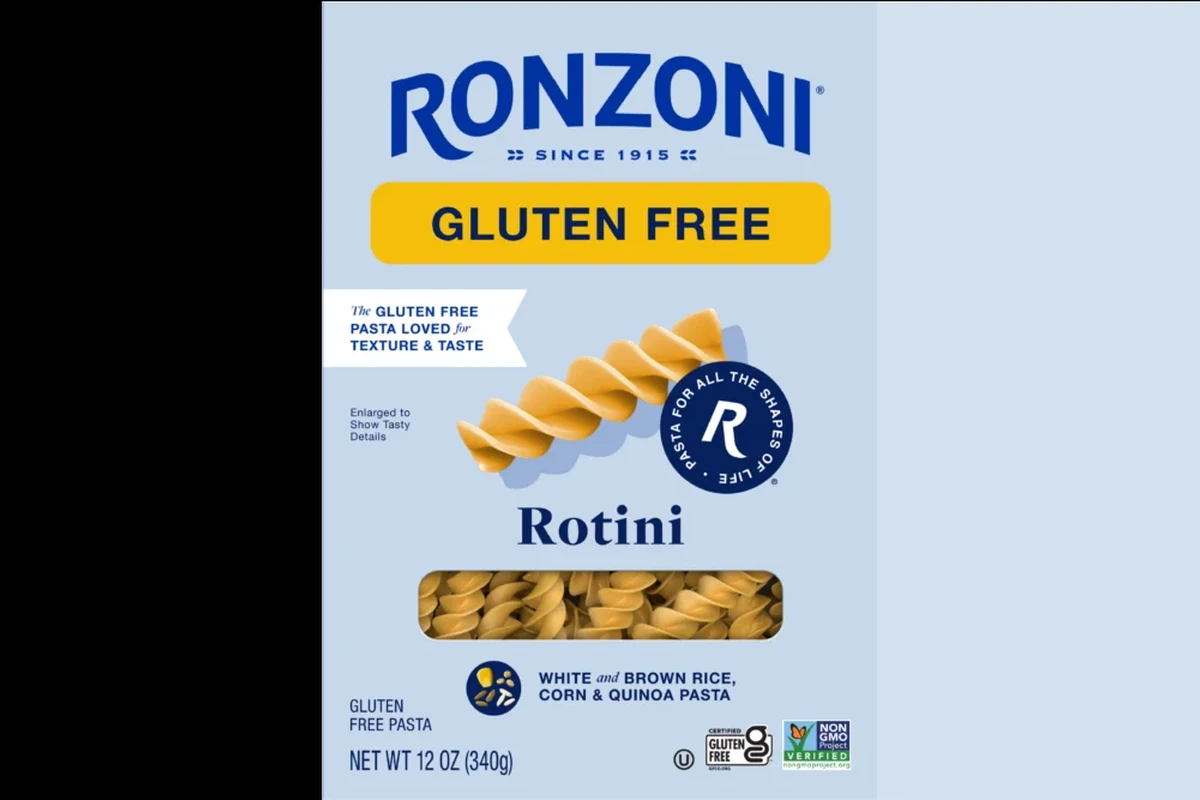
The simple answer is this. Gluten free pasta is better for you if gluten causes health problems for you. If you do not need to avoid gluten, regular pasta may be just as good or even better for daily meals.
What matters most is your health goal. Are you managing celiac disease, gluten sensitivity, blood sugar, or just looking for a filling meal? That answer changes the best choice.
What “better for you” really means in 2026
In 2026, “better” usually means more than one thing. It can mean safer for your body, easier to digest, more filling, or better for your budget.
It can also mean better for your cooking style. Some people want a pasta that holds sauce well. Others want a bowl that keeps them full longer.
So, the best pasta depends on the person. There is no one winner for everyone.
Who may benefit most from gluten free pasta
Gluten free pasta makes the most sense for people with celiac disease. It also helps many people with non-celiac gluten sensitivity.
It may also help if you feel bloated or uncomfortable after eating wheat pasta. Still, those symptoms can have other causes too, so it helps to talk with a health professional if the problem keeps happening.
For families, gluten free pasta can make shared meals easier. One pot of sauce can work for everyone when one person must avoid gluten.
When regular pasta may still be the smarter pick
Regular wheat pasta is often the smarter choice if you do not need gluten free food. It usually has a familiar taste, a firmer bite, and a lower price.
Many regular pastas also give you more protein and fiber, especially if they are made with fortified wheat flour or whole wheat. That can help you stay full longer.
If you want a simple weeknight dinner, regular pasta is hard to beat. It is easy to cook and easy to find.
Nutrition can vary a lot by brand and ingredient mix. Always compare the label on the exact box you plan to buy.
What Gluten Free Pasta Is Made Of
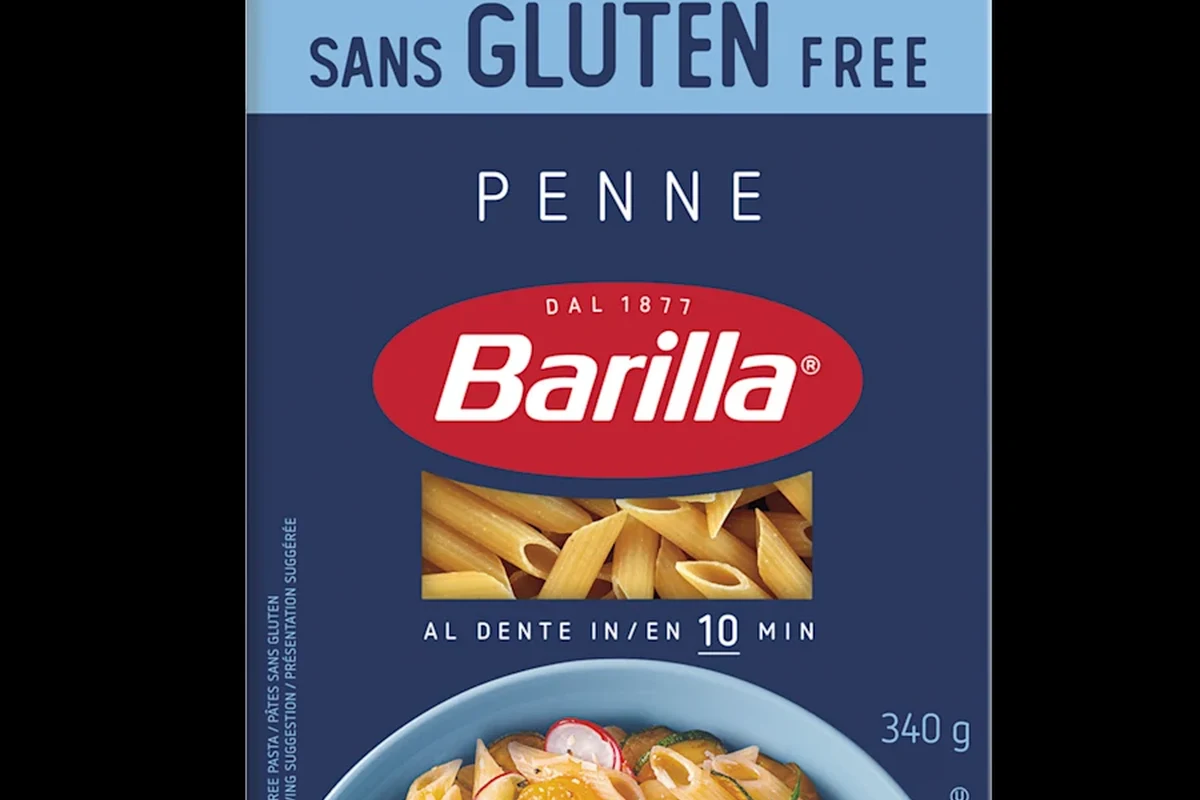
Gluten free pasta is made without wheat, barley, or rye. Brands use other grains, seeds, or legumes instead.
That ingredient swap changes both nutrition and cooking. It also changes how the pasta tastes and feels in your mouth.
Common ingredients like rice, corn, quinoa, and legumes
Many gluten free pastas use rice flour or corn flour. These are common because they are mild and easy to work with.
Some brands add quinoa, chickpeas, lentils, or peas. These ingredients can boost protein and fiber.
Other pastas use blends. A blend often gives better texture than one single flour.
Mild taste and a soft texture.
More protein and fiber, with a stronger taste.
Often more balanced, but brand quality still matters.
How ingredient choice changes taste and texture
Rice-based pasta often tastes closest to plain pasta, but it can turn soft fast. Corn-based pasta may have a slightly sweet note.
Legume pasta usually feels firmer and more filling. However, it can taste earthy or bean-like.
Quinoa blends often sit in the middle. They can offer a better chew, but they still vary a lot by brand.
What to look for on the label
Start with the ingredient list. Shorter lists are not always better, but they are easier to understand.
Look for protein and fiber if satiety matters to you. Also check the serving size, since pasta nutrition can look better or worse based on how the brand counts a portion.
If you have celiac disease, look for clear gluten free wording and cross-contact notes. That part matters more than marketing claims.
- Check the main flour or legume used
- Compare protein, fiber, and serving size
- Look for clear gluten free labeling
- Read cross-contact statements if you need strict safety
Nutrition Comparison: Gluten Free Pasta vs Regular Pasta
Nutrition depends on the exact product. Still, some general patterns show up again and again.
Regular pasta often has more protein and more reliable texture. Gluten free pasta can be better for people who need to avoid gluten, but it is not always more nutritious.
Calories, protein, fiber, and carbs
Calories are often similar between the two. The bigger differences usually show up in protein and fiber.
Regular wheat pasta often has more protein than rice-based gluten free pasta. Whole wheat pasta can also bring more fiber.
Some gluten free pastas made from lentils or chickpeas can match or beat wheat pasta on protein and fiber. That makes them a stronger choice for fullness.
| Option | Best For | Key Consideration |
|---|---|---|
| Regular wheat pasta | Everyday meals and better value | Usually more protein and a firm bite |
| Rice or corn gluten free pasta | Simple gluten free meals | May be lower in fiber and protein |
| Legume gluten free pasta | Higher protein and more filling meals | Flavor and texture can be stronger |
How fortified wheat pasta can differ from gluten free options
Many regular pastas use enriched wheat flour. That means key nutrients are added back in after processing.
Gluten free pasta may not always be fortified the same way. Some brands add vitamins and minerals, but many do not.
That does not make gluten free pasta bad. It just means you should not assume it has the same nutrient profile.
Which pasta fills you up longer
Satiety depends on protein, fiber, and how you serve the pasta. Pasta with more protein and fiber usually keeps you full longer.
Legume-based gluten free pasta often does well here. Regular whole wheat pasta can also be a strong option.
If you pair pasta with vegetables, olive oil, cheese, or meat sauce, the meal becomes more filling no matter which pasta you choose.
Health Benefits and Limits of Gluten Free Pasta
Gluten free pasta can be a very good choice for some people. But the label alone does not make it healthier.
That is the part many shoppers miss. Gluten free and healthy are not the same thing.
Possible upsides for celiac disease and gluten sensitivity
For people with celiac disease, gluten free pasta is not just a preference. It is a medical need.
For people with gluten sensitivity, it may reduce discomfort after meals. That can mean less bloating, less stomach upset, or less fatigue for some people.
It can also help families keep meals simple. One pasta dish can work for more people at the table.
Why gluten free does not always mean healthier
Some gluten free pastas are made from refined starches. Those can be low in fiber and not very filling.
Some brands add extra salt or use more processed ingredients. Others taste fine but do not offer much nutrition.
So, a gluten free label is not a health badge. You still need to read the box.
Legume-based pasta can offer more protein than many standard wheat pastas.
Blood sugar, digestion, and satiety concerns
Blood sugar response depends on the pasta type and the full meal. Pasta made from refined rice or corn may digest faster.
That can matter if you watch blood sugar. A pasta with more fiber and protein may be easier to work into a balanced meal.
Digestion is personal too. Some people feel better with gluten free pasta, while others do fine with regular pasta.
- Pair pasta with protein and vegetables for better fullness.
- Choose legume pasta if you want more fiber.
- Use smaller portions if blood sugar is a concern.
How to Choose the Best Gluten Free Pasta
The best gluten free pasta is the one that fits your needs and tastes good enough to use often.
That means balancing flavor, texture, nutrition, and price. You do not need the fanciest box on the shelf.
Best ingredients for flavor, texture, and nutrition
For the most neutral taste, rice and corn blends are a safe start. They work well with many sauces.
For more nutrition, look at chickpea, lentil, or pea pasta. These usually give you more protein and fiber.
For better texture, blends often work better than single-ingredient pasta. They can hold up better in the pot and on the plate.
You want the closest taste to regular pasta
Rice or corn blends usually feel familiar and mild.
You want more protein and fiber
Legume pasta gives better nutrition for many eaters.
What to avoid in low-quality products
Watch for pasta that falls apart too easily or turns gummy fast. That often means the formula is not well balanced.
Very short ingredient lists are not always bad. But if the pasta has little protein, little fiber, and weak texture, it may not be worth buying again.
Also be careful with vague gluten free claims if you need strict safety. Look for clear packaging and trusted manufacturing practices.
Price, value, and serving size tips
Gluten free pasta often costs more than regular pasta. That is one reason regular pasta still makes sense for many homes.
Value depends on how well the pasta cooks and how filling it is. A cheaper box is not a bargain if it turns mushy or leaves you hungry.
Check the serving size before you compare brands. Some boxes make the nutrition look better by using small portions.
How to Cook Gluten Free Pasta So It Turns Out Right
Gluten free pasta can go from firm to mushy fast. Careful cooking makes a big difference.
The exact timing depends on the brand, shape, and ingredient mix. Always follow the box first.
Boiling time, stirring, and draining basics
Use a large pot with plenty of water. That helps the pasta move freely.
Stir early and often, especially in the first few minutes. Gluten free pasta can stick together faster than wheat pasta.
Start checking it near the low end of the package time. Drain it as soon as it reaches the texture you want.
Use enough water so the pasta has room to move.
Keep the strands or shapes from clumping together.
Gluten free pasta often softens quickly after it is done.
How to keep it from getting mushy or sticky
Do not overcook it. That is the biggest mistake with gluten free pasta.
Do not leave it sitting in hot water after draining either. If you need to wait, toss it with a little sauce or oil.
Some people also rinse gluten free pasta, but that depends on the sauce. For hot meals, a light rinse can reduce stickiness for some brands, while others do better without it.
- Use plenty of water
- Stir often at the start
- Check texture before the box time ends
- Walking away during the first minutes
- Overcooking by even a little
- Letting it sit plain after draining
Best sauces and recipes for better results
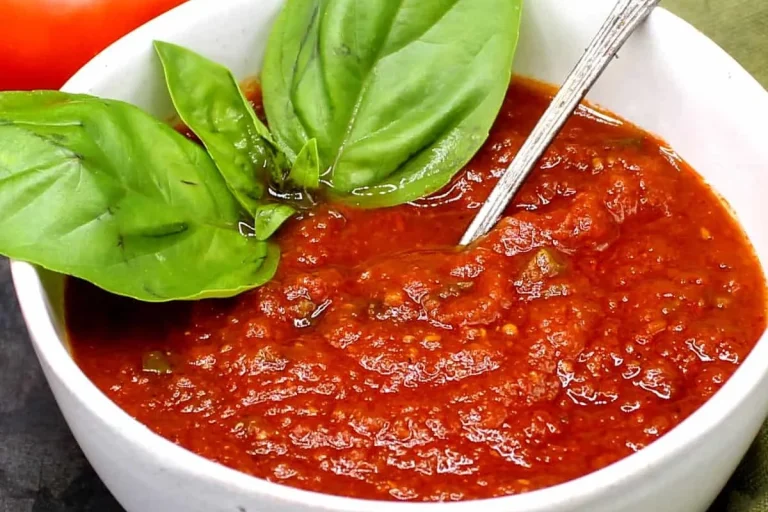
Thicker sauces often work well because they cling to gluten free pasta. Tomato sauce, pesto, and creamy sauces are all good options.
Simple recipes also help. A strong sauce can cover mild texture issues, especially with rice or corn pasta.
If you want a healthier bowl, add vegetables and a protein. That can improve both taste and fullness.
Common Mistakes, Safety Tips, and Cross-Contact Risks
If you cook for someone who must avoid gluten, kitchen safety matters a lot. Cross-contact can happen fast.
That means even a small trace of gluten can get into the food. For celiac disease, that can be a serious problem.
How to avoid gluten cross-contact in the kitchen
Use clean pots, strainers, spoons, and cutting boards. Shared tools can hold crumbs or pasta bits.
Cook gluten free pasta in fresh water. Do not use water that cooked wheat pasta earlier.
If you share a kitchen, keep gluten free pasta in a sealed container. Store it away from open flour, bread, and crumbs.
If someone has celiac disease, even small cross-contact risks matter. Follow the package instructions and keep tools, water, and surfaces clean.
Label reading for celiac safety
Look for a clear gluten free claim on the package. If the label mentions shared equipment or shared lines, read that carefully.
Ingredient lists can change. A brand that was safe before may change suppliers or formulas later.
When in doubt, check the manufacturer’s site or contact the company directly. That extra step is worth it for strict gluten avoidance.
Storage and leftover tips
Store dry pasta in a cool, dry place. Keep the bag sealed or move it to a tight container.
For leftovers, cool pasta quickly and refrigerate it soon after cooking. Use it within a safe time based on food safety guidance and your fridge conditions.
When reheating, add a splash of water or sauce. That helps keep the pasta from drying out.
Follow the package and use safe food handling. Stop using any product that smells off, looks damaged, or shows signs of moisture damage.
Final Verdict: Is Gluten Free Pasta Better for You?
Gluten free pasta is better for you if you need to avoid gluten for health reasons. It can also be a smart pick if you want a legume-based pasta with more protein and fiber.
But if you do not need gluten free food, regular pasta often gives you better texture, more value, and sometimes better nutrition. The best choice depends on your body, your goals, and the exact box in your hand.
Best choice by diet goal and health need
If you have celiac disease, choose certified gluten free pasta and watch for cross-contact. If you have gluten sensitivity, a careful trial with a trusted brand may help.
If you want more fullness, try lentil, chickpea, or pea pasta. If you want the most familiar pasta experience, regular wheat pasta may still be the winner.
For most home cooks, the real answer is simple. The best pasta is the one that fits your health needs and still tastes good enough to eat often.
Gluten free pasta with simple ingredients and clear labeling
Look for a product that matches your goal. Mild rice or corn blends work best for a classic pasta feel, while legume pasta offers more protein and fiber. The main limit is that texture and taste vary a lot by brand.
Clear recommendation from the Red Kitchen Project Editorial Team
Our editorial view is straightforward. Gluten free pasta is the better choice only when you need it, or when a higher-protein legume pasta fits your goals.
If you do not need to avoid gluten, regular pasta still deserves a spot in your pantry. It is often cheaper, easier to cook, and more satisfying for many people.
Gluten free pasta is better for people who need gluten free food or want certain legume-based nutrition benefits. For everyone else, regular pasta often offers better texture, value, and satiety.
Frequently Asked Questions
Not always. It can be the better choice for people who need to avoid gluten, but regular pasta may offer more protein, fiber, and value.
Legume-based pasta often has more protein and fiber than rice or corn pasta. Check the label, since nutrition varies by brand.
It may help people with celiac disease or gluten sensitivity. If symptoms keep happening, talk with a health professional.
Use plenty of water, stir early, and check it before the package time ends. Drain it as soon as it reaches the texture you want.
No. Look for clear gluten free labeling and check for cross-contact notes on the package.
Yes, if you do not need to avoid gluten. It often tastes familiar, cooks well, and may cost less than gluten free pasta.