How to Properly Use a French Press Coffee Maker Guide

Use a coarse grind, hot water that is not boiling, and about four minutes of steep time. Press slowly and clean the press right after brewing for the best results.
If you want rich coffee with simple gear, a French press is a great pick. The key is using the right grind, water heat, and steep time. Once you know the steps, the process is easy to repeat.
- Start coarse: Fine grounds make French press coffee gritty and bitter.
- Watch the heat: Use hot water, but avoid a full boil.
- Keep it steady: About four minutes is a strong starting steep time.
- Press gently: Slow pressure helps keep sediment lower.
- Clean right away: Fresh cleanup prevents oil buildup and stale flavors.
What a French Press Coffee Maker Is and Why It Still Matters
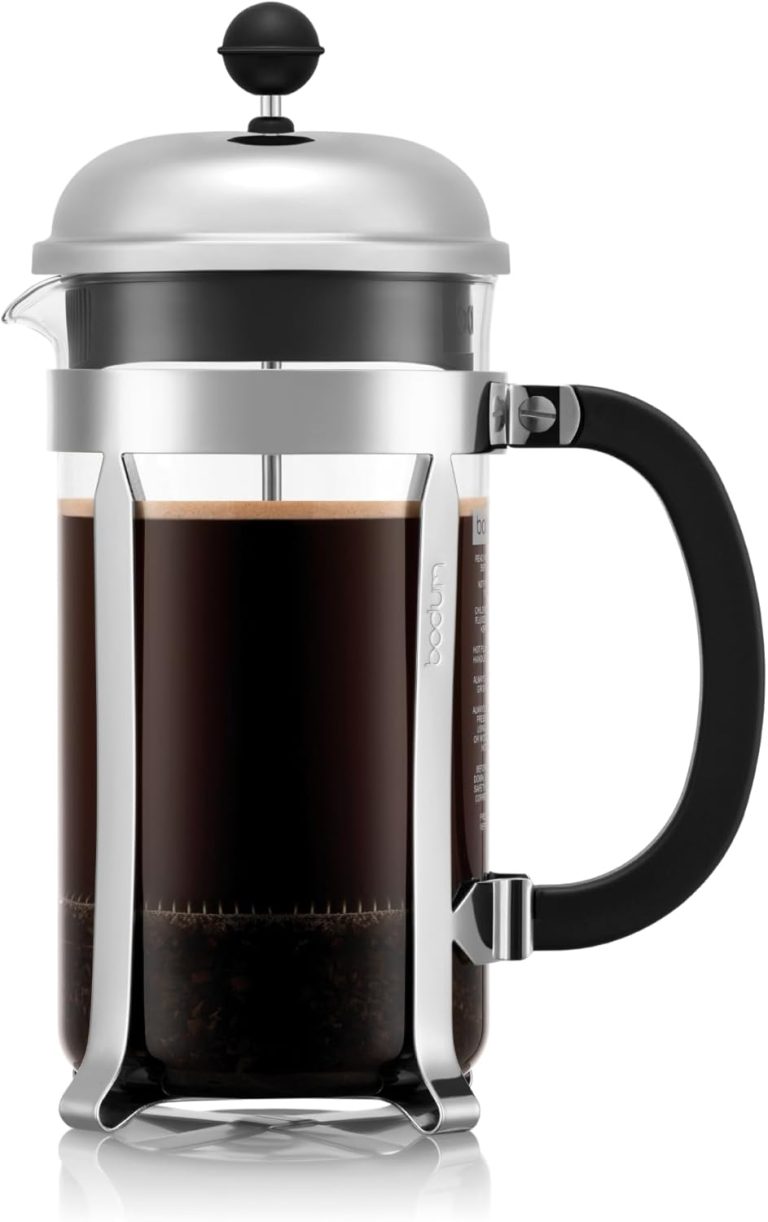
A French press is a manual coffee brewer with a plunger and mesh filter. You add coffee and hot water, let it steep, then press the grounds down. That simple design gives you a full, bold cup with very little equipment.
It still matters because many people want control without a complex machine. You can use it at home, in a cabin, or anywhere you can heat water safely.
How this simple brewer works
The coffee grounds sit in hot water for a few minutes. During that time, flavor oils and fine particles move into the drink. When you press the filter down, it separates most of the grounds from the liquid.
The mesh filter lets more oils through than paper filters do. That is why French press coffee often tastes heavier and more full-bodied.
Why many coffee drinkers still choose it in 2026
People still like the French press because it is simple and flexible. You do not need pods, paper filters, or a power source.
It also gives you room to adjust the taste. You can change the grind, ratio, and steep time until the cup fits your style.
French press coffee often tastes stronger than drip coffee, even with the same beans, because it uses full immersion.
The Right Way to Use a French Press Coffee Maker
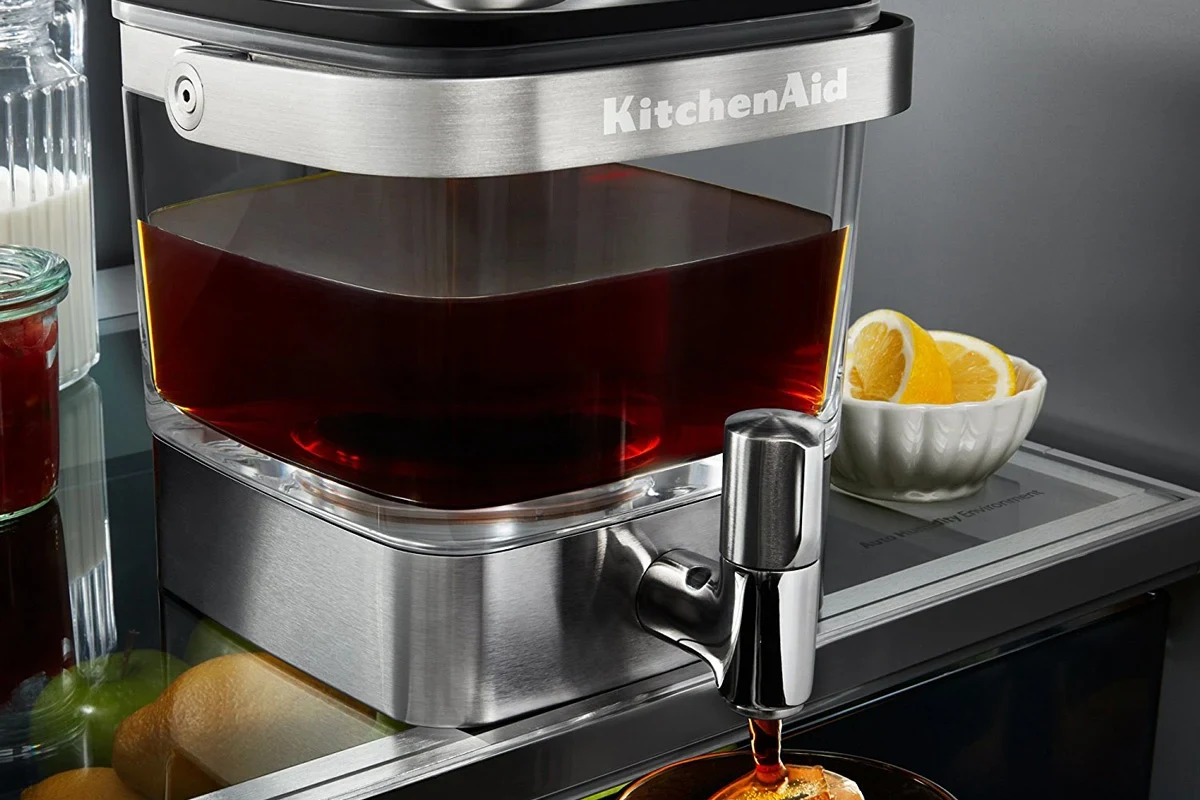
The best method is easy to follow. Use a coarse grind, hot water that is not boiling, and a steady steep time. If you rush the steps, the cup can turn bitter or gritty.
Grind size, water temperature, and coffee ratio
Use a coarse grind. Think of sea salt, not table salt. Fine grounds slip through the filter more easily and can make the cup muddy.
For water, aim for hot but not boiling. A good range is about 195 to 205 degrees Fahrenheit. If you do not have a thermometer, let boiled water rest for about 30 seconds to 1 minute.
A common starting ratio is 1 to 15 or 1 to 16. That means 1 part coffee to 15 or 16 parts water. For example, 30 grams of coffee needs about 450 to 480 grams of water.
Exact ratios can vary by bean, roast, and personal taste. Start with a standard ratio, then adjust in small steps.
Step-by-step brewing process
Rinse it with hot water, then pour the water out.
Place the coarse grounds in the empty press.
Add hot water evenly so all grounds get wet.
Give it one light stir to break dry clumps.
Wait, then press down slowly and serve right away.
Do not grind too fine just to get a stronger taste. That usually creates more sediment instead of better flavor. A slow, even pour helps the grounds wet evenly.
- Use fresh, coarse grounds
- Pour water evenly over all coffee
- Press the plunger slowly
- Using a fine espresso grind
- Forcing the plunger down fast
- Letting brewed coffee sit in the press
How long to steep for the best taste
Most French press coffee tastes best after about 4 minutes. Some people like it a little shorter for a lighter cup. Others prefer a bit longer for more body.
If you steep too long, bitterness can build fast. If the coffee tastes weak, try a slightly higher ratio or a small time change first.
Key Specs and Ingredients That Change the Result
French press coffee depends on more than just the brewer. The beans, water, filter, and press material all shape the final cup. Small changes can make a big difference.
Best coffee bean type and roast level
Fresh beans usually taste better than stale ones. Many people like medium or dark roasts in a French press because they bring out a round, full flavor.
Light roasts can work too. They often taste brighter and more acidic. If you use them, try a slightly longer steep or a small ratio change.
Ideal water quality and temperature range
Clean water matters more than many people think. If your tap water tastes flat or harsh, your coffee may taste that way too. Filtered water often gives a cleaner cup.
Temperature matters as well. Water that is too cool can under-extract the coffee. Water that is too hot can pull out harsh notes.
French press size, filter style, and material choices
French presses come in different sizes, and that affects how much coffee you can make at once. Choose a size that matches your normal routine, not just your rare largest batch.
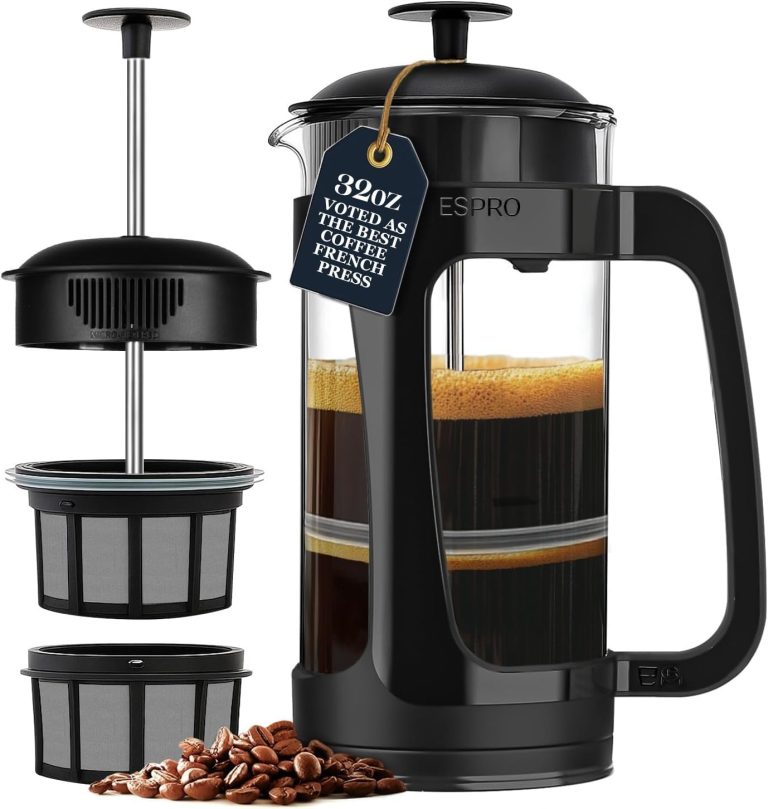
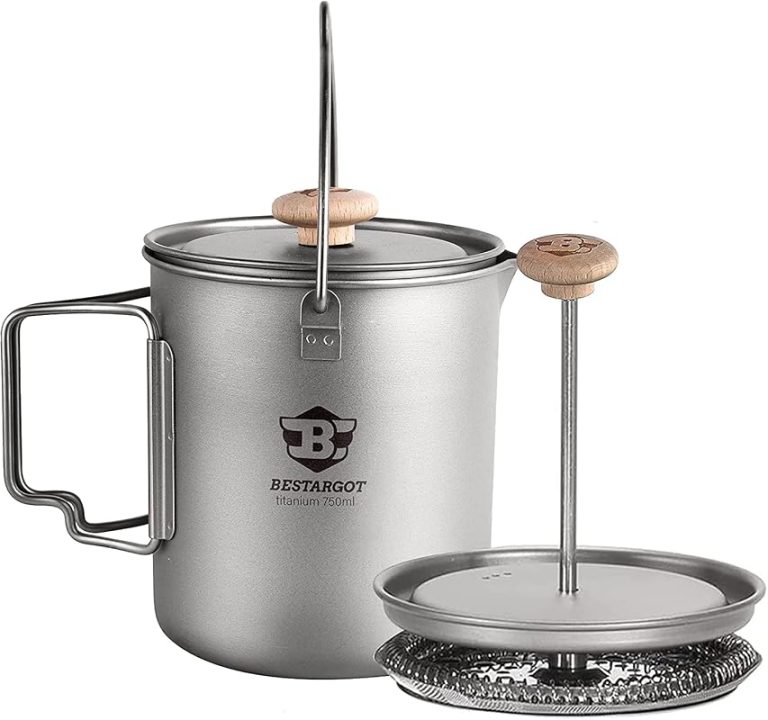
Glass presses let you see the brew, but they need careful handling. Stainless steel models often hold heat longer and may feel sturdier. Filter design also matters, since a tighter filter can reduce sediment.
Helps reduce grit in the cup.
Better insulation keeps the brew warmer longer.
Removable parts save time after brewing.
Common Mistakes That Ruin French Press Coffee
Most bad French press coffee comes from a few simple errors. The good news is that each one is easy to fix once you know what to look for.
Using the wrong grind
A fine grind often makes the coffee bitter and sludgy. It can also clog the mesh filter more easily. A coarse grind gives better flow and a cleaner cup.
Letting the coffee steep too long
Long steeping can pull out too many harsh flavors. If the coffee sits in the press after brewing, it keeps extracting. Serve it right after pressing.
Pushing down too fast or too hard
Press the plunger with steady, gentle pressure. If it feels stuck, stop and check the grind. Forcing it can stir up sediment and make the cup taste rough.
Skipping the bloom or stirring too much
Some coffee drinkers like a short bloom, which means wetting the grounds first and waiting a few seconds. It can help release gas from fresh coffee. But you do not need heavy stirring.
Too much stirring can add more fine particles to the brew. A light stir is enough for most home setups.
The cup tastes muddy or gritty.
Use a coarser grind, press slowly, and avoid over-stirring.
Benefits and Limits of French Press Brewing
A French press gives you a lot of flavor control for a low-cost method. Still, it has trade-offs. Knowing both sides helps you choose the right brewer for your kitchen.
Flavor, body, and control advantages
French press coffee often tastes rich and full. It keeps more oils in the cup, which adds body. You also control every step, from grind to steep time.
That control makes it easy to fine-tune the result. If a cup tastes too strong, you can change the ratio. If it tastes flat, you can adjust the steep time or water heat.
Bitterness, sediment, and cleanup drawbacks
The same method that creates body can also create sediment. Some people do not mind that. Others prefer a cleaner cup from paper filters.
Cleanup takes a little more effort than a drip machine. You need to empty the grounds and wash the parts after each use.
- Rich flavor and full body
- Simple manual brewing
- Low equipment needs
- More sediment than paper-filter methods
- Needs careful cleanup
- Easy to over-steep
Who this brewing method suits best
A French press suits people who like bold coffee and hands-on control. It also works well for small kitchens, travel setups, and anyone who wants a simple routine.
If you want a very clean cup with almost no sediment, another brewer may fit you better.
Safety, Cleaning, and Maintenance Tips
French press brewing is simple, but hot water and glass still need care. Good cleaning also helps the coffee taste better over time.
How to handle hot water and glass safely
Use a stable surface before you pour hot water. Keep the press away from the counter edge and from children. If your model is glass, handle it with extra care.
Check your press for chips, cracks, loose parts, or a damaged plunger before use. Stop using any broken equipment.
Daily cleaning steps that prevent buildup
After brewing, dump the grounds into the trash or compost if your local setup allows it. Rinse the carafe, filter, and plunger right away. Coffee oils can stick fast if you wait.
Disassemble the plunger, rinse all parts, and wash with mild soap.
Check the mesh filter for trapped grounds or oily buildup.
Deep cleaning and part care
Some presses need a deeper wash now and then, especially if coffee oils build up. Follow the manual for your model. Some parts may be dishwasher safe, while others may not be.
Do not use harsh tools that can damage the mesh or seal. A soft brush usually works better than a rough scrub pad.
Always follow the manufacturer’s cleaning guide. Do not soak or scrub any part that the manual says to keep dry.
Cost, Value, and What to Look for Before Buying
French presses vary a lot in build quality and ease of use. The best value is not always the cheapest model. It is the one that fits your routine and holds up well.
Budget vs premium French press options
Budget models can work fine for casual use. Premium models often focus on stronger materials, better seals, and easier cleanup. The right choice depends on how often you brew.
If you only make coffee now and then, a simple model may be enough. If you use it daily, sturdier parts can be worth it.
What features matter most for long-term value
Look for a stable plunger, a fine mesh filter, and parts that are easy to clean. Comfortable handles and clear markings can also help.
Material matters too. Glass, stainless steel, and plastic each bring different trade-offs in weight, heat hold, and care.
- Choose a size that fits your daily coffee habit
- Check how easy the filter and plunger are to clean
- Review the manual for care and dishwasher guidance
- Pick a material that matches your kitchen and routine
When a French press is the right choice
A French press is a smart choice if you want strong flavor, simple gear, and full control. It is also a good pick if you do not want paper filters or pods.
If you want a cleaner cup, faster cleanup, or one-touch brewing, a drip machine or pour-over setup may suit you better.
Final Recommendation: How to Get Great Results Every Time
The best French press method is simple. Use coarse coffee, hot water that is not boiling, a steady ratio, and a short, even steep. Then press slowly and pour right away.
Best practices to remember before your next brew
- Use a coarse grind for a cleaner cup
- Keep water hot, but not boiling
- Steep for about 4 minutes as a starting point
- Press gently and serve right away
- Clean the press after each use
In short, the French press rewards small, careful steps. Once you dial in your grind and steep time, the method becomes very repeatable.
When to use a French press and when to choose another brewer
Choose a French press if you enjoy bold coffee and hands-on control. Choose another brewer if you want a lighter cup or less cleanup.
For most home kitchens, the French press still earns its place. It is simple, flexible, and easy to learn when you follow the basics.
—
Frequently Asked Questions
Use a coarse grind, like sea salt. Fine grounds can slip through the filter and make the cup gritty.
A good starting point is 1 to 15 or 1 to 16 coffee to water. You can adjust a little based on taste and bean type.
Aim for hot water that is not boiling, usually about 195 to 205 degrees Fahrenheit. If you do not use a thermometer, let boiled water rest briefly before pouring.
About 4 minutes is a strong starting point. You can shorten or lengthen it a little, but steeping too long can add bitterness.
Empty the grounds, rinse the parts right away, and wash with mild soap. Check your manual for dishwasher-safe parts and deeper cleaning guidance.
It usually means the grind is too fine, the coffee steeped too long, or the plunger was pressed too hard. Try a coarser grind, a shorter steep, and a slower press.