Why Is My Electric Milk Frother Not Frothing Fix It Fast

Your frother usually won’t froth because of the milk, the fill level, or buildup on the whisk. If cleaning and the right milk don’t fix it, the motor or heating part may be failing.
If your electric milk frother is not frothing, the cause is usually simple. It’s often the milk, the fill level, a dirty whisk, or a small power issue. In many cases, you can fix it in a few minutes without replacing the appliance.
- Check milk first: Fresh cold milk often froths better than old or warm milk.
- Mind the fill line: Too much or too little milk can stop good foam.
- Clean the whisk: Dried milk and scale often cause weak froth.
- Watch for damage: Burning smells, cracks, or dead motors mean stop using it.
Why Is My Electric Milk Frother Not Frothing? The Fast Answer
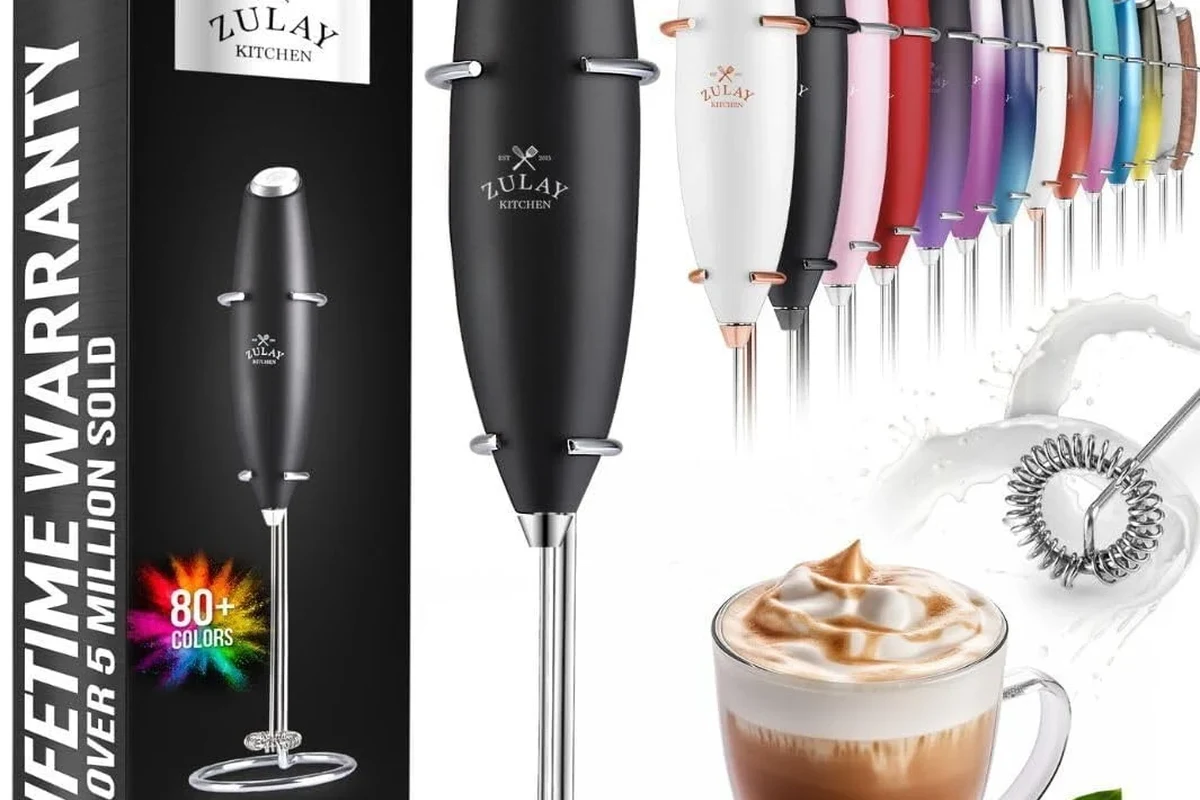
The fastest fix is to check the milk first, then clean the whisk and jug. If the frother still spins poorly or heats badly, the problem may be with the motor, lid, or internal wear.
What usually causes weak or no foam
Most frothing problems come from one of these issues:
- Milk with too little protein or fat.
- Too much or too little milk in the jug.
- A whisk blocked by dried milk or scale.
- Milk that is too old, too warm, or not fresh enough.
- A lid that does not sit right.
- A motor that is weak or failing.
In short: the frother is often fine, but one small setup issue stops the foam.
When the frother is broken vs. when the milk is the issue
Try a different milk first. If one milk froths well and another does not, the appliance is probably working.
If every milk fails, even after cleaning, the frother may have a real fault. That can include a worn whisk, poor contact, or a heating problem.
Stop using the frother if you smell burning, see damage, or notice loose electrical parts. Follow the manual and avoid opening the base or motor housing.
How an Electric Milk Frother Works

An electric milk frother uses a small whisk, a spinning disk, or steam to add air to milk. Some models also warm the milk at the same time.
Foam forms when air gets trapped in the milk proteins. That means the milk itself matters as much as the machine.
Heating and whisking basics
Whisking creates bubbles. Heating changes how those bubbles hold together. If the milk gets too hot, foam can break down fast.
That is why many frothers work best with cold milk and a clean whisk. The machine needs the right mix of motion and temperature.
Why milk type changes the foam
Different milks behave in different ways. Whole milk often makes richer foam. Skim milk can make lighter foam. Some plant milks froth well, but others stay thin.
Protein helps foam hold shape. Fat changes texture and taste. Sugar, oils, and thickeners can also change the result.
Cold milk often froths better than warm milk because it gives the whisk more time to build stable foam.
Common Reasons Your Frother Fails
Most frothing trouble comes from use, not a bad machine. The good news is that the fix is often simple.
Using the wrong milk
Some milks just do not froth well. Very low-protein milk can stay flat. Some plant milks need special barista blends to foam well.
If you want better results, start with whole milk or a barista-style oat milk. Then compare the foam.
Too much or too little milk in the jug
Fill level matters a lot. Too much milk leaves no room for air. Too little milk can make the whisk splash and miss the liquid.
Check the max and min marks on your model. Those marks vary by brand, so the manual matters here.
Cold, warm, or old milk problems
Fresh milk usually froths better than milk that has sat open too long. Old milk can taste flat and foam poorly. Very warm milk can also create weak foam.
For best results, use milk straight from the fridge unless your manual says otherwise.
Dirty whisk, scale buildup, or worn parts
Dried milk can coat the whisk and slow it down. Hard water can leave scale on the rod or inside the jug. Over time, the whisk can also wear out.
Even a small layer of residue can change the spin. That often leads to weak foam or no foam at all.
Power, lid, or motor issues
If the frother does not start, check the plug, cord, and outlet first. Some models will not run unless the lid is locked in place.
A weak motor can still spin, but not fast enough to froth well. If that happens often, the unit may be near the end of its life.
The frother spins, but the milk stays thin or watery.
Use cold fresh milk, clean the whisk, and stay within the fill marks.
How to Fix a Milk Frother That Won’t Froth
Start with the easy checks. You can often solve the problem without tools or repairs.
Quick checks you can do in minutes
Before you do anything else, check the basics:
- Make sure the jug is seated the right way.
- Confirm the lid is closed fully.
- Check the outlet and power cord.
- Use fresh cold milk.
- Stay within the fill line.
In short: most quick fixes take less time than making a coffee.
Step-by-step cleaning and reset tips
Let the unit cool before cleaning. Never clean a hot base or cord.
Clean the whisk, lid, and jug with warm soapy water if the manual allows it.
Use a soft sponge to lift dried milk. Avoid harsh pads that can scratch the coating.
Reassemble only when the parts are dry. Moisture can affect fit and performance.
If your model has a reset feature, use it only as the manual describes. Do not force switches or bypass safety parts.
How to test the whisk and heating function
Run a simple test with plain cold milk. Watch whether the whisk spins evenly and whether the milk warms at the right pace.
If the whisk turns slowly, stops, or makes odd noise, that points to a part problem. If the whisk works but the milk never warms, the heating side may need service.
Mild dish soap
Soft sponge
Clean towel
Best Milk, Settings, and Ingredients for Better Foam
The best foam starts with the right milk and a simple setup. Small changes can make a big difference.
Whole milk vs. skim vs. plant-based milk
Whole milk usually gives a creamy, stable foam. Skim milk can create a lighter, bigger foam, but the texture feels less rich.
Plant-based milk varies more. Oat milk often works well, while some almond or soy drinks can be thin. Barista versions often froth better because they are made for foam.
| Milk type | Foam result | Best use |
|---|---|---|
| Whole milk | Rich and creamy | Lattes and cappuccino-style drinks |
| Skim milk | Lighter and airy | Big foam with less richness |
| Barista plant milk | More stable than standard plant milk | Dairy-free drinks |
Best temperature and fill level
Most frothers work best with cold milk and the right fill level. Too much milk leaves no room for foam. Too little milk can make the whisk miss the liquid.
Follow the marks on your own model. That is the safest way to get repeatable results.
Add-ins that can hurt foam quality
Heavy syrups, oils, and some powders can weaken foam. They can also coat the whisk and make cleaning harder.
If you want flavor, add it after frothing when possible. That keeps the foam cleaner and more stable.
Plant milks, sweeteners, and flavor syrups vary a lot by brand. A milk that froths well in one frother may fail in another.
Cleaning and Maintenance That Prevent Future Problems
A clean frother works better and lasts longer. Regular care also helps you spot wear before it becomes a bigger issue.
Daily cleaning habits
Rinse the jug and whisk right after use if your manual allows it. Milk dries fast, and dried milk is harder to remove later.
Wipe the base dry. Keep water away from any electrical parts.
Rinse or wash removable parts, then dry them fully.
Check the whisk, lid, and jug for residue or damage.
Look for scale, loose parts, or worn pieces that need replacement.
Deep cleaning for scale and residue
Hard water can leave mineral scale inside the jug. That can affect spin and heat. Some models can handle a mild descaling routine, but not all can.
Use only the method your manual recommends. Never use harsh cleaners unless the maker says they are safe.
How to care for the whisk and nonstick coating
Use soft tools on coated surfaces. Metal scrubbers can scratch the jug and shorten its life.
If the whisk looks bent, loose, or dull, replace it if the model allows that. A worn whisk often causes weak foam even when the motor still runs.
- Clean right after use.
- Use soft sponges and mild soap.
- Check the manual for descaling steps.
- Do not soak the electrical base.
- Do not use metal scrub pads.
- Do not run the frother with damaged parts.
When to Repair, Replace, or Upgrade Your Frother
Some problems are worth fixing. Others mean it’s time to move on.
Signs it’s worth fixing
Cleaning and a whisk check make sense if the frother still powers on and the motor sounds normal. Loose residue, poor milk choice, and bad fill level are all easy fixes.
If the unit is still under warranty, check the terms before doing anything else.
Signs it’s time for a new model
If the motor struggles, the whisk keeps failing, or the heating stops working, replacement may be smarter. That is especially true if parts are hard to find.
Frequent leaks, cracks, or burned smells are also strong signs to stop using it.
What specs matter most when buying a replacement
Look for the features that fit your habits, not just the flashiest design. Cleaning ease matters more than extra modes for many homes.
- Check capacity and footprint.
- Review cleaning steps and removable parts.
- Confirm warranty terms and spare part support.
- Read the manual for milk and fill limits.
- Look for clear safety shutoff features.
Final Recommendation: What Red Kitchen Project Suggests
If your electric milk frother is not frothing, start with milk choice, fill level, and cleaning. Those three issues solve a lot of real-world problems.
If the frother still fails after that, the whisk, motor, or heating system may be worn. At that point, repair or replacement depends on the model, warranty, and part availability.
Best next step based on your frothing problem
If the frother spins but foam is weak, change the milk and clean the whisk. If it does not spin or heat at all, check power, lid fit, and the manual first.
If you see damage, burning smells, or repeated failure, stop using it and replace it.
Simple buying and care advice for long-term results
For the best long-term results, choose a frother that is easy to clean and has clear fill marks. Keep it dry, clean it often, and use milk that suits the model.
That simple routine usually does more than any fancy setting. In short, good froth comes from a clean machine, the right milk, and careful use.
Most frothing problems come from milk choice, fill level, or buildup on the whisk. If those checks do not help, the frother may need repair or replacement, especially when the motor or heat function starts to fail.
Frequently Asked Questions
The most common causes are the wrong milk, the wrong fill level, or a dirty whisk. Check those first before assuming the frother is broken.
Yes, older milk can foam poorly and taste flat. Fresh cold milk usually gives better results.
Wash the whisk and removable parts after use, then dry them fully. If your manual allows it, do a deeper clean for milk residue or scale.
Whole milk often makes rich foam, while skim milk makes lighter foam. Barista-style plant milks often work better than standard plant milks.
Stop using it if you smell burning, see cracked parts, or notice electrical damage. Follow the manual and replace or service the unit if it keeps failing.
No, models vary in whisk design, heating, capacity, and foam style. Always check the manual for milk type, fill lines, and cleaning steps.