How to Cook Pasta in a Slow Cooker for Easy Dinners

Yes, you can cook pasta in a slow cooker, and it works best for saucy meals. Add the pasta near the end and check it early so it does not turn mushy.
Cooking pasta in a slow cooker can work well for easy dinners. The short answer is simple. Use enough liquid, add the right pasta shape near the end, and stop cooking when it’s just tender.
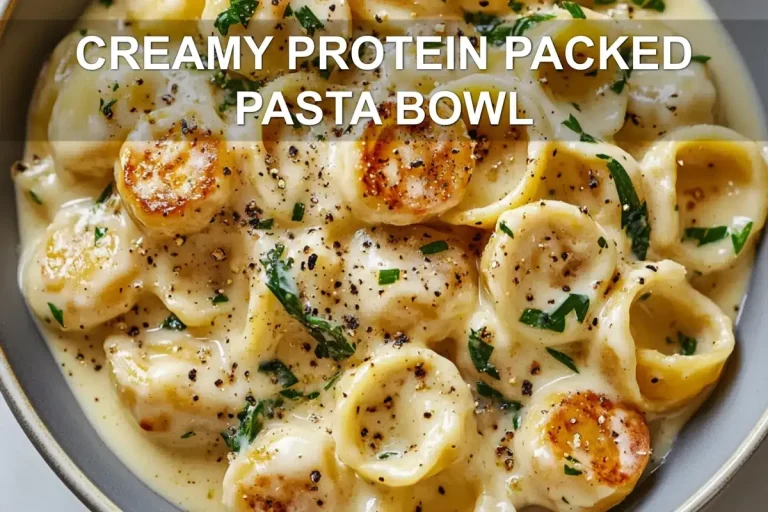
This method is best for saucy meals like baked ziti, mac and cheese, and pasta with meat sauce. It’s less ideal for delicate noodles or any dish that needs exact timing.
- Add late: Pasta should go in near the end of cooking.
- Use sturdy shapes: Penne, rotini, ziti, and shells hold up best.
- Keep it saucy: Enough liquid helps the pasta cook evenly.
- Check early: Slow cookers vary, so doneness can change fast.
How to Cook Pasta in a Slow Cooker: The Short Answer
If you want the fastest answer, here it is. Build your sauce and other ingredients first, then add pasta late in the cook time. Stir it well, keep the lid on, and check it often near the end.
Most slow cooker pasta turns out best when the pasta cooks in sauce, not plain water. That helps the noodles soak up flavor and keeps dinner simple.
Think of the slow cooker as a sauce maker first. Add pasta only when the sauce is hot and the rest of the dish is close to done.
Why Slow Cooker Pasta Works for Busy Weeknights
This method saves active time. You can load the cooker in the morning or early afternoon, then finish the pasta later with little effort.
It also helps when you want one-pot cooking. Fewer pans mean less cleanup, which is a big win on a packed weeknight.
Best Times to Use This Method
Slow cooker pasta works well when the sauce needs a long simmer. Tomato sauce, meat sauce, and creamy baked-style dishes are good examples.
It also helps when you want to serve a crowd. The cooker can hold a warm, saucy dish until dinner time.
Slow cooker results vary by model, batch size, and lid fit. Older units may run hotter or cooler than newer ones.
When Stovetop Pasta Is Still Better
The stovetop is better when you want firm, exact pasta. It’s also better for thin noodles, quick lunches, and simple pasta with butter or oil.
If you need tight control, boil pasta the old-fashioned way. It gives you more control over texture.
What You Need Before You Start
You do not need many tools. You need a slow cooker, pasta, sauce, liquid, and any add-ins you plan to use.
Best Pasta Shapes for Slow Cooking
Short, sturdy pasta shapes usually do best. Think penne, rotini, rigatoni, ziti, shells, and elbows.
These shapes hold up better in sauce and are less likely to break apart. Long, thin pasta can turn soft fast.
Use short pasta that can handle long, wet cooking.
Cook them on the stovetop and add them at the end.
Liquid, Sauce, and Add-In Basics
Slow cooker pasta needs enough liquid to keep the noodles from drying out. Sauce, broth, water, or a mix can work.
Start with a sauce that already has some moisture. If the sauce looks very thick, add a little extra liquid before cooking the pasta.
Step-by-Step Method for Cooking Pasta in a Slow Cooker
The basic method is easy to follow. Cook the sauce first, then add the pasta near the end and stir well.
Add sauce, seasonings, and any meat or vegetables that need longer cooking.
Let the base cook until the flavors blend and the ingredients are hot.
Stir in the pasta with enough liquid to coat it well.
Stir once or twice and test for doneness before it gets too soft.
How to Layer Ingredients the Right Way
Put the sauce and heavier ingredients on the bottom. That helps the dish heat evenly and keeps pasta from sticking right away.
If you use meat or vegetables, make sure they are safe for the full cook time. Softer ingredients can go in later.
- Start with sauce and long-cooking ingredients
- Stir pasta in near the end
- Check texture before serving
- Adding pasta at the start
- Using too little sauce
- Walking away after the pasta goes in
When to Add Pasta So It Does Not Turn Mushy
Add the pasta late. That is the biggest rule. In many recipes, the pasta only needs the last 20 to 40 minutes.
The exact time depends on the shape, the liquid, and your cooker. Start checking early, because pasta can move from firm to mushy fast.
- Stir after adding pasta to prevent clumps.
- Add a splash of liquid if the sauce gets too thick.
- Test one piece before serving the whole batch.
Common Mistakes and How to Avoid Them
Most slow cooker pasta problems come from too much liquid, too much time, or the wrong noodle shape. The good news is that all three are easy to fix.
Too Much Liquid
Too much liquid can make the dish watery. It can also leave the pasta bland.
Use enough to keep things saucy, but not soupy. If the dish looks thin, leave the lid off for a short time after cooking.
Overcooking the Pasta
Overcooked pasta gets soft and breaks apart. This is the most common mistake with this method.
Add pasta late and check it early. If your cooker runs hot, it may need less time than a recipe says.
The pasta comes out soft and broken.
Add the pasta later next time and test it sooner.
Using the Wrong Pasta Shape
Very thin pasta often gets too soft. It can also clump together in the sauce.
Stick with sturdy shapes for the best result. Save angel hair and similar pasta for quicker cooking methods.
Safety Tips, Cleanup, and Easy Maintenance
Slow cooker pasta is simple, but safety still matters. Follow the manual for your model, especially for fill lines and heat settings.
Do not use a damaged slow cooker. Stop using it if the cord, plug, insert, or lid looks cracked or worn.
Food Safety for Dairy, Meat, and Long Cook Times
Be careful with dairy and meat. Some dairy can split if it cooks too long, and meat needs safe handling before it goes into the cooker.
If your recipe uses cream, milk, or cheese, add it near the end when possible. For raw meat, follow safe cooking guidance and make sure it reaches a safe temperature.
Follow the appliance manual and stop using damaged equipment.
How to Clean the Slow Cooker After Pasta
Let the insert cool before washing it. Sudden temperature changes can damage some ceramic inserts.
Soak stuck-on starch with warm water and a little soap. A soft sponge usually works better than a rough scrub pad.
Soak the insert, wash with mild soap, and dry fully.
Check the cord, lid, insert, and outer base for wear.
Cost, Convenience, and When This Method Is Worth It
This method is worth it when you want less hands-on cooking. It can save time on busy days and still give you a filling dinner.
It also helps stretch pantry staples. Pasta, sauce, and a few add-ins can make a full meal without much effort.
That said, it is not always the best choice. If you care most about perfect texture, the stovetop still wins.
So the real question is not whether slow cooker pasta works. It does. The question is whether you want convenience more than precision.
Final Verdict: Is Slow Cooker Pasta a Good Choice for Easy Dinners?
Yes, slow cooker pasta can be a smart choice for easy dinners. It works best for saucy recipes, sturdy pasta shapes, and nights when convenience matters most.
If you follow one rule, make it this one: add the pasta late. That simple step keeps the texture much closer to what you want and helps dinner turn out better.
Slow cooker pasta is a good weeknight option when you want low effort and a saucy meal. Choose the stovetop instead if you need exact texture or are using delicate noodles.
- Use sturdy pasta shapes for better texture.
- Add pasta near the end, not at the start.
- Keep enough sauce in the cooker.
- Check doneness early and often.
- Follow the manual and food safety basics.
Frequently Asked Questions
It varies by pasta shape, liquid, and cooker model. In many recipes, pasta only needs the last 20 to 40 minutes.
Short, sturdy shapes like penne, rotini, rigatoni, ziti, shells, and elbows usually work best. Thin pasta can get soft too fast.
Yes, if the sauce has enough moisture to cook the pasta. If the sauce is very thick, add a little liquid so the noodles can soften evenly.
Add the pasta near the end and check it early. Stir it well and stop cooking when it is just tender.
Yes, but it is often best to add it near the end. Long cooking can make some dairy split or change texture.
Cool leftovers quickly, then refrigerate them in a covered container. Reheat gently with a splash of water or sauce so the pasta does not dry out.