Are Coffee Mugs Allowed in Carry On Luggage Explained

Yes, most coffee mugs are allowed in carry on luggage if they’re empty and clean. Pack them well, because liquid and breakage are the real problems.
Yes, most coffee mugs are allowed in carry on luggage if they are empty and clean. The main issues are liquid, breakage, and airline size limits.
- Empty is fine: A clean, empty mug is usually allowed in carry on bags.
- Liquid causes trouble: Coffee, water, or residue can trigger screening issues.
- Packing matters: Wrap fragile mugs in soft items and place them in the center.
- Travel mugs win: Sturdy insulated mugs work better for frequent flyers.
Are Coffee Mugs Allowed in Carry On Luggage? The Short Answer
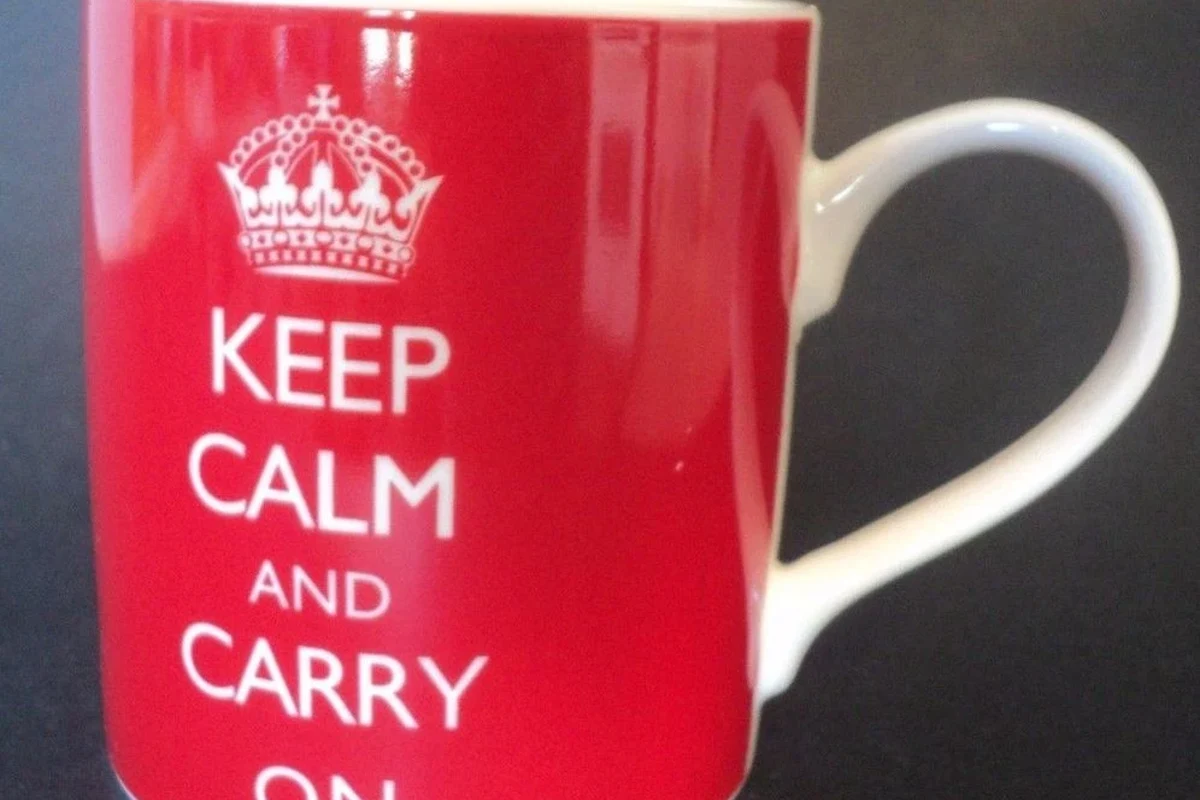
In most cases, yes. A standard coffee mug can usually go in your carry on bag.
The key rule is simple. The mug should not hold liquid, coffee, or other banned items at screening.
If the mug is empty, TSA and most airlines usually allow it. Still, the final call can depend on the airport officer and the airline rules.
What TSA and airline rules usually allow
Airport security normally cares about what is inside the mug, not the mug itself. An empty ceramic mug, metal mug, or travel mug is usually fine.
Airlines can still set their own bag size and weight rules. So a mug may be allowed, but your bag may still be too full or too large.
Rules can vary by country and airline. Always check your carrier’s carry on policy before you fly.
When a coffee mug becomes a problem
A mug can cause trouble if it still has liquid inside. Even a small amount of coffee can trigger a screening issue.
Broken handles, sharp chips, or loose parts can also create problems. Very large mugs may not fit safely in an overhead bag.
How Carry On Rules Work for Coffee Mugs
Carry on rules focus on safety and screening speed. That means the mug’s contents matter more than the mug itself.
Empty mugs versus mugs with liquid inside
An empty mug is usually easy to carry. It does not count as a liquid item.
A mug with coffee, tea, soup, or water inside is different. That liquid must follow airport liquid rules, which often means it cannot pass through security.
Many travel problems happen because a mug looks empty, but a little liquid stays at the bottom.
Why shape, size, and material matter
Shape matters because bulky mugs take up space fast. A wide mug can crowd clothes and make your bag hard to zip.
Material matters because some mugs chip or dent more easily. That changes how you should pack them.
What changes for ceramic, glass, metal, and travel mugs
Ceramic mugs are common, but they can break if they knock against hard items. Glass mugs need even more care.
Metal mugs and insulated travel mugs are often tougher. They are usually the best choice for frequent flyers.
Best Ways to Pack a Coffee Mug in a Carry On
Good packing makes the difference between a safe trip and a cracked mug. A little care goes a long way.
Simple packing steps that help prevent damage
Remove all liquid, coffee grounds, and residue before packing.
Use a shirt, scarf, or towel to cushion the mug.
Put it where hard pressure and impact are less likely.
How to wrap a mug with clothes or soft items
Clothes work well because they add padding without using extra space. A thick T-shirt or sweater can protect the mug from bumps.
For fragile mugs, wrap the handle too. That small step can help prevent chips and cracks.
When to place the mug in the center of your bag
The center of your bag is often the safest place. It keeps the mug away from zippers, corners, and hard outer walls.
Try to surround it with soft items on every side. That helps absorb shock if the bag gets dropped.
- Use socks or shirts to fill empty space around the mug.
- Keep the mug away from chargers, keys, and other hard items.
- Pack fragile mugs in checked luggage if you can’t cushion them well.
Common Mistakes Travelers Make
Most mug problems are easy to avoid. The trouble usually comes from rushing before a flight.
Leaving liquid or coffee grounds inside the mug
This is the biggest mistake. Even a small sip left behind can slow down screening.
Coffee grounds can also make the mug look dirty or suspicious during inspection. Clean it out first.
Packing a fragile mug with no padding
A mug rolling around in your bag can crack fast. Handles break first in many cases.
If the mug matters to you, do not leave it loose. Wrap it and lock it in place.
Forgetting airline size and weight limits
Some travelers focus only on TSA rules. That is not enough.
Your airline may limit bag size or weight. A bulky mug can make a small carry on harder to fit.
If a mug is cracked, chipped, or has a loose lid, replace it before travel. Damaged items can break more easily in transit.
Travel Mug Options and What to Look For
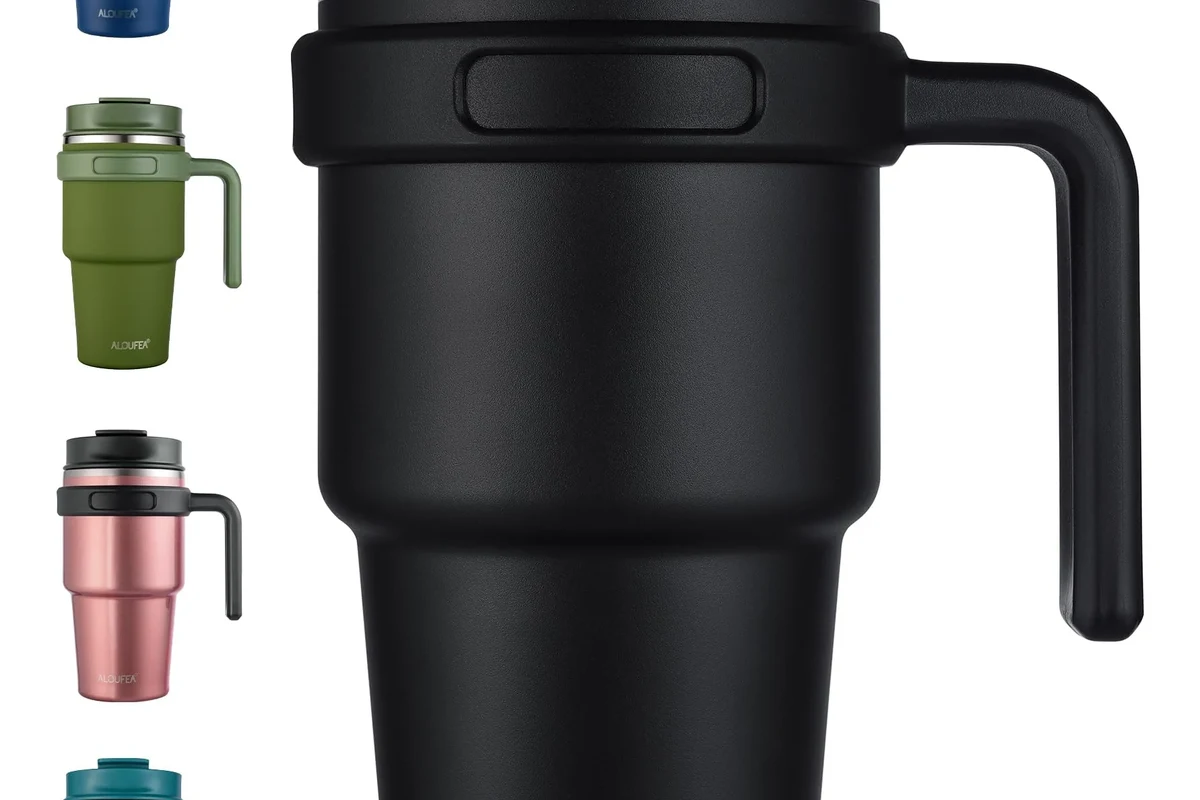
If you fly often, a travel mug is usually the smarter choice. It is built for movement and rough handling.
Best features for airport travel and daily use
Helps prevent spills in your bag and at security.
Metal or reinforced builds handle bumps better.
Simple parts make it easier to wash before travel.
Useful when you carry the mug through a busy airport.
Leak proof lids, insulation, and durability
A good lid matters if you plan to fill the mug after security. Look for a lid that closes well and opens easily.
Insulation helps keep drinks hot or cold longer. Durability matters if the mug will live in a backpack, car, or suitcase.
Which mug types are best for different travelers
A simple empty mug works if you pack it carefully.
A sturdy insulated travel mug is usually the better pick.
Use extra padding or ship it if the mug is fragile.
Safety, Cleaning, and Airport Screening Tips
Clean mugs move through security faster. They also smell better and pack more safely.
How security officers may inspect your mug
Security may ask you to remove the mug from your bag. They may look inside it or swab it.
That does not mean you did anything wrong. It just means they need a closer look.
How to clean a mug before and after travel
Wash, rinse, and dry the mug fully so no residue remains.
Wash it again, especially if it touched bag dust or food crumbs.
What to do if your mug has metal parts or a sealed lid
Metal parts are usually fine, but they can make the mug harder to inspect. A sealed lid may also hide residue.
If the lid comes apart, clean each piece before packing. If it does not, make sure the whole mug is empty and dry.
Do not pack a mug that still holds hot liquid. It can spill, burn you, or damage other items.
Cost, Value, and Final Recommendation
Bringing your own mug can save money and cut waste. It also gives you a familiar cup for coffee on the road.
When it makes sense to bring your own mug
Bring your own mug if it is light, sturdy, and easy to clean. That works well for short trips and repeat travel.
It also makes sense if you use the mug every day at your destination. A familiar mug can make hotel mornings easier.
When buying a travel mug is the smarter choice
Buy a travel mug if you fly often or carry drinks on the go. It is usually safer than packing a fragile home mug.
Choose a travel mug if you want fewer spills and less wrapping. That simple upgrade can save time at the airport.
Sturdy insulated travel mug
This is the best all-around option for most travelers. It is easier to pack, less likely to break, and better for hot drinks after security. The main trade-off is that some lids need more cleaning than a plain mug.
Final verdict for travelers in 2026
Yes, coffee mugs are usually allowed in carry on luggage when they are empty and packed with care. If you travel often, a travel mug is the better long-term choice.
For fragile mugs, pack them well or move them to checked luggage. And always check your airline rules before you head to the airport.
- Empty coffee mugs are usually allowed in carry on bags.
- Liquid, residue, and fragile packing are the main problems.
- Travel mugs are the safest choice for frequent flyers.
- Check airline size rules and clean the mug before packing.
Frequently Asked Questions
Yes, empty coffee mugs are usually allowed in carry on luggage. The main issue is whether the mug contains liquid or other restricted items.
Usually no, not if it still has liquid inside. Airport liquid rules often apply, so it is best to empty the mug before screening.
Wrap the mug in soft clothing and place it in the center of your bag. Keep hard items away from it so it does not crack.
Yes, travel mugs are usually better because they are tougher and less likely to spill. They also handle airport movement and bag pressure more safely.
They might, especially if the mug looks sealed or could hide liquid. If that happens, they may ask you to remove it or open it for inspection.
Yes, because airlines can have their own size and weight limits for carry on bags. A mug may be allowed, but your bag still has to fit the airline rules.