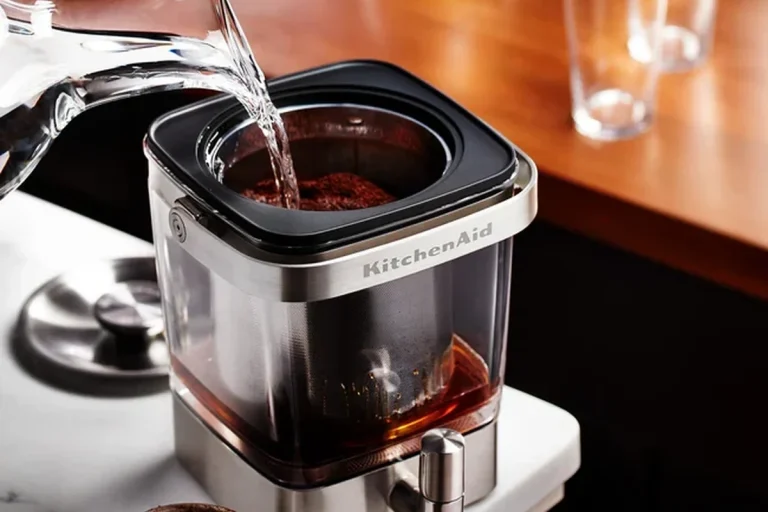
Is a French Press Coffee Maker Good for Great Coffee

Yes, a French press coffee maker is good for rich, simple coffee at home. It is less ideal if you want a very clean cup or the easiest cleanup.
Yes, a French press coffee maker can be a very good choice for rich, full coffee. It works best if you like bold flavor, simple steps, and low-cost brewing at home.
- Rich flavor: French press coffee tastes fuller and more bold.
- Simple use: You only need grounds, hot water, and a press.
- Best for some homes: It fits small kitchens and easy routines well.
- Know the trade-offs: Expect more sediment and a bit more cleanup.
Is a French Press Coffee Maker Good? Quick Answer for Coffee Lovers

A French press is good for many coffee drinkers, but not all of them. It shines when you want strong taste, a hands-on brew, and no paper filter.
It may not be the best pick if you want the cleanest cup, the fastest cleanup, or the most precise control. Still, for many kitchens, it offers a great mix of flavor and value.
A French press is a smart choice if you want rich coffee and simple brewing. It is less ideal if you prefer a very clear cup or want ultra-easy cleanup.
How a French Press Works and Why It Changes the Flavor

A French press brews coffee by soaking grounds in hot water. Then you press a mesh filter down to separate the liquid from the grounds.
That simple method changes the taste. Because the coffee stays in contact with water longer, it often tastes fuller and more intense.
The basic brewing process
The process is easy to learn. Add coarse coffee grounds, pour in hot water, wait a few minutes, then press the plunger down slowly.
There is no paper filter in most French presses. That means more coffee oils stay in the cup, which can boost body and flavor.
Mesh filters let more fine particles and oils pass through than paper filters do.
What makes French press coffee taste richer
The richer taste comes from immersion brewing. The grounds sit in water instead of dripping through fast.
That can bring out heavier notes and a thicker feel. Many people like it for dark roasts, medium roasts, and coffee with chocolate or nutty tones.
Who a French Press Coffee Maker Is Best For
A French press works well for people who want easy brewing with little gear. It also fits home cooks who like a calm morning routine.
It is not just for coffee fans with big kitchens. Many models take up little space and store easily in a cabinet.
Best for bold taste and simple brewing
If you like strong, rich coffee, this brewer makes sense. You do not need pods, filters, or a complex machine.
It also works well for people who enjoy control over grind size, steep time, and water temperature.
- Rich taste with more body
- Simple setup with few parts
- No paper filters needed
- Good for single cups or shared pots
Best for home use, travel, and small kitchens
French presses are useful in small kitchens because they do not need much counter space. Some people also pack them for travel, if the model is sturdy enough.
That said, glass models need more care. Metal models often suit travel or busy homes better.
Best for limited counter space and simple storage.
Best for households that brew several cups at once.
French Press Benefits and Limits You Should Know
Like any brewer, a French press has clear strengths and real trade-offs. Knowing both helps you avoid regret after buying.
Main benefits of using a French press
The biggest benefit is flavor. Many people find French press coffee richer than drip coffee.
It is also easy to use. You only need coffee, hot water, and a press.
- Strong, full flavor
- Simple brewing steps
- Low ongoing cost
- Works without paper filters
- Can leave fine grounds in the cup
- Needs careful cleaning
- Glass models can break
- Steep time takes a few minutes
Common limits and trade-offs
The main downside is sediment. Some fine grounds can slip through the mesh filter.
It also takes more attention than a drip machine. If you forget the steep time, the coffee can taste too bitter or too weak.
Flavor, sediment, and brew strength can vary by grind size, roast, water temp, and steep time.
What to Look For Before You Buy One in 2026
The best French press for you depends on how you brew at home. Size, material, and cleanup matter more than fancy extras.
Size, material, and filter type
Start with size. A small household may want a compact press, while bigger homes may want a larger one.
Then look at material. Glass shows the brew, stainless steel often keeps heat better, and plastic can feel lighter.
- Choose a size that matches your daily coffee habits
- Check whether you want glass, steel, or another material
- Review the filter design and replacement part access
- Read the cleaning and care notes in the manual
Heat retention, durability, and ease of cleaning
Heat retention matters if you like to sip slowly. Stainless steel often holds warmth better than glass, though model design varies.
Durability matters too. If you want fewer break risks, a metal body can be a safer fit for a busy kitchen.
- Pick a press with easy-to-remove parts.
- Look for a mesh filter that feels sturdy.
- Check if replacement parts are easy to find.
- Make sure the handle feels secure when full.
How to Brew Better Coffee in a French Press
Good French press coffee depends on a few simple details. Small changes can make a big difference in taste.
Grind size, water temp, and steep time
Use a coarse grind. Fine grounds can slip through the filter and make the cup muddy.
Use hot water, not boiling water. Very hot water can pull out harsh flavors too fast.
Steep time varies by recipe and bean type, but a few minutes is common. Follow the brewer guide if your model includes one.
Simple mistakes that hurt flavor
One common mistake is using coffee that is ground too fine. That often leads to sludge and bitterness.
Another mistake is pressing too hard or too fast. Slow, steady pressure works better and helps avoid spills.
- Use coarse grounds for a cleaner cup
- Press the plunger slowly and evenly
- Follow the brew steps in the manual
- Using fine espresso-style grounds
- Forcing the plunger down fast
- Leaving coffee in the press too long
Cleaning, Safety, and Daily Maintenance
Cleaning a French press is usually simple, but it helps to do it right. A little care keeps the coffee tasting better and the parts working well.
How to clean a French press the easy way
Empty the grounds after each use. Rinse the carafe, plunger, and filter parts with warm water.
Wash the parts with mild soap when needed. Some models have dishwasher-safe parts, but always check the manual first.
Remove grounds, rinse parts, and let them dry fully.
Check the mesh filter, seals, and plunger fit for wear.
Safety tips for hot water, glass, and metal parts
Hot water can burn you fast. Pour carefully and keep the press on a stable surface.
If you use glass, handle it gently and stop using it if you see cracks. If you use metal, check for loose parts or sharp edges.
Stop using any French press with cracks, loose parts, or damaged seals. Follow the maker’s care guide and replace worn parts as needed.
Is a French Press Coffee Maker Good for the Price? Final Verdict
For many people, yes. A French press can be a strong value because it offers good flavor without a costly machine.
The real value comes from simple use, low upkeep, and the kind of coffee it makes. If that matches your taste, it is a smart buy.
Best value picks by user type
For a small kitchen, a compact press makes the most sense. It saves space and still gives you a rich cup.
For a busy home, a sturdier metal press may be the better value. It often handles daily use and travel better than glass.
Choose a French press for richer coffee and simple brewing.
Choose a drip machine or pod brewer instead.
Choose a compact French press or a small drip model.
When to choose a French press and when to skip it
Choose a French press if you care most about taste, price, and a simple routine. It is a good fit for many home coffee drinkers.
Skip it if you want a very clear cup with almost no sediment. You may also prefer another brewer if you want the easiest possible cleanup.
A French press coffee maker is good for rich, simple, low-cost brewing. It is best for people who value bold flavor and do not mind a little cleanup.
- French press coffee tastes rich and full.
- It works best with coarse grounds and careful steeping.
- It is a strong value for many home kitchens.
- It is less ideal if you want a very clean cup.
Frequently Asked Questions
A coarse grind works best for most French presses. Fine grounds can slip through the mesh and make the cup gritty.
The right ratio can vary by bean, size, and taste. Start with the brewer guide or your usual coffee ratio, then adjust for strength.
Use hot water, but not a hard boil. Very hot water can pull harsh flavors from the grounds.
Use coarse grounds, press slowly, and clean the filter well. A fresh grind and careful pouring also help.
Rinse it after each use and wash it more deeply when needed. Check the manual for dishwasher-safe parts and care steps.
Glass lets you see the brew, while stainless steel often feels tougher and may hold heat better. The better choice depends on your kitchen, travel needs, and cleanup habits.