Can You Make Cold Brew in a Coffee Maker at Home

Yes, you can make cold brew in a coffee maker, but a drip machine is only a workaround. The best results come from a coarse grind, long steep time, and careful filtering.
Yes, you can make cold brew in a coffee maker at home. A regular drip coffee maker is not a true cold brew brewer, but it can still help you make a cold, smooth coffee concentrate with the right setup.
The trick is to treat it like a steeping tool, not a hot-brew machine. Use cold water, the right grind, and enough time in the fridge. In short: it works, but the result depends on your method.
- Best answer: A drip coffee maker can help, but it is not a true cold brew.
- Flavor tip: Use coarse grounds for a smoother, cleaner cup.
- Cleanup tip: Filter well and wash removable parts right away.
- Value tip: This method saves money if you already own the machine.
- Upgrade point: Buy a dedicated cold brew maker for frequent use and easier consistency.
Can You Make Cold Brew in a Coffee Maker? The Short Answer

Cold brew uses time, not heat, to pull flavor from coffee grounds. That is why it tastes softer and less sharp than hot coffee poured over ice.
A drip coffee maker normally heats water and runs it through grounds fast. That makes regular coffee, not cold brew. So the machine itself is not the same as a cold brew brewer.
What cold brew is and how it differs from iced coffee
Cold brew starts with cold or room-temperature water. The coffee steeps for many hours, often in the fridge or on the counter.
Iced coffee is usually hot brewed coffee that gets cooled down with ice. That gives a brighter, more acidic taste. Cold brew usually tastes smoother and less bitter.
Cold brew often tastes less acidic because it skips hot water during brewing.
Why a regular coffee maker is not the same as a cold brew brewer
A standard coffee maker is built for hot water flow. It is made to brew quickly and then shut off.
A cold brew brewer is built for soaking grounds for a long time. Many also make straining easier, which helps reduce grit in the cup.
That difference matters. If you use a drip machine the wrong way, you may get weak coffee, muddy flavor, or a mess in the basket.
The best direct answer for home coffee drinkers
If you want true cold brew, a regular coffee maker is not the best tool. But if you want a simple home method, you can still use one with a few changes.
Think of it as a budget-friendly workaround. It can make a decent cold coffee concentrate, especially for casual drinkers.
How to Make Cold Brew With a Coffee Maker at Home
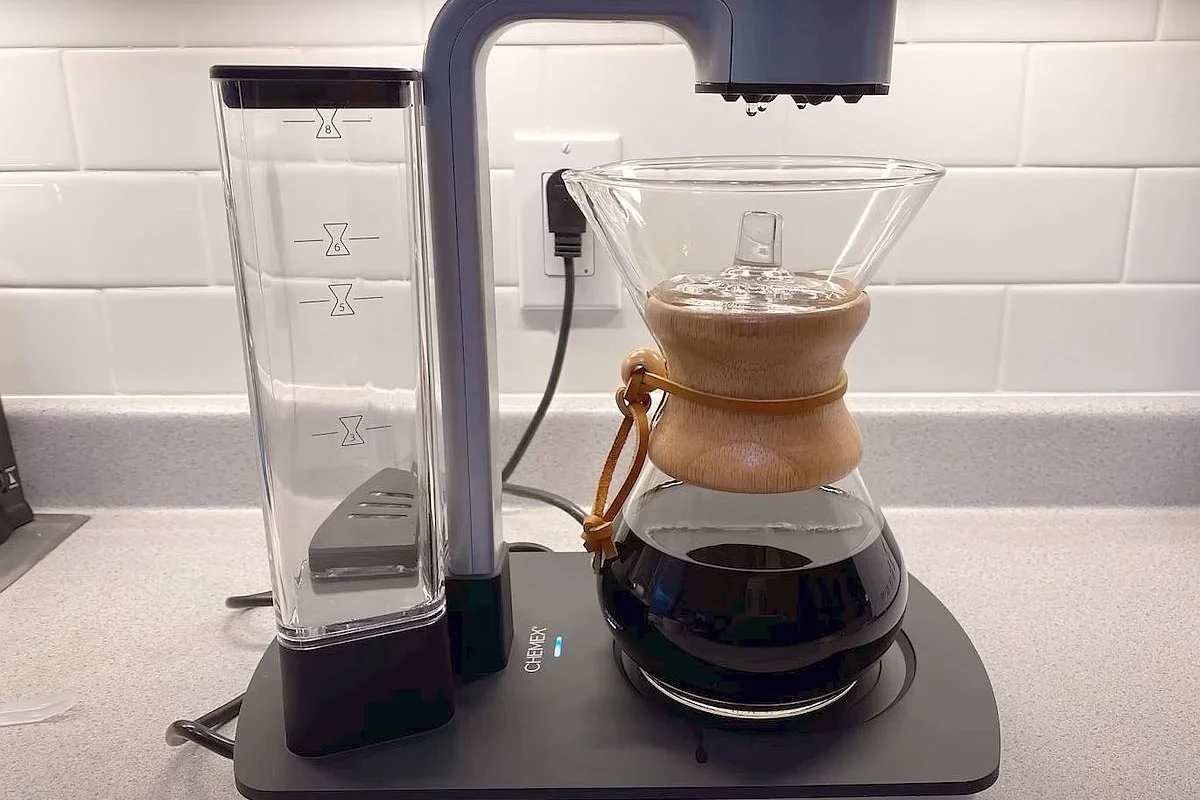
This method works best with a drip coffee maker that has a removable filter basket. It also helps if you can run the machine without forcing hot brewing water through the grounds.
Always check your manual first. Some models have parts that should not sit with water for long periods.
What kind of coffee maker can work for this method
A basic drip coffee maker can work if you use it as a steeping container or filter holder. A model with a glass carafe and removable basket is often easiest to manage.
Single-serve pod machines are not a good fit. They are not designed for this kind of brew.
Model design varies a lot. If your machine has special valves, sensors, or a sealed water path, skip this method.
Basic ingredients and tools you need
You do not need fancy gear to start. You just need clean tools and a way to strain the coffee well.
Step-by-step cold brew method using a drip coffee maker
Use a coarse grind and place it in the filter basket or a filter-lined insert.
Pour cold water over the grounds slowly so they soak evenly.
Let the coffee sit in the fridge or a cool spot for many hours.
Filter the liquid into a clean container, then refrigerate it right away.
This method is simple, but it needs patience. Don’t rush the steeping time if you want a smoother cup.
How long to steep for a smooth taste
Most home cold brew methods need several hours. A longer steep usually brings more body and stronger flavor.
If you stop too early, the coffee may taste thin. If you steep too long, it can taste heavy or flat.
- Start with a shorter steep if you like mild coffee.
- Try a longer steep if you want a stronger concentrate.
- Taste a small sample before diluting the full batch.
What You Need for Better Results
Cold brew is simple, but small choices make a big difference. Grind size, ratio, and filtration all shape the final cup.
Best coffee grind size for cold brew
Use a coarse grind. Fine grounds can make the brew cloudy and bitter.
Coarse grounds also filter more easily. That means less sludge in the bottom of the cup.
Water ratio and strength guide
The right ratio depends on how strong you want the drink. A stronger mix makes a concentrate you can dilute later.
A lighter mix works better if you want to drink it straight. If the first batch tastes too bold, add more water next time.
Best beans and roast levels for this method
Medium and dark roasts often work well for cold brew. They tend to give a fuller, rounder taste.
That said, lighter roasts can still work. They may taste brighter and more floral.
Choose beans you already enjoy hot. Cold brew does not hide bad coffee.
Filter tips for a cleaner cup
A paper filter gives you a cleaner drink. A mesh filter may let more oils and fine bits through.
If your brew tastes gritty, strain it again. A second filter pass can help a lot.
Do not use damaged filters or cracked glass parts. Stop using the machine if you see leaks, burning smells, or loose wiring.
Benefits and Limits of Making Cold Brew in a Coffee Maker
This method can be handy, but it is not perfect. It helps to know where it shines and where it falls short.
Why this method can save time and money
You may already own a coffee maker, so there is no need to buy another device. That makes this a low-cost way to try cold brew at home.
It also uses gear you already know how to clean. For many people, that makes the process less intimidating.
Where the flavor may fall short
A regular coffee maker is not built for long, even steeping. That can lead to uneven extraction.
The result may taste less rich than true cold brew from a dedicated brewer. Some batches also come out cloudy or a little weak.
- Uses gear you may already own
- Low setup cost
- Easy to try at home
- Flavor can be less even
- Filtering may take extra work
- Not ideal for every coffee maker
When a true cold brew maker is the better choice
Buy a dedicated cold brew maker if you make it often. It can save time and reduce mess.
It is also a better pick if you want more control over steeping and filtering. That matters when you want repeatable results.
Common Mistakes That Ruin Homemade Cold Brew
Most cold brew problems come from a few simple errors. The good news is that they are easy to fix.
Using the wrong grind
Fine coffee can make the brew muddy and hard to strain. It can also taste harsh.
Use a coarse grind instead. If you grind at home, stop before the beans turn powdery.
Brewing for too little or too long
Too little steep time gives weak coffee. Too much time can flatten the taste.
Start with a middle range, then adjust on your next batch. Small changes usually work best.
Using too much or too little coffee
Too much coffee can make the drink too strong or bitter. Too little coffee can make it taste watery.
Keep notes on your ratio. That makes it easier to repeat a batch you like.
Skipping proper filtering
Unfiltered cold brew often feels gritty. It may also leave more sludge in the bottom of the cup.
Use a clean paper filter or strain it twice. That usually gives a better drink.
Your cold brew tastes muddy or gritty.
Use a coarser grind and strain the coffee again through a clean filter.
Safety, Storage, and Cleaning Tips
Cold coffee still needs safe handling. Clean tools and cold storage matter just as much as flavor.
How to store cold brew safely in the fridge
Move the finished brew into a clean, covered container. Put it in the fridge as soon as you can.
Do not leave coffee sitting out for long periods. Warm rooms can speed up spoilage and stale flavors.
How long homemade cold brew lasts
Homemade cold brew usually tastes best soon after brewing. Exact storage time can vary by recipe, fridge temp, and cleanliness.
If it smells sour, looks cloudy in a bad way, or tastes off, throw it out. When in doubt, don’t drink it.
How to clean your coffee maker after brewing
Wash removable parts with warm, soapy water and dry them well.
Check for buildup, stains, and worn filters. Descale only as your manual allows.
Cleaning matters more with cold brew than many people think. Oils and fine grounds can cling to baskets and carafes.
How to avoid stale taste and buildup
Use fresh beans and clean water. Store the brew in a sealed container so it does not pick up fridge smells.
Rinse parts right after use. Old residue can make the next batch taste dull.
Follow the appliance manual and stop using damaged equipment.
Is It Worth It? Final Verdict for Home Brewers
Yes, making cold brew in a coffee maker can be worth it for the right person. It is a smart way to test the style without buying more gear.
Best for budget users and casual coffee drinkers
If you want an easy, low-cost method, this is a good place to start. It works best when you do not need perfect café-style results.
Best for people who want stronger flavor control
If you like to tweak grind, ratio, and steep time, this method gives you room to experiment. That is useful when you want a custom cup.
When to buy a dedicated cold brew coffee maker instead
Choose a dedicated brewer if you make cold brew often. It can improve consistency and make cleanup easier.
It is also the better choice if your current coffee maker does not suit long steeping. Some machines simply are not a good match.
Clear recommendation from Red Kitchen Project Editorial Team
Our editorial view is simple. You can make cold brew in a coffee maker, but the best results come from a coarse grind, careful filtering, and patience.
If you only want cold brew now and then, your regular machine may be enough. If cold brew is a weekly habit, a dedicated brewer is usually the smarter buy.
Use your coffee maker if you want a budget-friendly way to make smooth cold coffee at home. Choose a dedicated cold brew maker if you want easier cleanup, better consistency, and more control.
Frequently Asked Questions
Yes, you can use a regular drip coffee maker as a simple cold brew workaround. It is not the same as a true cold brew brewer, so results will vary by model and method.
A coarse grind works best for cold brew. Fine grounds can make the drink cloudy, gritty, and harder to filter.
Cold brew usually needs several hours to steep. The best time depends on your recipe, your coffee maker, and how strong you want the final drink.
Use a coarse grind, avoid over-steeping, and filter the coffee well. Fresh beans and clean tools also help keep the flavor smooth.
Store cold brew in a clean, covered container in the fridge. If it smells sour or tastes off, throw it out.
Buy a dedicated cold brew maker if you make it often or want easier cleanup and more consistent results. It is also a better choice if your current coffee maker does not handle long steeping well.