How to Make Pistachio Paste at Home Easily

Pistachio paste is easy to make at home with shelled pistachios, a food processor, and a little patience. Fresh nuts, slow blending, and careful storage give you the best result.
If you want a smooth, rich nut paste for pasta or desserts, pistachio paste is easy to make at home. The basic method uses pistachios, a little oil, and a food processor or blender.
- Best nuts: Fresh, unsalted pistachios give the cleanest flavor and texture.
- Simple method: Blend in short bursts and scrape the bowl often.
- Texture control: Add oil slowly only if the paste stays dry.
- Storage matters: Keep the paste sealed and refrigerated for freshness.
What Pistachio Paste Is and Why It Matters
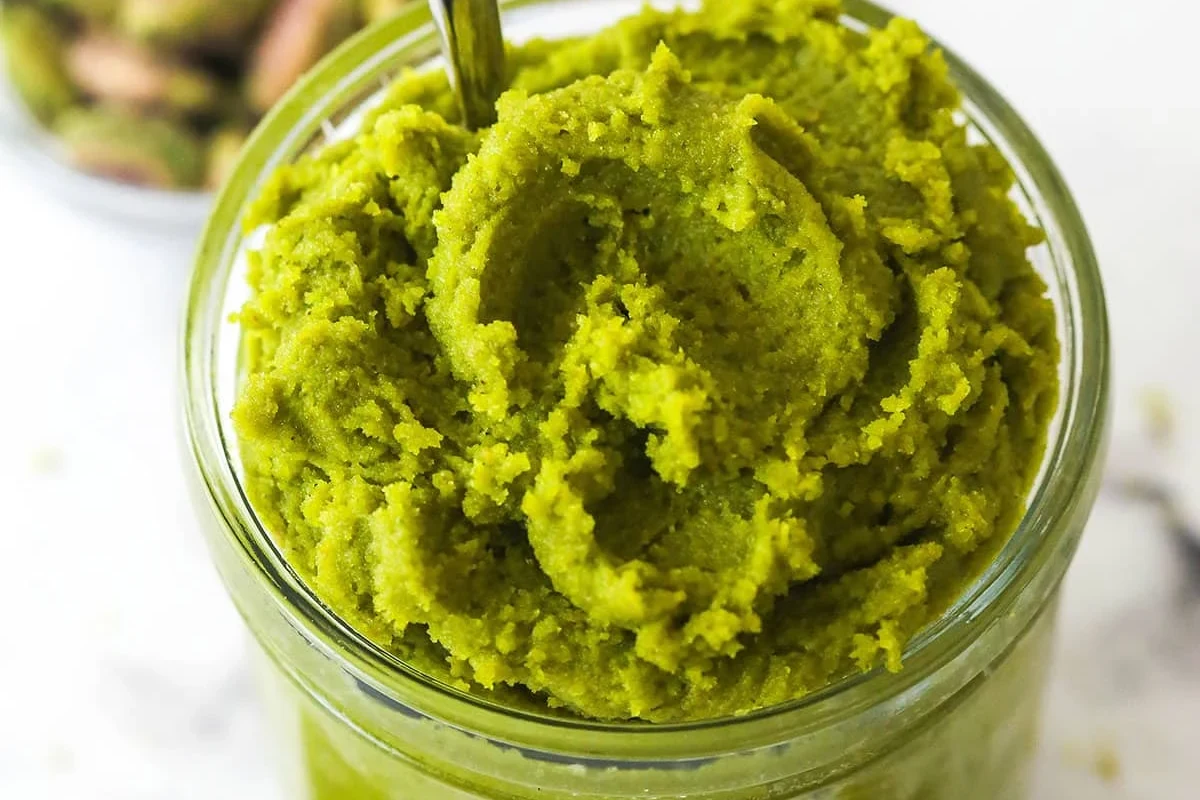
Pistachio paste is a thick blend of pistachios that turns into a smooth, spreadable base. It brings a deep nut flavor to sweet and savory dishes.
Home cooks like it because it gives you more control. You can make it sweeter, saltier, smoother, or more rustic, depending on the dish.
How pistachio paste differs from pistachio butter and cream
Pistachio paste is usually less sweet than pistachio cream. It also has a stronger nut taste and a thicker body.
Pistachio butter is often just nuts and oil. It can be more natural and less refined, while paste is often made finer for baking and sauces.
Some store products use sugar, milk powder, or added oils. Always check the label if you need a pure nut paste.
Why home-made paste works well for pasta and desserts
Fresh homemade paste tastes bright and full. It blends well into cream sauces, fillings, frostings, and cookie dough.
For pasta, it helps make a silky sauce with cheese, olive oil, cream, or pasta water. For desserts, it adds flavor without a lot of extra steps.
Pistachios have natural oils that help create a smooth paste without many extra ingredients.
How to Make Pistachio Paste at Home
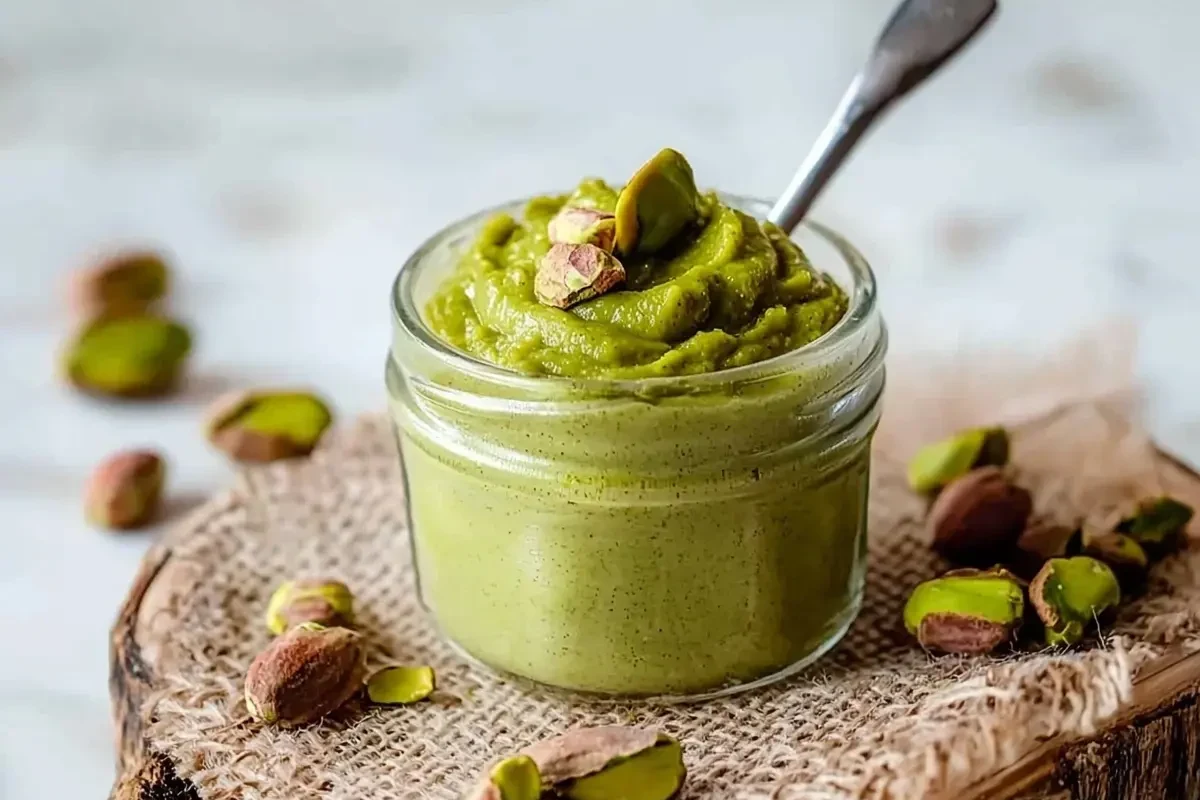
The process is simple. Toasting is optional, but it can deepen the flavor if you want a richer result.
Ingredients and simple tools you need
You only need a few basic items. The exact amount can change based on how much paste you want to make.
For a simple batch, start with about 2 cups shelled pistachios. Add 1 to 3 teaspoons oil only if needed.
You can also add a pinch of salt. If you want a sweeter paste, add a small amount of sugar or honey.
Use clean, dry tools and fresh nuts. Moisture can shorten shelf life and raise spoilage risk.
Step-by-step method for a smooth paste
Make the paste in short bursts. That helps prevent overheating and gives you more control over the texture.
Remove shells and any loose skins. If you want a lighter color, blanch and peel the nuts.
Pulse the pistachios until they look like fine crumbs. Stop and scrape the bowl often.
Run the machine longer until the nuts start to clump and release oil.
Add oil a little at a time if the mix stays dry. Blend until it becomes smooth and spreadable.
Add salt or sweetener only after the paste looks smooth. Taste and adjust in small amounts.
Stop and scrape the sides as needed. That keeps the paste even and helps the machine work better.
- Use short pulses at first to avoid a dusty mess.
- Let the machine rest if the motor starts to strain.
- Add oil slowly. Too much can make the paste loose.
How to adjust texture, color, and flavor
A finer paste needs more time and more scraping. A rustic paste needs less blending and may stay a little grainy.
Color depends on the nuts. Peeled pistachios give a brighter green paste. Unpeeled nuts make a deeper, more speckled paste.
Blend longer for a silky paste or shorter for a coarse one.
Peeled pistachios usually make a lighter, greener paste.
Salt sharpens the nut taste. Sugar softens it for desserts.
Best Pistachios to Use for the Right Result
The nuts you choose matter more than most people think. Freshness, salt level, and whether they are roasted all change the final paste.
Raw, roasted, shelled, or unsalted pistachios
Raw pistachios give the cleanest taste and the brightest color. Roasted pistachios bring a deeper, toastier flavor.
Unsalted nuts give you full control. Shelled nuts save time and make the whole job easier.
- Choose fresh, unsalted pistachios when you want control.
- Use shelled nuts for faster prep.
- Peel the skins if you want a vivid green paste.
- Use stale nuts with a flat smell.
- Start with heavily salted nuts for sweet recipes.
- Expect roasted nuts to stay bright green.
How quality affects taste, color, and cost
Higher-quality pistachios usually taste sweeter and cleaner. They also often make a smoother paste with less bitterness.
Lower-cost nuts can still work, but they may need more sorting and a bit more oil. If the nuts taste dull, the paste will too.
Common Mistakes and How to Fix Them
Most problems come from the nuts, the machine, or the blending time. The good news is that each issue has a simple fix.
Why the paste turns grainy or dry
Grainy paste usually means the nuts have not released enough oil yet. It can also happen if the machine is too weak.
If the mix looks dry, keep blending in short bursts. Add a small splash of oil only if needed.
The paste looks sandy and won’t come together.
Scrape the bowl, blend longer, and add oil a few drops at a time.
How to avoid a bitter or dull flavor
Bitter flavor often comes from old nuts, burned nuts, or too much skin. Dull flavor often comes from bland nuts that need a little salt.
Use fresh pistachios and taste as you go. A tiny pinch of salt can wake up the flavor fast.
What to do if the paste gets too oily
If the paste looks greasy, you may have added too much oil. That can happen quickly, especially with a strong processor.
Fix it by blending in a few more nuts. You can also chill the paste for a short time to help it firm up.
Stop using any blender or processor that smells hot, sparks, or makes unusual noise. Check the manual before continuing.
How to Use Pistachio Paste in Pasta and More
Pistachio paste is more flexible than many people expect. It works in both dinner recipes and sweet bakes.
Best ways to mix it into pasta sauces
For pasta, whisk the paste with hot pasta water, olive oil, or cream first. That helps it turn into a smooth sauce.
Then add cheese, garlic, lemon, or herbs, depending on the dish. It also pairs well with ricotta, parmesan, and basil.
If the sauce seems thick, add a spoon of pasta water at a time. Small changes make a big difference.
Try it with short pasta shapes that hold sauce well. It also works as a finish for stuffed pasta or baked pasta dishes.
Other uses for baking, spreads, and fillings
You can fold pistachio paste into cake batter, cookie dough, or pastry cream. It also works as a filling for croissants, tarts, and candy centers.
For a quick spread, mix it with honey or a little powdered sugar. That gives you a simple topping for toast, fruit, or pancakes.
Easy Ways to Use Pistachio Paste
Think beyond pasta. This paste can move from dinner to dessert with very little effort.
Storage, Safety, and Cleaning Tips
Because pistachios contain natural oils, storage matters. Clean tools also matter, since nut paste can cling to blades and bowls.
How to store pistachio paste for freshness
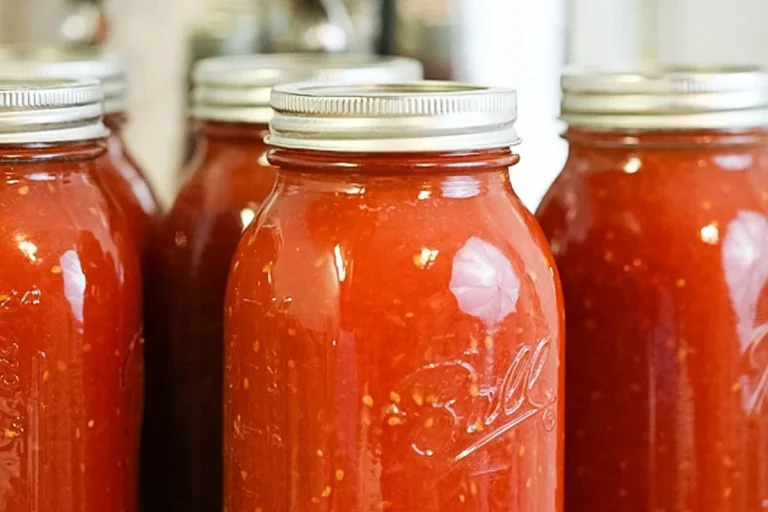
Store the paste in a clean, airtight jar. Keep it in the fridge unless your recipe or local guidance says otherwise.
Use a clean spoon each time. That helps keep out moisture and crumbs that can shorten shelf life.
Wipe the jar rim, seal it well, and refrigerate the paste.
Check for off smells, mold, or color changes before using old paste.
Food safety tips for nuts and kitchen tools
Use fresh nuts and clean equipment. If a nut smells stale, rancid, or musty, throw it out.
Follow the food safety advice on your appliance manual for blending hot or oily foods. Not every machine handles thick nut pastes the same way.
Easy cleaning steps for blenders and processors
Nut paste can coat blades and lids fast. Clean it soon after use so it does not harden.
First, scrape out as much paste as you can. Then wash removable parts with warm, soapy water or follow the maker’s care guide.
A soft spatula helps you remove sticky paste without wasting much of it.
Cost, Value, and When Homemade Makes Sense
Homemade pistachio paste often costs less per batch than specialty jars. More important, it lets you control the flavor and the ingredient list.
Homemade paste vs store-bought options
Store-bought paste saves time and may offer more consistent texture. It can also be a smart choice if you need a very fine result right away.
Homemade paste gives you more flexibility. You can make a small batch, skip extra sugar, and use the nuts you already have.
| Option | Best For | Key Consideration |
|---|---|---|
| Homemade paste | Fresh flavor and full control | Needs a processor and a few minutes of work |
| Store-bought paste | Speed and convenience | Ingredients and texture vary by brand |
Who should make it at home and who should buy it
Make it at home if you cook often, like to tweak flavors, or need a paste for both sweet and savory recipes.
Buy it if you want a very fine, ready-to-use product or if your blender struggles with thick nut blends.
Final Recommendation for Red Kitchen Project Readers
For most beginners, the best approach is simple: use fresh unsalted pistachios, blend slowly, and add oil only when needed. That keeps the flavor strong and the texture under control.
Best approach for beginners
Start with a small batch and a basic processor. If you want a bright green paste, peel the nuts first.
If you want a richer, deeper taste for pasta, use lightly roasted pistachios instead. That choice depends on the dish, not on a single right answer.
When to keep it simple and when to upgrade the recipe
Keep it simple when you need a quick sauce base or a dessert filling. A plain paste works well in most recipes.
Upgrade the recipe when the dish needs a special finish. Then you can add salt, sugar, vanilla, citrus zest, or a little extra oil for a smoother feel.
Homemade pistachio paste is a smart, flexible choice for pasta and desserts. It gives you better control than many store-bought jars, but the result depends on nut quality, blending time, and careful storage.
- Fresh pistachios make the best paste.
- Blend in short bursts and scrape often.
- Add oil slowly so the paste stays thick.
- Store it cold in a clean, sealed jar.
Frequently Asked Questions
A strong blender can work, but a food processor is usually easier for thick nut paste. If your machine struggles, make a smaller batch and stop often to scrape the bowl.
Raw pistachios give a fresher taste and brighter color. Roasted pistachios give a deeper, toastier flavor, which can be great for some pasta sauces and desserts.
It usually needs more blending time or a little more oil. Scrape the sides often and keep going in short bursts until the nuts release more of their natural oil.
It depends on freshness, storage, and added ingredients, so check for spoilage signs often. Keep it sealed in the fridge and use a clean spoon each time.
Yes, it works very well in pasta sauces. Mix it with pasta water, olive oil, cream, cheese, garlic, or herbs for a smooth sauce.
Use fresher nuts next time and remove more skins if needed. A small pinch of salt can help, but very old or burned nuts should be replaced.