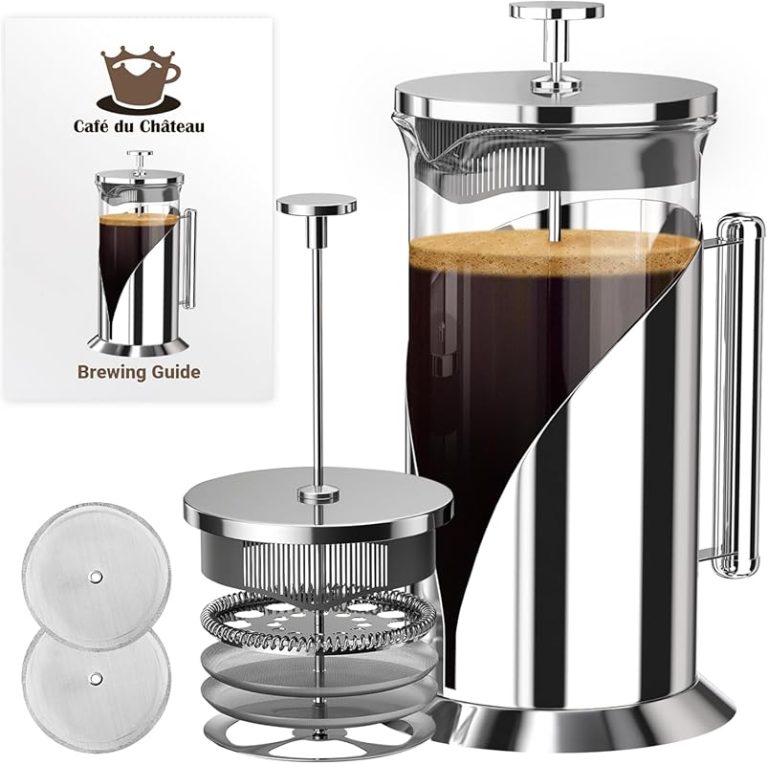
What Grind for French Press Coffee Maker for Best Taste

Use a coarse to medium-coarse grind for most French press coffee makers. Start coarse, then adjust a little finer or coarser based on taste.
If you’re wondering what grind for french press coffee maker gives the best taste, the short answer is coarse to medium-coarse. That range helps you get rich flavor without too much sludge or bitterness.
- Best starting point: Coarse grind gives the most balanced French press cup.
- Flavor control: Finer grounds add body, but they can raise bitterness.
- Cleanup: Coarser grounds usually leave less sludge and rinse out easier.
- Best grinder: A burr grinder gives more even results than a blade grinder.
What Grind for French Press Coffee Maker: The Quick Answer
The best grind for a French press is usually coarse, like rough sea salt. Some beans and brewers do better with a slightly finer medium-coarse grind.
That size lets water pull out flavor at a steady pace. It also keeps too many tiny grounds from slipping into your cup.
Best grind size for rich, smooth French press coffee
Start with a coarse grind. If your coffee tastes thin, move a little finer. If it tastes muddy, go a bit coarser.
In short, coarse to medium-coarse is the sweet spot for most people.
Why this grind works better than fine or extra coarse
Fine grounds expose more surface area. That can make coffee taste bitter and leave heavy sediment.
Extra coarse grounds can under-extract. Then the cup may taste weak, sour, or watery.
How French Press Brewing Works
A French press brews by steeping coffee in hot water. The grounds sit in the water instead of passing through a paper filter.
That simple method gives French press coffee its full body and deep flavor. It also means grind size matters a lot.
How steeping changes flavor and body
Steeping lets oils and fine particles stay in the cup. That creates a thicker, more full taste.
Longer steeping pulls out more flavor. But too much time can also pull out harsh notes.
Why grind size matters for extraction and sediment
Grind size controls how fast water reaches the coffee inside each particle. Smaller grounds extract faster. Larger grounds extract slower.
With a French press, the goal is balance. You want enough extraction for flavor, but not so much that the cup turns harsh.
French press coffee uses a metal mesh filter, so more fine particles stay in the drink than with paper filters.
Choosing the Right Grind for Taste
Your taste goal should guide the grind. Do you want smooth and bold? Or strong and punchy? Small changes can make a big difference.
Coarse grind vs medium-coarse grind
Coarse grind works well for a classic French press cup. It usually gives a cleaner sip and less grit.
Medium-coarse grind can bring out a little more body and sweetness. It may also help if your press brews a bit weak.
Both can work well. The better choice depends on your beans, steep time, and taste.
Cleaner cup
Best for less sediment and a smoother finish.
VS
Richer body
Best for a fuller taste and slightly stronger extraction.
What to avoid if you want less bitterness
Avoid fine espresso-style grounds. They can over-extract fast in a French press.
Also avoid steeping too long. Even a good grind can taste harsh if it sits too long in hot water.
- Use coarse or medium-coarse grounds for most brews
- Keep steep time steady from cup to cup
- Use espresso-fine grounds in a French press
- Leave coffee sitting in the press after plunging
How bean roast level affects grind choice
Light roasts often need a little more extraction. A slightly finer coarse grind can help bring out flavor.
Dark roasts extract faster. They may taste better with a slightly coarser grind to reduce bitterness.
Roast level changes taste, but your grinder and brew time matter too. Small adjustments work best.
How to Grind Coffee for a French Press at Home
You do not need fancy gear to make good French press coffee. You do need a grinder that gives even results.
Uneven grounds can make one sip taste sharp and the next taste flat. That is why grinder choice matters.
Using a blade grinder the right way
A blade grinder can work in a pinch. Pulse it in short bursts and shake it gently between pulses.
Stop before the grounds turn powdery. Blade grinders often make mixed particle sizes, so watch the texture closely.
Using a burr grinder for more even results
A burr grinder gives more even grounds than a blade grinder. That usually means better taste and less sludge.
Set it to a coarse range first. Then fine-tune from there based on the cup.
How to adjust grind when coffee tastes weak or muddy
The coffee tastes weak, sour, or thin.
Grind a little finer or steep a bit longer next time.
The coffee tastes muddy, bitter, or full of grit.
Grind a little coarser and press more gently.
Make one change at a time. That way, you can tell what helped.
French Press Brewing Basics That Affect Flavor
Grind size matters, but it is only one part of the cup. Water heat, steep time, and ratio all play a role.
Water temperature and steep time
Use hot water, but not boiling water if you can avoid it. Very hot water can pull out harsh flavors fast.
Steep time also matters. A steady brew time helps you repeat good results.
Use care with hot water and glass presses. Follow the maker’s instructions and handle the press on a stable surface.
Coffee-to-water ratio for strong but balanced coffee
A balanced ratio helps the grind shine. Too little coffee can taste weak. Too much can taste heavy and hard to drink.
Since presses vary in size, check your brewer manual or recipe notes for your model. Then adjust by taste.
Pressing, pouring, and serving without over-extracting
Press the plunger slowly and steadily. Do not force it down fast.
After plunging, pour the coffee right away. If coffee sits in the press, it keeps extracting and may taste bitter.
Pour all the coffee into a serving carafe if you want to stop extraction faster.
Common French Press Grinding Mistakes
Most French press problems come from a few simple mistakes. The good news is that they are easy to fix.
Grinding too fine and causing sludge
Too-fine grounds slip through the mesh filter. That creates grit and a thick layer of sludge at the bottom.
It can also make the cup taste harsh. If this keeps happening, move the grinder setting coarser.
Grinding too coarse and losing flavor
Very large grounds do not release flavor well. The cup may taste weak or underdone.
If that happens, go a little finer. Small changes are usually enough.
Using old coffee or uneven grounds
Old beans lose aroma and taste flat. Uneven grounds also brew unevenly.
For the best result, use fresh beans and grind them close to brew time when possible.
- Fresh beans bring brighter flavor
- Even grounds help the press brew more smoothly
- Small grind changes can fix weak or bitter coffee
Cleaning, Maintenance, and Cost Considerations
Your grind choice can affect cleanup as much as taste. Finer grounds leave more residue and can clog the filter more easily.
How grind choice affects cleanup
Coarser grounds usually rinse out more easily. They also leave less paste-like buildup in the filter.
That means less scrubbing and fewer clogs over time.
Simple cleaning steps for the French press and grinder
Discard grounds, rinse the press, and wash all removable parts.
Clean the grinder and check the filter mesh for wear or buildup.
Always follow the product manual for dishwasher-safe parts and cleaning limits. Some presses and grinders need hand washing only.
Value tips for better taste without spending more
You do not always need a more expensive brewer to get better coffee. Often, the biggest upgrade is a better grind.
A decent burr grinder can improve results more than a new press. If your budget is tight, start there.
- Look for a grind setting that reaches coarse levels
- Check whether parts are easy to clean
- Review warranty terms and support from the seller
- Confirm the grinder fits your kitchen space
Final Recommendation: The Best Grind for Most French Press Drinkers
For most people, the best grind for a French press coffee maker is coarse to medium-coarse. That range gives you strong flavor, good body, and less sludge.
If you want a cleaner cup, lean coarse. If you want more body, move a little finer.
Best choice for beginners
Start with a standard coarse grind. It is the safest bet for a smooth, easy cup.
Then change one step at a time until the taste fits your preference.
Best choice for stronger flavor lovers
Try medium-coarse grounds if you like a fuller, bolder cup. This can pull a bit more flavor from the beans.
Just watch for bitterness. If that shows up, back off slightly.
When to fine-tune your grind for a better cup
Fine-tune your grind when the coffee tastes off, even if your ratio and time are steady. That is usually the clearest clue.
In short, the right French press grind is the one that gives you a rich cup without grit, bitterness, or weak flavor.
Coarse to medium-coarse is the best grind for most French press drinkers, and coarse is the safest starting point. Choose a slightly finer grind only if you want more body and can keep bitterness under control.
Frequently Asked Questions
A coarse to medium-coarse grind works best for most French press coffee makers. It gives good flavor while keeping sludge and bitterness lower.
French press coffee steeps in hot water, so grind size changes how fast flavor comes out. Smaller grounds extract faster, while larger grounds extract more slowly.
If the coffee tastes bitter, muddy, or gritty, the grind may be too fine. Try a coarser setting and press more slowly.
If the coffee tastes weak, sour, or watery, the grind may be too coarse. Try a slightly finer grind or a longer steep time.
A burr grinder usually gives more even grounds, which helps French press coffee taste smoother. A blade grinder can still work if you pulse carefully and avoid powdery grounds.
Use coarse or medium-coarse grounds, avoid steeping too long, and pour the coffee soon after plunging. Fresh beans and a clean press also help.