Are Cold Brew Coffee Makers Worth It for Home Brewing

Yes, cold brew coffee makers are worth it for people who make cold brew often. If you only brew once in a while, a simple jar may be the better value.
Yes, cold brew coffee makers can be worth it if you drink cold brew often. They make the process cleaner, easier, and more repeatable than using a plain jar.
If you only make cold brew once in a while, a simple container may be enough. The real value depends on how often you brew, how much space you have, and how much cleanup you can handle.
- Best use: Regular cold brew drinkers get the most value.
- Main trade-off: You must plan ahead for long steep times.
- Buying focus: Check capacity, filter quality, and fridge fit.
- Cleanup matters: Easy-to-wash parts make the brewer more useful.
Are Cold Brew Coffee Makers Worth It? The Short Answer for Home Brewers
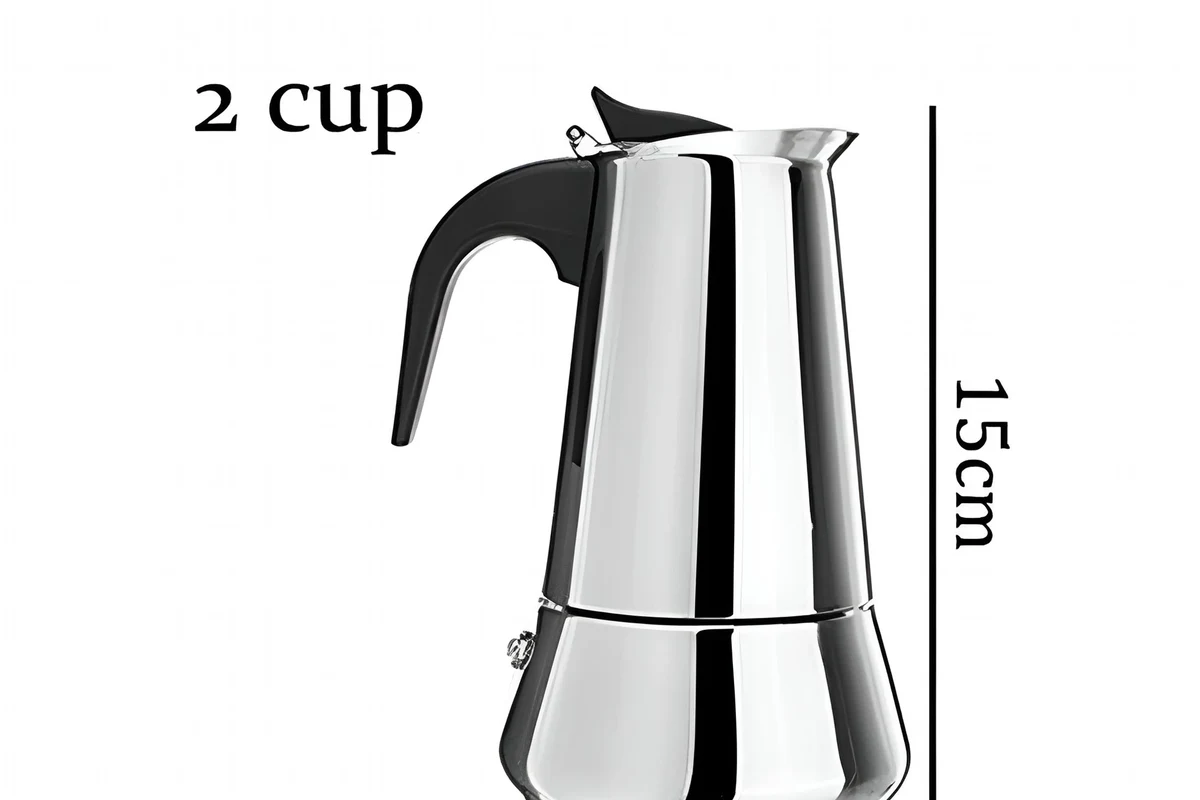
For regular cold brew drinkers, a maker is often worth it. It helps you steep, filter, and store coffee in one place.
That said, not everyone needs one. If you make one batch a month, a basic jar and filter can do the job.
Cold brew coffee makers are worth it for steady home use, but casual drinkers may be fine with a simple setup.
How Cold Brew Coffee Makers Work at Home
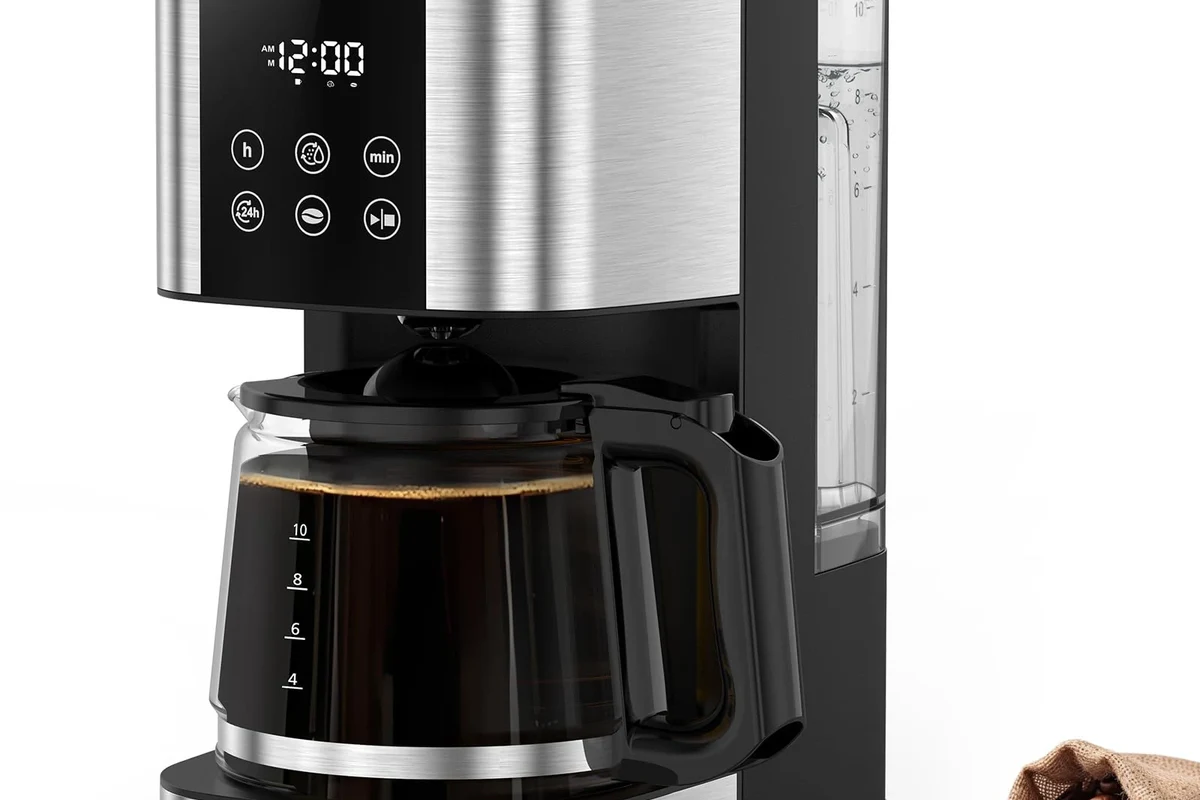
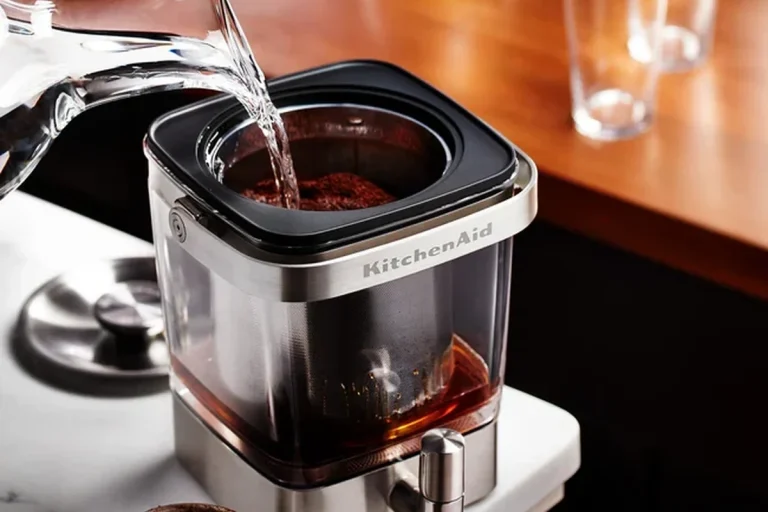
Most cold brew makers use coarse coffee grounds and cold or room-temp water. You let the coffee steep for many hours, then strain it.
The design varies by model, but the idea stays the same. Brew first, filter later, then store the concentrate or ready-to-drink coffee in the fridge.
Basic brew method and steep time
Most home cold brew setups need a long steep. Many recipes use about 12 to 24 hours, but the best time depends on the coffee, grind, and brewer.
Shorter steeping can taste thin. Longer steeping can taste bitter or muddy if the grind is too fine.
Start with coarse grounds and a middle-of-the-road steep time. Then adjust in small steps.
What makes cold brew different from iced coffee
Cold brew and iced coffee are not the same thing. Iced coffee usually starts with hot coffee, then gets cooled and poured over ice.
Cold brew uses cold water and time. That usually gives it a smoother taste and lower acidity feel for many drinkers.
Cold brew often tastes less sharp because it never gets brewed with hot water.
What to Look for Before You Buy One
Before you buy, think about how you’ll use it. The best choice for one person is not always the best choice for a family.
Look at capacity, filter design, cleaning, and fridge fit. Those details matter more than fancy extras.
- Capacity and dimensions
- Filter quality and cleanup
- Lid seal and fridge fit
- Manual, warranty, and safety notes
Jar, pitcher, basket, and French press style designs
Jar-style makers are simple and low cost. Pitcher-style brewers often feel easier for storage and pouring.
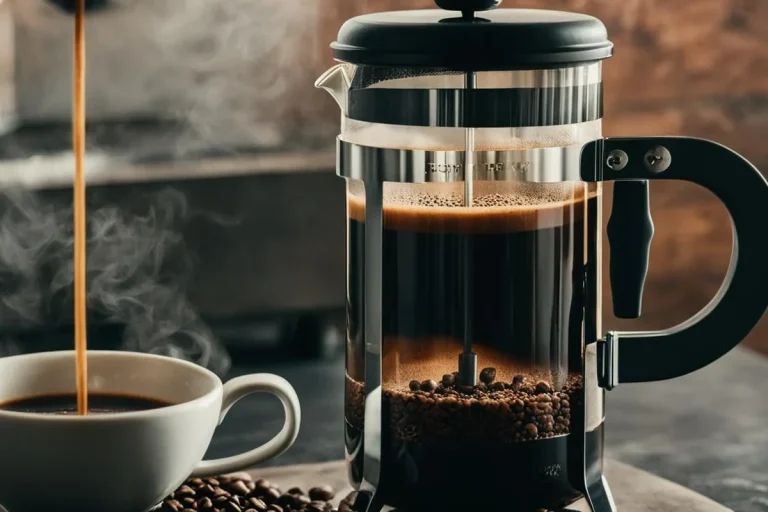
Basket or insert styles can make filtering cleaner. French press style setups may work too, but they can leave more fine grounds behind.
Best for simple, low-cost brewing.
Best for easy fridge storage and pouring.
Best for cleaner filtering and less mess.
Capacity, filter quality, and ease of use
Capacity matters more than many buyers expect. A small maker may be perfect for one person, but too small for a household.
Filter quality also matters. A weak filter can let grounds slip through and make the drink gritty.
Choose a size that matches your weekly coffee habit.
Better filters help keep the brew smooth and clean.
Material, lid seal, and fridge fit
Glass, plastic, and steel all have trade-offs. Glass can feel sturdy and clean-tasting, while plastic may be lighter.
Check the lid seal and the shape of the brewer. A tall or wide model may not fit well in your fridge.
Material, size, and seal quality vary by model. Always check the product listing and manual before buying.
Benefits of Using a Cold Brew Coffee Maker
The biggest benefit is convenience. A good maker helps you get repeatable results with less guesswork.
It can also make your coffee routine feel smoother. You prep once, then enjoy several servings later.
Better flavor control and smoother taste
Cold brew makers help you control the coffee-to-water ratio more easily. That makes it simpler to adjust strength and taste.
Many people like the smoother profile. It can be easier to drink black or with a splash of milk.
- More control over strength and taste
- Smoother brew for many coffee drinkers
- Less mess than improvised setups
Lower cost over time for regular drinkers
If you buy cold brew often, making it at home can save money over time. The exact savings depend on how much coffee you drink and what beans you buy.
Home brewing also helps reduce repeat trips to the café. That matters if cold brew is part of your daily routine.
Convenience for busy mornings
Cold brew is ready when you wake up, if you planned ahead. That makes it handy for rushed mornings.
You can pour, dilute if needed, and go. For many people, that ease is the whole point.
- Make a batch on a day you’re already home.
- Label the brew date so you can track freshness.
- Keep a clean pitcher ready for the next batch.
Limits and Drawbacks You Should Know
Cold brew makers are useful, but they are not perfect. The long brew time is the biggest trade-off.
You also need room in the fridge and a little patience. If you want coffee right now, this method may frustrate you.
Long brew time and planning ahead
Cold brew does not fit last-minute habits. You need to plan the night before, or even earlier.
That can be easy for some people. For others, it becomes one more thing to remember.
Storage space and cleanup effort
Some brewers take up a fair amount of fridge space. That can be annoying in a small kitchen.
Cleanup can also take time, especially if the filter traps wet grounds. A simple rinse is not always enough.
Follow the manual and stop using any brewer with cracks, leaks, or damaged seals.
When a simple jar may be enough
If you already have a large jar, a fine filter, and patience, you may not need a special maker. That setup can work well for many homes.
The main difference is convenience. A purpose-built brewer usually makes pouring, filtering, and storage easier.
Common Mistakes That Ruin Cold Brew
Cold brew is forgiving, but a few mistakes can still wreck the taste. The grind, ratio, and steep time matter most.
Good storage habits matter too. Old coffee or dirty gear can spoil the flavor fast.
Wrong coffee grind and brew ratio
Use a coarse grind when possible. Fine grounds can make the brew cloudy and harsh.
The ratio also matters. Too much water makes weak coffee. Too little water can make it taste overly strong or flat.
Steeping too long or too short
Short steeping often tastes thin. Very long steeping can bring out rough notes.
Different beans can need different times. That’s why a little testing helps.
- Start with coarse grounds and a simple ratio
- Write down your steep time for next time
- Using espresso-fine grounds
- Guessing the brew time every batch
Poor filtering and weak storage habits
Bad filtering leaves grit in the cup. It can also make the drink seem bitter or muddy.
Store finished coffee in a clean, covered container in the fridge. Do not leave it sitting out for long periods.
Cleaning, Safety, and Maintenance Tips
Cleaning is part of the value question. A brewer that is annoying to wash may not feel worth it for long.
Good care also helps your coffee taste better. Old residue can affect flavor quickly.
How to clean filters, lids, and pitchers
Rinse parts soon after use. Wet grounds are much easier to remove before they dry.
Wash all removable parts as the manual says. Some pieces may be dishwasher safe, but that varies by model.
Empty grounds, rinse parts, and wash with warm soapy water.
Check seals, screens, and lids for wear or trapped residue.
Food safety and fridge storage basics
Cold brew should be stored chilled after brewing. Keep it covered and return it to the fridge promptly.
If it smells off, tastes strange, or sat too long, discard it. When in doubt, throw it out.
Use food-safe cleaning methods and follow your brewer’s storage guidance. Coffee equipment is not worth risking if it shows spoilage or damage.
Signs your maker needs replacement
Replace the brewer if the lid no longer seals, the filter tears, or the container cracks. Leaks are a clear warning sign.
Stubborn stains or odors can also be a problem if cleaning no longer fixes them. If the maker keeps affecting taste, it may be time for a new one.
Final Verdict: Who Should Buy a Cold Brew Coffee Maker?
Cold brew coffee makers are worth it for people who make cold brew often and want less hassle. They shine when you care about repeatable taste, easy pouring, and tidy storage.
If you only make cold brew now and then, a jar or French press style setup may be enough. That’s the better value for casual use.
Best for regular cold brew fans
Choose a maker if cold brew is part of your weekly routine. You’ll likely appreciate the cleaner process and easier cleanup.
Better alternatives for casual coffee drinkers
Choose a simple jar if you only brew once in a while. It costs less and still gets the job done.
Clear recommendation based on value and use
My clear recommendation is simple. Buy a cold brew coffee maker if you want convenience and drink cold brew often.
Skip it if you’re still testing the habit. In that case, start with a basic setup and upgrade later if you need more ease.
- Worth it for regular cold brew drinkers
- Less useful for occasional batches
- Check size, filter quality, and fridge fit first
- Clean and store it carefully for best results
Frequently Asked Questions
Use a coarse grind when possible. Fine grounds can make the brew muddy and harder to filter.
Many home brews steep for 12 to 24 hours. The best time depends on the coffee, ratio, and brewer.
Cold brew steeps in cold water for many hours. Iced coffee usually starts hot and then gets chilled.
Rinse parts soon after use, then wash them as the manual directs. Some parts may be dishwasher safe, but that varies by model.
Change the coffee-to-water ratio, grind size, or steep time in small steps. Write down each batch so you can repeat what works.
Replace it if the lid leaks, the filter tears, or the container cracks. Strong odors or stains that won’t wash out can also be a sign.