What Does a French Press Coffee Maker Do for Better Coffee

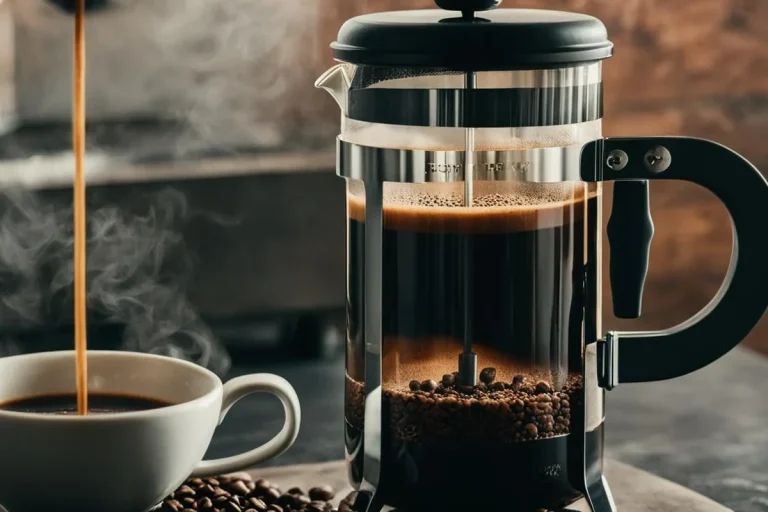
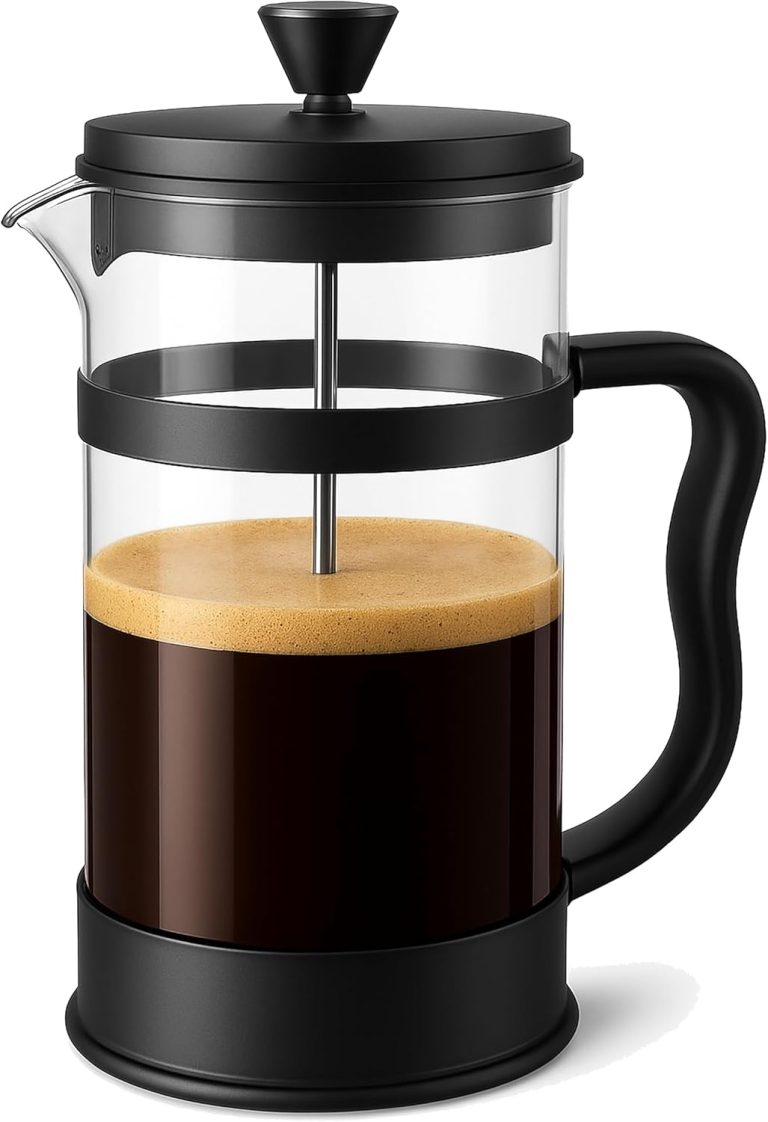
A French press steeps coffee in hot water and then filters it with a mesh plunger. It makes a rich, full cup with more body than many drip brewers.
A French press coffee maker steeps coffee grounds in hot water, then uses a mesh plunger to separate the grounds from the drink. It makes a rich, full cup with more body than many drip brewers.
- Simple function: It brews coffee by steeping, then pressing out the grounds.
- Flavor result: It keeps more oils, so the coffee tastes fuller.
- Best setup: Use coarse grind, hot water, and a steady brew time.
- Common issues: Fine grind and oversteeping can make coffee bitter or gritty.
What Does a French Press Coffee Maker Do? The Simple Answer
A French press does one main job. It lets coffee and water mix for a few minutes, then you press a filter screen down to trap the grounds.
The result is a brewed coffee that keeps more natural oils and fine particles. That gives the cup a heavier feel and a bolder taste than many paper-filter methods.
In short: it is a simple manual brewer that gives you more control over strength, taste, and brew time.
A French press does not use paper filters. That is one reason the coffee can taste richer and feel fuller.
How a French Press Works Step by Step
The brewing process is easy to follow. You add coffee, add hot water, wait, then press and pour.
The parts that matter most
Most French presses have a few basic parts. Each one helps the brewer work the way it should.
Holds the coffee and hot water while the grounds steep.
Lets you push the mesh filter through the brew.
Separates most grounds from the finished coffee.
Helps keep heat in and supports the plunger.
Some models use glass. Others use stainless steel or plastic parts. Build quality and filter design can change the feel of the coffee and the cleanup.
What happens when you press the plunger
When you press the plunger, the mesh screen moves down through the liquid. It pushes the grounds toward the bottom and slows more brewing.
This does not make the coffee perfectly clear. Fine bits can still pass through the mesh. That is normal for a French press.
The press step also helps stop over-extraction. If you leave the grounds in too long, the coffee can taste harsh or bitter.
Use care with hot water and hot glass or metal parts. Follow the manual for your exact model, and stop using any brewer with cracks, bent parts, or a loose lid.
Why People Choose a French Press for Coffee
People like French press coffee because it feels simple and hands-on. You do not need a machine with pods, pumps, or paper filters.
It also gives a strong, full taste that many coffee drinkers enjoy. For some people, that richer cup is the whole point.
Flavor, body, and oil retention
French press coffee keeps more coffee oils in the cup. Those oils add body and can make the drink taste rounder and deeper.
The mesh filter also lets more fine sediment through than paper filters. Some people enjoy that texture. Others prefer a cleaner cup.
- Simple brewing with few parts to learn
- Full-bodied coffee with strong flavor
- No paper filters needed for normal use
- Good control over brew strength and steep time
Where it beats drip and pod coffee
A French press can beat drip or pod coffee when you want more control. You can change the grind, water amount, and brew time to suit your taste.
It also works well for people who want a low-tech brewer. There is no need for a plug or special capsule.
That said, drip coffee often tastes cleaner. Pod machines are usually faster. So the best choice depends on what you value most.
- Rich flavor and fuller body
- Simple setup with few parts
- Easy to adjust strength
- More sediment in the cup
- Needs careful cleanup
- Can taste bitter if oversteeped
How to Use a French Press the Right Way
Good results start with the right grind, water, and timing. Small changes can make a big difference in taste.
Best coffee grind, water temp, and brew time
Use a coarse grind for most French presses. Fine grinds can slip through the mesh and make the cup muddy.
Water should be hot, but not boiling hard. Many coffee guides point to water just off the boil, though the best range can vary by bean and taste.
Steep time also matters. A common starting point is about four minutes, but you can adjust it to make the coffee stronger or milder.
- Preheat the carafe with hot water before brewing.
- Stir gently after adding water for even extraction.
- Press slowly to avoid splashing and grit.
- Pour soon after pressing to prevent bitterness.
Easy ratio guide for better results
A simple coffee-to-water ratio helps you start in the right place. From there, you can adjust to taste.
Many home brewers use about 1 to 15 or 1 to 17 coffee to water by weight. If you do not weigh coffee, use a consistent scoop and keep notes.
Ratios can vary with roast level, bean type, and personal taste. A darker roast may taste strong sooner, while a lighter roast may need a longer steep.
Common French Press Mistakes and How to Avoid Them
French press coffee is easy, but a few mistakes can ruin the cup. The good news is that most fixes are simple.
Too fine a grind
A grind that is too fine can clog the filter. It can also leave more sludge in the bottom of the cup.
Use a coarse grind that looks a bit like sea salt. If your coffee still tastes gritty, go even coarser next time.
The coffee tastes muddy or has too much grit.
Switch to a coarser grind and press more slowly. Check that the filter screen sits flat and clean.
Oversteeping and weak pressing
If coffee sits too long, it can turn bitter. If you press too hard, you can stir up fine grounds and cloud the cup.
Set a timer and pour soon after pressing. Press with steady, gentle pressure. You do not need force.
- Use a timer for consistent brew time
- Press slowly and stop when you meet light resistance
- Pour the coffee after pressing
- Leaving grounds in the press for too long
- Forcing the plunger down fast
- Using espresso-fine coffee
Cleaning, Safety, and Maintenance Tips
French presses are simple, but they still need regular cleaning. Old oils and trapped grounds can hurt flavor fast.
How to clean the mesh filter and carafe
Rinse the press right after use if you can. That makes cleanup much easier.
Take apart the filter parts as your manual allows. Wash the carafe, plunger, and screen with warm water and mild soap.
Check the mesh for stuck grounds. A soft brush can help clear small bits without damaging the screen.
Empty grounds, rinse parts, and wash with warm soapy water.
Inspect the mesh, seal, and lid for wear or loose fit.
Heat safety and glass care
Glass French presses need extra care. Sudden temperature changes can stress the carafe.
Do not place a hot glass press on a cold, wet, or hard surface if the manual warns against it. Let it cool before washing when possible.
If your press has a cracked carafe, bent plunger, or loose handle, replace it. Do not keep using damaged equipment.
Follow the appliance manual and stop using damaged equipment.
French Press Value, Drawbacks, and Buying Tips
A French press can be a strong value because it is simple and does not need filters or power. But the right model depends on how you brew.
What to look for in size, build, and filter quality
Size matters first. Choose a press that fits how much coffee you make at one time.
Build quality matters too. Stainless steel often holds heat better, while glass lets you see the brew. Both can work well if made properly.
Filter quality affects sediment and ease of use. A tighter, well-made mesh can improve the cup and reduce grit.
- Choose a size that matches your daily coffee habit
- Check the material and heat care needs
- Look for a sturdy plunger and fine mesh filter
- Review cleaning steps and warranty details
Who a French press is best for in 2026
A French press is best for people who want bold coffee and a simple routine. It is also a smart pick for small kitchens, travel setups, and low-tech brewing.
It may not be the best choice if you want a very clean cup or the fastest possible brew. In that case, a drip machine or pod brewer may suit you better.
Best for one or two cups and limited counter space.
Best for bigger batches and shared morning routines.
Final Verdict: Is a French Press Worth It for Better Coffee?
Yes, a French press is worth it if you want richer coffee and a simple brewing method. It gives you strong control over taste without needing a machine.
The trade-off is a little more sediment and a bit more cleanup. If that sounds fine, a French press can be one of the easiest ways to make better coffee at home.
A French press is a great choice for bold, full coffee and easy daily use. If you want a cleaner cup or faster brewing, drip or pod coffee may fit you better.
- It steeps coffee in hot water, then filters it with a mesh plunger.
- It makes full-bodied coffee with more oils and some sediment.
- Coarse grind, steady timing, and slow pressing improve the cup.
- Regular cleaning and safe heat handling matter for long-term use.
Frequently Asked Questions
Use a coarse grind for the best results. Fine grinds can slip through the mesh and make the coffee gritty.
A common starting point is about 1 to 15 or 1 to 17 coffee to water by weight. You can adjust from there based on taste and roast level.
Use hot water that is just off the boil, not a hard rolling boil. The best temperature can vary by bean and personal taste.
French press coffee keeps more oils and fine particles in the cup. That gives it a fuller body and richer taste than many paper-filter brewers.
Rinse it right after use, then wash the carafe, plunger, and mesh with warm water and mild soap. Check the screen often for trapped grounds.
Stop using it if the carafe is cracked, the plunger bends, or the lid no longer fits well. Follow the manual and replace damaged parts or the full brewer as needed.