How to Use a Bodum French Press Coffee Maker Like a Pro

Use coarse coffee, hot water just off the boil, and a slow press for the best Bodum French press results. Clean it right after brewing to keep the flavor fresh and the filter working well.
If you want rich, full coffee with very little gear, a Bodum French press is a smart choice. The basic method is simple: add coarse coffee, pour in hot water, steep, then press slowly and serve.
- Coarse grind matters: It helps prevent grit and filter clogging.
- Hot, not boiling water: This helps avoid bitter coffee.
- Press slowly: Gentle pressure reduces splash-back and sediment.
- Clean right away: Fresh grounds and oils are easier to remove.
How to Use a Bodum French Press Coffee Maker Like a Pro
This guide walks you through the brew process, the best grind and ratio, common mistakes, and easy cleanup.
That said, good French press coffee still depends on a few details. Water temp, grind size, and steep time all shape the cup.
In short: the press pot is simple, but the best results come from small, careful steps.
What a Bodum French Press Is and Why It Still Matters in 2026
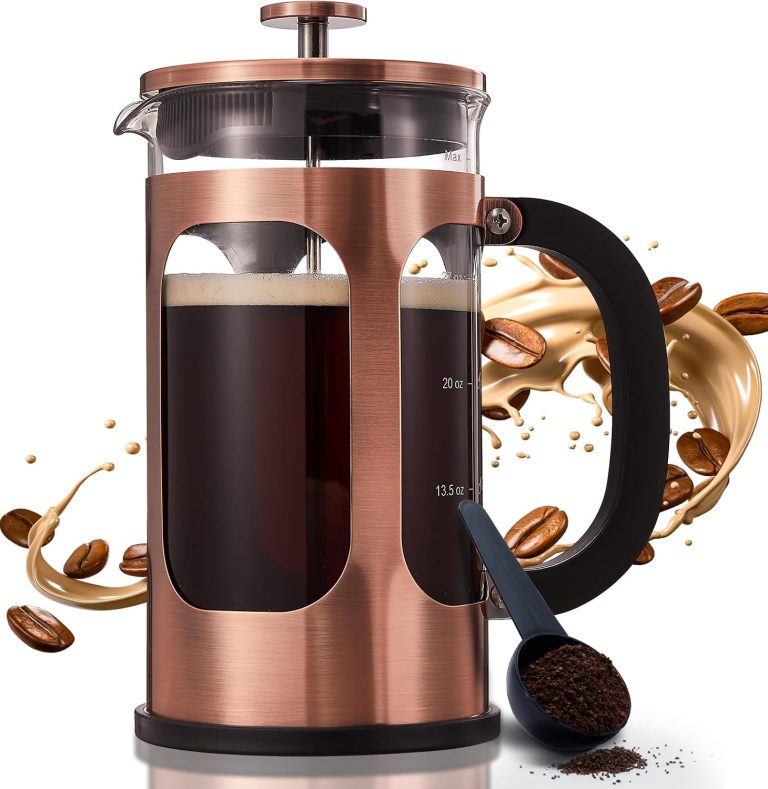
A Bodum French press is a manual coffee maker with a plunger and metal filter. You add ground coffee and hot water, then press the filter down to separate the grounds.
It still matters in 2026 because it gives you control without much fuss. You do not need pods, paper filters, or a power cord.
How this coffee maker works
The brew chamber holds the coffee and water together for a set time. During steeping, the water pulls flavor and oils from the grounds.
When you press the plunger, the mesh filter pushes the grounds to the bottom. The coffee above stays ready to pour.
French press coffee often tastes fuller because the metal filter lets more oils through.
Why many coffee drinkers still prefer it
Many people like French press coffee for its bold taste and simple setup. It also works well when you want one brewer for daily use.
It can fit small kitchens too. You only need the press, a kettle, and a spoon.
In short: it’s a low-tech brewer that can make a very satisfying cup.
How to Use a Bodum French Press Coffee Maker
Here is the basic method. It works for most Bodum French press models, though small details can vary by size and design.
Measure the coffee and water
Start with a simple ratio. A common place to begin is about 1 part coffee to 15 or 16 parts water by weight.
If you do not use a scale, a practical home method works too. Try about 1 to 2 tablespoons of coffee for every 6 ounces of water, then adjust next time.
Exact results vary by bean type, roast level, press size, and how strong you like your coffee.
Heat the water to the right temperature
Heat water until it is hot, but not boiling hard. Many coffee drinkers aim for just off the boil.
Very hot water can pull out bitter flavors fast. If you do not have a thermometer, let boiling water sit briefly before you pour.
Use care with hot water and hot glass. Set the press on a stable, dry surface before you pour.
Add coffee, pour water, and stir
Add the grounds to the empty press first. Then pour in enough water to wet all the coffee, and keep pouring until you reach your target amount.
Give it one gentle stir. This helps the grounds soak evenly and reduces dry pockets.
- Pour in a slow circle for better wetting.
- Stir gently to avoid splash-back.
- Keep the lid on loosely during steeping.
Steep, press, and serve
Let the coffee steep for about four minutes as a starting point. You can shorten or lengthen that time a little later.
When the time is up, press the plunger down slowly and steadily. Stop if you feel strong resistance.
Pour the coffee right away. If it sits too long in the press, it can turn bitter.
Use coarse coffee and place it in the empty press.
Wet all the grounds and fill to your chosen level.
Wait, then press down slowly and serve right away.
Best Coffee, Grind Size, and Water Ratio for Better Results
The press itself is only part of the story. The beans, grind, and ratio matter just as much.
Choosing the right beans
Fresh beans usually taste better than stale ones. A medium or dark roast often works well in a French press, but taste is personal.
If you like brighter coffee, try a lighter roast. If you want a rounder, deeper cup, a darker roast may suit you better.
Why coarse grind matters
Coarse grind is one of the biggest keys to success. Fine grounds can slip through the filter and make the cup muddy.
Fine coffee can also make pressing harder. It may clog the filter and over-extract during steeping.
Do not force the plunger if it sticks. Stop, check the grind, and press more slowly next time.
Simple ratio guidelines for strong or mild coffee
For a stronger cup, use a bit more coffee or a shorter water fill. For a milder cup, use a little less coffee or more water.
Try one ratio for a few brews before changing it. That makes it easier to learn what you like.
Common Mistakes That Ruin French Press Coffee
French press coffee is easy, but a few small mistakes can hurt the taste fast.
Using water that is too hot
Boiling water can burn the grounds and make coffee taste sharp. Let it cool a little before brewing.
Grinding too fine
Too-fine grounds can create grit and make pressing harder. They can also clog the mesh filter.
Pressing too hard or too fast
Press slowly and let the filter do the work. A hard push can stir up fine particles and splash hot coffee.
Steeping too long or too short
Too short can taste weak and underdone. Too long can taste bitter and heavy.
- Use coarse grounds and steady pressure.
- Keep track of steep time.
- Pour soon after pressing.
- Using espresso grind coffee.
- Leaving brewed coffee sitting in the press.
- Forcing the plunger down fast.
Safety Tips and Easy Cleanup After Brewing
French press cleanup is simple, but hot parts and wet grounds still need care.
Handling hot glass and metal parts safely
Some Bodum presses use glass, while others use different materials. Check your model before you clean or move it.
Let the press cool a bit before washing. Sudden temperature changes can stress some glass parts.
Preventing spills and splash-back
Press on a flat surface and keep one hand on the handle. Pour slowly, especially if the carafe is full.
If the plunger meets resistance, stop and check the grind. Do not yank it down.
Quick cleaning after each use
Dump the grounds into the trash or compost if your local system allows it. Then rinse the carafe, filter, and plunger right away.
Fresh grounds are easier to clean than dried coffee paste. A quick rinse saves time later.
Cleaning and Maintenance Tips to Keep Your Bodum in Good Shape
Good care helps the press work well and last longer. It also keeps old oils from making coffee taste stale.
Daily rinse and wash routine
After each use, take the press apart as the manual allows. Wash the parts with warm water and mild soap.
Dry everything before you put it back together. That helps prevent smells and buildup.
Rinse, wash, and dry the carafe, filter, and plunger parts.
Check for trapped grounds, worn mesh, or loose parts.
Do a deeper clean if oils or residue start to build up.
Deep cleaning the filter and plunger
Small coffee oils can hide in the mesh and spring parts. If your model allows it, take the filter assembly apart and clean it carefully.
Use a soft brush or sponge. Avoid harsh scrubbing that could bend the mesh.
When to replace worn parts
Replace parts if the mesh looks damaged, the plunger feels loose, or coffee grounds keep slipping through. Check Bodum’s parts guide or manual for the right fit.
If the carafe chips or cracks, stop using it. Damaged glass can fail without warning.
Stop using any cracked, chipped, or badly bent part. Follow the manufacturer’s guidance for replacement parts.
Benefits, Limits, and Value of a Bodum French Press
A Bodum French press offers a lot of value for a simple tool. Still, it is not the perfect brewer for every person.
Flavor, control, and simplicity
The biggest draw is control. You can change grind, ratio, and steep time to shape the cup.
It is also easy to use and does not need paper filters. That makes it appealing for everyday coffee drinkers.
- Simple manual brewing
- Full-bodied coffee flavor
- Easy to adjust strength
- No paper filter needed
What it does not do as well as other brewers
A French press can leave more sediment than drip coffee. It also needs a little care during pouring and cleaning.
If you want a very clean cup with almost no fine particles, another brewer may suit you better.
Who gets the best value from it
It fits people who want a low-cost, low-tech coffee routine. It also works well for anyone who likes a heavier, richer cup.
If you brew only once in a while, it can still be a good choice. The learning curve is short.
- Easy to learn
- Rich coffee flavor
- Few parts to manage
- Good for small kitchens
- Some sediment in the cup
- Needs careful cleanup
- Can taste bitter if rushed
Final Recommendation: Is a Bodum French Press Right for You?
For most people who want simple, bold coffee, the answer is yes. A Bodum French press is easy to learn, easy to store, and easy to adjust.
Best use cases for beginners and daily coffee drinkers
It is a strong pick for beginners who want a clear brewing method. It also works well for daily drinkers who like a richer cup and simple cleanup.
If you use the same beans and ratio often, you can get very consistent results. That makes it a nice everyday brewer.
When you may want another brewing method
Choose something else if you want a cleaner cup with less sediment. You may also prefer another method if you want faster cleanup or a more automated routine.
A Bodum French press is a smart, practical coffee maker for rich flavor and simple use. Just keep the grind coarse, the water hot but not boiling hard, and the press clean for the best results.
In short: if you want control, value, and a classic coffee taste, this brewer still earns its place in 2026.
Frequently Asked Questions
Use a coarse grind for the best results. Fine grounds can clog the filter and leave more grit in the cup.
Use hot water that is just off the boil. Very hot water can make the coffee taste bitter.
A good starting point is about 1 part coffee to 15 or 16 parts water by weight. If you do not use a scale, start with 1 to 2 tablespoons per 6 ounces of water.
Four minutes is a common starting point. You can adjust a little shorter or longer based on taste.
Rinse the parts right away, then wash them with warm water and mild soap. Dry everything fully before reassembly.
Stop using it if the carafe is cracked, chipped, or badly damaged, or if the plunger and filter no longer fit properly. Check the manual for replacement part guidance.