How Long to Dry Pasta Before Cooking for Best Results

Fresh pasta usually only needs a short dry time before cooking. Most shapes are ready when the surface feels dry and the pasta still bends a little.
If you want the short answer, dry fresh pasta only until the surface feels dry and the pieces hold their shape. That usually takes 15 minutes to 2 hours for cooking, but longer if you plan to store it.
- Short answer: Most fresh pasta needs 15 minutes to 2 hours.
- Best test: The outside should feel dry, not sticky.
- Shape matters: Thin noodles dry faster than stuffed or thick pasta.
- Storage needs more time: Dry longer only if you plan to keep it.
- Safety matters: Chill or freeze egg pasta and filled pasta when needed.
How Long to Dry Pasta Before Cooking: The Short Answer

For most homemade pasta, you do not need a long drying time before boiling. Fresh pasta often only needs a short rest on a tray or rack before it goes into the pot.
The goal is simple. Let the outside lose some moisture so the pasta is easier to handle and less likely to stick.
Fresh pasta drying times at a glance
Thin noodles may need only 10 to 30 minutes. Wider shapes can need 30 minutes to 1 hour.
Stuffed pasta often needs just enough time to firm up before cooking. If you plan to store pasta, drying time becomes much longer.
Drying time changes with the dough, the room, and the shape. A humid kitchen slows everything down.
When you can cook pasta right away
You can cook pasta soon after shaping if the strands or pieces already hold together. This works well for many fresh egg pastas.
If the pasta feels soft but not sticky, a short rest is enough. You do not need to wait for it to become fully dry.
When drying time really matters
Drying matters most when pasta sticks, slumps, or tears during handling. It also matters if you want to stack, freeze, or store it.
Longer drying helps pasta keep its shape. That matters most for ravioli, lasagna sheets, and thick noodles.
Why Drying Pasta Changes the Final Texture

Drying changes how much water stays in the pasta. That affects firmness, shape, and how fast it cooks.
Think of it like letting a wet towel air out. The outside firms up first, while the inside stays softer for a while.
What drying does to moisture and firmness
Fresh pasta starts with a lot of moisture. As it dries, the outer layer becomes less fragile.
That firmer surface helps the pasta keep its shape in boiling water. It also makes the dough easier to cut, move, and portion.
How drying affects shape, bite, and cooking time
Short drying time can give pasta a tender bite. Longer drying can make the pasta a little firmer before cooking.
It can also change the boil time slightly. Drier pasta may need a bit more time in the pot.
Fresh pasta and dried pasta are not the same thing. Store-bought dried pasta is made to cook after very long drying.
Why homemade pasta behaves differently from store-bought
Homemade pasta usually has more moisture than boxed pasta. It is also shaped by hand or with simple tools.
That means it can go from perfect to sticky fast. A short drying period helps, but too much drying can make it brittle.
Best Drying Times for Different Pasta Types
The best drying time depends on thickness and shape. Thin pasta needs less time than thick sheets or filled pasta.
Thin pasta shapes like fettuccine and tagliatelle
Thin ribbons usually need 15 to 30 minutes before cooking. You want the strands to separate cleanly.
If they still cling together, give them a few more minutes. Then toss them gently with flour only if needed.
Stuffed pasta like ravioli and tortellini
Stuffed pasta needs careful handling. It should dry just enough to seal and firm up.
Plan on 15 to 45 minutes in many home kitchens. Too much drying can crack the edges or break the seal.
Do not let filled pasta sit out for too long. Egg and dairy fillings need careful handling and prompt cooking or chilling.
Thick pasta like pappardelle, lasagna sheets, and gnocchi
Thicker pasta needs more time because it holds more moisture. Wide lasagna sheets may need 30 minutes to 2 hours, depending on the room.
Gnocchi is a little different. It should rest until the surface firms, but it should not dry out and crack.
Longer drying for storing pasta, not just cooking it
If you want to store pasta, you need a much longer dry. That can mean several hours or more, depending on the shape and humidity.
For storage, the pasta must feel fully dry on the outside and sturdy enough to hold its shape. Even then, follow safe storage guidance for your recipe.
How to Tell When Pasta Is Ready to Cook
Do not rely on the clock alone. Touch and look at the pasta too.
A few simple checks can save you from sticky or cracked noodles.
Simple touch test for surface dryness
Touch one piece with clean fingers. The surface should feel dry, not wet or tacky.
The pasta should still bend a little. If it feels hard all the way through, it may have dried too long.
Signs the pasta is still too soft
Soft pasta may stick to your fingers or collapse when lifted. It may also lose shape when you move it.
If that happens, give it more time on the tray or rack. Keep the pieces spaced apart.
Signs the pasta has dried too much
Overdried pasta may crack at the edges. It can also snap instead of bend.
That is a sign you waited too long for cooking. It may still cook fine, but the texture and shape can suffer.
- Test one piece before cooking the whole batch.
- Use a light touch when moving delicate shapes.
- Keep pasta in one layer whenever possible.
Factors That Change Drying Time
Drying time is not fixed. A dry, cool room works very differently from a warm, damp one.
Even the same dough can behave differently from one day to the next.
Room temperature and humidity
Warm air helps moisture leave the pasta faster. Humid air slows the process down.
On a rainy day, pasta may stay soft much longer. On a dry day, it may firm up quickly.
Pasta thickness and ingredient mix
Thicker dough takes longer to dry. Dough with more eggs can also stay softer for longer.
Water-only dough may dry a bit faster. Small changes in flour type can also shift the timing.
Airflow, trays, and drying racks
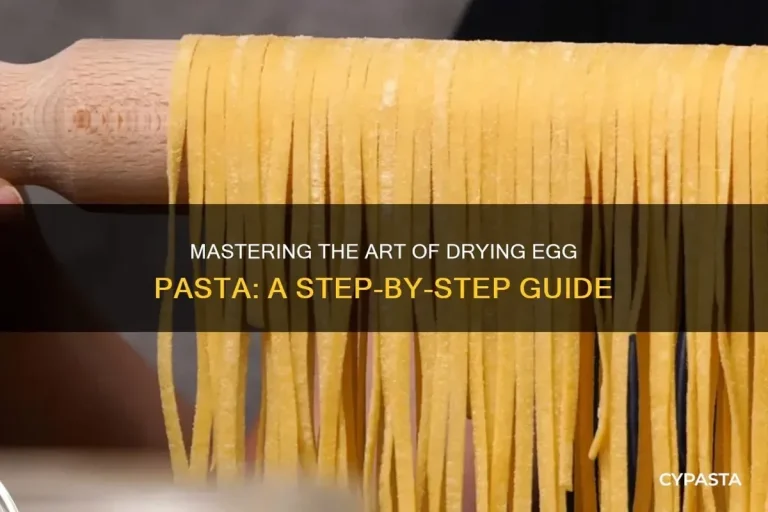
Good airflow speeds drying and helps prevent sticking. A rack works well for strands.
Flat trays work better for ravioli, sheets, and cut shapes. Just make sure the pieces do not touch.
Egg pasta versus water-only pasta
Egg pasta usually feels richer and more tender. It also needs careful handling because it can soften and stick fast.
Water-only pasta may feel sturdier. Still, it needs enough drying time to keep shape before boiling.
The right choice depends on whether you want to cook soon or store the pasta.
Cook soon
Best for fresh pasta you want to boil the same day.
VS
Store later
Best when you need pasta to keep its shape and last longer.
Common Mistakes People Make When Drying Pasta
Most pasta problems come from rushing or waiting too long. A few small fixes can help a lot.
Drying too long before boiling
Waiting too long can make pasta brittle. That is especially true for thin sheets and filled shapes.
For cooking, aim for firm but still flexible. You want dry on the outside, not hard through the middle.
Stacking strands and causing sticking
Stacked pasta traps moisture. That leads to clumps and torn noodles.
Spread strands in one layer or hang them with space between each piece.
Using too much flour on the surface
Too much flour can make the pasta gummy after boiling. It can also leave a dusty taste.
Use only a light dusting. Shake off extra flour before the pasta hits the water.
Skipping rest time after shaping
Freshly shaped dough often needs a short rest. This helps the gluten relax and the surface firm up.
Without that rest, the pasta can shrink, tear, or stick more easily.
- Rest shaped pasta until the surface feels dry.
- Keep pieces in a single layer.
- Cook soon after the pasta firms up.
- Leaving filled pasta out for hours.
- Overflouring the dough and work surface.
- Letting noodles dry until they crack.
Safe Handling, Storage, and Kitchen Cleanup Tips
Fresh pasta is a food-safety item, not just a dough project. Keep the work area clean and watch the clock.
That matters even more with egg dough and stuffed pasta.
How long fresh pasta can sit out safely
Fresh pasta should not sit out for long periods. The exact safe time depends on ingredients and room conditions.
When in doubt, follow your recipe and food-safety guidance. If the pasta includes eggs or fillings, be extra careful.
Follow the recipe and food-safety rules for egg pasta and filled pasta. If pasta smells off or feels slimy, discard it.
When to refrigerate or freeze instead
If you do not plan to cook the pasta soon, chill or freeze it. That is often the safest move for busy home cooks.
Freezing also helps keep shape on delicate pasta. Just separate pieces before they freeze together.
Easy cleanup for flour, trays, and drying tools
Let stray flour dry before wiping it up. Dry flour is easier to sweep than wet flour paste.
Wash trays, racks, and cutters soon after use. That keeps dough from hardening and makes cleanup much easier.
Brush off flour, wash tools, and dry racks fully.
Check racks, trays, and cutters for buildup or wear.
Final Recommendation: The Best Drying Approach for Home Cooks
For most home cooks, the best answer is simple. Dry pasta just long enough to handle it cleanly, then cook it soon after.
If you want to store it, give it much more time and use the right storage method.
Quick advice for weeknight pasta
Use a short drying window. Let the pasta firm up, then boil it while it still feels fresh.
This is the easiest path for dinner on a busy night.
Best approach for meal prep and storage
If you are making pasta ahead, focus on full drying or freezing. Do not leave the decision to guesswork.
Use a rack, tray, or freezer-safe method that fits the shape.
What Red Kitchen Project recommends overall
Our best general advice is to dry fresh pasta only as long as needed for the task. For cooking, that often means minutes to a couple of hours, not overnight.
For storage, use a longer, safer method and check your recipe or manual-style instructions for the dough type. In short, dry enough to handle, but not so long that the pasta loses its best texture.
Dry fresh pasta just until it feels dry on the outside and stays in shape. If you want to store it, use a longer drying or freezing plan that fits the pasta type.
Frequently Asked Questions
Most fresh pasta only needs 15 minutes to 2 hours before cooking. Thin noodles need less time, while thicker shapes need more.
Yes, if it already holds its shape and does not feel sticky. A short rest still helps most doughs handle better.
The surface should feel dry, not tacky, and the pasta should still bend a little. If it cracks or snaps, it may have dried too much.
No, stuffed pasta usually needs less drying time because it can crack or open if it sits too long. Cook or chill it soon after shaping.
That is usually not a good idea for fresh pasta, especially if it has eggs or filling. Follow food-safety guidance and refrigerate or freeze when needed.
Freeze it for the safest and easiest storage in many home kitchens. If you plan to dry it fully, make sure the shape and recipe are suited for that method.