How to Use Agaro French Press Coffee Maker Easily

Use coarse coffee, hot water, and a short steep to brew with an Agaro French press. Press slowly, pour right away, and clean the parts after each use.
If you want a simple, rich cup of coffee, the Agaro French press is easy to use. The basic idea is simple. Add coarse coffee, pour hot water, wait, then press and serve.
This guide walks you through the full process in plain English. You’ll also learn how the French press works, what to check before buying, and how to avoid common mistakes.
- Coarse grind: Helps reduce grit and keeps the filter working better.
- Hot, not boiling water: Supports better flavor and less bitterness.
- Slow pressing: Lowers splash risk and helps the brew stay smooth.
- Quick cleanup: Keeps old oils from changing the taste of future cups.
- Best for bold coffee: Great if you like rich flavor and simple brewing.
How to Use Agaro French Press Coffee Maker: Quick Answer and What You Need
The Agaro French press makes coffee by steeping grounds in hot water. A mesh filter then separates most of the grounds from the drink.
It’s a great choice if you like bold coffee and simple tools. You do not need pods, paper filters, or power.
Coarse ground coffee
Hot water
Spoon or stirrer
Mug or carafe
What the Agaro French press does
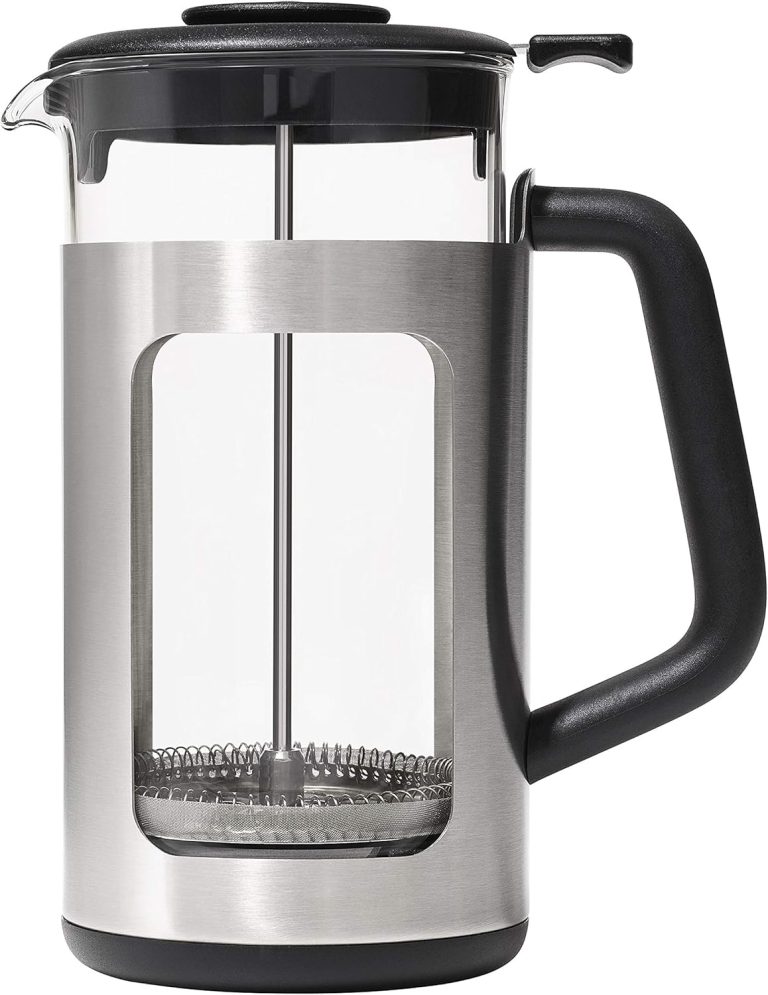
A French press brews coffee by soaking grounds in water. The plunger and mesh screen help trap the grounds when you press down.
That makes the brew full and strong. It also keeps the process very simple.
Basic parts and simple setup
Most French presses have a carafe, lid, plunger, and filter mesh. Some Agaro models may also include a heat-safe body or a comfort grip.
Before brewing, rinse the press with warm water. This helps warm the vessel and removes any dust from storage.
Exact parts and materials can vary by Agaro model. Check your product manual for the parts that came with your unit.
Best coffee grind, water, and brew ratio
Use a coarse grind. Fine grounds can slip through the mesh and make the cup gritty.
A common starting point is about 1 to 2 tablespoons of coffee for each 6 ounces of water. You can adjust from there based on taste.
Water should be hot, but not boiling hard. Very hot water can pull out bitter flavors too fast.
If your coffee tastes weak, add a little more coffee before you change the brew time.
Step-by-Step Brewing Guide for Better Coffee
Once you know the basics, the actual brewing is easy. The key is to keep your grind, water, and steep time steady.
Add coarse grounds to the empty press. Start with a simple ratio and adjust later.
Pour enough water to cover the grounds, then fill to your target level.
Use a spoon to mix the top layer. Do not splash hot water outside the press.
Wait, then press the plunger down slowly and pour right away.
Heat the water to the right temperature
Hot water matters a lot. If it is too cool, the coffee can taste flat. If it is too hot, it can taste harsh.
A simple home trick works well. Bring water to a boil, then let it sit briefly before pouring.
Add coffee, pour water, and stir gently
Add the grounds first. Then pour in a small amount of water to wet them evenly.
After that, fill the press with the rest of the water. Stir once or twice. That helps the grounds brew evenly.
- Use coarse grounds for a cleaner cup.
- Stir gently to wet all the coffee.
- Do not use very fine espresso grind.
- Do not pour boiling water with force.
Steep, press, and pour without over-extracting
Let the coffee steep for a few minutes. Then press the plunger down slowly and with steady pressure.
Pour the coffee soon after pressing. If it sits too long in the press, it can keep brewing and turn bitter.
Press slowly. Forcing the plunger can splash hot liquid and raise the risk of burns.
How the Agaro French Press Works and Why It Matters
A French press looks simple, but the brewing method changes the flavor in a big way. It gives you more body and less paper-filter style clarity.
Filter design and brewing method
The mesh filter lets coffee oils stay in the cup. That is one reason French press coffee tastes rich.
It also means some tiny particles may stay in the drink. That is normal for this style.
How steep time changes taste
Short steep times can make coffee taste thin. Long steep times can make it taste bitter.
That is why timing matters. A small change can shift the flavor a lot.
French press coffee often tastes fuller because the filter does not remove as many natural oils.
Why this method suits rich, full coffee
If you like bold coffee, this method is a strong match. It works well for people who want a simple routine.
It also gives you more control. You can change grind size, water amount, and steep time to fit your taste.
Important Features, Specs, and Buying Points to Check
Not every French press feels the same in daily use. Before you buy, look at the size, materials, and filter quality.
- Capacity and serving size
- Material quality and heat handling
- Filter mesh and plunger feel
- Cleaning and replacement part access
- Manual and safety guidance
Capacity and serving size
Choose a size that fits your daily routine. A small press works for one or two cups.
A larger press helps if you brew for family or guests. Just remember that bigger batches may need more careful pouring.
Material quality, heat retention, and durability
French presses may use glass, steel, or other heat-safe materials. Each one has trade-offs.
Glass lets you see the brew, but it can need gentler handling. Steel often feels tougher and may hold heat longer.
Filter mesh, handle comfort, and ease of use
A good mesh filter helps keep grounds out of the cup. A smooth plunger also makes the press easier to use.
Handle comfort matters too. If the handle feels awkward, pouring can get messy fast.
Benefits and Limits of the Agaro French Press Coffee Maker
The French press has clear strengths, but it is not perfect for every coffee drinker. Knowing both sides helps you choose well.
- Simple brewing with no paper filters or pods
- Rich, full coffee flavor
- Easy to learn for daily use
- Can leave fine sediment in the cup
- Needs careful cleaning after each brew
- Flavor can turn bitter if timing is off
What it does well for daily coffee
For many homes, the biggest win is simplicity. You can make coffee without much gear.
It also gives you a strong, full taste that many people enjoy in the morning.
Where it may fall short for some users
If you want a very clean cup, a French press may not be your best match. Some sediment is part of the method.
It also needs a little attention. You cannot just walk away and forget it.
Who will like it most
This style suits people who like bold coffee and low-fuss tools. It also works well for small kitchens.
If you want a fast cup with very little cleanup, another brewer may fit better.
Best Fit for Everyday Home Brewing
The Agaro French press is a practical pick if you want simple brewing and full flavor.
Common Mistakes, Safety Tips, and Troubleshooting
Most French press problems come from a few small mistakes. The good news is that they are easy to fix.
Too fine grind, wrong water temp, and bad timing
Fine grounds can clog the filter and make the cup muddy. Water that is too hot can make the brew taste sharp.
Steeping too long can also hurt the taste. Try small changes one at a time so you know what helped.
Gritty coffee, weak coffee, and stuck plunger fixes
The coffee tastes gritty.
Use a coarser grind and press more slowly. Check that the filter screen sits flat.
The coffee tastes weak.
Use more coffee, a longer steep, or slightly hotter water.
The plunger feels stuck.
Stop pressing hard. Lift slightly, check the grind, and clean the filter parts.
Safe handling of hot glass and hot water
Always hold the press by the handle. Keep it on a flat, dry surface while brewing.
If your model uses glass, treat it with extra care. Sudden temperature changes can stress glass parts.
Follow the appliance manual and stop using damaged equipment.
Cleaning, Care, and Maintenance for Longer Life
Cleaning matters as much as brewing. Old oils and grounds can make fresh coffee taste stale.
How to clean after each brew
Empty the grounds as soon as the press cools a bit. Rinse the carafe, plunger, and filter parts with warm water.
Use mild soap if the maker allows it. Then dry the parts well before storing.
Rinse, wash, and dry all removable parts.
Check the mesh for trapped grounds or wear.
Do a deeper clean and inspect the plunger seal.
Deep cleaning the filter and plunger
Over time, oils can build up in the mesh and threads. A deeper wash helps keep the coffee taste clean.
Take apart only the removable parts listed in the manual. Do not force pieces that are not meant to come apart.
Storage tips and signs it needs replacement parts
Store the press dry with the lid off or loosely placed on top. That helps prevent trapped moisture and odor.
If the mesh looks bent, the seal feels loose, or grounds keep slipping through, you may need a replacement part.
A quick rinse right after brewing is much easier than scrubbing dried coffee later.
Final Verdict: Is the Agaro French Press Worth It in 2026?
For most coffee drinkers who want simple brewing and rich flavor, the Agaro French press is a practical choice. It fits well in small kitchens and works without extra gadgets.
The main trade-off is cleanup and sediment. If you want a cleaner cup or total hands-off brewing, another coffee maker may suit you better.
Best use cases and value for money
This style makes the most sense for daily home coffee, quick weekend brewing, and small spaces. It also gives good value when you want a low-tech coffee routine.
Simple recommendation for new and regular users
If you’re new to French press coffee, start with a coarse grind, hot water, and a short steep. If you already enjoy bold coffee, the Agaro French press should feel familiar and easy.
The Agaro French press is a smart pick for rich, simple coffee, as long as you can handle a little cleanup and careful timing.
- Use coarse grounds for the best French press results.
- Steep for a short, steady time and press slowly.
- Clean the mesh and plunger after each use.
- Choose this brewer if you like bold coffee and simple tools.
Frequently Asked Questions
Use a coarse grind for the best results. Fine grounds can slip through the mesh and make the coffee gritty.
Use hot water that is not at a hard boil. Very hot water can make the coffee taste harsh or bitter.
A short steep usually works best, but the exact time can vary by taste and model. Start with a few minutes and adjust from there.
Gritty coffee often comes from grounds that are too fine or a filter that is not seated well. Try a coarser grind and press slowly.
Rinse the carafe, plunger, and filter parts with warm water after each brew. Use mild soap if your manual allows it, then dry the parts well.
Stop using it if the glass is cracked, the mesh is damaged, or the plunger feels unsafe. Follow the manual and replace worn parts as needed.