Why Use a French Press Instead of Coffee Maker Today

A French press is often better if you want richer coffee, lower cost, and a simple brew routine. A drip coffee maker still wins for larger batches, timed brewing, and easy push-button convenience.
If you want richer coffee, more control, and fewer parts, a French press can beat a drip coffee maker for many homes. It is not better for everyone, but it often wins on taste, cost, and simplicity.
- Flavor: French press coffee usually tastes fuller and richer.
- Control: You can adjust grind, steep time, and strength easily.
- Cleanup: Fewer parts usually mean faster daily cleaning.
- Best use: It suits small households and simple kitchen setups.
Why Use a French Press Instead of a Coffee Maker Today
A French press is worth a look when you want a simple brew with a fuller feel. It uses no paper filter, so more coffee oils stay in the cup.
That gives the drink a heavier body and a bolder taste. If you like a clean, light cup, a drip machine may still suit you better.
The short answer for busy home coffee drinkers
Use a French press if you want good coffee without a lot of machine parts. You only need hot water, coffee, and a press.
It also works well for small kitchens. There is no warming plate, no water tank, and no complex controls.
What makes this choice worth considering in 2026
In 2026, many people still want tools that are easy to use and easy to store. A French press fits that need well.
It can also suit people who want less waste. You do not need paper filters, pods, or a powered machine.
How a French Press Works Compared With a Drip Coffee Maker
These two brewers make coffee in very different ways. That difference changes taste, texture, and cleanup.
Immersion brewing versus drip brewing
A French press uses immersion brewing. The grounds sit in hot water for several minutes.
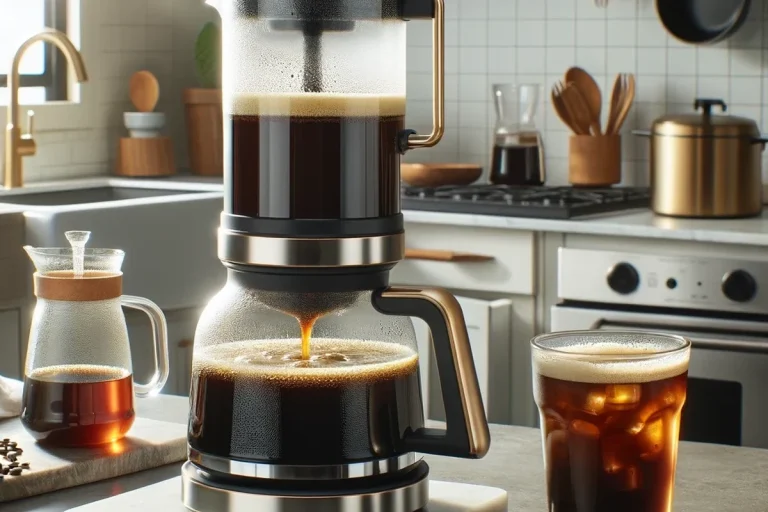
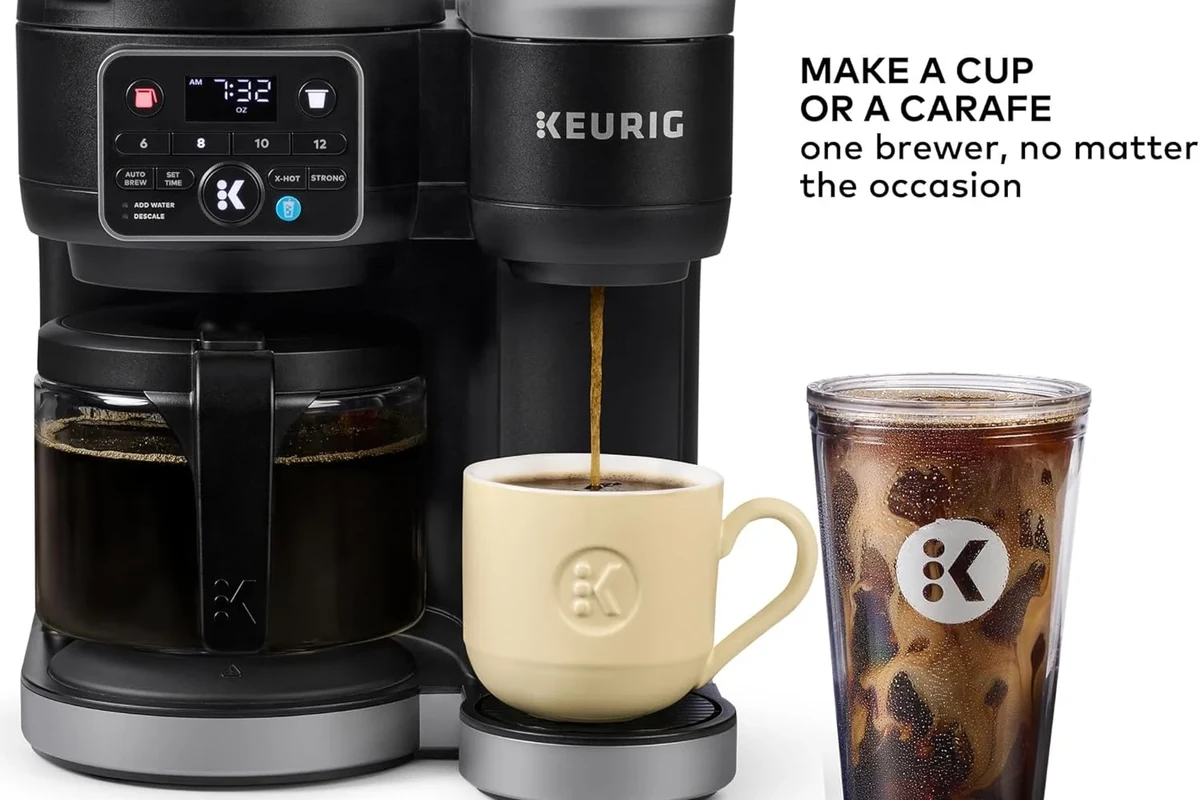
A drip coffee maker uses a slower flow of water through a filter bed. Water passes through the grounds and drips into a carafe below.
Why the brew style changes taste and texture
Immersion pulls out more oils and fine particles. That can make the coffee taste richer and feel thicker.
Drip brewing usually gives a cleaner cup. The paper filter catches more oils and sediment.
Paper filters can remove more coffee oils, which often makes drip coffee taste lighter.
What parts matter most in each method
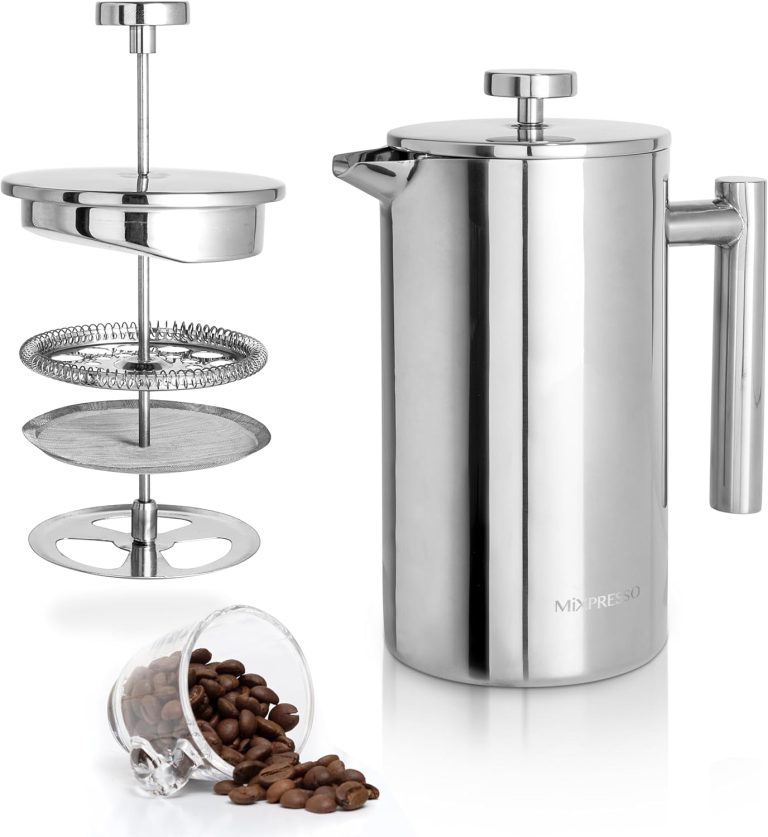
A French press has a carafe, lid, plunger, and mesh filter. That keeps the design simple.
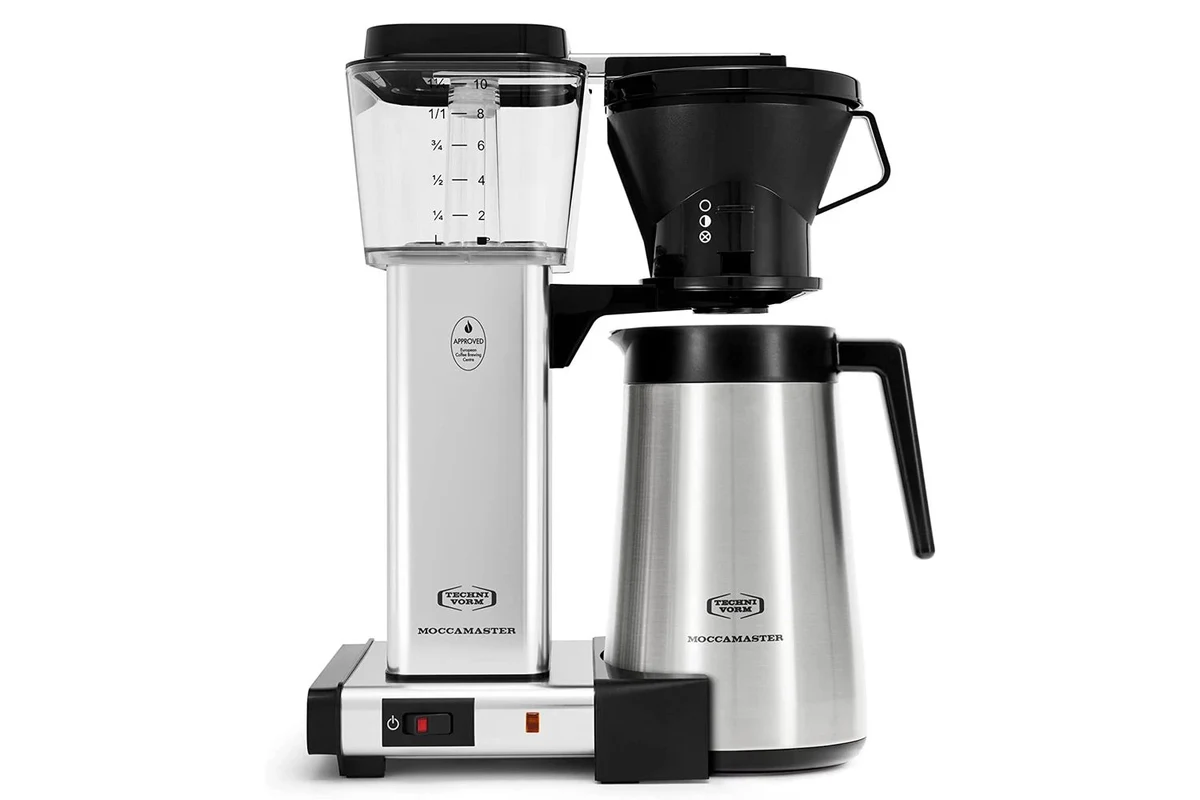
A drip maker has more parts. It often includes a water reservoir, spray head, filter basket, carafe, and hot plate.
Simple parts make setup and storage easy.
More parts can mean more convenience, but also more cleanup.
Main Reasons People Choose a French Press
Most people switch for taste first. After that, they notice the lower cost and simpler routine.
Richer flavor and fuller body
French press coffee often tastes bold and round. The mesh filter lets more natural oils stay in the cup.
That fuller body can make dark roasts feel deeper. It can also help medium roasts taste more lively.
More control over brew strength
You control the grind, water amount, and steep time. That makes it easier to fine-tune the flavor.
If your coffee tastes weak, steep it a little longer. If it tastes too strong, shorten the brew time or use more water.
- Use a coarser grind for cleaner French press coffee.
- Stir gently after adding water for even extraction.
- Press slowly to reduce grit in the cup.
Lower cost and fewer parts
A French press usually costs less than many electric coffee makers. Exact price varies by brand, size, and material.
It also has fewer parts that can break. That can make it a smart pick for simple kitchens and tight budgets.
Better for small batches and simple routines
French press brewing works well when you make one to four cups. It is a good fit for solo drinkers and couples.
You heat water, steep, and pour. That is often faster than setting up a full drip machine for a small amount.
- French press coffee tastes fuller and richer.
- It gives you more control over strength.
- It often costs less and uses fewer parts.
Where a Coffee Maker Still Makes More Sense
A French press is not the best answer for every kitchen. Drip machines still have clear strengths.
Best uses for automatic drip machines
Choose a drip machine if you want hands-off brewing. It can make coffee with little attention once you start it.
It also makes sense for larger households. Many models brew more cups at once than a French press.
Speed, volume, and convenience tradeoffs
Drip makers can be more convenient when you want coffee ready on a schedule. Some include timers and warming plates.
That said, they often take more counter space. They also need more cleaning than a simple press.
- Brews larger amounts with less effort
- Can offer timed brewing and warming
- Good for busy mornings
- Usually has more parts to clean
- Can take more counter space
- May cost more than a press
Who should not switch to a French Press
If you want coffee fast and in large amounts, a French press may frustrate you. It needs a few minutes of steep time.
If you dislike any sediment in your cup, a drip machine may suit you better. French press coffee often has more fine grit.
What to Look for in a Good French Press
Not every press feels the same in daily use. A few details matter a lot.
Size, material, and filter quality
Pick a size that matches how much coffee you drink. A too-large press can waste coffee and water.
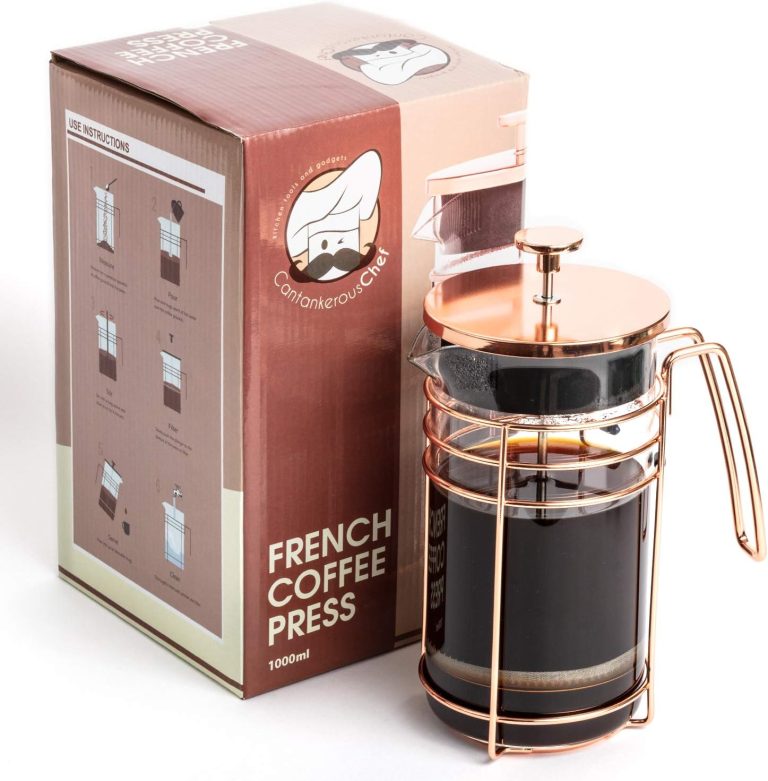
Glass, stainless steel, and other builds each have tradeoffs. Glass lets you see the brew, while steel often feels sturdier.
Heat retention and build durability
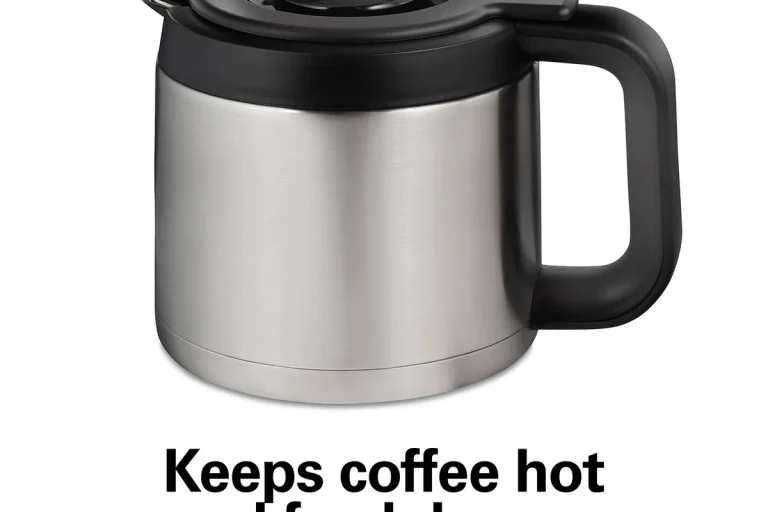
Some presses keep heat better than others. Better heat retention can help the coffee stay warm during steeping.
Durability matters too. A sturdier frame or body may hold up better in busy kitchens.
Ease of cleaning and daily use
Cleaning should be quick. A press with simple parts makes that much easier.
Look for a filter assembly that comes apart without a fight. That helps you rinse out grounds before they dry.
- Check capacity and footprint.
- Review filter design and cleaning steps.
- Confirm material, durability, and warranty details.
- Read the manual for safe use and care.
How to Brew Better Coffee With a French Press
Good results depend on a few basics. Grind size and water temperature matter most.
Grind size, water temperature, and steep time
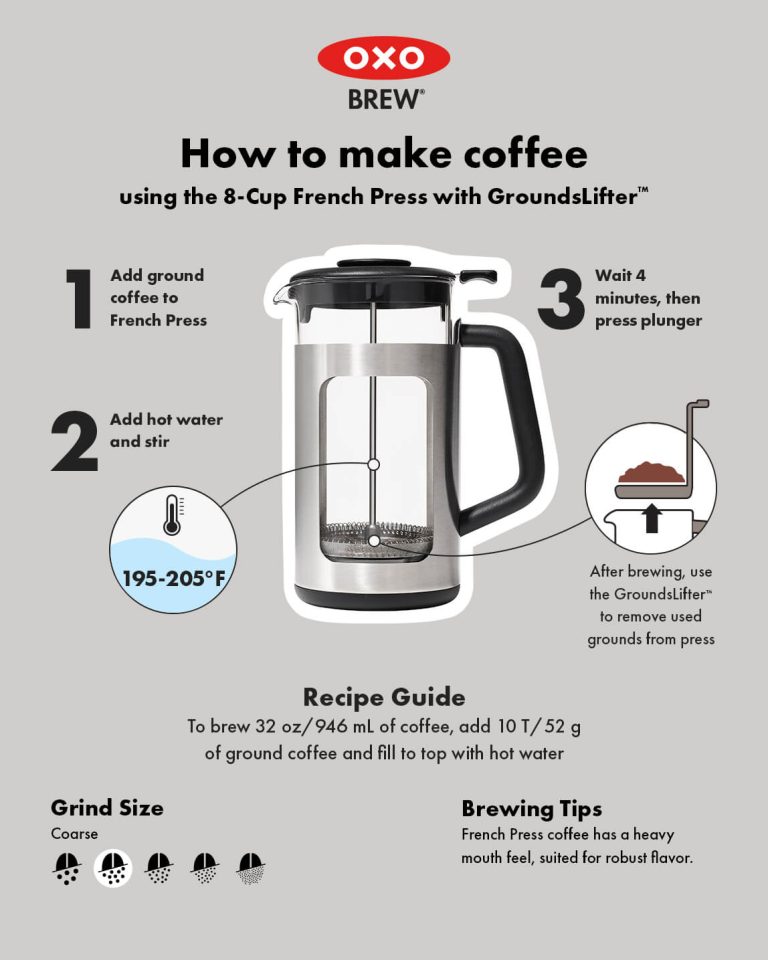
Use a coarse grind. Fine grounds can make the cup muddy and hard to press.
Use hot water, but not boiling water if you can avoid it. Let it cool slightly after boiling, then steep for a few minutes.
Coarse ground coffee
Hot water
Spoon
Timer
Common brewing mistakes to avoid
Do not use a very fine grind. It can clog the filter and create a bitter cup.
Do not press too hard or too fast. A slow press works better and keeps the grounds more settled.
- Use coarse grounds for cleaner coffee.
- Stir gently after adding water.
- Press down in a slow, steady way.
- Do not use a fine espresso-style grind.
- Do not leave coffee sitting too long after brewing.
- Do not force the plunger if it resists.
Simple ratio guide for strong or mild coffee
Start with a common coffee-to-water ratio and adjust from there. Exact results depend on beans, grind, and taste.
For stronger coffee, use more grounds. For a milder cup, use less.
Cleaning, Safety, and Long-Term Care
A French press is simple, but it still needs careful handling. Hot water and glass can cause burns or breaks.
How to clean the press after each use
Empty the grounds soon after brewing. Rinse the carafe and filter parts with warm water.
Wash the parts with mild soap as needed. Let everything dry before you store it.
Remove grounds, rinse parts, and wash the filter assembly.
Check the mesh, plunger, and seals for wear or buildup.
Safety tips for hot water and glass models
Be careful with freshly boiled water. It can cause serious burns.
If your press uses glass, handle it gently and keep it away from hard knocks. Stop using any cracked or damaged part.
Follow the product manual for safe water temperature, cleaning, and handling. Replace damaged parts right away.
Maintenance habits that help it last longer
Clean the filter well so oils do not build up. Built-up residue can affect taste and make pressing harder.
Store the press dry and assembled loosely if the manual allows it. That can help prevent odors and trapped moisture.
Follow the appliance manual and stop using damaged equipment.
Final Verdict: Is a French Press Worth It for You?
For many home coffee drinkers, yes. A French press is a strong choice if you want rich taste, low cost, and a simple routine.
It is also a good fit for small kitchens and people who make one or two servings at a time.
Best fit for flavor lovers, budget buyers, and simple kitchens
Choose a French press if flavor matters most. Choose one if you want fewer parts and less machine clutter.
It is also smart if you do not need timed brewing or big batch output.
Transparent recommendation from the Red Kitchen Project Editorial Team
The Red Kitchen Project Editorial Team sees the French press as the better everyday pick for many solo drinkers and couples. A drip coffee maker still makes more sense for larger homes and busy schedules.
In short, use a French press when you want better control and a fuller cup. Keep the coffee maker when convenience and volume matter more.
A French press is worth it if you value bold flavor, simple cleanup, and a low-cost brew method. A drip coffee maker is still the better choice for bigger batches, timed brewing, and true push-button ease.
Frequently Asked Questions
A French press uses immersion brewing, so more oils and fine particles stay in the cup. That usually gives the coffee a fuller body and a richer taste.
Use a coarse grind for the best results. Fine grounds can make the coffee muddy and harder to press.
Start with a common brew ratio and adjust to taste, since beans and grind size can change the result. Use more grounds for stronger coffee and fewer grounds for a milder cup.
Usually, yes, because it has fewer parts. Empty the grounds right away, rinse the pieces, and wash the filter assembly as needed.
People who want large batches, timed brewing, or push-button convenience may prefer a drip machine. It can also be better if you do not want any sediment in the cup.
They are safe only when you follow the manual and handle hot water carefully. Let water cool slightly if needed, and stop using any cracked or damaged glass part.