French Press Coffee Brewing Techniques: Perfect Brew

French press coffee brewing techniques deliver full-bodied, aromatic coffee using immersion and coarse grounds.
I’ve brewed coffee with a French press for years and tested many tweaks to nail the best cup. This guide explains french press coffee brewing techniques step by step, with tips from bean choice to pour timing. You will learn clear, practical methods and small changes that make a big flavor difference. Read on to master each step and enjoy reliably great French press coffee.
Why choose a French press
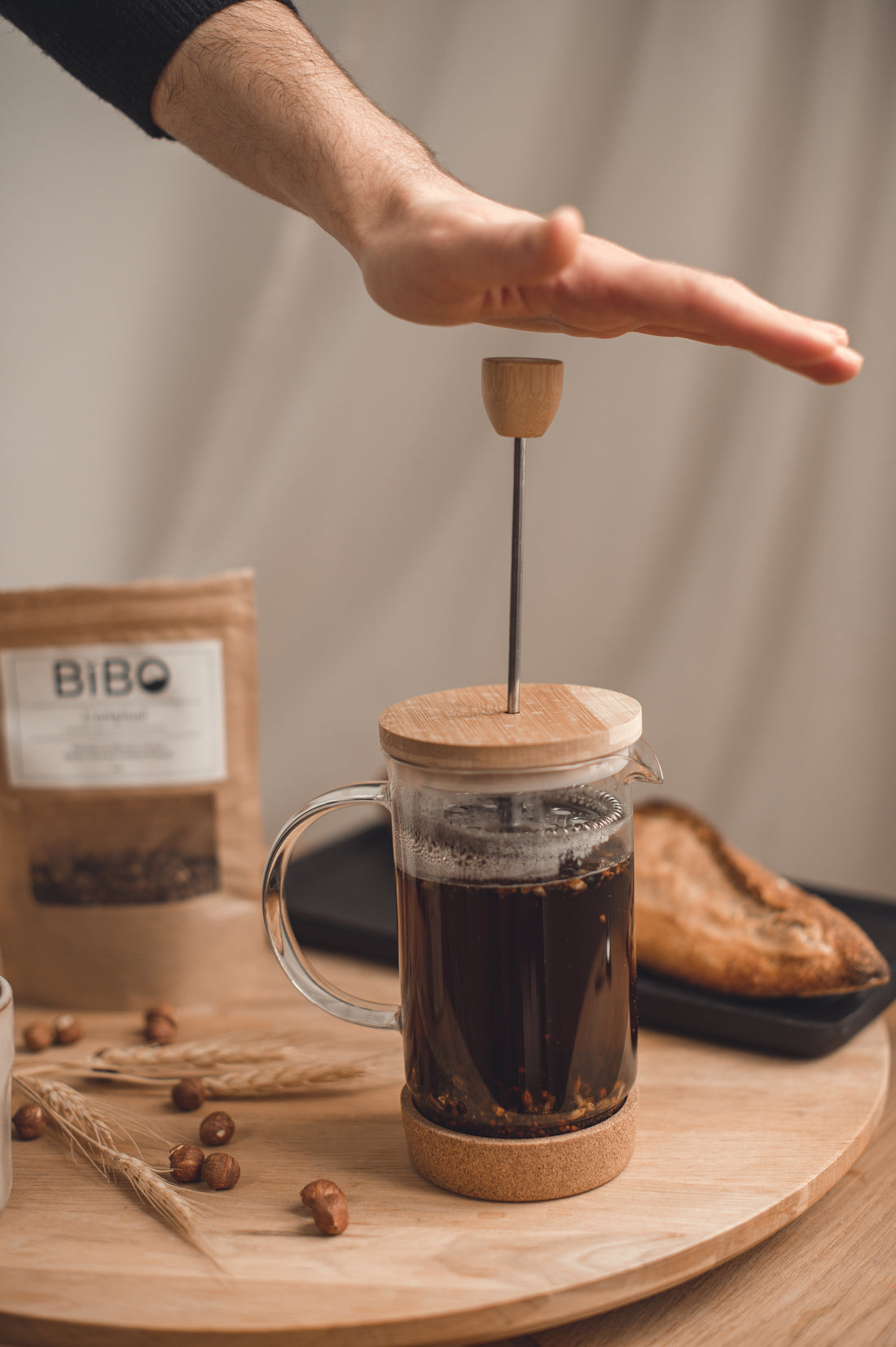
A French press makes coffee with full body and clear flavor. The device brews by immersion. That means coffee sits in water and releases oils and solids that paper filters remove.
French press coffee brewing techniques let you control strength, time, and texture. You can make a clean, bold cup or a rich, heavy one. For many drinkers, that control is the key benefit.
Essential equipment and beans for best results
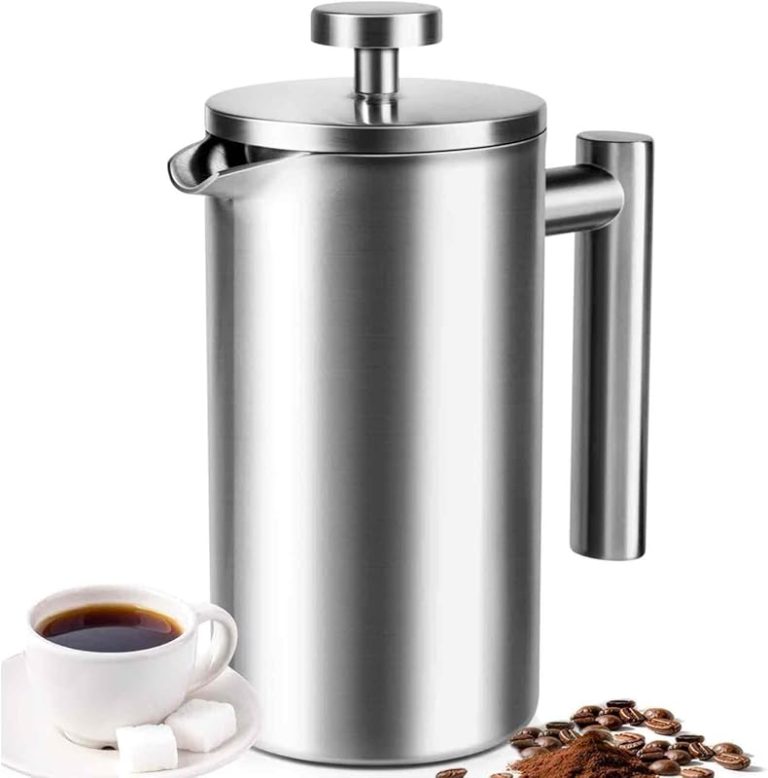
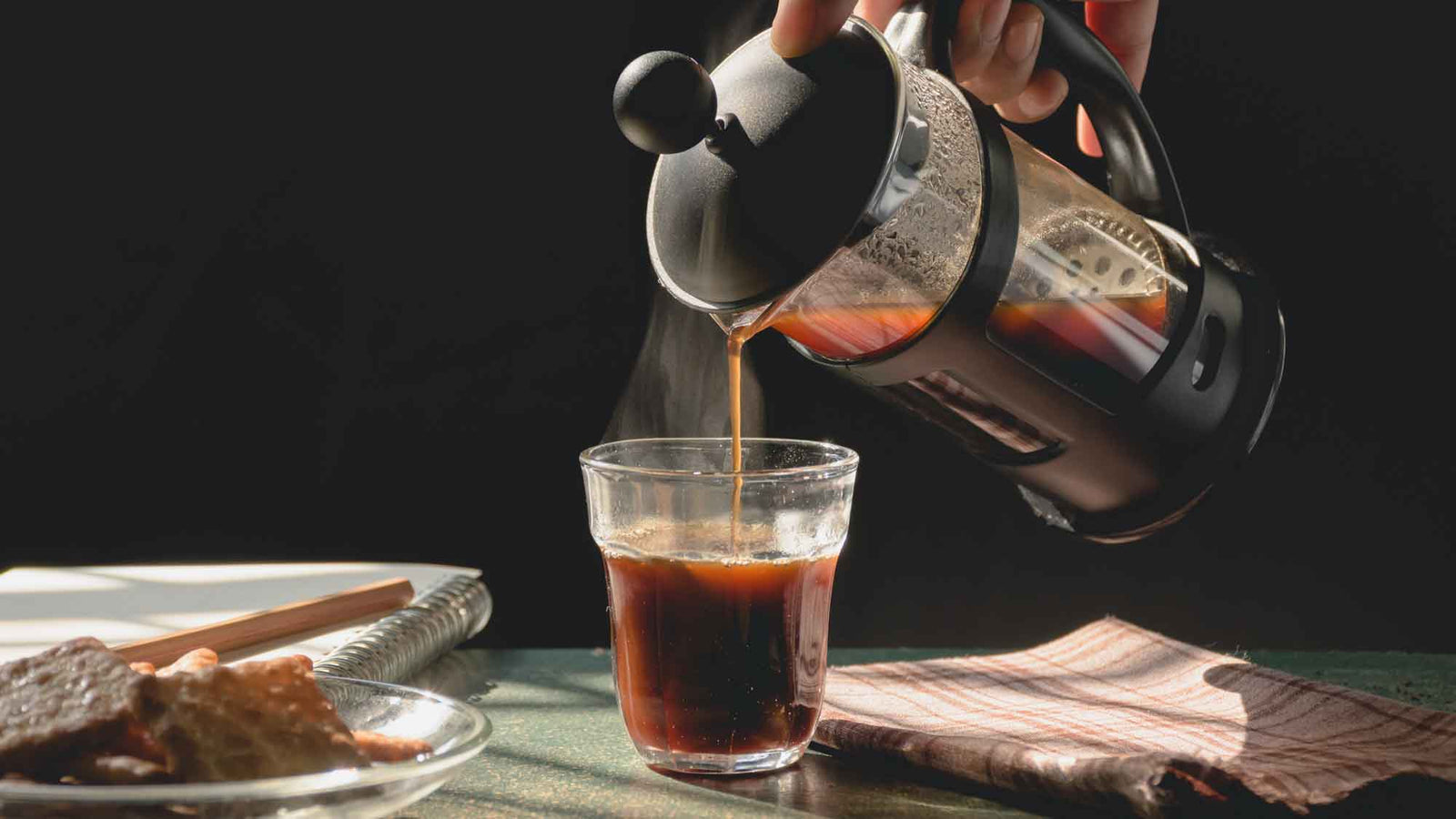
Use the right tools to use french press coffee brewing techniques well. Good gear gives consistent heat and grind. Here are essentials.
- French press
Use a well-fitting plunger and metal mesh. Glass or stainless steel both work. - Grinder
Use a burr grinder. It gives an even coarse grind needed for immersion. - Kettle and thermometer
Heat water to 195–205°F. A thermometer or gooseneck kettle helps. - Scale
Measure coffee and water for consistent ratios. Aim for 1:12 to 1:15 coffee to water. - Fresh beans
Choose beans roasted within three weeks. Medium to dark roasts suit French press well.
Those tools make french press coffee brewing techniques easier to repeat. Small investments yield big flavor gains.
Step-by-step brewing guide
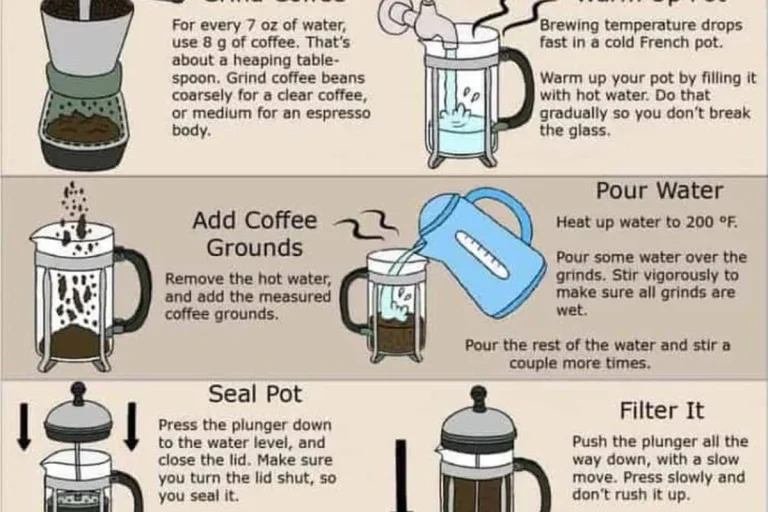
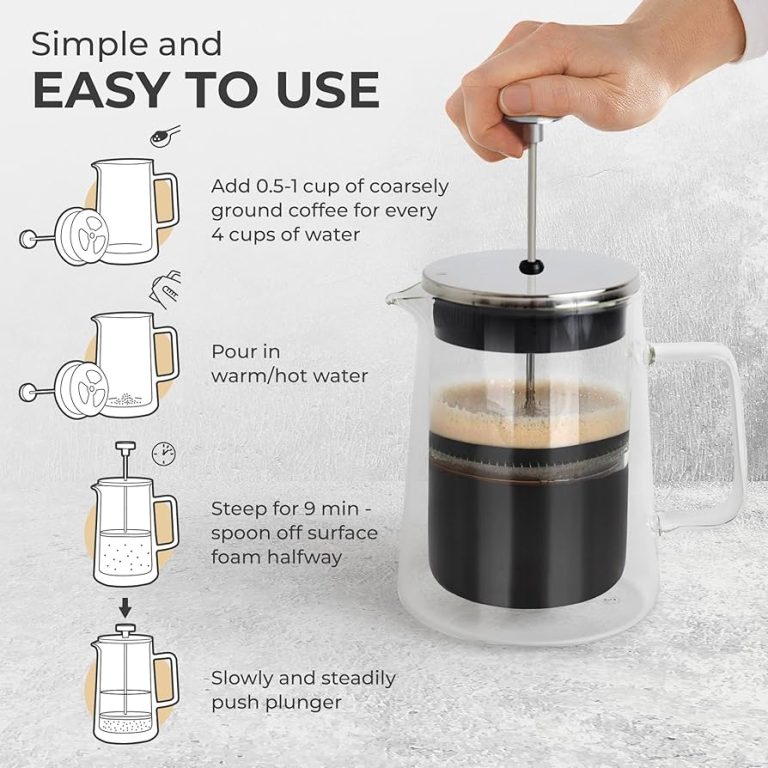
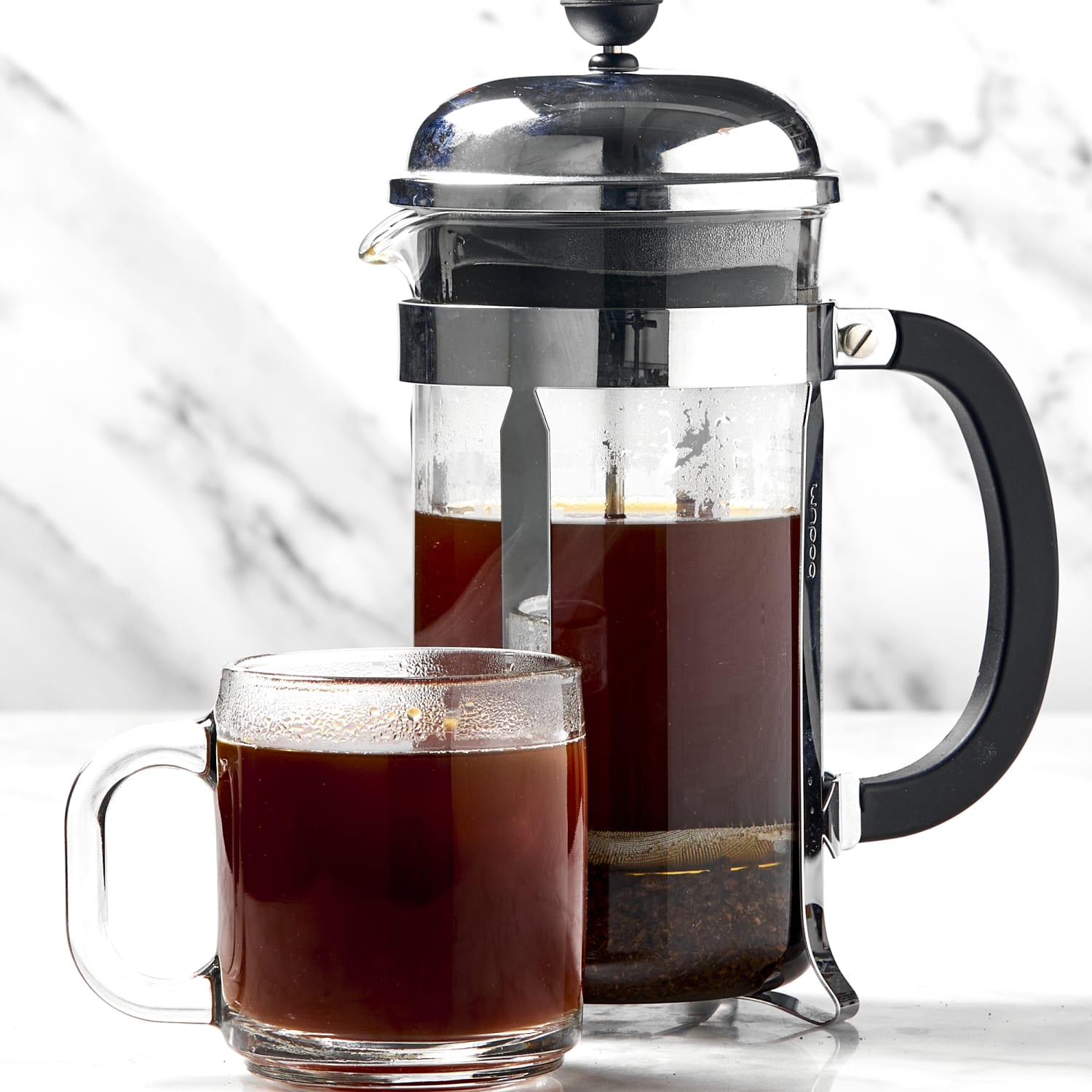
Follow these steps to apply french press coffee brewing techniques. Each step is simple. Measure and time carefully.
- Measure and grind
- Use 1 gram coffee to 12–15 grams water. For one cup, try 15 g coffee to 225 g water.
- Grind coarse. It should look like dry sea salt.
- Preheat
- Warm the press and cup with hot water. Discard the warming water before brewing.
- Add grounds and bloom
- Add grounds to the carafe. Pour a small amount of water to wet all grounds. Let sit 30–45 seconds.
- Add remaining water and stir
- Pour in the rest of the water in a slow spiral. Give one gentle stir to break clumps.
- Steep
- Place the lid on with the plunger up. Let it steep 3–4 minutes for balanced flavor.
- Plunge and serve
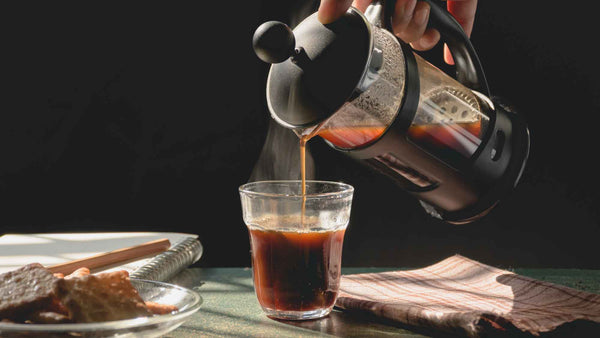
- Press down slowly and evenly. Pour immediately to avoid over-extraction.
Practicing these steps builds muscle memory for french press coffee brewing techniques. Small timing changes alter flavor in predictable ways.

Advanced techniques and flavor tweaks
After you master basics, try these advanced french press coffee brewing techniques for nuance. Each tweak shifts balance, acidity, or body.
- Adjust grind for clarity
Coarser grind reduces sediment and bitterness. Finer grind increases strength but risks over-extraction. - Change brew time for taste
Shorten to 2:30–3:00 minutes for brighter cups. Extend to 4:30–5:00 minutes for more body. - Use different water temperatures
Lower temps preserve acidity. Higher temps extract more oils and sweetness. - Double bloom
Pour twice to wake beans gently. This can lift delicate aromas. - Invert method
Steep with kettle over the top, then flip and plunge. It can reduce sediment and isolate flavors. - Rinse filter
Rinse the plunger screen with hot water to remove metal flavors and trapped particles.
Try one change at a time when testing french press coffee brewing techniques. Keep notes on grind, time, and taste. That way you learn faster.
:max_bytes(150000):strip_icc()/Simply-Recipes-French-Press-Coffee-METHOD-07-e61f9c9136b94f3389522ec2f52892a5.jpg)
Common mistakes and how to fix them
Avoid these pitfalls when practicing french press coffee brewing techniques. They are easy to fix.
- Too-fine grind
Problem: Bitter, muddy cup. Fix: Coarsen the grind and stir gently. - Over-steeping
Problem: Harsh and astringent taste. Fix: Reduce steep time by 30–60 seconds. - Wrong ratio
Problem: Weak or syrupy coffee. Fix: Use a scale and stick to 1:12–1:15. - Not serving quickly
Problem: Over-extraction when grounds sit. Fix: Pour into a thermal carafe or serve immediately. - Dirty press
Problem: Off flavors from old oils. Fix: Clean parts after each use and deep-clean weekly.
Learning from mistakes improved my coffee. I once used a very fine grind and blamed beans. After switching to coarse grind, the cup brightened dramatically.

Cleaning and maintenance
Good cleaning supports consistent french press coffee brewing techniques. It keeps flavor pure and extends gear life.
- Daily rinse
Rinse the carafe and plunger right after use. Remove grounds and rinse mesh. - Deep clean weekly
Disassemble the filter stack and scrub with warm, soapy water. Rinse thoroughly. - Remove oils
Use a mild detergent or a baking soda scrub monthly to cut oils that build up. - Check seals
Inspect the plunger gasket and springs. Replace parts if they warp or break.
A clean press makes each brew taste as intended. I clean mine after every use and deep-clean on weekends.
Brewing recipes to try
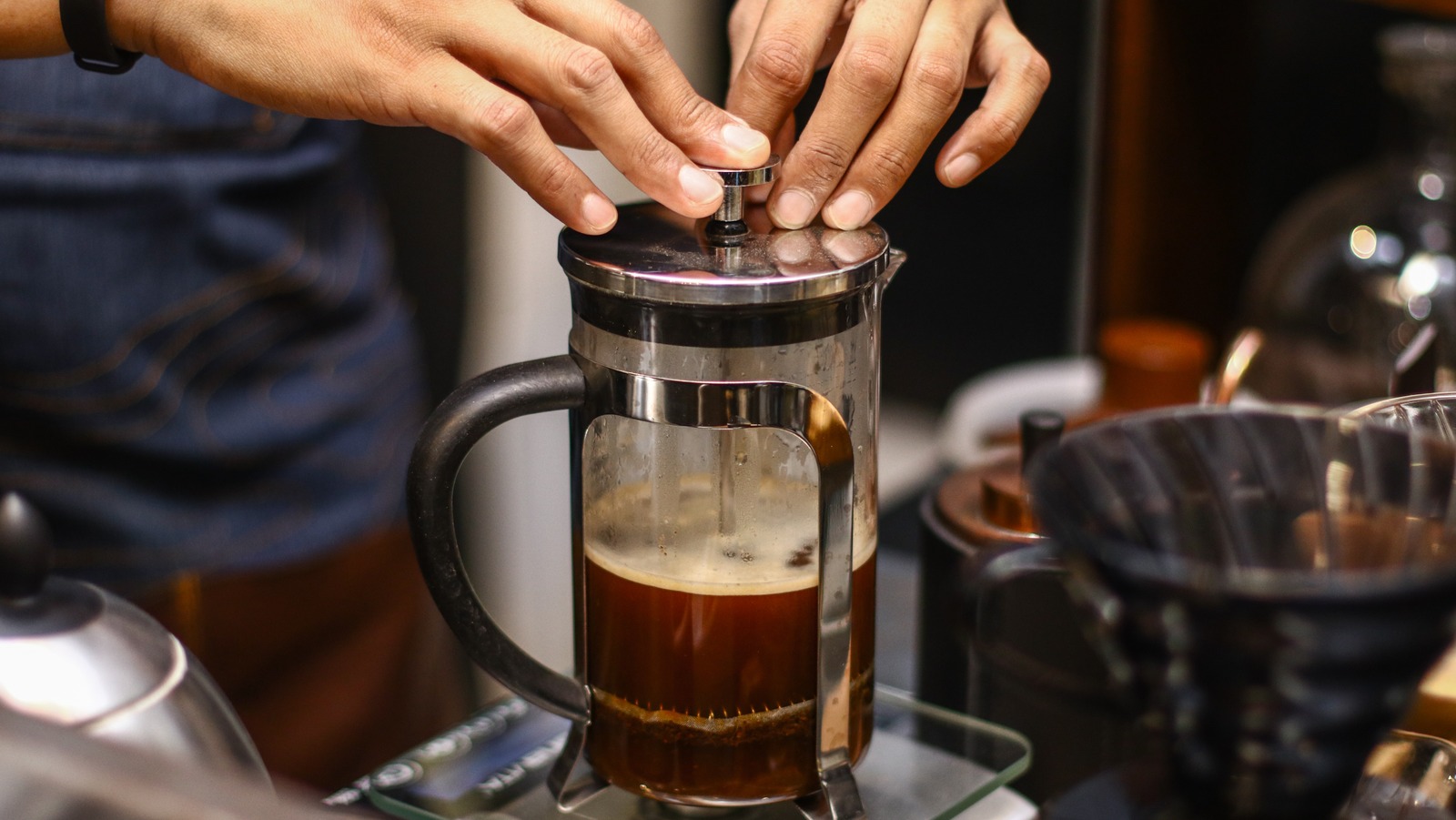
Practice these recipes to explore french press coffee brewing techniques. Each recipe includes ratio and timing.
- Balanced morning cup
- Ratio: 1:14
- Grind: Coarse
- Time: 4 minutes
- Bright and floral
- Ratio: 1:15
- Grind: Slightly coarser
- Time: 3 minutes
- Rich and heavy
- Ratio: 1:12
- Grind: Coarse-medium
- Time: 4:30 minutes
Keep a small journal. Note beans, roast date, grind setting, and your rating. This helps you refine technique quickly.

Personal lessons and practical tips
My experience with french press coffee brewing techniques taught me a few rules. These tips save time and improve flavor.
- Fresh beans matter more than gadget upgrades.
- A consistent grind gives the biggest lift in clarity.
- Use a scale, not scoops. Scoops vary widely.
- Clean immediately after use to avoid stale flavors.
- Record one change at a time so you know what worked.
I once chased new kettles when a poor grinder was the real issue. Fixing the grind made a bigger difference than any new tool.
Frequently Asked Questions of french press coffee brewing techniques
What grind size should I use for a French press?
Use a coarse grind, similar to coarse sea salt. This reduces sediment and keeps extraction steady for french press coffee brewing techniques.
How long should I steep French press coffee?
Steep between 3 and 4 minutes for most beans. Adjust by 30–60 seconds to make it brighter or heavier.
What coffee-to-water ratio is best?
Start with 1:14 (coffee to water) and tweak to taste. For stronger coffee use 1:12; for milder use 1:15.
Can I use pre-ground coffee in a French press?
You can, but fresh ground beans taste better. Pre-ground may be too fine or stale for true french press coffee brewing techniques.
How do I reduce sediment in my cup?
Use a coarser grind, pour carefully, and let grounds settle before pouring. A decant into another vessel can help too.
Is French press coffee stronger than drip coffee?
French press can taste stronger because it retains oils and solubles. Strength depends on ratio, grind, and steep time.
Conclusion
French press coffee brewing techniques give you control to shape taste, body, and aroma. Use a consistent grind, the right ratio, and careful timing to make better cups. Try one tweak at a time and keep notes to learn fast.
Take action today: grind fresh beans, set your scale, and test a 1:14 ratio for four minutes. Share your results, subscribe for more tips, or leave a comment with your favorite tweak.