Why French Press Coffee Is Better for Rich Flavor

French press coffee is better when you want a rich, full cup with strong aroma and more body. It is less ideal if you want a very clean brew with little sediment.
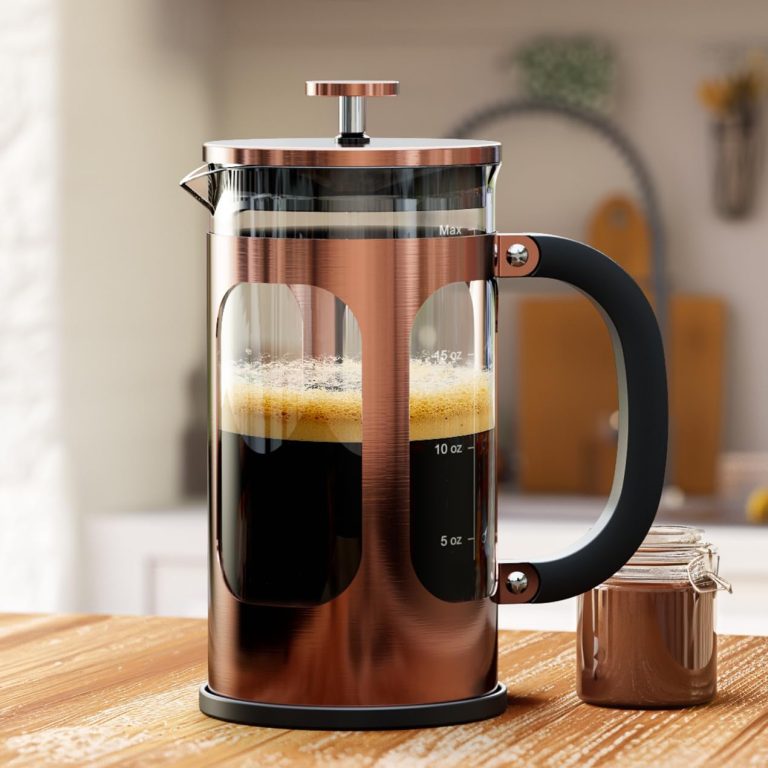
French press coffee is often better when you want a richer, fuller cup with more body. It lets the coffee oils stay in the brew, which gives the drink more depth than many paper-filter methods.
That does not mean it is the best choice for everyone. But if you care most about flavor, texture, and simple gear, the French press has a strong case.
- Rich flavor: French press keeps oils that add body and aroma.
- Simple method: Immersion brewing is easy to learn and control.
- Trade-off: Some sediment can reach the cup.
- Best use: Great for bold coffee drinkers and low-fuss routines.
Why French Press Coffee Is Better for Rich Flavor
The French press stands out because it makes coffee taste bold and round. It does this with immersion brewing and a metal filter, not a paper one.
For many people, that means the cup tastes more like the bean itself. You get more aroma, more body, and a thicker feel on the tongue.
In short, French press coffee is better for drinkers who want flavor first and fuss last.
How French Press Brewing Works
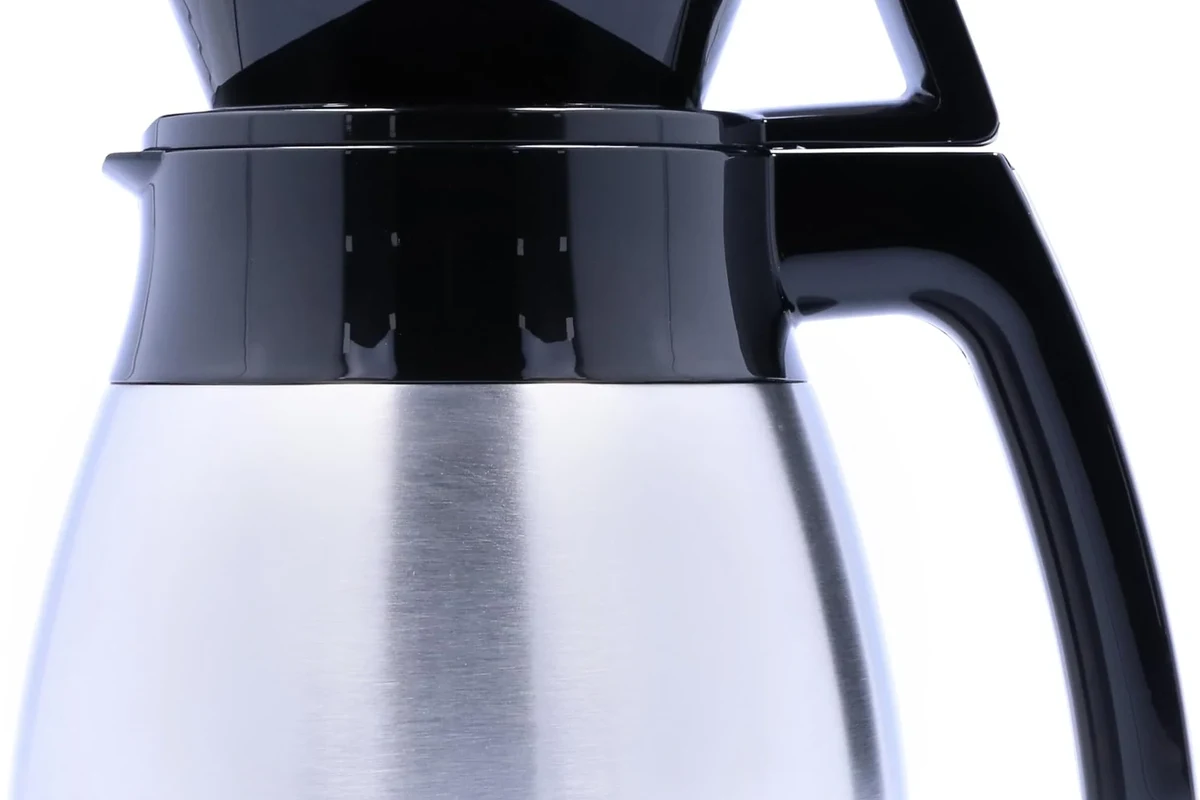
A French press steeps coffee grounds in hot water for several minutes. Then you press a mesh plunger through the brew to separate the grounds.
This simple setup gives the water more time to pull flavor from the coffee. It also keeps more natural coffee oils in the cup.
What Makes Immersion Brewing Different
Most drip methods pour water through coffee fast. A French press does the opposite. It keeps the grounds and water together until the brew time ends.
That longer contact helps build a deeper, heavier cup. It also gives you more room to change the strength by changing time, grind, or ratio.
Immersion brewing often highlights body more than brightness, which many drinkers call a richer taste.
Why the Metal Filter Changes Taste and Texture
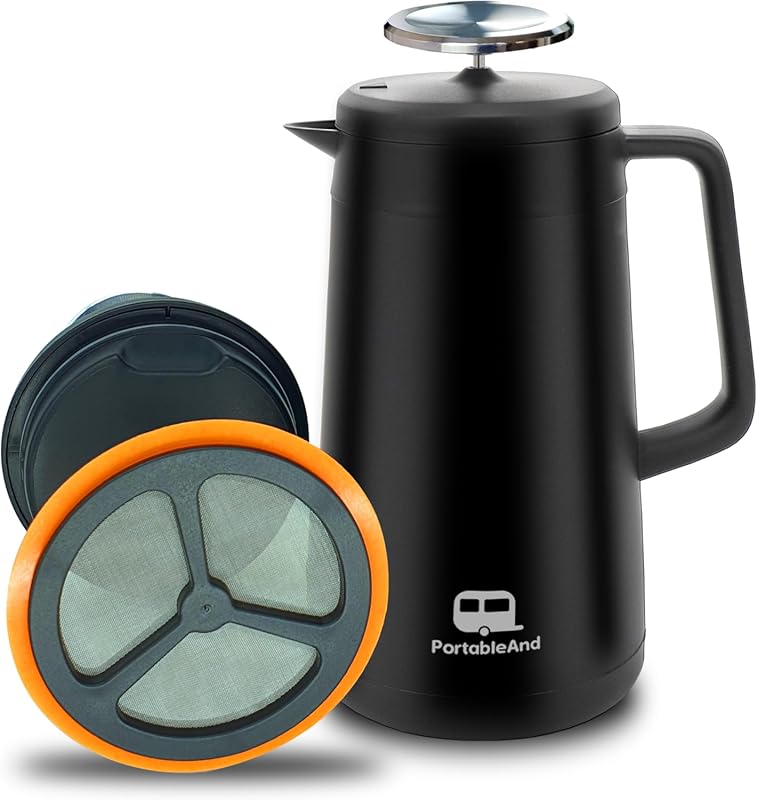
A French press uses a metal mesh filter. It lets more fine particles and oils pass through than paper filters do.
That changes both taste and feel. The cup can seem fuller, heavier, and a little more rustic.
Some coffee fans love that texture. Others prefer a cleaner cup, which is why taste is still personal.
Main Benefits of French Press Coffee
French press coffee has a few clear strengths. It gives you strong flavor, easy control, and solid value over time.
- Rich, full-bodied coffee with deep aroma
- Simple brewing with no paper filters
- Easy strength control for daily use
- Good value for budget-minded coffee drinkers
Fuller Body and Stronger Aroma
The biggest reason people prefer French press coffee is body. The oils that stay in the cup help create a rounder mouthfeel.
The aroma also feels strong and direct. If you enjoy dark roasts or earthy blends, the French press often brings those notes forward.
- Use fresh beans for the best aroma.
- Grind just before brewing when possible.
- Warm the press first to help retain heat.
More Control Over Brew Strength
You can change French press strength in a few easy ways. Use more coffee, less water, a finer grind, or a longer steep.
That makes it flexible for homes with different taste preferences. One person may want a bold cup, while another wants a softer one.
Can you make French press coffee weaker if it tastes too strong?
Yes. Use less coffee, a slightly coarser grind, or a shorter brew time next time.
Better Value for Daily Coffee Drinkers
A French press usually costs less than many electric coffee setups. It also does not need paper filters or pods.
That can make daily brewing simpler and cheaper. For a lot of households, that mix of low cost and strong taste is hard to beat.
Value depends on the model, the materials, and how often you brew. Glass, steel, and travel styles can differ a lot.
Limits of French Press Coffee You Should Know
French press coffee is not perfect. It has a few common drawbacks that matter to some drinkers more than others.
Sediment in the Cup
The mesh filter does not catch every fine particle. That means some sediment can end up in the cup.
For some people, this adds to the rustic feel. For others, it makes the last sip less pleasant.
Steeper Learning Curve for New Users
The method looks simple, but small changes can affect taste. Grind size, water temp, and steep time all matter.
New users may need a few tries before the cup tastes right. That is normal, and it does not mean the brewer is bad.
Heat Loss and Timing Issues
French presses can lose heat during brewing, especially in cool kitchens. That can make coffee taste flat if the brew runs too long or too cold.
Timing matters, too. If you steep too long, the cup can turn bitter or muddy.
Use care with hot water and hot glass or steel parts. Follow the manual and keep the press away from children during brewing.
How to Brew Better French Press Coffee at Home
You do not need fancy gear to make a great cup. You just need a good grind, the right water, and steady timing.
Best Coffee Grind, Water Temp, and Brew Time
Use a coarse grind for most French press brews. Fine grinds can slip through the filter and make the cup cloudy and bitter.
Water should be hot, but not boiling hard. Many coffee guides point to water just off the boil, which helps avoid burnt flavors.
Most brews do well with about four minutes of steep time. Still, the best time can vary by bean, roast, and taste.
Simple Ratio Guide for Better Results
A common starting point is about 1 to 15 or 1 to 16 coffee to water. That means one part coffee to 15 or 16 parts water.
If you like a stronger cup, lean toward less water. If you want a lighter cup, add a bit more water next time.
Common Brewing Mistakes to Avoid
- Use coarse grounds for cleaner flow
- Preheat the press if your kitchen runs cool
- Press slowly and steadily
- Using very fine espresso grind
- Leaving coffee in the press after brewing
- Forcing the plunger down fast
One easy mistake is letting the coffee sit in the press after brewing. That keeps extraction going and can make the cup harsher.
French Press vs Other Coffee Methods
The best method depends on what you want in the cup. French press coffee is richer, but other methods can be cleaner, faster, or more precise.
French Press vs Drip Coffee
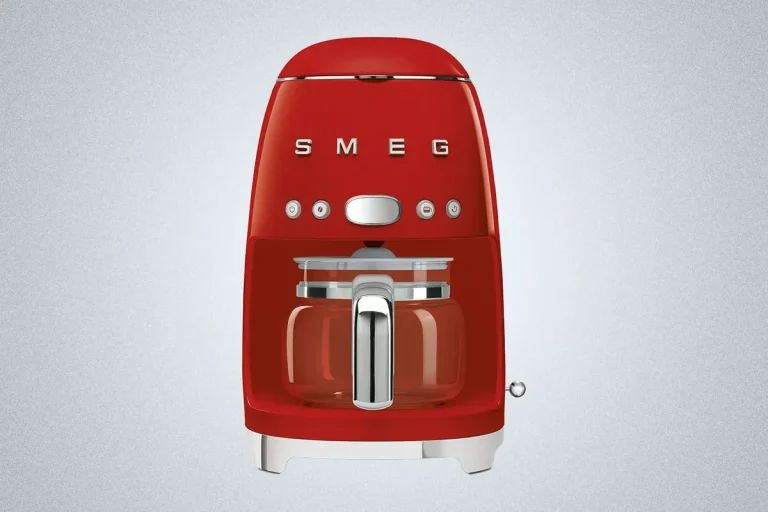
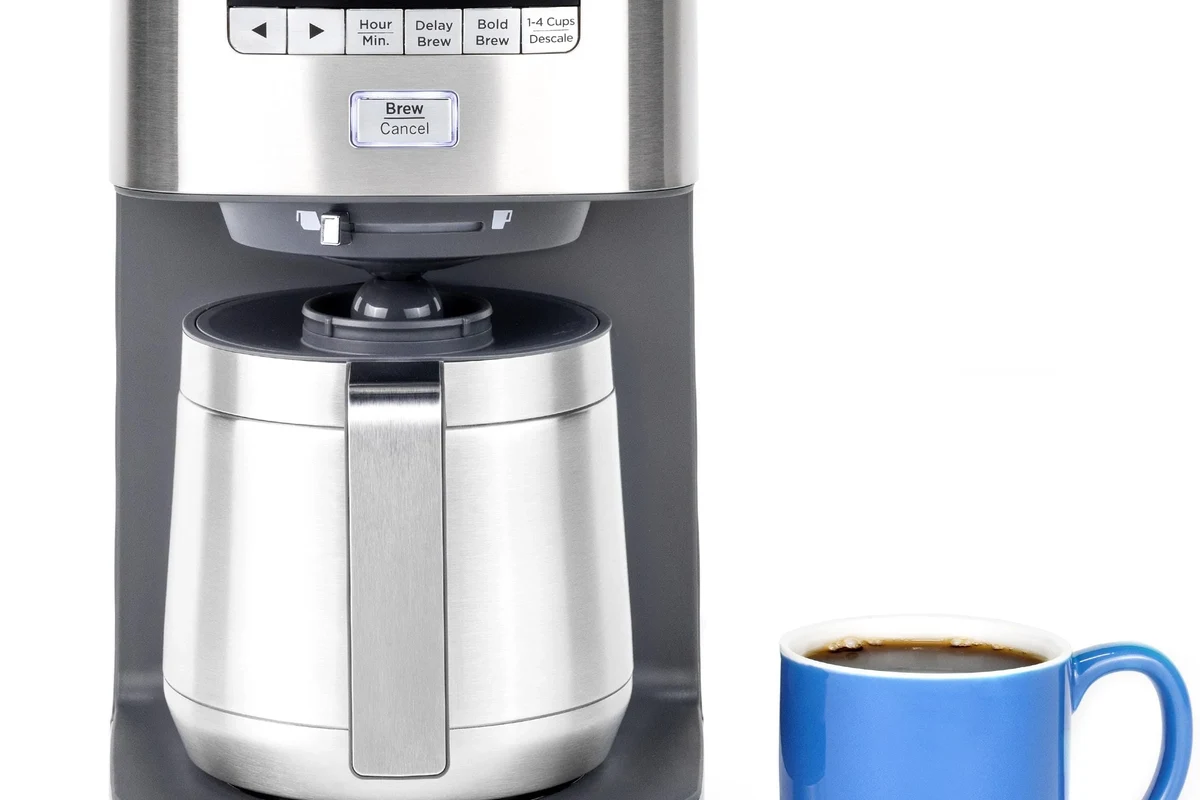
French press gives more body and oil. Drip coffee usually gives a cleaner cup and less sediment.
Drip coffee works well for busy mornings and larger batches. French press often wins when taste and texture matter more than speed.
French press gives more body and aroma.
Drip coffee removes more oils and fine particles.
French Press vs Pour Over
Pour over coffee can taste brighter and cleaner. It often highlights sharp notes and can feel lighter on the palate.
French press tastes fuller and more grounded. If you like a heavy, cozy cup, it may feel more satisfying.
Results vary by bean, roast, grind, and brewer design. A good pour over can still taste rich, but it usually feels different.
French Press vs Espresso-Based Drinks
Espresso uses pressure and a very fine grind. It makes a concentrated shot that works well in lattes, cappuccinos, and similar drinks.
French press coffee is less intense in concentration, but it is easier to make at home. You also avoid the cost and complexity of espresso gear.
Cleaning, Care, and Long-Term Value
A French press can last a long time if you clean it well. Good care also helps the coffee taste better.
How to Clean a French Press Properly
Empty the grounds soon after brewing. Rinse the parts with warm water, then wash them with mild soap if needed.
Check the mesh filter and plunger for trapped fines. If your model has removable parts, follow the manual for safe cleaning.
Discard grounds, rinse parts, and wash the carafe and plunger.
Inspect the mesh, spring, and seals for wear or buildup.
What to Check Before Buying One
Before you buy, think about size, material, and cleanup. Also check whether the parts are easy to replace or wash.
Glass presses can look nice, but steel models often feel tougher. Some households prefer one large press, while others want a smaller one for daily use.
- Capacity and dimensions
- Glass, steel, or travel build
- Filter design and cleanup ease
- Warranty, parts, and safety guidance
Final Verdict: Is French Press Coffee Better for You?
French press coffee is better if you want rich flavor, strong aroma, and a fuller body. It is also a smart pick if you want simple gear and good value.
If you prefer a cleaner, lighter cup, drip or pour over may suit you better. For most flavor-focused coffee drinkers, though, the French press remains one of the best home brewing choices.
French press coffee is a great choice for rich, bold flavor and easy daily brewing. Choose another method if you want less sediment or a brighter, cleaner cup.
- French press makes a fuller, richer cup.
- It uses immersion brewing and a metal filter.
- Cleanup is simple if you rinse it right away.
- It is best for flavor lovers, not sediment fans.
Frequently Asked Questions
A coarse grind usually works best. Fine grounds can slip through the mesh and make the cup bitter or muddy.
A good starting point is about 1 to 15 or 1 to 16. Adjust from there if you want a stronger or lighter cup.
Use hot water that is just off the boil. Very hot water can make the coffee taste harsh.
Empty the grounds soon after brewing, then rinse the parts with warm water. Wash with mild soap when needed and follow the manual for removable parts.
French press keeps more oils and fine particles in the cup. That gives it a fuller body and richer texture than most drip coffee.
Use a coarser grind, shorten the steep time a little, and avoid leaving the coffee in the press after brewing. Fresh beans also help improve taste.