Does French Press Make Good Coffee: Ultimate Taste Test

Yes — a French press makes rich, full-bodied coffee when brewed with fresh beans and correct technique.
I’ve spent years testing home-brew methods and teaching friends to brew. If you’ve asked "does french press make good coffee", this guide answers that clearly. I’ll explain how the French press extracts flavor, what affects taste, and simple steps to get a cup you’ll enjoy every time.
:max_bytes(150000):strip_icc()/Simply-Recipes-French-Press-Coffee-METHOD-07-e61f9c9136b94f3389522ec2f52892a5.jpg)
How a French Press Works
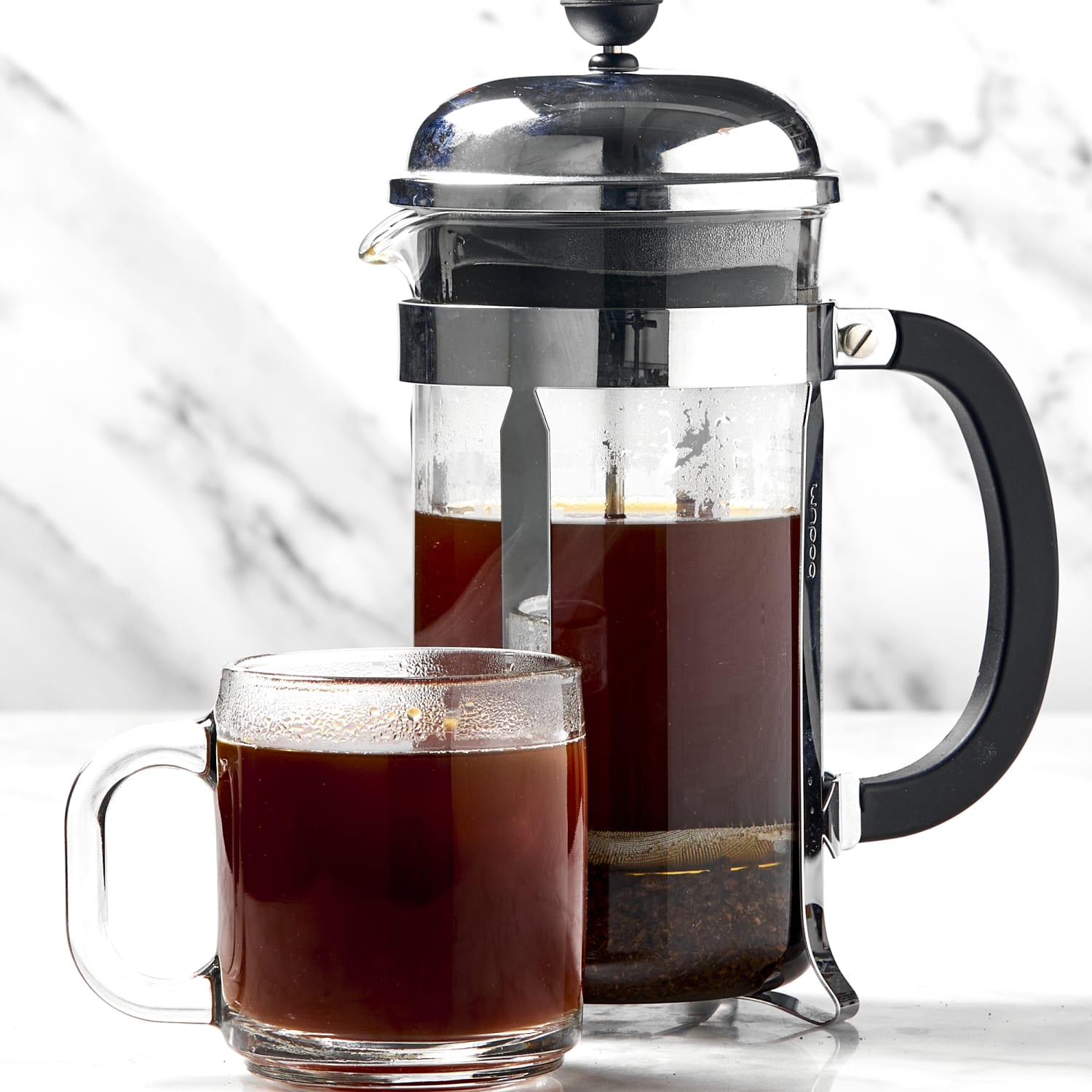
A French press is a simple brewer. It uses steeping and a metal filter. Coarsely ground coffee soaks in hot water. Oils and fine particles stay in the brew because the filter is not paper. This gives a fuller body and more flavor than some other methods. Many people ask "does french press make good coffee" because of this direct contact between grounds and water. It often does — when you control grind, time, and water quality.
Why French Press Coffee Tastes Different
The French press lets oils and micro-fines pass into the cup. These compounds add body and mouthfeel. The result is richer and heavier than pour-over or drip coffee. Some people love that texture. Others find it too muddy. When people ask "does french press make good coffee", taste preference matters most. A French press highlights origin, roast, and grind in a bold way.
:max_bytes(150000):strip_icc()/Web_1500-SeriousEats_GROUPSHOTFrenchPress_VictorProtasio_00989-016e9b96c28f47ccaf4a4bd565fd79c7.jpg)
How to Make Great French Press Coffee: Step-by-step
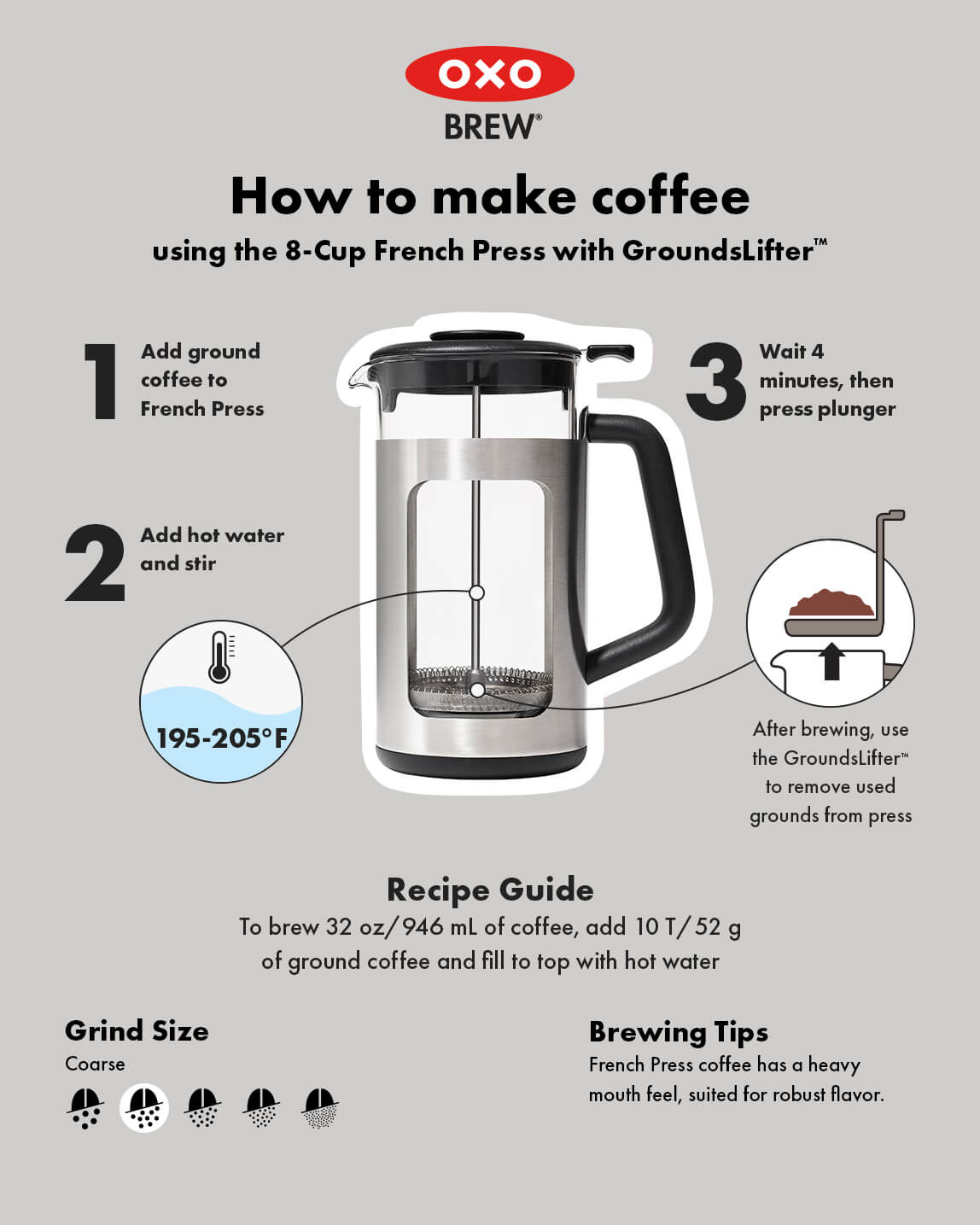
This step-by-step makes consistent coffee you will like.
- Measure beans
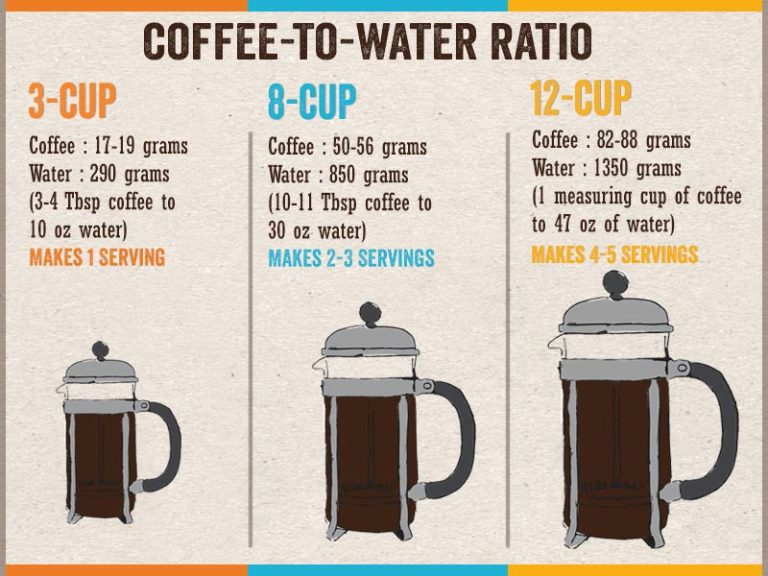
- Use a scale. Aim for a 1:15 to 1:17 coffee-to-water ratio. For example, 20 g coffee to 300 g water.
- Grind fresh
- Grind to a coarse, even size. It should look like coarse sea salt.
- Heat water
- Heat to 200°F (about 93°C). Let boiling water rest 30 seconds if no thermometer.
- Bloom and stir
- Add a small amount of water to wet grounds for 30 seconds. Then add remaining water and stir once.
- Steep
- Cover and steep for 4 minutes. Adjust time by 30 seconds for strength.
- Plunge and serve
- Press steady and pour immediately. Do not leave coffee in the carafe on grounds; it will over-extract.
If you’ve wondered "does french press make good coffee" after trying weak or bitter cups, these steps usually fix the problem. Repeat and tweak ratio and time to fit your taste.
Grind Size, Ratios, and Water Temperature
Grind size, ratio, and temperature shape the cup. Use coarse grind for a clean extraction. Use 1:15 for strong, 1:17 for lighter cup. Water too hot makes bitter coffee. Water too cool makes sour and weak coffee. The phrase "does french press make good coffee" often hinges on these variables. Small changes deliver big flavor shifts. Keep notes when you tweak anything.

Benefits and Limitations of the French Press
Benefits
- Full body and intense flavor that shows origin and roast.
- Simple gear and low cost.
- No paper filters means less waste and more oils in the cup.
Limitations
- Some sediment and micro-fines in the cup.
- Can be heavier than some drinkers prefer.
- Requires attention to grind and timing to avoid bitterness.
When people search "does french press make good coffee", they weigh these pros and cons. For many home brewers, the benefits outweigh the drawbacks.

Common Mistakes and Troubleshooting
Common mistake 1: Too-fine grind
- Cause: Bitter and sludgy coffee.
- Fix: Use coarser grind and a consistent grinder.
Common mistake 2: Wrong ratio or short steep
- Cause: Weak or imbalanced coffee.
- Fix: Increase coffee or steep time by 30 seconds.
Common mistake 3: Leaving coffee on grounds
- Cause: Over-extraction and bitter taste.
- Fix: Pour brewed coffee into a serving carafe immediately.
If you’re still asking "does french press make good coffee" after many tries, review these points. Often a single change makes a big difference.

Personal Experience and Tips from the Brew Bar
I’ve brewed with dark and light roasts in a French press. I prefer medium roasts for balance. My tips from years of testing:
- Always use a burr grinder for even grind size.
- Preheat the carafe to keep temperature stable.
- Use filtered water for a cleaner cup.
- Clean the press well after each use to avoid stale oils.
When friends ask "does french press make good coffee", I invite them to taste back-to-back with pour-over. Most notice the fuller body right away. Keep an open mind and small changes will improve your cup.
:max_bytes(150000):strip_icc()/faw-bodum-chambord-french-press-34oz-rkilgore-325-328cccc970f04514b98d493e538feb75.jpeg)
Frequently Asked Questions of does french press make good coffee
Does a French press make stronger coffee than drip?
A French press can produce a stronger-bodied cup because it retains oils and fines. Strength depends on ratio and grind, so you can adjust for a stronger or lighter cup.
How long should I steep coffee in a French press?
Four minutes is a good starting point. Adjust by 30-second steps if you want more or less extraction.
Will a French press make coffee taste bitter?
Bitter coffee usually comes from too-fine grind, water too hot, or over-steeping. Fix those variables to reduce bitterness.
Do I need a special grinder for French press?
A burr grinder is recommended for consistent coarse grounds. Blade grinders produce uneven sizes and can cause over-extraction.
Can I leave coffee in the press overnight?
No. Leaving coffee with grounds leads to over-extraction and stale taste. Transfer brewed coffee to a mug or carafe if you plan to save it.
Is French press coffee healthier than paper-filtered coffee?
French press coffee contains more oils and certain compounds that paper filters remove. Whether this is healthier depends on personal factors and moderation.
Conclusion
A French press can make excellent coffee when you control grind, ratio, time, and water. It shines for drinkers who like a fuller body and bold flavor. If you wonder "does french press make good coffee", try the simple steps here and experiment with small changes. Start with fresh beans, a coarse grind, and a 4-minute steep. Share your results or questions below, subscribe for more brewing tips, or try a side-by-side comparison to find your perfect cup.