Does French Press Make Coffee Stronger and Why It Matters

Yes, a French press can make coffee taste stronger and fuller. It does not always make coffee more caffeinated, though.
A French press can make coffee taste stronger, but it does not always make it more caffeinated. The real answer depends on your coffee ratio, grind size, steep time, and what you mean by “strong.”
- Flavor first: French press often tastes bolder than paper-filter coffee.
- Caffeine varies: More coffee, not the brewer alone, drives caffeine.
- Grind matters: Coarse is best, but too fine can taste bitter.
- Ratio matters: More grounds per water makes a stronger cup.
Does French Press Make Coffee Stronger? The Short Answer
Yes, it can. French press coffee often tastes bolder because the grounds stay in contact with water for longer.
But “stronger” can mean different things. If you mean more flavor, French press often delivers that. If you mean more caffeine, the answer is less simple.
Does French press coffee always have more caffeine?
No. Caffeine depends more on how much coffee you use, how fine the grind is, and how long you brew it.
What “Stronger” Really Means in Coffee
People use the word “strong” in a few ways. That’s why coffee talk can get confusing fast.
One person means a darker taste. Another means a bigger caffeine kick. Both are valid, but they are not the same thing.
Caffeine strength vs. flavor strength
Caffeine strength is about how much caffeine ends up in your cup. Flavor strength is about how intense the coffee tastes.
A cup can taste bold without having the most caffeine. It can also have a lot of caffeine and still taste smooth.
Roast level, bean type, and serving size all affect taste. Results vary by coffee brand and home brewing style.
Body, boldness, and brew ratio
French press coffee often feels heavier on the tongue. That fuller body comes from the immersion method and the fine oils that stay in the cup.
The brew ratio matters too. More grounds in less water usually gives you a stronger cup.
How a French Press Changes the Brew
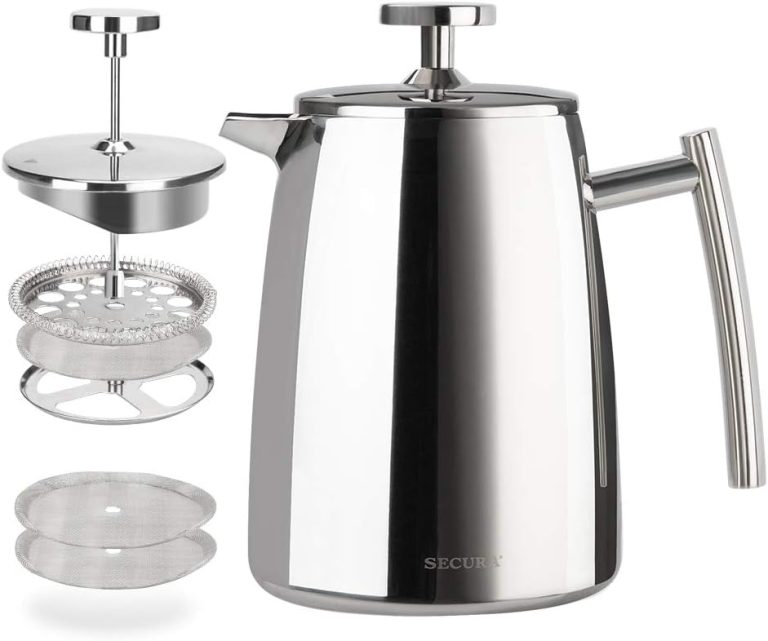
A French press works by steeping coffee in hot water. Then you press a metal filter through the grounds and pour.
This simple process changes how the coffee extracts. It also changes texture, flavor, and sometimes the amount of dissolved solids in the cup.
Immersion brewing and longer contact time
With immersion brewing, all the grounds sit in the water at once. That gives the water more time to pull flavor from the coffee.
That extra contact time often creates a richer taste. It can also make the brew seem stronger than drip coffee.
French press coffee keeps more natural oils because it uses a metal filter, not paper.
Grind size, water temp, and steep time
These three things shape the cup more than most people realize. Small changes can make a big difference.
- Finer grinds extract faster and can taste stronger.
- Hotter water pulls flavor faster, but too hot can taste harsh.
- Longer steeping can boost strength, but too much time can add bitterness.
What Makes French Press Coffee Taste Stronger
If you want a bolder cup, the French press gives you plenty of control. That’s one reason many home coffee drinkers like it.
You can change the amount of coffee, the grind, and the steep time. Each one affects strength in a different way.
Using more coffee grounds
This is the easiest way to make the brew stronger. More grounds mean more flavor compounds in the cup.
If your coffee tastes weak, this is the first thing to adjust. Start small so you do not overshoot and make it too intense.
If your cup tastes flat, change the coffee amount before changing everything else.
Choosing a finer or coarser grind
A slightly finer grind can make the coffee taste richer. It gives the water more surface area to work with.
However, grind too fine and you may get sludge, clogging, or bitter notes. A coarse grind usually works best for a French press.
Adjusting steep time without overdoing it
Steeping longer can make the brew taste fuller. But there is a limit.
Too much time can pull out bitter flavors. That can make the coffee seem strong in a bad way.
Limits of French Press Strength
French press coffee has a bold reputation for a reason. Still, it is not magic.
The brew can taste strong without always delivering more caffeine. It can also turn harsh if you push the method too far.
Why it may not always have more caffeine
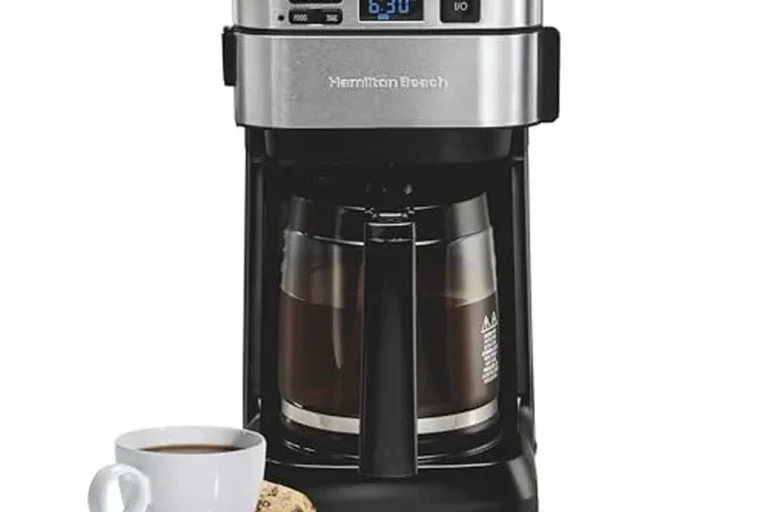
Caffeine extraction depends on contact time, grind size, and dose. If your drip coffee uses more grounds, it may actually have more caffeine.
Serving size matters too. A small French press cup may feel stronger than a large drip mug, even if the total caffeine is similar.
Bitterness, sediment, and over-extraction
French press coffee can collect fine sediment at the bottom of the cup. That is normal for the method.
But if you grind too fine or steep too long, bitterness can rise fast. That is usually a sign of over-extraction, not better strength.
Use heat-safe gear and follow your brewer’s manual. Hot water and glass parts can cause burns or break if handled carelessly.
How to Brew a Stronger French Press Cup
If you want more body and flavor, start with a simple method. You do not need fancy gear.
Good French press brewing is mostly about balance. A few careful changes can give you a much bolder cup.
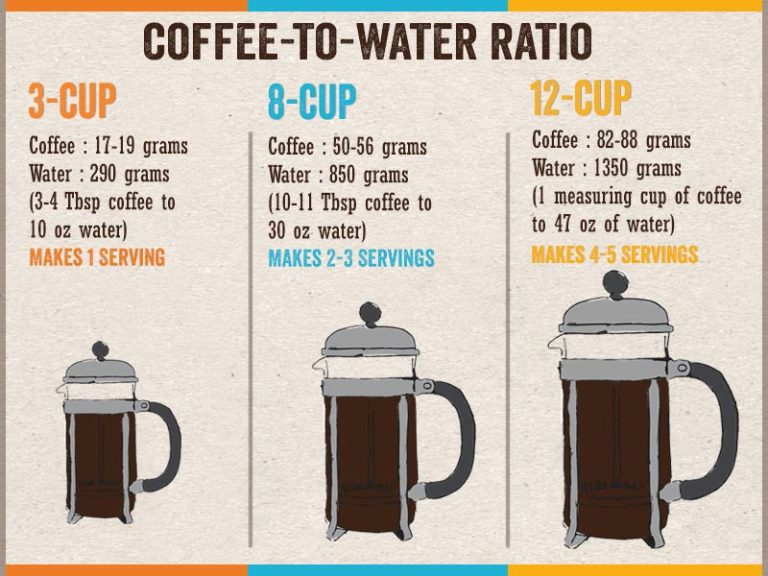
Best coffee-to-water ratios
A stronger cup usually starts with more coffee per ounce of water. Many home brewers like a ratio around 1:15 to 1:16.
For a bolder result, move a little stronger. If the cup gets too intense, use a touch more water next time.
Water temperature and steep time tips
Use hot water that is not boiling hard. Very hot water can make the coffee taste sharp.
Steep long enough to pull flavor, but not so long that bitterness takes over. Many people like a few minutes of steep time, then a slow press.
- Preheat the press with hot water for steadier brewing.
- Stir gently after adding water for even extraction.
- Press slowly to reduce grit in the cup.
Simple recipe for a bolder cup
Here is a simple home approach you can adjust to taste. Keep it steady, then tweak one thing at a time.
Use a little more coffee than your usual drip brew.
Pour evenly so all grounds get wet.
Wait a few minutes, then press down slowly.
Do not let the coffee sit on the grounds after brewing.
Common Mistakes That Weaken the Brew
Weak French press coffee usually comes from a few simple errors. The good news is that most of them are easy to fix.
If your cup tastes thin, do not blame the press right away. Check the basics first.
Using the wrong grind
Too coarse can make coffee taste weak and watery. Too fine can make it muddy and bitter.
For most French presses, a coarse grind gives the best balance. If you buy pre-ground coffee, make sure it suits this method.
Poor timing or weak ratios
Short steep times often lead to weak flavor. So do too few grounds in too much water.
On the other hand, brewing forever does not fix a weak ratio. It just risks bitterness.
Skipping the press and pour steps
Once the coffee finishes steeping, press and pour it soon. Leaving it in the press keeps extraction going.
That can shift the taste from bold to harsh. It can also make the last cup taste much stronger than the first.
The coffee tastes weak even after a long steep.
Use more grounds first, then fine-tune grind and steep time.
Cleaning, Maintenance, and Value for Daily Use
A French press is simple, but it still needs regular cleaning. Old coffee oils can build up fast.
That buildup can dull flavor and make good beans taste stale. Clean gear often gives a cleaner, brighter cup.
Why clean gear affects flavor
Residue from past brews can cling to the filter, plunger, and carafe. That leftover oil can turn rancid over time.
A quick rinse after use helps. A deeper wash keeps the press tasting fresh.
Dump the grounds, rinse the parts, and wash with mild soap.
Check the mesh filter, gasket, and plunger for wear or buildup.
Cost, ease of use, and who French press suits best
French press brewing is a good fit for people who want simple control. It also suits anyone who likes a fuller cup.
It may not be ideal for people who dislike sediment or want a very clean, paper-filtered taste. If you want low-effort brewing, it still has a lot going for it.
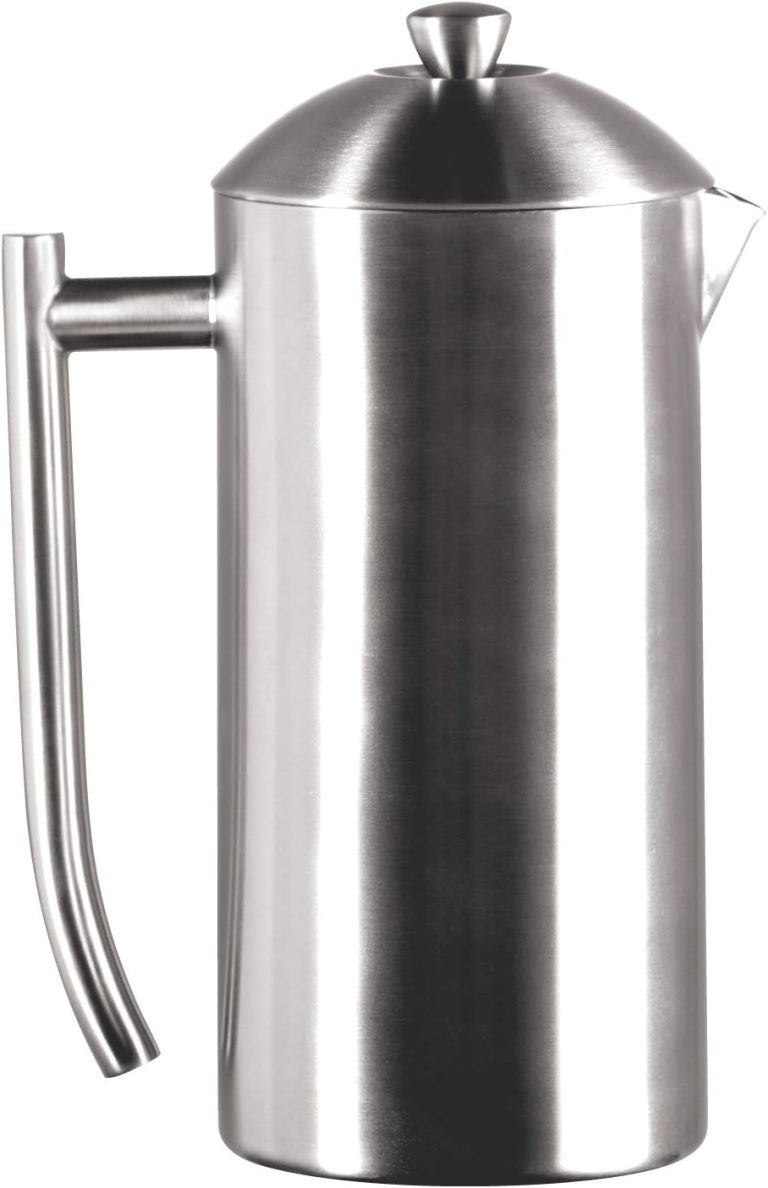
- Capacity and footprint
- Filter quality and ease of cleaning
- Heat-safe materials
- Warranty and replacement parts
- Manual and care instructions
Final Verdict: Is French Press Coffee Stronger Worth It?
Yes, French press coffee can taste stronger, richer, and fuller than many other home brew methods. That makes it a great choice if you want bold flavor and simple control.
Just remember the main trade-off. Stronger taste does not always mean more caffeine, and a bad ratio can make the cup bitter fast. If you want the best result, focus on grind size, coffee amount, and steep time.
French press is worth it for drinkers who want a bold, full cup and easy brewing. If you prefer a cleaner, lighter taste, a paper-filter method may suit you better.
- French press often tastes stronger, but not always more caffeinated.
- Coffee amount, grind, and steep time matter most.
- Clean gear and a good ratio improve flavor fast.
Frequently Asked Questions
Not always. Caffeine depends on how much coffee you use, the grind, and the brew time, so a drip cup can sometimes have more.
A coarse grind usually works best. Too fine can make the coffee muddy and bitter.
Use a little more coffee for a bolder cup. Many brewers start near 1:15 or 1:16, then adjust to taste.
Use hot water that is not at a hard boil. Very hot water can make the brew taste harsh.
French press uses a metal filter, so some fine sediment can pass through. A coarser grind and a slow press can help.
Rinse it after each use and wash it with mild soap. Check the mesh and plunger often so old oils do not build up.