How to Make the Best French Press Coffee Every Time

Use coarse coffee, hot water, and a four-minute steep for the best French press coffee. Pour it right away and clean the press soon after brewing.
If you want rich, bold coffee with very little gear, French press is a great choice. The key is simple: use the right grind, the right water temp, and a short, steady steep.
- Grind matters: Coarse grounds help prevent grit and bitterness.
- Water matters: Use hot, not boiling, water for a smoother cup.
- Timing matters: Four minutes is a strong starting point.
- Cleanup matters: Rinse and wash the press soon after use.
How to Make the Best French Press Coffee Every Time
The best French press coffee starts with fresh beans, a coarse grind, and water that is hot but not boiling. Then you need to steep for the right amount of time and pour it right away.
That sounds basic, but small details matter a lot. If the grind is too fine or the coffee sits too long, the cup can turn muddy and bitter.
In short: French press coffee rewards simple care. Once you learn the rhythm, it’s easy to repeat at home.
What French Press Coffee Is and Why It Tastes So Good
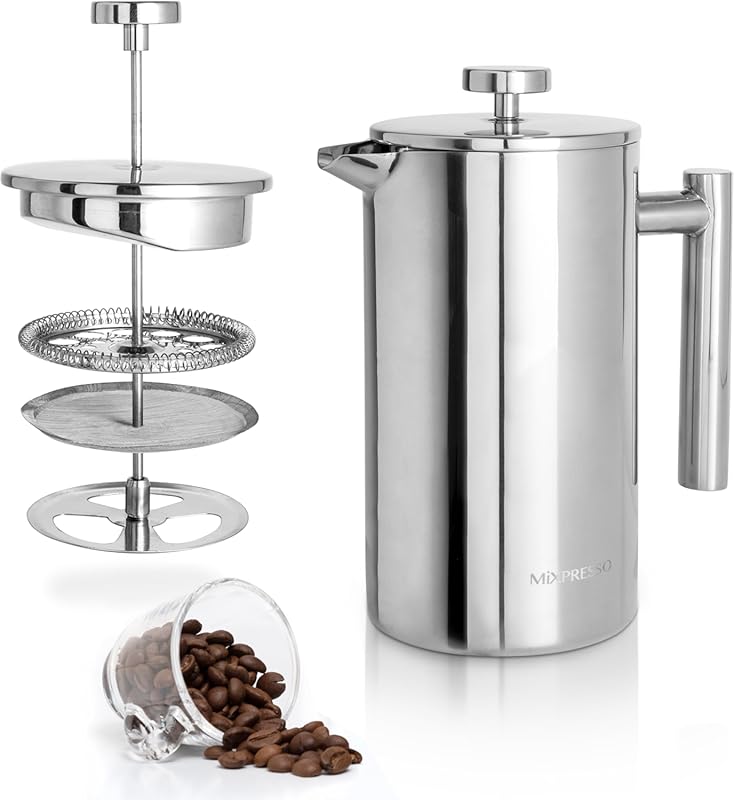
French press coffee is a full-immersion brew method. Coffee grounds soak in hot water, then a mesh plunger separates the liquid from the grounds.
How the French press method works
With a French press, the grounds stay in contact with water for the whole brew. That gives the coffee time to pull out oils, flavor, and body.
Unlike paper filter methods, French press does not trap as many natural coffee oils. Those oils help the drink feel fuller and richer.
French press coffee often looks heavier because more fine oils stay in the cup.
Why this brew style brings out bold flavor
French press works well because it gives the water time to extract deep flavor. That often brings out chocolate, nut, and spice notes.
It can also highlight roast character more clearly than some drip methods. However, it can taste harsh if you push the brew too far.
The Coffee, Water, and Grind You Need
You do not need fancy gear to make great French press coffee. You do need the right ingredients and a little consistency.
Best coffee bean type and roast level
Fresh whole beans usually taste best. Many people like medium or dark roasts in a French press because they give a round, bold cup.
Light roasts can work too. They just need careful grinding and brewing, since their flavors can seem sharper.
Bean freshness, roast level, and origin all change the final cup. Taste can vary a lot from one coffee to the next.
Ideal grind size for French press coffee
Use a coarse grind. Think sea salt, not table salt.
A coarse grind helps keep the cup cleaner and lowers the chance of over-extraction. Fine grounds can slip through the mesh and make the coffee gritty.
Water temperature and coffee-to-water ratio
Use water that is hot, but not at a hard boil. A common target is just off the boil, which helps avoid a burnt taste.
The coffee-to-water ratio depends on taste and press size. A good starting point is about 1 gram of coffee for every 15 to 17 grams of water.
Use care with hot water and glass presses. Set the press on a stable surface and keep it away from the edge of the counter.
Step-by-Step French Press Brewing Guide
This method keeps things simple and repeatable. You can adjust the strength later once you know your base ratio.
Measure and heat the water
Start by measuring your coffee and water. If you use a scale, you can repeat the same result more easily.
Heat the water until it is just off the boil. If you do not use a thermometer, let boiling water rest for a short moment before brewing.
Add coffee and start the brew
Add the coarse grounds to the empty press. Then pour in the hot water evenly so all the grounds get wet.
Give the coffee a gentle stir. This helps the grounds settle and brew more evenly.
Stir, steep, and press with care
Put the lid on with the plunger pulled up. Let the coffee steep for about four minutes as a starting point.
When time is up, press down slowly and with steady pressure. Do not force it if it feels stuck.
- Start with four minutes, then adjust to taste.
- Press slowly to avoid splashing and grit.
- Pour soon after pressing to keep flavor balanced.
Pour and serve right away
Pour the coffee into mugs as soon as you press it. If it sits in the press, it keeps brewing and can turn bitter.
For the best taste, serve it right away. If you want more than one cup, transfer extra coffee to a carafe.
Common French Press Mistakes to Avoid
Most bad French press coffee comes from a few easy-to-fix mistakes. The good news is that each one has a simple solution.
Using the wrong grind size
Too fine a grind can make the coffee cloudy and bitter. It can also make pressing harder than it should be.
Too coarse a grind can leave the cup weak and flat. If that happens, try a slightly finer coarse grind next time.
Letting the coffee steep too long
Long steep times can pull out harsh flavors. That is one of the fastest ways to ruin an otherwise good brew.
If you like stronger coffee, use more grounds instead of leaving it in longer. That usually gives a better result.
Pressing too hard or too fast
Pressing fast can stir up fine grounds and cause splashing. It can also make the mesh filter struggle.
Use slow, even pressure. If the plunger jams, stop and check the grind size before trying again.
Stop using a press if the glass cracks, the lid warps, or the plunger feels damaged.
Skipping the cleanup after brewing
Used grounds can cling to the mesh and the base. If you leave them there, cleanup gets harder later.
Rinse the press soon after use. That small habit makes a big difference.
How to Clean and Maintain Your French Press
A clean French press makes better coffee and lasts longer. It also helps stop old oils from building up.
Daily cleaning steps
Dump the used grounds into the trash or compost if your local system allows it. Then rinse the carafe, plunger, and lid with warm water.
Wash the parts with mild soap after that. Dry them well before putting the press back together.
Deep cleaning the filter and plunger
The mesh filter can hold tiny bits of coffee. Take it apart as your manual allows, then rinse each piece carefully.
If you see buildup, soak the parts in warm soapy water. Use a soft brush, not a sharp tool.
Rinse, wash with mild soap, and dry all parts.
Check the mesh, seals, and plunger for wear or buildup.
How to keep glass and metal parts in good shape
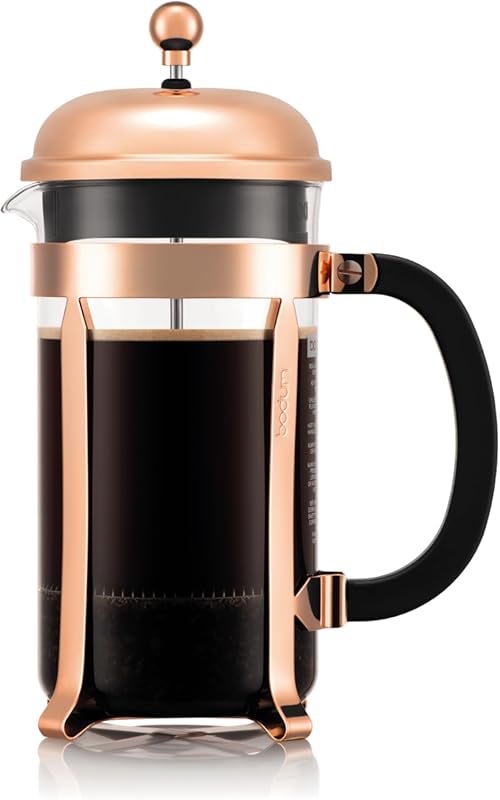
Glass presses need gentle handling. Avoid hard taps, sudden temperature shifts, and rough scrub pads.
Metal presses also need care. Wipe them dry so water spots and stains do not build up.
French Press Coffee Pros, Cons, and Best Use Cases
French press is not perfect for everyone, but it does a lot well. It is best when you want strong flavor with a simple routine.
Main benefits of French press coffee
French press is easy to learn and does not need paper filters. It also gives you a rich, full cup with very little equipment.
It works well for one person or a small group. You can also adjust strength by changing the coffee amount.
- Simple setup with few parts
- Bold, full-bodied flavor
- Easy to scale up or down
- Can taste gritty if ground too fine
- Needs quick cleanup after brewing
- Less forgiving than some drip methods
Limits and when another brew method may work better
If you want a very clean cup, a paper filter method may suit you better. If you want fast one-cup brewing, another brewer may also be easier.
French press can also be less ideal for people who dislike sediment. In that case, a pour-over or drip maker may fit better.
Who should use a French press
A French press is a good fit for coffee drinkers who like bold taste and simple gear. It also works well if you want more control over strength.
If you enjoy hands-on brewing, this method can feel satisfying. If you want push-button ease, a drip machine may be a better match.
People who want rich coffee and simple brewing.
People who want a very clean cup with no sediment.
Final Recommendation: Is French Press Coffee Worth It in 2026?
Yes, French press coffee is still worth it in 2026 if you want bold flavor and an easy routine. The method is affordable, flexible, and rewarding once you learn the basics.
The best results come from a coarse grind, hot water, a short steep, and quick serving. If you want a cleaner cup or more speed, another brew style may suit you better.
French press is a strong choice for home brewers who want full flavor and simple control. Choose another method if you want less sediment or a cleaner, lighter cup.
- Use coarse grounds and hot, not boiling, water.
- Steep about four minutes, then press slowly.
- Pour right away to avoid bitterness.
- Clean the press soon after brewing for the best taste.
Frequently Asked Questions
Use a coarse grind, like sea salt. Fine grounds can make the coffee bitter and gritty.
A good starting point is about 1 gram of coffee for every 15 to 17 grams of water. You can adjust strength to taste.
Use water that is hot but not boiling. Water that is just off the boil usually works well.
Start with about four minutes. If the coffee tastes too strong or bitter, shorten the steep a little.
Rinse the press soon after use, then wash it with warm water and mild soap. Deep clean the filter and plunger as your manual allows.
The most common causes are a grind that is too fine, steeping too long, or pressing too fast. Try a coarser grind and a shorter brew time.