Does French Press Make Better Coffee for Richer Flavor

Yes, a French press can make better coffee if you want a richer, fuller cup. It’s not always the best choice for a clean or fast brew.
A French press can make better coffee if you like a rich, full-bodied cup with more oils and texture. It usually won’t taste “better” for everyone, though, because the best brew depends on your taste, your beans, and how carefully you brew.
- Richer flavor: French press keeps more oils and body in the cup.
- Best grind: Coarse grounds help avoid grit and bitterness.
- Big trade-off: You get less clarity than paper-filter brewers.
- Easy control: Small changes in ratio and steep time change taste fast.
- Cleaning matters: Fresh cleanup helps prevent stale coffee flavors.
Does French Press Make Better Coffee? The Short Answer and What “Better” Really Means
For many coffee drinkers, yes, a French press can make better coffee. It often gives a bolder taste, a heavier mouthfeel, and a more layered flavor than many drip brewers.
But “better” is personal. If you enjoy a clean, bright cup, you may prefer pour-over. If you want speed and consistency, drip may suit you more.
The French press shines when you want the coffee itself to stand out. It gives you a simple brewing path with few moving parts and a lot of control.
In short: it can make coffee taste better for people who want depth, body, and a stronger cup.
How a French Press Works and Why It Changes Flavor
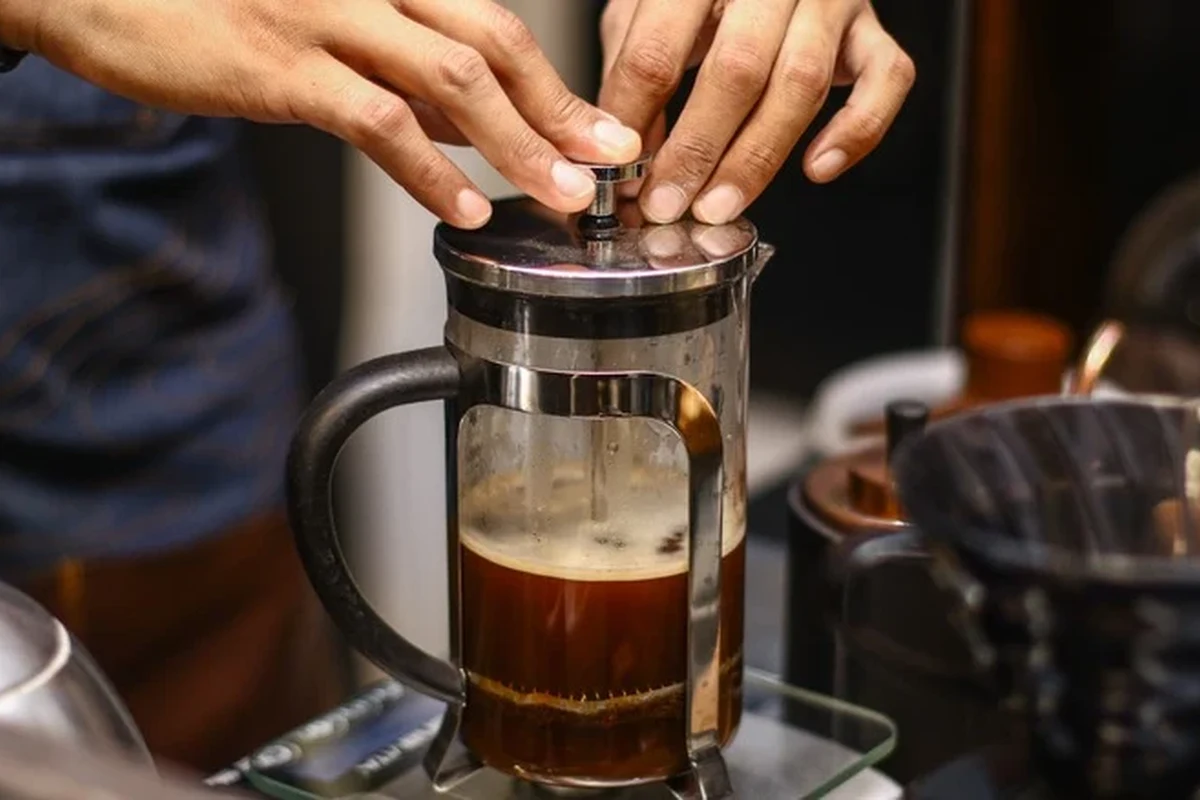
A French press uses immersion brewing. That means the grounds stay in hot water for the full brew time.
Instead of water dripping through a paper filter, the coffee steeps first. Then you press a mesh plunger down to separate most of the grounds.
Immersion brewing and full coffee contact
With immersion brewing, water touches all the grounds at once. This helps pull out flavor evenly when you use the right grind and steep time.
That full contact often creates a deeper taste. It can bring out sweet, dark, and earthy notes more than some faster methods.
French press coffee often keeps more natural coffee oils because it does not use a paper filter.
Why oils and fine particles stay in the cup
The mesh filter lets more oils and tiny particles pass through. Those oils add body and a richer feel on the tongue.
The tiny particles can also make the cup seem fuller. However, too many fines can make coffee taste muddy or bitter.
That is why grind size matters so much. A good grind helps the press give you rich flavor without a gritty finish.
What Makes French Press Coffee Taste Richer
French press coffee often tastes richer because it keeps more of what paper filters remove. It also works well with medium and dark roasts, which can taste round and smooth in this brewer.
Grind size, water temperature, and steep time
The grind should be coarse, like sea salt. Fine grinds can slip through the filter and make the cup bitter or sludgy.
Water should be hot, but not boiling hard. Very hot water can pull harsh flavors from the grounds.
Steep time also matters. Too short, and the coffee tastes weak. Too long, and it can turn sharp or bitter.
- Use coarse grounds for a cleaner cup.
- Keep water hot, not violently boiling.
- Steep long enough for full flavor, but not too long.
Coffee-to-water ratio for stronger flavor
The coffee-to-water ratio changes strength more than many people expect. More coffee gives a bolder cup. Less coffee gives a lighter one.
If your press tastes weak, try a little more coffee before changing anything else. If it tastes harsh, reduce the dose or shorten the steep time.
A French press is easy to adjust. That makes it a good choice for people who like to fine-tune taste at home.
French Press vs Other Brewing Methods
French press is not the only way to make good coffee. It just makes a different style of coffee than drip, pour-over, or espresso.
French Press vs Other Brewing Methods
The main difference is body and filter style. French press gives a richer cup, while other methods may taste cleaner or faster.
French press vs drip coffee
Drip coffee usually tastes cleaner and lighter. Paper filters catch more oils and fine particles, so the cup can feel brighter.
French press coffee tastes fuller and heavier. If you want a more robust cup, the press often wins.
Rich, full-bodied coffee
Best for people who want more texture and a deeper taste.
VS
Cleaner, lighter coffee
Best for people who want easy brewing and a crisp cup.
French press vs pour-over
Pour-over gives you more clarity and brightness. It can highlight floral or fruity notes better than a French press.
French press gives more body and a heavier mouthfeel. If you like smooth richness more than sharp clarity, the press may be the better fit.
French press vs espresso
Espresso is much more concentrated. It uses pressure and a fine grind to make a small, intense shot.
French press is not trying to do the same job. It makes a larger cup with a softer texture and less intensity per sip.
So, if you want a strong shot, espresso is the better tool. If you want a rich mug, French press is easier and more relaxed.
Best Coffee Beans, Grinds, and Brew Specs for French Press
The best French press coffee starts with the right beans and grind. Small changes here can improve taste a lot.
Bean roast level and freshness
Medium and dark roasts often work well in a French press. They usually bring out chocolate, nut, and caramel notes.
Fresh beans matter too. Coffee tastes better when the beans are fresh enough for the flavor to still be lively.
That said, very fresh coffee can also bloom more and taste a bit different from day to day. Taste changes with bean origin, roast date, and storage.
Flavor depends on the bean, roast, and grinder. A French press can improve body, but it cannot fix stale coffee.
Recommended grind, water temp, and brew time
A coarse grind is the safest starting point. It helps reduce grit and keeps the brew from turning over-extracted.
Use hot water just off the boil, then steep for several minutes. Exact timing varies by bean, grind, and taste.
If the coffee tastes weak, steep a little longer or use more grounds. If it tastes bitter, shorten the steep or coarsen the grind.
Fresh hot water
French press
Timer
Common French Press Mistakes That Hurt Taste
French press is simple, but it still has a few traps. Most bad cups come from grind size, timing, or rough plunging.
Using the wrong grind
Too-fine grounds are the biggest problem. They can pass through the filter and make the cup muddy.
They can also over-extract fast. That often leads to bitter coffee with a dry finish.
Your coffee tastes gritty, muddy, or harsh.
Use a coarser grind and check that your grinder is set for French press.
Steeping too long or too short
Short steep times can leave the coffee thin and sour. Long steep times can push the cup toward bitterness.
Try one brew style, then adjust in small steps. That is usually better than making a big change all at once.
Poor plunging and uneven extraction
Press the plunger down slowly and evenly. A hard push can stir up fine particles and cloud the cup.
Uneven mixing during brewing can also hurt taste. A gentle stir at the start may help the grounds wet evenly.
- Stir gently after adding water.
- Plunge slowly and with steady pressure.
- Pour soon after brewing ends.
- Using espresso-fine grounds.
- Leaving coffee sitting in the press too long.
- Forcing the plunger down fast.
Cleaning, Safety, and Maintenance Tips
A clean French press makes better coffee. Old oils and trapped grounds can add stale flavors fast.
How to clean the mesh filter and carafe
Rinse the press soon after use so grounds do not dry inside. Then wash the carafe and filter parts with warm water and mild soap.
Check the mesh screen for trapped fines. If your model comes apart, follow the manual for safe reassembly and cleaning.
Empty the grounds, rinse the parts, and wash away coffee oils.
Inspect the mesh, plunger parts, and seals for wear or buildup.
Heat safety and handling glass or metal presses
French presses can get very hot during brewing. Use care when pouring water and when pressing down the plunger.
Glass presses can break if they get shocked by sudden temperature change or rough handling. Metal presses can still burn your hands if they are hot.
Follow the manual for your exact model. Stop using the press if the glass is cracked, the mesh is damaged, or parts do not fit well.
Follow the appliance manual and stop using damaged equipment.
Is a French Press Worth It in 2026? Final Verdict for Flavor, Cost, and Ease
For flavor, a French press is often worth it. It makes coffee that feels richer, fuller, and more personal than many basic brewers.
It is also simple and usually does not need much counter space. That makes it a smart pick for small kitchens, renters, and anyone who wants a low-fuss brew method.
Still, it is not the best choice for everyone. If you want a very clean cup or the fastest cleanup, drip or pour-over may fit you better.
French Press Coffee Maker
Best for people who want rich flavor, simple brewing, and a low-cost coffee setup. The main trade-off is more sediment and a less clean cup than paper-filter methods.
A French press can make better coffee if you want rich body and strong flavor. Choose another brewer if you prefer a cleaner cup, faster cleanup, or more clarity in the taste.
- French press often tastes richer because it keeps more oils in the cup.
- Coarse grind, good timing, and gentle plunging make the biggest difference.
- It beats drip for body, but not always for clarity or ease.
- Clean the press well to avoid stale flavors and buildup.
Frequently Asked Questions
French press coffee keeps more oils and fine particles in the cup. That gives it a fuller body and a deeper taste than many paper-filter brewers.
Use a coarse grind, like sea salt. Fine grounds can make the coffee bitter, muddy, or gritty.
Steep time varies by bean and taste, but several minutes is a common starting point. If the coffee tastes weak, steep a bit longer; if it tastes bitter, shorten the time.
Rinse it soon after use, then wash the carafe and filter parts with warm water and mild soap. Check the mesh for trapped grounds and follow your model’s manual for cleaning steps.
It often tastes stronger and fuller, but strength depends on the coffee-to-water ratio. Drip coffee can be milder and cleaner, while French press usually has more body.
Try a coarser grind, a shorter steep, or a slightly lower coffee dose. Bitter taste often comes from over-extraction or very fine grounds.