When Did Cold Brew Coffee Become Popular and Why

Cold brew coffee became popular in the 2010s, when cafés and packaged drinks helped it go mainstream. It stayed popular because it tastes smooth, is easy to batch, and fits busy home routines.
Cold brew coffee became popular in the 2010s, when cafés, bottle brands, and home brewers all pushed it into the mainstream. It had older roots, but that decade turned it from a niche drink into a daily choice for many coffee fans.
- Timeline: Cold brew went mainstream in the 2010s, not all at once.
- Main reason: People liked the smooth taste and lower bitterness.
- Home use: Coarse grind, clean gear, and steady ratios matter most.
- Trade-off: Cold brew takes time, so it rewards planning ahead.
When Did Cold Brew Coffee Become Popular? The Short Answer and Timeline
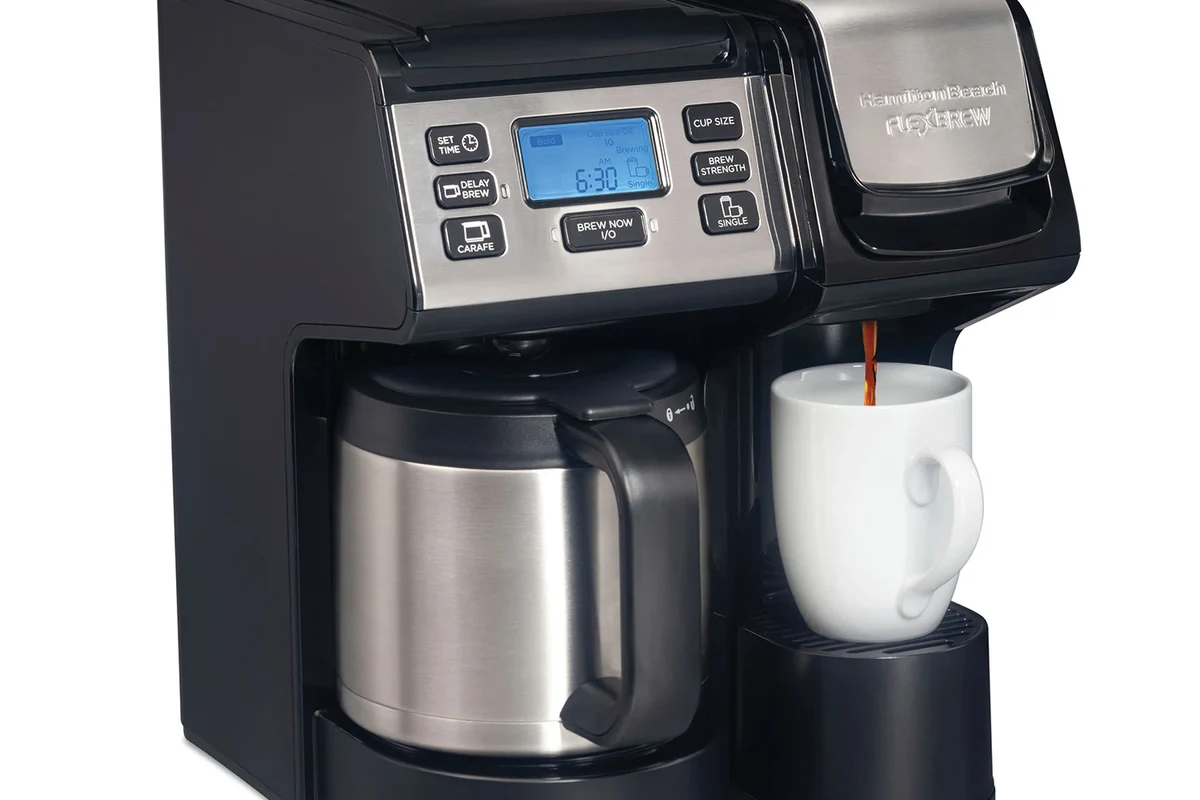
The short answer is this. Cold brew coffee became widely popular in the 2010s, especially in the United States. Before that, it existed in smaller circles and in a few regional styles.
By the 2010s, cold brew had clear advantages for busy drinkers. It tasted smooth, fit well in cafés, and worked well in ready-to-drink cans and bottles.
Early roots: how cold coffee started before the modern trend
Cold coffee is not new. People have made coffee with cold or room-temp water for a long time, often for travel, heat, or simple taste.
Japan also helped shape modern cold coffee culture. Kyoto-style slow drip and other cold coffee methods showed that chilled coffee could be careful, refined, and worth the wait.
Different countries used different cold coffee methods. Cold brew as we know it today grew from several traditions, not one single invention.
From niche drink to mainstream favorite in the 2010s
The 2010s were the turning point. Coffee shops started offering cold brew more often, and big drink brands began selling it in packaged form.
That mattered because it made cold brew easy to try. You no longer needed special gear or a café visit to get it.
Home brewing also got easier. Simple pitchers, jars, and mesh filters made the process feel low effort.
Why 2026 shoppers still care about the rise of cold brew
In 2026, the history still matters because it explains the buying market. Cold brew makers now come in many styles, from basic jars to dedicated pitchers.
If you know why cold brew took off, you can choose gear more wisely. You can focus on taste, cleanup, and batch size instead of hype.
Why Cold Brew Took Off So Fast
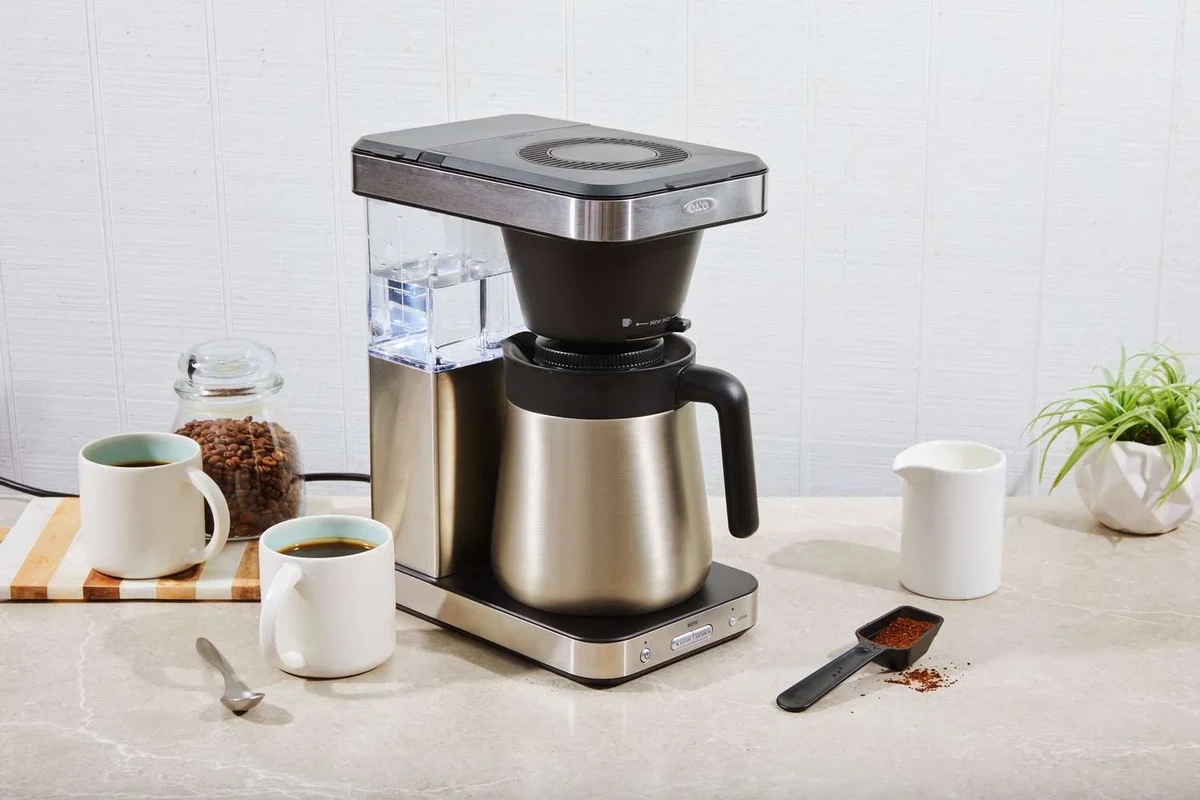
Cold brew did not grow by accident. It won people over because it was easy to drink, easy to serve, and easy to sell.
Smoother taste and lower bitterness
Cold water pulls flavor from coffee more slowly than hot water. That often gives cold brew a smoother, softer taste.
Many drinkers notice less sharp bitterness. That makes it appealing for people who find hot coffee too intense.
Cold brew often tastes sweeter without added sugar because less bitter flavor comes through.
Easy caffeine control for home drinkers
Cold brew is usually made as a concentrate or a strong batch. That gives home drinkers more control over how they dilute it.
You can mix it with water, milk, or ice. That makes it easier to match your own taste and caffeine needs.
Social media, cafés, and ready-to-drink cans
Cold brew also spread because it looked modern and fit café menus well. Tall cups, ice, and creamy add-ins made it easy to share online.
Ready-to-drink cans helped even more. They made cold brew feel quick, cool, and easy to grab on the go.
How Cold Brew Coffee Works
Cold brew is simple at its core. Coffee grounds steep in cold or room-temp water for many hours.
The basic steeping method
You add coffee grounds to water and let the mix sit. Then you strain out the grounds.
That’s the basic method, though the exact steps vary by brewer. Some systems use built-in filters, while others use a jar and a separate strainer.
What grind size, water, and time do to flavor
A coarse grind usually works best. Fine grounds can make the brew muddy and hard to filter.
Water quality matters too. Clean-tasting water helps the coffee taste clean.
Time changes the final cup in a big way. Too short can taste weak. Too long can taste flat or harsh.
How cold brew differs from iced coffee
Cold brew and iced coffee are not the same. Iced coffee starts hot and gets chilled fast.
Cold brew never uses hot water in the main brew step. That gives it a different taste and often a smoother finish.
The main difference is brew method. Cold brew steeps slowly, while iced coffee starts hot and cools fast.
What You Need to Make Good Cold Brew at Home
You do not need fancy gear to start. But the right setup can make cleanup easier and flavor more consistent.
Best coffee bean types and roast levels
Many people like medium or dark roasts for cold brew. These often give a richer, rounder taste.
That said, lighter roasts can work too. They may taste brighter and more fruit-forward.
Grind size, water ratio, and steep time
Coarse grind is the safest place to start. It helps with filtering and keeps the brew from turning gritty.
Ratios vary by recipe and brewer. Many home setups use a stronger mix for concentrate, then dilute to taste.
Steep time also varies. Many brews sit for several hours, often overnight, but exact timing depends on taste and method.
- Start with a coarse grind for easier straining.
- Write down your ratio so you can repeat good batches.
- Try one change at a time for better flavor control.
Cold brew makers, jars, filters, and pitchers
Dedicated cold brew makers can simplify the process. They often include a filter basket or a built-in strainer.
Jars and pitchers can also work well. They cost less, but cleanup may take more effort.
Benefits and Limits of Cold Brew Coffee
Cold brew has a lot going for it. Still, it is not the best choice for every home or every habit.
What cold brew does well for taste and convenience
Cold brew is smooth, easy to sip, and simple to batch. That makes it great for busy mornings.
It also stores well when handled right. A fridge batch can support several days of coffee without much work.
- Smooth taste with less bitterness
- Easy batch prep for the week
- Flexible serving with water, milk, or ice
Common drawbacks like time, strength, and storage
The biggest downside is time. You must plan ahead.
Cold brew can also get too strong if you use too much coffee. On the other hand, weak batches can taste thin and disappointing.
Who cold brew suits best and who may prefer hot coffee
Cold brew suits people who want a smooth, low-fuss drink. It also fits households that like to prep ahead.
Hot coffee may still be better for people who want fast brewing, brighter flavor, or a more classic cup.
Common Mistakes People Make With Cold Brew
Most bad cold brew comes from a few easy mistakes. The good news is that they are simple to fix.
Using the wrong grind or brew ratio
Too-fine grounds can create sludge and over-extraction. Too little coffee can make the drink watery.
Start with a coarse grind and a known ratio. Then adjust from there.
The brew tastes muddy or hard to strain.
Use a coarser grind and strain through a finer filter if needed.
Steeping too long or too short
Short steep times often taste weak. Very long steeps can lose freshness.
If your batch tastes off, change the time in small steps. That’s often better than changing everything at once.
Poor storage, weak cleaning habits, and stale flavor
Old coffee residue can ruin the next batch. It can also leave oily smells behind.
Rinse parts soon after use and wash them fully before the next brew. Dry them well, too.
Cleaning, Safety, and Storage Tips
Cold brew seems simple, but safety still matters. Clean gear and safe storage protect both taste and health.
Follow your brewer’s manual and the coffee maker’s care notes. If any part is cracked, warped, or damaged, stop using it.
How to clean cold brew makers the right way
Most removable parts can be washed with warm, soapy water. Check the manual first, since some parts may be top-rack dishwasher safe and others may not be.
Pay attention to filters, lids, and spouts. Those spots trap oils and old grounds.
Empty grounds, rinse parts, and wash all food-contact pieces.
Check seals, filters, and cracks. Replace worn parts if the maker allows it.
Food safety rules for steeping and storing coffee
Use clean water and a clean container. Do not leave brewed coffee sitting out too long.
If you add milk, cream, or sweet mix-ins, storage rules can change. Those ingredients usually shorten safe fridge time.
Do not store coffee in a cracked glass jar or a damaged pitcher. Replace unsafe containers right away.
How long cold brew lasts in the fridge
Fridge life varies by recipe, container, and add-ins. Plain cold brew often keeps for several days when stored cold and sealed.
Trust your senses. If it smells sour, looks cloudy in a new way, or tastes off, pour it out.
Final Verdict: Is Cold Brew Worth Making in 2026?
Yes, cold brew is still worth making in 2026 for many home drinkers. It stays popular because it tastes smooth, stores well, and fits busy routines.
Best choice for beginners, daily drinkers, and gear buyers
Beginners should start with a simple jar or basic brewer. Daily drinkers may want a model with easier cleanup and a better filter.
If you buy gear, focus on fit, cleaning, and batch size first. Fancy features matter less than a design you’ll actually use.
Best for small kitchens and light daily use.
Best for bigger batches and frequent coffee drinkers.
Value, convenience, and the best next step for readers
The best next step is simple. Pick one method, keep the grind coarse, and test a batch you can repeat.
If you want a smoother coffee with less rush in the morning, cold brew is a smart choice. If you want fast brewing and a brighter cup, hot coffee may still win.
Cold brew became popular in the 2010s because it tasted smooth and fit modern routines. In 2026, it remains a strong choice for home drinkers who value easy prep, but hot coffee still works better for speed and bright flavor.
Frequently Asked Questions
Cold brew coffee became widely popular in the 2010s. That was when cafés, bottle brands, and home brewers helped it reach more people.
People liked its smooth taste and lower bitterness. It also worked well for ready-to-drink bottles, cans, and easy home batches.
A coarse grind usually works best. It helps reduce grit and makes filtering easier.
Steep time varies by recipe and brewer, but many batches sit for several hours or overnight. Taste changes if you steep too short or too long.
Rinse parts after use and wash all food-contact pieces with warm, soapy water. Check the manual for dishwasher-safe parts and care notes.
Plain cold brew often lasts several days when sealed and kept cold. If it smells sour or tastes off, throw it out.