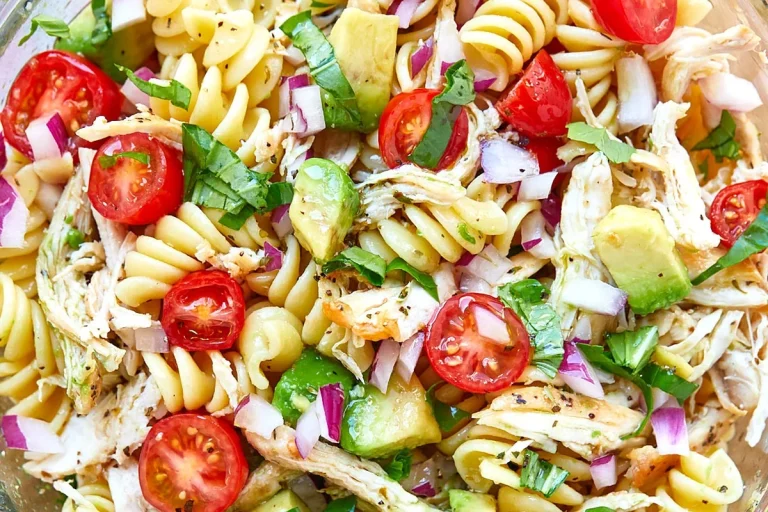
Is Barilla Protein Pasta Healthy for Everyday Meals

Barilla Protein Pasta can be a healthy everyday choice when you want more protein in a familiar meal. It works best with vegetables, sauce, and another protein source.
Yes, Barilla Protein Pasta can be a healthy choice for many everyday meals. It gives you more protein than regular pasta, and that can help a meal feel more filling. Still, it’s not magic food. It’s best when you pair it with vegetables, lean protein, and a sauce that fits your goals.
- More protein: It usually beats regular pasta on protein content.
- Best use: It fits well in balanced, filling meals.
- Texture matters: Cooking time and sauce choice affect taste a lot.
- Label check: Ingredients and allergens can vary by product line.
Is Barilla Protein Pasta Healthy? The Short Answer for Busy Home Cooks
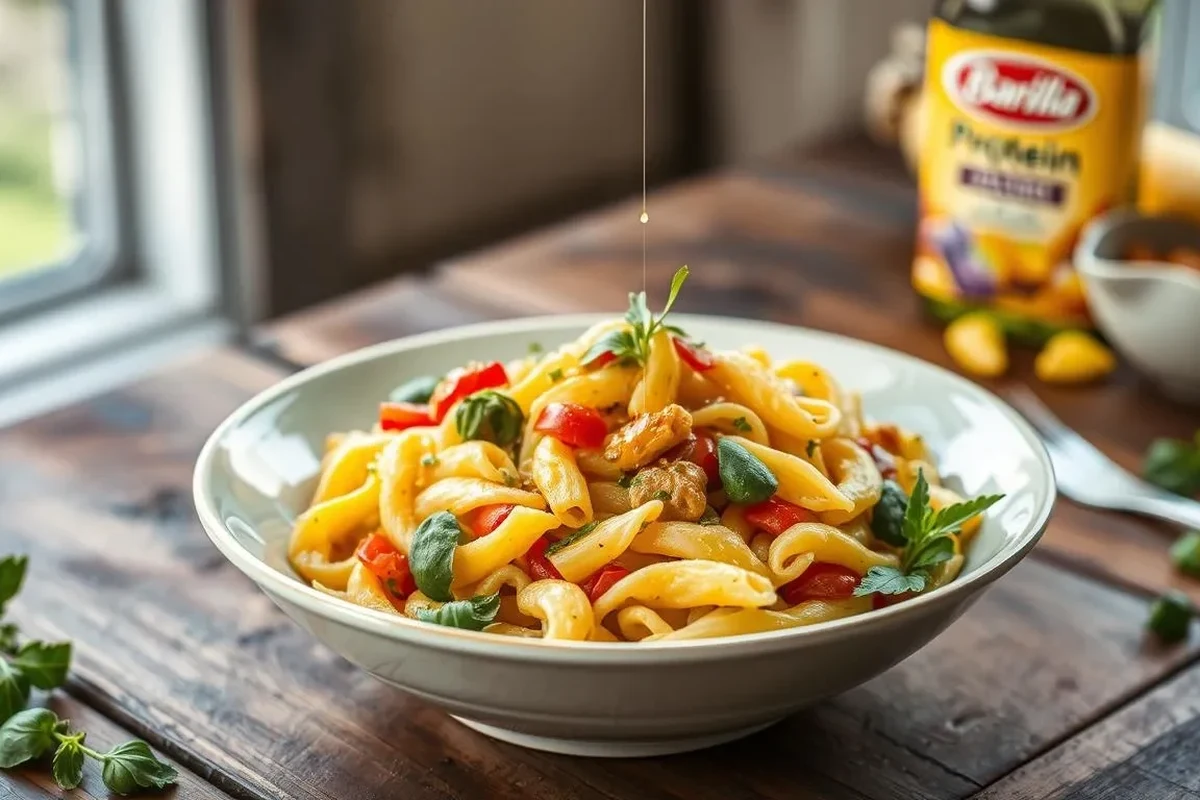
If you want a simple answer, Barilla Protein Pasta is generally a solid option. It can fit into a balanced diet, especially if you want more protein at dinner without changing your whole routine.
That said, health depends on the full plate. A big bowl with heavy cream sauce and little else is still just a heavy bowl of pasta. On the other hand, a moderate serving with beans, chicken, tuna, or roasted vegetables can be a smart weeknight meal.
Barilla Protein Pasta is a good everyday pasta for many people, but it works best as part of a balanced meal.
What Barilla Protein Pasta Is Made Of and How It Differs From Regular Pasta
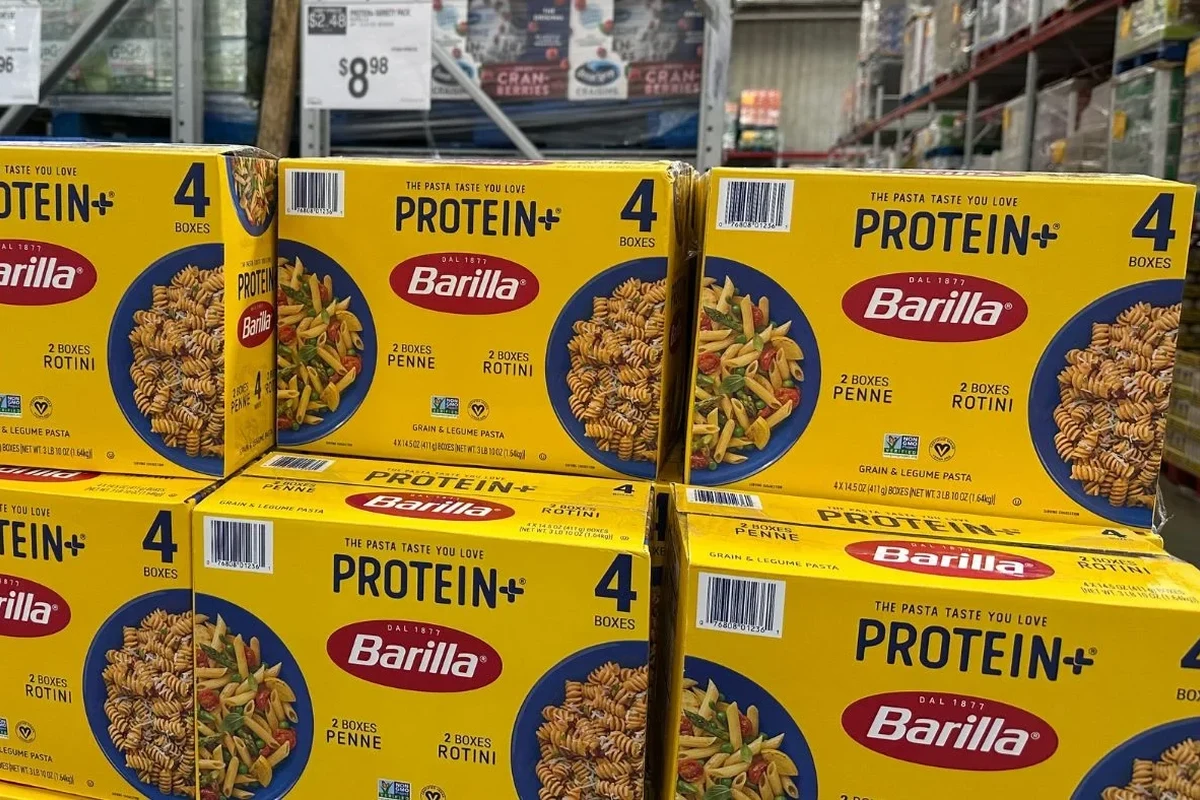
Barilla Protein Pasta is not the same as classic semolina pasta. The exact recipe can vary by product line, so it’s always smart to read the label. In general, protein pasta uses a mix of wheat and added protein sources to boost the protein count.
That change affects both the nutrition and the texture. It may taste a little firmer or more bean-like than plain pasta, depending on the shape and formula.
Key ingredients to look at on the label
When you check the box, look for the main flour type and the protein source. You may also see added fiber, which can change how filling the pasta feels.
- Main flour or grain source
- Added protein source
- Fiber amount per serving
- Allergen notes, especially wheat and legumes
Also check the serving size. Pasta labels can look very different once you compare dry weight, cooked volume, and how much you actually eat.
How protein pasta changes the nutrition profile
Protein pasta usually gives you more protein than standard refined pasta. That can help if you want a more balanced meal without adding a separate side dish.
It may also have more fiber than white pasta, depending on the formula. More fiber can help with fullness. However, the exact amount varies by product, so the label matters more than the marketing on the front.
Nutrition can vary by shape, recipe, and region. Always compare the exact box you plan to buy.
Nutrition Breakdown: Protein, Fiber, Calories, and Carbs
The main reason people reach for protein pasta is simple. They want more protein in a food they already know and like. That can be useful for lunch, dinner, and meal prep.
Calories and carbs still matter too. Protein pasta is still pasta, so it is not a low-carb food in the strict sense. It just shifts the balance a bit.
How it compares with white pasta and whole wheat pasta
Compared with white pasta, protein pasta usually has more protein and sometimes more fiber. Compared with whole wheat pasta, it may have similar fiber or more, depending on the formula.
Whole wheat pasta still has its own strengths. It often brings a familiar grain taste and steady fiber. Protein pasta may win if your main goal is a bigger protein boost.
| Option | Best For | Key Consideration |
|---|---|---|
| White pasta | Classic taste and soft texture | Usually lower in protein and fiber |
| Whole wheat pasta | More fiber with a familiar shape | Taste can be nuttier and denser |
| Protein pasta | Higher protein meals | Label and texture vary by brand |
What the numbers mean for everyday meals
For most home cooks, the big question is not the exact number on the box. It’s whether the pasta helps build a meal that keeps you full and satisfied.
If you often get hungry soon after dinner, protein pasta may help. If you already eat plenty of protein from meat, tofu, beans, or dairy, the difference may feel smaller. In that case, taste and texture may matter more than the nutrition bump.
Health Benefits and Possible Drawbacks of Barilla Protein Pasta
Like most packaged foods, Barilla Protein Pasta has trade-offs. It can support a balanced plate, but it also has limits. The best choice depends on your goals, your digestion, and how you cook it.
Where it can help with fullness and balanced meals
More protein can help a meal feel more complete. That matters on busy nights when you want dinner to hold you over until morning.
Protein pasta can also make meal prep easier. You can toss it with vegetables, sauce, and a simple protein, then have a fast lunch ready for the next day.
- More protein than standard pasta
- Can support more filling meals
- Easy to use in familiar recipes
- Works well for quick weeknight cooking
When it may not be the best choice
Protein pasta may not suit everyone. Some people prefer the taste of classic pasta and notice a different texture right away.
It may also bother people who are sensitive to certain ingredients. Some protein pastas use wheat plus added plant proteins, so read the allergen info with care. If you have a medical diet, talk with a health professional before making it a staple.
If you have food allergies, celiac disease, or a medical diet, check the full ingredient list and allergen statement before buying.
Who Barilla Protein Pasta Is Best For in 2026
In 2026, protein pasta fits a lot of modern home kitchens. It is especially handy for people who want simple meals with a little more staying power.
Good fit for high-protein eaters and busy families
This pasta can work well for active adults, teens, and families who need fast dinners. It also helps when you want a pantry staple that feels familiar but gives a better protein boost.
It is a nice middle ground if you do not want to give up pasta. You can keep the same sauces and toppings you already use.
Good when you need fast meals that feel more filling.
Helpful when you want more protein without changing dinner much.
Who may want to choose a different pasta
If you care most about classic pasta texture, you may prefer regular semolina pasta. If you want the strongest whole-grain feel, whole wheat pasta may be a better fit.
People with sensitive stomachs may also want to test a small serving first. A higher-protein pasta can feel different from regular pasta, especially if it uses legumes or added fiber.
How to Cook Barilla Protein Pasta for the Best Texture and Taste
Cooking matters a lot with protein pasta. If you overcook it, the texture can turn soft or gummy fast. If you undercook it, it may taste chalky or firm in the middle.
Follow the package directions first. Then taste a piece near the end of the cooking time. That simple step often makes the biggest difference.
Common cooking mistakes that hurt the final dish
One common mistake is using too little water. Pasta needs room to move so it cooks evenly.
Another mistake is skipping the stir. Stir early and once or twice more during cooking. That helps keep the strands or shapes from sticking together.
- Use plenty of boiling water
- Stir during the first few minutes
- Taste before draining
- Save a little pasta water for sauce
- Overcooking the pasta
- Rinsing unless your recipe needs it
- Using a sauce that is too thin
- Leaving cooked pasta to sit too long
Simple sauce and recipe ideas that work well
Protein pasta does best with sauces that add flavor and balance. A tomato sauce with vegetables is an easy win. So is pesto with chicken, tuna with olive oil and herbs, or a simple garlic sauce with broccoli.
If you want extra staying power, add beans, lentils, chicken, shrimp, tofu, or cheese. That makes the meal feel more complete without much extra work.
- Use bold sauces to match the firmer texture.
- Add vegetables for color, fiber, and volume.
- Finish with olive oil or cheese for a smoother bite.
Cost, Value, and How It Compares With Other Protein Pastas
Value is about more than the sticker price. It includes taste, texture, nutrition, and how often you’ll actually use the product.
If a pasta is healthy on paper but sits in your pantry untouched, it is not a great value. The best choice is the one you’ll cook again and again.
What you get for the price
Barilla is usually seen as a mainstream grocery brand, so many shoppers expect it to sit in the middle of the market. Exact prices vary by store and region, so it helps to compare unit price when you shop.
For many homes, the value comes from convenience. You get a pantry pasta that is easy to find and simple to use in everyday meals.
Barilla vs other popular protein pasta options
Other protein pastas may use lentils, chickpeas, edamame, or mixed grains. Those options can bring more fiber or a stronger bean taste.
Barilla often makes sense if you want a more familiar brand and a milder pasta experience. If you want the highest protein or the most fiber, another brand may suit you better. The best choice depends on what you value most.
Choose Barilla Protein Pasta for an easy step up from regular pasta.
Consider a legume-based pasta if the label shows more fiber and you like the taste.
Barilla is a practical middle-ground choice for many households.
Final Verdict: Should You Buy Barilla Protein Pasta for Everyday Meals?
Yes, Barilla Protein Pasta is a healthy enough choice for many everyday meals. It is especially useful if you want more protein without giving up pasta night.
It is not the best choice for every cook, though. If you want the most classic pasta texture, you may still prefer regular pasta. If you want the strongest fiber boost, a whole wheat or legume pasta may be better.
Barilla Protein Pasta is a smart everyday option for busy cooks who want a more filling bowl of pasta. Pair it with vegetables and a solid protein source for the best result.
- It offers more protein than regular pasta.
- It works best in balanced meals with sauce and vegetables.
- Texture and ingredient mix can vary by product line.
- It’s a good fit for busy families and high-protein eaters.
Frequently Asked Questions
It can be healthier for some people because it usually has more protein. That may help a meal feel more filling, but the full dish still matters most.
Yes, it can taste and feel a little different. The exact texture depends on the product line and how long you cook it.
You can use it in most pasta recipes. It works best with sauces and toppings that add moisture and flavor.
It may help some people feel fuller, which can support portion control. But it is still important to watch serving size and the rest of the meal.
Check the protein source, fiber amount, serving size, and allergen statement. That helps you compare it with other pasta options more fairly.
Use plenty of boiling water, stir early, and taste it near the end of the cook time. Drain it as soon as it reaches the texture you like.