Are French Press Coffee Makers Healthy What You Should Know

Yes, French press coffee makers can be a healthy choice for many adults, especially in moderation. The main watchouts are coffee oils, caffeine, and how your body handles strong coffee.
Yes, French press coffee makers can be a healthy choice for many people. The main trade-off is that this brew method can let more coffee oils into your cup, which may matter for cholesterol and stomach comfort.
- Healthy for many: French press coffee fits a balanced routine for most adults.
- Main concern: More coffee oils may matter for cholesterol-sensitive drinkers.
- Brewing matters: Coarse grind and moderate steeping improve taste and comfort.
- Add-ins count: Sugar and heavy cream can make coffee less healthy fast.
- Clean often: Regular washing helps flavor, safety, and filter performance.
Are French Press Coffee Makers Healthy? The Short Answer
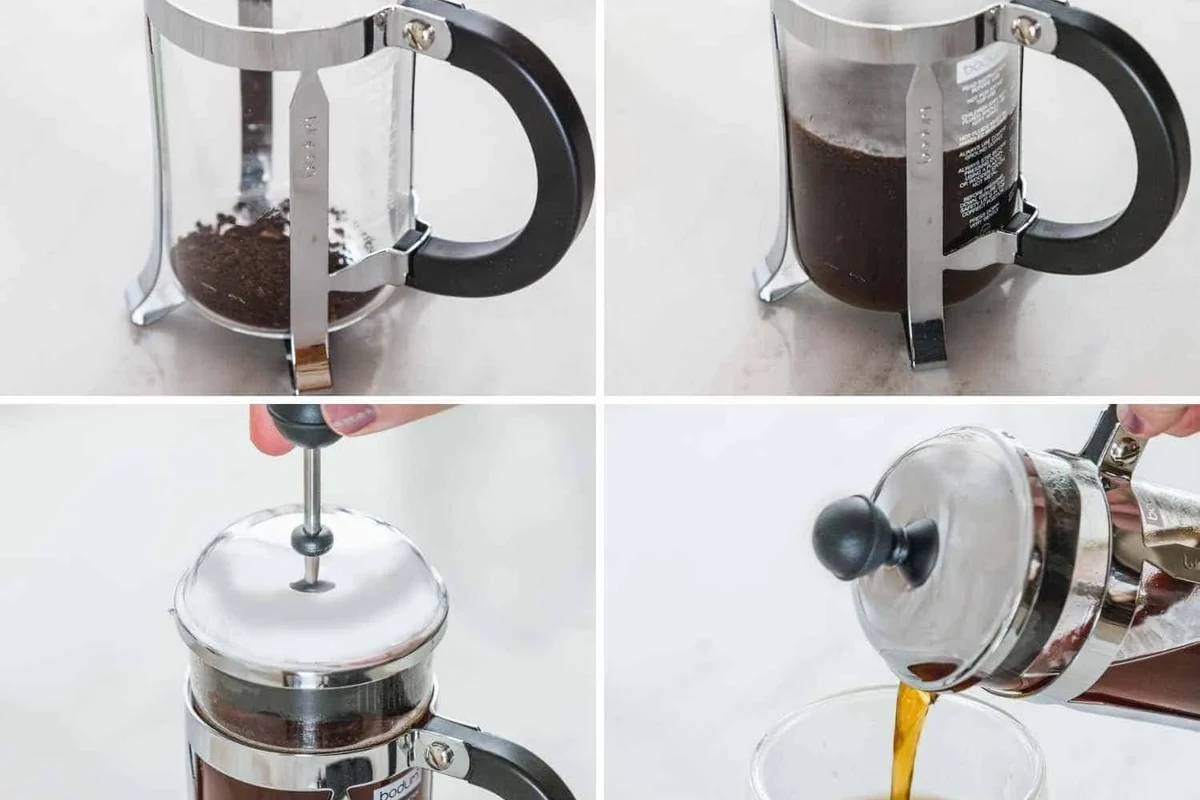
For most healthy adults, French press coffee is fine in moderation. It gives you a strong, rich cup without sugar or cream, which can fit a balanced routine.
The bigger health question is not the press itself. It is how much coffee you drink, how strong you brew it, and how your body reacts to caffeine and coffee oils.
How a French Press Works and Why It Matters

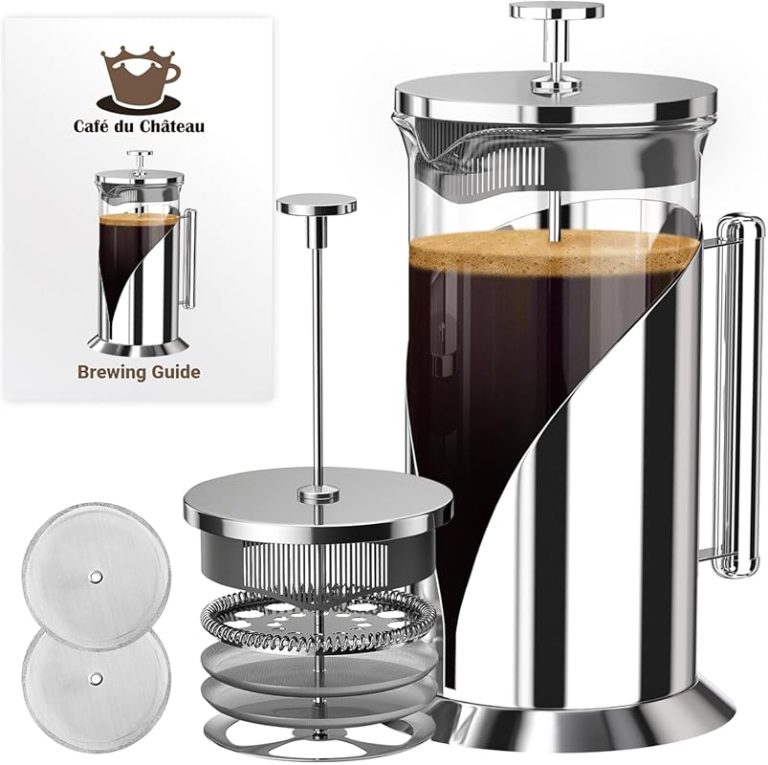
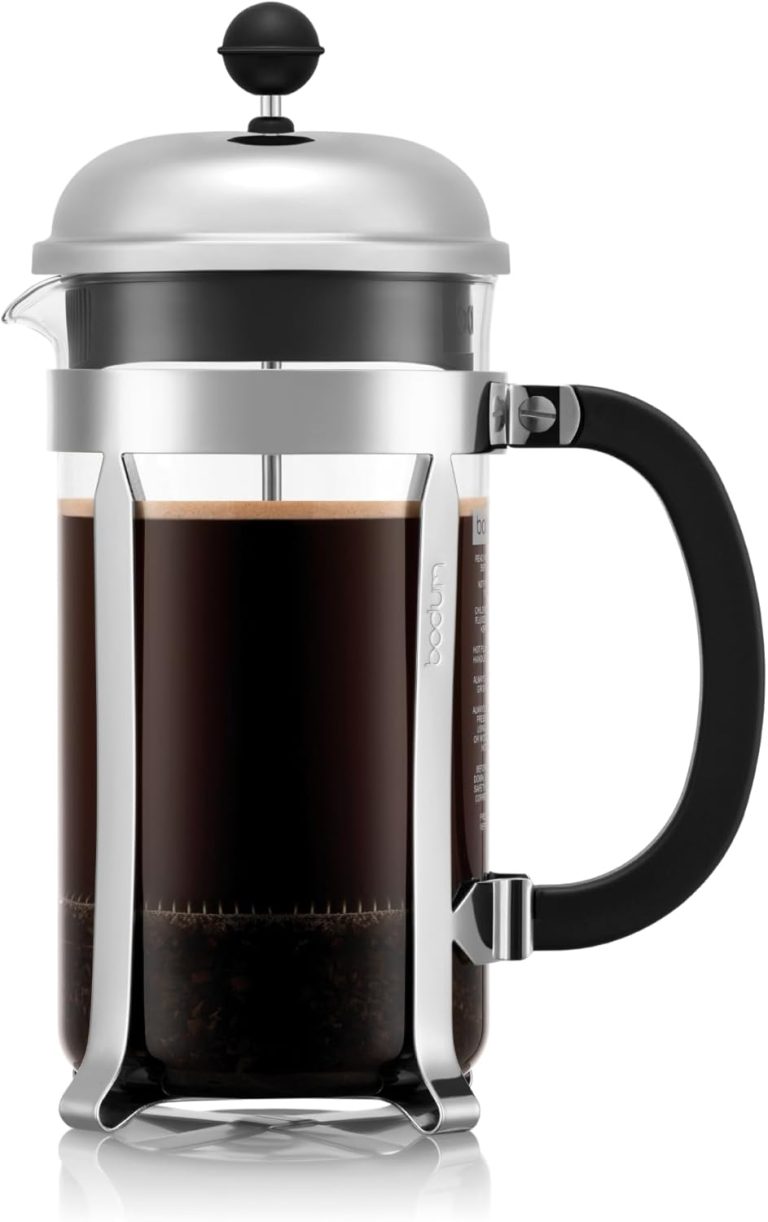
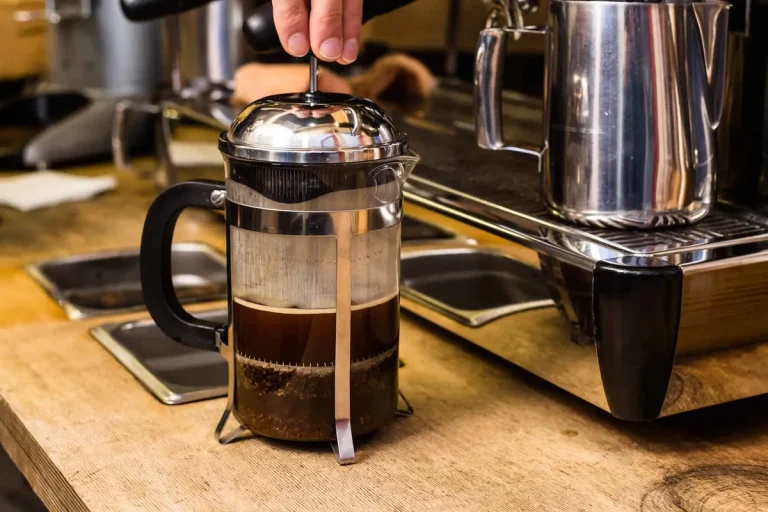
A French press steeps ground coffee in hot water. Then you push a mesh plunger down to separate most of the grounds from the drink.
That simple design changes what ends up in your cup. It also changes flavor, body, and some health-related compounds.
What the mesh filter lets into your cup
The mesh filter catches the coffee grounds, but it does not trap every tiny particle. It also lets more natural coffee oils pass through than paper filters do.
Those oils help create a fuller, richer taste. They can also carry compounds like cafestol, which gets more attention in health talks.
Paper filters remove more coffee oils than metal mesh filters.
Why brew time and grind size change the result
French press coffee usually uses a coarse grind. That helps limit sludge and bitter taste.
If the grind is too fine, more small particles slip through. If you brew too long, the coffee can turn harsh and stronger than you meant.
- Use a coarse grind for cleaner coffee.
- Keep brew time steady for a smoother cup.
Health Benefits of French Press Coffee
French press coffee can fit a healthy routine when you drink it in a sensible amount. It has the same core coffee benefits as many other brew methods.
Rich coffee oils and fuller flavor
Many people like French press coffee because it tastes bold and smooth. That strong flavor can make it easier to enjoy coffee without adding much sugar.
That matters more than it sounds. A plain cup is usually a better daily habit than a sweet drink loaded with extras.
- Strong flavor can reduce the need for sweet add-ins.
- Simple brewing keeps the drink easy to control.
- No pods or paper filters are needed.
Caffeine, focus, and daily routine benefits
French press coffee can help you feel more alert. For many people, caffeine supports focus, energy, and a steady morning routine.
It can also be a useful ritual. A calm coffee break can help you slow down before a busy day.
Caffeine affects people in different ways. Your sleep, stress, and health history all matter.
Possible Health Drawbacks to Know About
French press coffee is not perfect for everyone. The main concerns involve coffee oils, acidity, and caffeine.
Cafestol and cholesterol concerns
French press coffee keeps more oils in the cup than paper-filtered coffee. One of those oils contains cafestol, which may raise LDL cholesterol in some people.
That does not mean French press coffee is unsafe. It means people with high cholesterol or heart concerns may want to ask a health professional about their coffee habits.
If you have cholesterol concerns, follow your doctor’s advice on coffee and diet.
Acidity, stomach comfort, and caffeine sensitivity
Coffee can bother some stomachs. French press coffee may feel stronger or heavier because it keeps more oils and fine particles.
If you get jitters, reflux, or stomach upset, the method may not suit you well. You may do better with smaller servings, a lighter roast, or a paper-filtered brew.
Is French press coffee too strong for sensitive drinkers?
It can be. The method often makes a fuller cup, so sensitive drinkers may prefer less coffee or a different brew style.
How to Make French Press Coffee Healthier
You can make French press coffee a better fit for your body. Small changes in beans, brew time, and serving size can help a lot.
Choose the right beans, grind, and brew time
Start with fresh beans and a coarse grind. That usually gives you cleaner flavor and less grit.
Keep the brew time moderate. Overbrewing can make coffee taste bitter and may make it feel harsher on your stomach.
This helps control sludge and keeps the cup smoother.
Stop before the coffee gets too bitter or heavy.
This helps limit extra bitterness from sitting on the grounds.
Control serving size and add-ins
Serving size matters more than many people think. A smaller cup can still give you the taste and focus boost you want.
Also watch what you add. Sugar, flavored syrups, and heavy cream can turn a simple drink into a less healthy one fast.
- Drink smaller servings if caffeine affects you.
- Use milk or a light splash of cream if needed.
- Keep sweeteners modest.
- Turning coffee into a dessert drink.
- Using extra-strong brews late in the day.
- Ignoring stomach or sleep problems.
Common Mistakes That Can Affect Health and Taste
French press coffee is easy to make, but small mistakes can change the result. Some of them affect taste. Others can affect how your body feels.
Using too fine a grind or brewing too long
A fine grind can slip through the mesh filter. That gives you more sludge and a rougher cup.
Brewing too long can also pull out more bitter compounds. If the coffee tastes harsh, this is often the first thing to fix.
The coffee tastes muddy, bitter, or gritty.
Use a coarser grind and shorten the steep time a little.
Letting coffee sit on the grounds too long
Once the coffee is ready, pour it out. If it sits in the press, it can keep extracting and taste more bitter.
That can also make the drink less pleasant on an empty stomach. Freshly poured coffee usually tastes cleaner and smoother.
Transfer leftover coffee to a separate mug or carafe instead of leaving it in the press.
Cleaning, Maintenance, and Safety Tips
A clean French press makes better coffee and helps you avoid stale residue. It also keeps the mesh filter working the way it should.
How often to clean the press and filter
Clean the press after each use. Grounds and oils can cling to the glass or steel parts fast.
Rinse the plunger, mesh, and lid well. For deeper cleaning, follow the maker’s instructions for disassembly and washing.
Empty the grounds, rinse the parts, and wash with warm soapy water.
Check the mesh for wear, buildup, and loose parts.
Signs your French press needs replacement
Replace the press if the mesh is bent, torn, or no longer fits well. A loose fit can let more grounds into the cup.
Also replace cracked glass, damaged lids, or any part that no longer seals or moves smoothly. Follow the product manual for safe use and care.
Stop using damaged equipment. Cracked glass and loose parts can break during brewing or pressing.
Final Verdict: Is a French Press a Healthy Choice?
For many people, yes, a French press can be a healthy coffee choice. It gives you a simple, low-additive brew with strong flavor and easy daily use.
The main caution is that it may not be the best pick for everyone. If you have high cholesterol, reflux, jitter problems, or a sensitive stomach, another brew method may suit you better.
French press coffee is a solid choice for many adults who want rich flavor and simple brewing. If you need lower oil content or a gentler cup, a paper-filtered method may be the better fit.
Who it suits best and who may want another method
French press suits people who like bold coffee and want control over strength. It also works well for home drinkers who do not want pods or complicated gear.
On the other hand, people with cholesterol concerns or caffeine sensitivity may want to look at filtered drip coffee or another gentler option.
Drinkers who want rich taste and simple brewing.
People who need lower oil content or a milder cup.
Best next steps for readers choosing a brewer
If you already own a French press, start by adjusting grind size, brew time, and serving size. Those changes often improve both taste and comfort.
If you’re shopping for one, check the filter quality, ease of cleaning, heat-safe materials, and the manufacturer’s care guidance. That will matter more than fancy extras for most homes.
- French press coffee is healthy for many adults in moderation.
- It may raise concern for cholesterol-sensitive drinkers.
- Grind size, brew time, and add-ins matter a lot.
- Clean the press often and replace damaged parts.
Frequently Asked Questions
It depends on what you mean by healthy. French press keeps more coffee oils, while paper-filtered drip coffee removes more of them. If cholesterol is a concern, drip coffee may be the better fit.
It can, but the amount varies by beans, grind, and brew ratio. A longer steep or a larger serving can also raise caffeine intake.
A coarse grind usually works best. It helps reduce sludge, improves flow through the mesh filter, and can make the cup taste smoother.
Use a coarser grind, shorten the brew time, and pour the coffee off the grounds as soon as it is ready. A fresh, clean press also helps the flavor stay smooth.
Clean it after each use so oils and grounds do not build up. Check the mesh and lid regularly for wear, and follow the maker’s care instructions.
People with high cholesterol, reflux, caffeine sensitivity, or a sensitive stomach may want to be cautious. If that sounds like you, ask a health professional which coffee method fits you best.