Are French Press Coffee Makers Bad for You and Why

French press coffee is not bad for most people, but it can matter if you watch cholesterol or drink a lot of coffee. It is best for rich flavor, while paper-filter coffee is better if health is your top concern.
French press coffee makers are not bad for most people. The main concern is that they brew unfiltered coffee, which can raise compounds that may affect cholesterol in some drinkers.
In short, the French press is usually fine for healthy adults. But if you watch your cholesterol, drink a lot of coffee, or want a lighter cup, it helps to know the trade-offs.
- Most people: French press coffee is usually fine in normal amounts.
- Main concern: Unfiltered coffee can affect cholesterol in some drinkers.
- Best brew habits: Use coarse grounds, short steeping, and a clean press.
- Taste trade-off: French press gives more body, but also more sediment.
- Best alternative: Paper-filter coffee works better for heart-health caution.
Are French Press Coffee Makers Bad for You? The Short Answer

The short answer is no, not for most people. A French press does not make coffee unsafe by itself.
The bigger issue is how it brews. Because it uses a metal mesh filter instead of paper, more coffee oils and tiny particles stay in the cup.
What most coffee drinkers need to know first
If you drink French press coffee in normal amounts, it is usually part of a reasonable diet. The cup may taste richer and feel heavier than drip coffee.
That does not make it harmful on its own. It just means the brew style is different, and the health effects can differ too.
Is French press coffee unhealthy for everyone?
No. For most adults, the main concern is not the press itself. It is the unfiltered brew style and how much coffee you drink.
When French press coffee may be a concern
French press coffee may matter more if you already have high LDL cholesterol. It may also be a concern if you drink several cups each day.
People who are sensitive to caffeine may also feel shaky, anxious, or restless. In that case, brew strength and serving size matter a lot.
How a French Press Works and Why It Changes Your Coffee

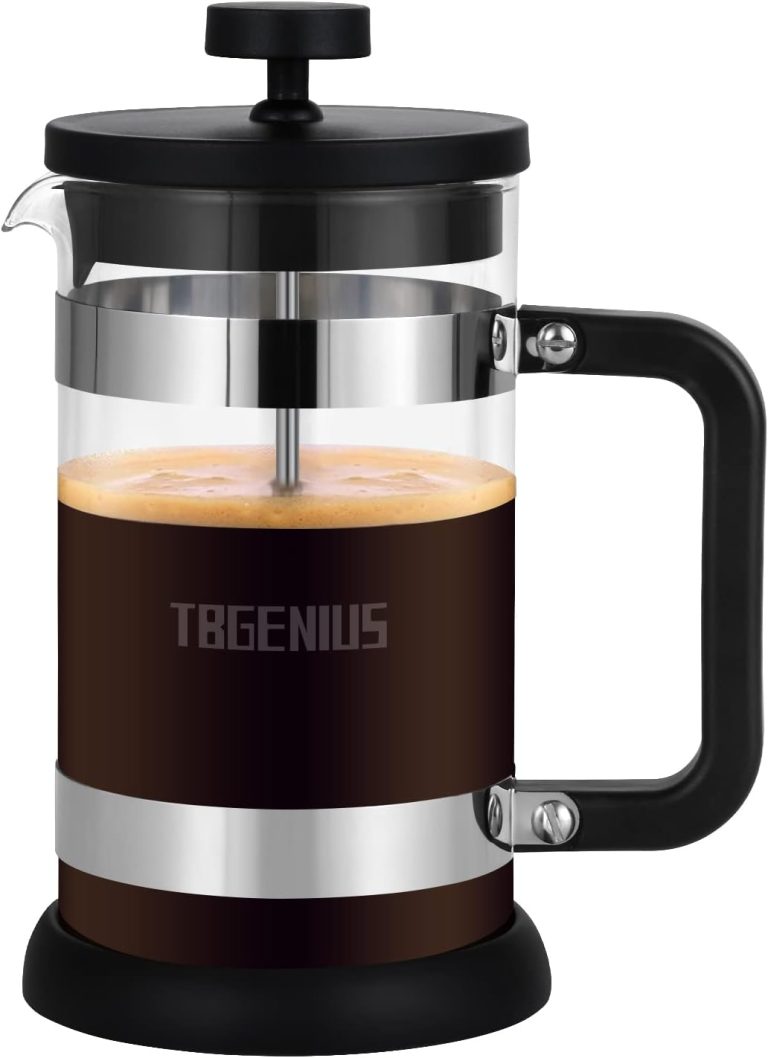
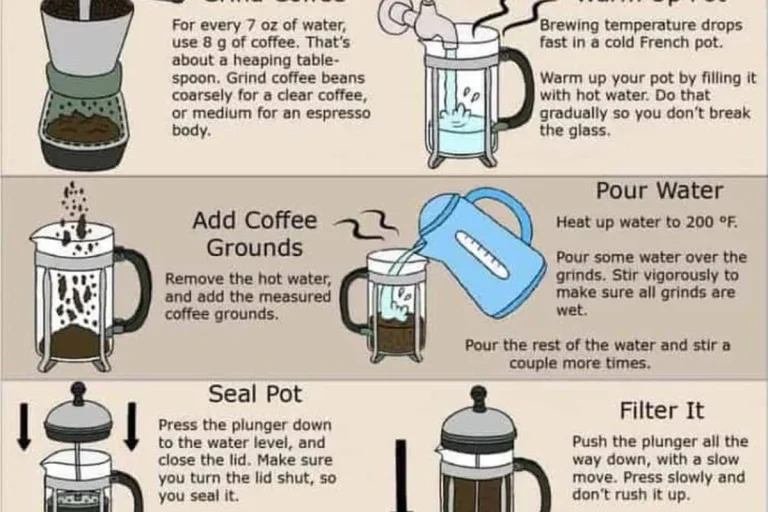
A French press is simple. You add coarse coffee, pour in hot water, steep, then press the plunger down.
That simple setup is part of the appeal. It also explains why the cup tastes fuller than paper-filter coffee.
Why the metal filter lets more oils through
The metal filter catches grounds, but it does not trap fine oils as well as paper. Those oils carry flavor and body.
They also carry compounds called diterpenes. Cafestol is the one most often discussed in health studies.
Paper filters trap more coffee oils than metal filters do. That is why drip coffee often tastes cleaner and lighter.
How steeping time affects taste and strength
French press coffee steeps in the water longer than drip coffee. That gives the water more time to pull out flavor, caffeine, and bitter notes.
Longer steeping can make the cup stronger. It can also make it taste harsh if you leave it too long.
What the Research Says About French Press Coffee and Health
Research on coffee and health is broad, but one point is clear. Unfiltered coffee tends to contain more cafestol and related compounds than paper-filter coffee.
That matters because those compounds can affect blood lipids in some people. The size of the effect depends on how much you drink and your own health profile.
Cafestol and diterpenes in unfiltered coffee
Cafestol and other diterpenes come from coffee beans. They move into the cup more easily when the brew uses no paper filter.
French press coffee is one of the best-known examples of unfiltered coffee. Espresso also contains these compounds, but serving size and drink habits differ.
How French press compares with paper filter coffee
Paper-filter coffee usually removes more oils and fine particles. That often makes it a better choice for people who want a lighter cup.
French press coffee keeps more of the bean’s natural oils. That gives it a fuller body, but it can also mean more diterpenes in the cup.
The health impact can vary by serving size, roast, grind, brewing time, and how often you drink coffee.
What this means for cholesterol and heart health
For many people, the difference is small enough that it will not matter much. For others, especially those with cholesterol concerns, it may be worth switching some cups to paper-filter coffee.
If you have heart disease, high LDL, or a family history of cholesterol problems, ask a clinician what fits your routine. Coffee is only one part of the bigger picture.
Benefits of French Press Coffee for Everyday Use
French press coffee gets popular for good reasons. It is simple, low cost, and easy to control.
For many home brewers, those benefits matter more than the health debate.
Full flavor and rich mouthfeel
French press coffee tastes bold and round. It often has more body than auto-drip coffee.
If you like a rich cup in the morning, that texture can be a big plus. It feels more like a cafe-style brew at home.
Simple setup and low cost
You do not need pods, paper filters, or fancy parts. That keeps the process easy.
It also makes the French press a handy choice for small kitchens, travel, or basic starter setups.
Better control over brew strength
You can change the grind, ratio, and steep time to suit your taste. That control helps if you want a mild cup or a stronger one.
For example, a shorter steep and less coffee can make the drink smoother. A longer steep can make it bolder, but also more bitter.
Start with a simple recipe, then adjust one thing at a time. That makes it easier to find your best cup.
Possible Downsides and Who Should Be Careful
French press coffee is not perfect for everyone. The main downsides come from caffeine, bitterness, and unfiltered oils.
Most of these issues are easy to manage, but some people should pay closer attention.
People watching cholesterol levels
If your doctor has told you to watch LDL cholesterol, French press coffee may deserve a closer look. The unfiltered brew can add more diterpenes than paper-filter coffee.
You may not need to quit it completely. You may just want to drink it less often or switch some cups to filtered coffee.
People sensitive to caffeine
French press coffee can feel strong, especially if you use a high coffee-to-water ratio. It may leave some people jittery or upset their sleep.
If that sounds familiar, try a smaller serving or a shorter steep. You can also use less coffee per cup.
Common issues from overbrewing or using too much coffee
Too much coffee or too much steep time can make the brew harsh. It can also leave more sediment in the cup.
That does not make the drink dangerous. It just makes it less pleasant and sometimes harder on sensitive stomachs.
If coffee causes chest pain, strong palpitations, or severe stomach upset, stop drinking it and get medical advice.
How to Brew French Press Coffee More Safely
You can make French press coffee taste better and feel easier on the body with a few simple habits. The goal is a balanced cup, not a bitter one.
Small changes often make a big difference here.
Best grind size, water temp, and steep time
Use a coarse grind. Fine grounds can slip through the filter and make the cup muddy.
Use hot water, not boiling water if you can help it. Very hot water can pull out more bitterness.
Steep for a few minutes, then press slowly. Exact timing can vary by bean and brewer.
How much coffee to use for a balanced cup
Use a steady coffee-to-water ratio, then adjust from there. Too much coffee can make the drink too strong and bitter.
Too little coffee can taste thin and sour. A balanced ratio gives you better flavor and more control over caffeine.
Ways to reduce bitterness and sediment
Do not grind too fine. That is one of the most common mistakes.
Also, pour the coffee out soon after pressing. Letting it sit in the press can make it taste harsher.
- Use coarse grounds and a steady steep time.
- Pour soon after pressing for the best taste.
- Do not oversteep the coffee.
- Do not use very fine grounds.
Cleaning, Maintenance, and Daily Use Tips
A clean French press makes better coffee. It also helps the brewer last longer and stay easier to use.
Old grounds and oils can build up fast if you skip cleanup.
How often to clean the press and filter
Rinse the press after each use. Wash the plunger parts and carafe with warm, soapy water as your routine allows.
Some parts may be dishwasher safe, but not all models are the same. Check the manual before you toss pieces into the dishwasher.
Signs your French press needs a deeper clean
If the coffee starts tasting stale or oily, the press may need a deeper wash. A slow plunger can also point to buildup in the filter.
Cloudy glass, stuck grounds, or a lingering smell are other common signs. Those are all easy clues to act on.
Empty grounds, rinse parts, and wash the filter pieces.
Soak and scrub parts with visible oil or buildup.
How clean gear can improve taste and safety
Clean parts help keep old oils from turning rancid. That improves flavor right away.
It also lowers the chance of mold or grime building up in hidden spots. That is good kitchen hygiene, plain and simple.
Replace cracked glass, bent mesh, or damaged seals. Stop using any press that no longer works smoothly.
Final Verdict: Is a French Press Worth It in 2026?
Yes, for most coffee drinkers, a French press is still worth it in 2026. It makes rich coffee with very little gear.
The main drawback is health related for some people, not everyone. If cholesterol is a concern, paper-filter coffee may be the safer everyday pick.
Best for flavor lovers and casual home brewers
Choose a French press if you care most about taste, body, and simple brewing. It works well for people who want a no-fuss coffee routine.
It is also a good fit if you enjoy adjusting brew strength at home.
Best alternatives if health is your top concern
If you want to reduce unfiltered oils, choose a paper-filter drip brewer or pour-over setup. Those methods usually give a cleaner cup.
If caffeine is your main issue, look at smaller servings or lower-caffeine coffee styles too.
Transparent recommendation from the Red Kitchen Project Editorial Team
Our view is simple. French press coffee is not bad for you in general, but it is not the best choice for every person.
If you love the flavor, use it. If you have cholesterol concerns, keep it occasional or switch some cups to filtered coffee.
French press coffee is a solid choice for rich flavor and easy brewing. If heart health or cholesterol is your top concern, paper-filter coffee is the safer everyday option.
- French press coffee is usually fine for most healthy adults.
- Unfiltered coffee can matter more for cholesterol concerns.
- Coarse grounds and short steeping improve taste.
- Clean the press often for better flavor and hygiene.
Frequently Asked Questions
It can be for some people because it is unfiltered. Paper-filter coffee usually removes more oils and diterpenes.
It may raise LDL cholesterol in some people if they drink it often. The effect varies by serving size and your health profile.
Use a coarse grind. Fine grounds can slip through the filter and make the cup bitter or muddy.
Steep for a few minutes, then press slowly. Exact timing can vary by bean, ratio, and taste preference.
Use coarse grounds, avoid oversteeping, and pour the coffee soon after pressing. Clean gear also helps keep flavors fresh.
Rinse it after each use and wash the parts regularly. Check the manual for dishwasher-safe parts and deeper cleaning advice.