Are All French Press Coffee Makers the Same Find Out

No, French press coffee makers are not all the same. The biggest differences are material, filter quality, size, and heat hold.
No, all French press coffee makers are not the same. They share the same basic brewing idea, but the materials, filter, size, and build quality can change the taste, heat hold, and cleanup.
If you want the short answer, focus on three things. Look at the filter, the material, and the size.
- Material matters: Glass, steel, ceramic, and plastic all feel different in use.
- Filter quality matters: Better filters can reduce grit and improve cup feel.
- Size matters: Pick a press that matches your daily brewing amount.
- Cleanup matters: Simple parts and easy washing make daily use easier.
Are All French Press Coffee Makers the Same? The Short Answer
They are not all the same, even if they look close at first glance. Most French presses use a plunger and mesh filter, but that is where the sameness ends.
Some models keep heat better. Some feel sturdier. Some are easier to clean or less likely to let fine grounds slip into your cup.
That means the “best” French press depends on how you brew. A solo coffee drinker, a family, and a traveler will each want something different.
If they all brew coffee the same way, why do results vary?
Because the brew basket, filter, heat hold, and fit around the plunger all shape the final cup.
How a French Press Works and Why Small Design Changes Matter
A French press steeps coffee grounds in hot water. Then you press a mesh filter down to separate the liquid from the grounds.
That sounds simple. Still, small design changes can make a big difference in how the coffee tastes and feels.
Basic parts of a French press
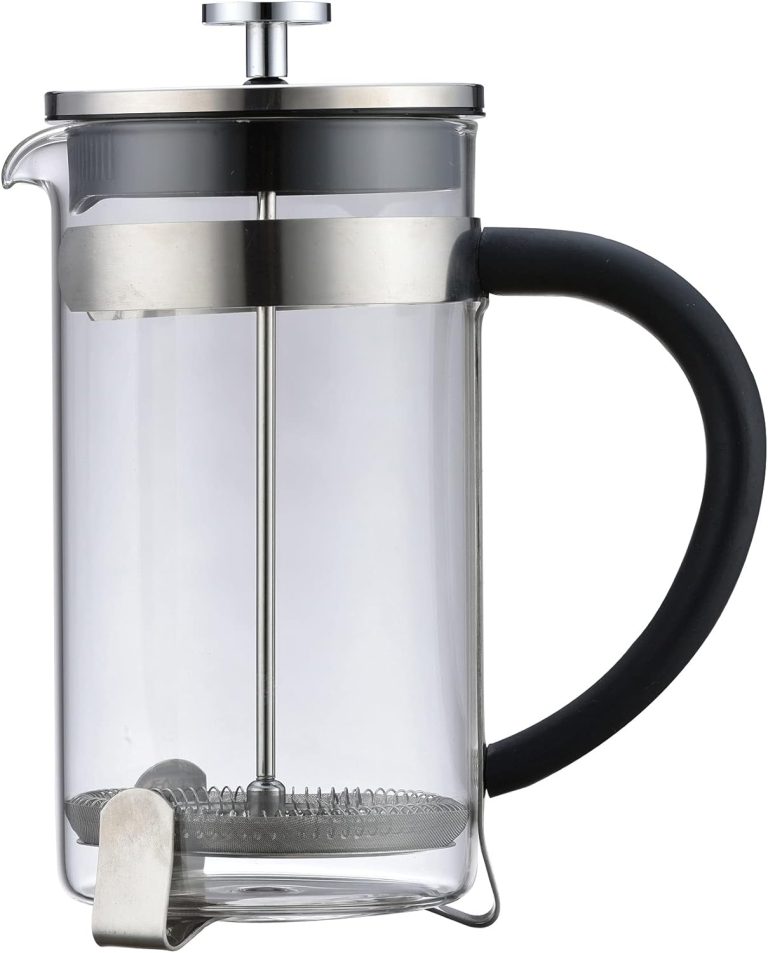
Most French presses have a few core parts. The exact look changes by brand, but the job stays the same.
Holds the water and grounds during brewing.
Pushes the filter down after steeping.
Separates brewed coffee from the grounds.
Help with pouring, grip, and safe handling.
Some models add extra filter layers or tighter seals. Others keep the design very basic.
How brewing time, grind size, and filter style affect taste
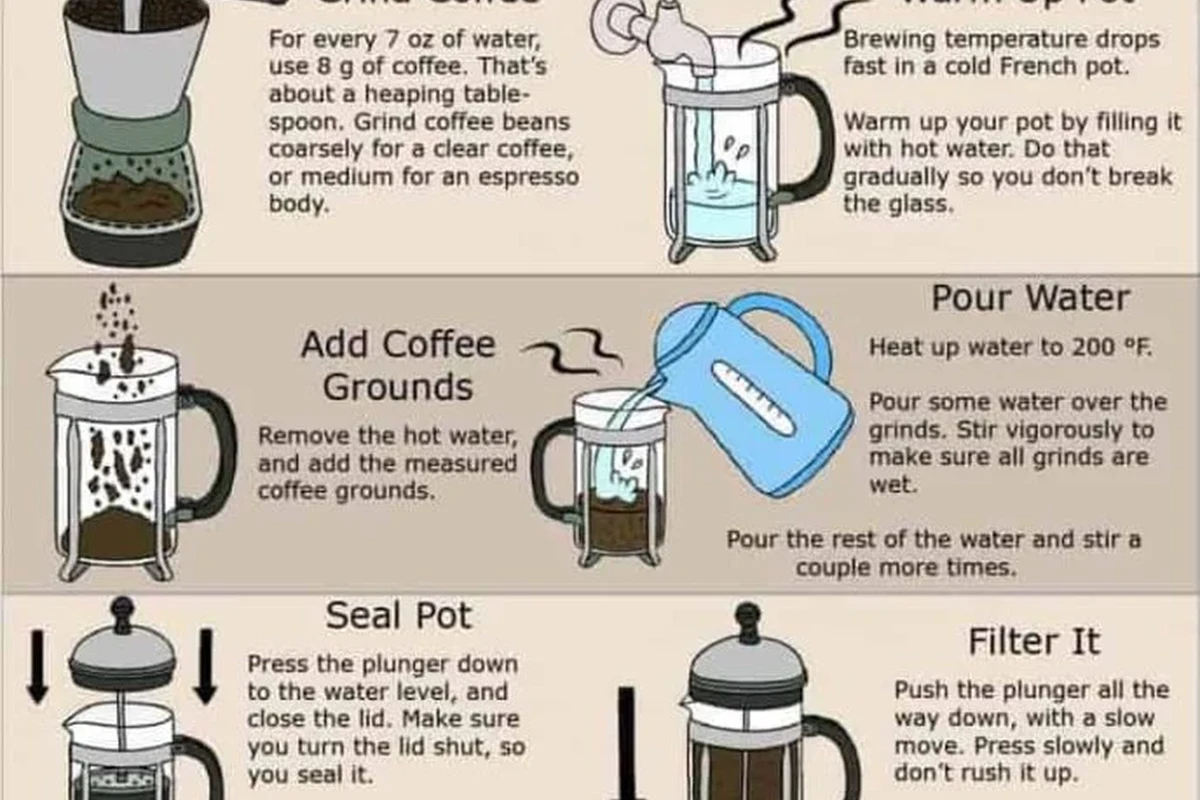
The press itself matters, but so do your brew habits. A coarse grind usually works best for French press coffee.
If the grind is too fine, the cup can turn muddy or bitter. If the steep time runs too long, the coffee can taste harsh.
Filter style also matters. A tighter filter can catch more sediment. A looser one may let more fine bits through.
For a cleaner cup, use a coarse grind and pour slowly after pressing.
Key Differences Between French Press Coffee Makers
When you compare French presses, a few features matter most. These features change comfort, taste, and long-term use.
Material: glass, stainless steel, plastic, and ceramic
Material affects heat, weight, and durability. It also changes how careful you need to be in daily use.
Glass is common and lets you see the brew. It can break if dropped or handled roughly.
Stainless steel often holds heat better and resists breakage. It can feel heavier, but it works well for travel or busy kitchens.
Plastic models are usually light and simple. They may fit casual use, but some buyers prefer other materials for a more solid feel.
Ceramic can look nice and hold heat fairly well. It can also chip or crack if knocked around.
- Glass shows the brew level clearly
- Stainless steel holds heat and resists breakage
- Ceramic can feel stable and attractive
- Glass can break more easily
- Stainless steel hides the brew inside
- Ceramic can chip and add weight
Size and serving capacity
French presses come in different sizes. A small one suits one person well, while a larger one works better for sharing.
Do not buy a bigger model just because it sounds better. A press that is too large can waste coffee and make daily brewing less easy.
Best for one drinker or tight counter space.
Best for shared mornings or multiple cups.
Filter quality, plunger fit, and heat retention
This is where many models start to separate. A better filter can cut down on grit and give you a smoother cup.
A snug plunger fit also matters. If it feels loose, grounds may slip around the edges.
Heat retention matters more than many shoppers expect. A press that loses heat fast can make the coffee taste flatter.
Heat hold varies by model, wall thickness, and lid design. Manufacturer claims can help, but real results depend on your water, room temp, and brew time.
Build quality, durability, and ease of use
Some French presses feel solid in the hand. Others feel light, thin, or a bit flimsy.
For daily use, easy assembly and simple cleanup matter a lot. A press that takes too much effort may end up unused.
- Simple brewing with few parts
- Good control over strength and steep time
- Easy to store in small kitchens
What to Look for When Buying a French Press
Start with your real routine. Think about how many cups you make, how often you brew, and how much cleanup you want.
Best choice for beginners
Beginners usually do best with a simple, sturdy model. A clear lid, easy pour spout, and basic mesh filter help keep things simple.
It also helps to choose a press with a stable base. That makes pouring feel less awkward.
- Choose a size that fits your daily cup count
- Check how easy the filter is to remove and wash
- Look for a handle that feels secure
- Read the manual for care and heat limits
Best choice for travel or daily home use
For travel, stainless steel often makes sense. It handles bumps better and keeps the brew warmer for longer.
For home use, the best choice depends on your habits. If you like to watch the brew, glass may feel nicer. If you want less worry, steel can be a better fit.
What matters most for flavor and cleanup
Flavor starts with the filter and the grind. Cleanup starts with how easy it is to empty the grounds and wash the parts.
If you hate scrubbing, look for a press with a simple plunger assembly. Fewer hidden parts usually mean less fuss.
Benefits and Limits of Different French Press Coffee Makers
French press coffee has loyal fans for good reason. Still, the method has trade-offs that matter in real kitchens.
Why people love French press coffee
French press coffee can taste full and rich. The mesh filter lets more oils stay in the cup, which many people enjoy.
It also gives you more control than many drip machines. You can change the coffee strength by adjusting grind, water amount, and steep time.
Common drawbacks and trade-offs
The same mesh filter that adds body can also let sediment through. Some people like that. Others do not.
French presses also need more attention than an automatic machine. You have to heat water, time the brew, press gently, and clean the parts.
- Use coarse grounds for a cleaner cup
- Press slowly and steadily
- Clean all parts after each use
- Using very fine coffee grounds
- Forcing the plunger down hard
- Leaving wet grounds in the press
When a French press may not be the best fit
A French press may not suit you if you want a very clean cup with no grit. It may also not be ideal if you need coffee ready at the push of a button.
If you brew for a crowd every morning, a drip maker or larger brewer may be easier. That depends on your kitchen and your routine.
Common Mistakes That Change the Coffee Result
Even a good French press can make poor coffee if you use it the wrong way. The good news is that most mistakes are easy to fix.
Using the wrong grind size
This is one of the biggest issues. Fine grounds can clog the filter and make the cup muddy.
Go coarse instead. That usually gives a smoother press and a cleaner result.
The coffee tastes bitter, sludgy, or hard to press.
Use a coarser grind and press more slowly.
Brewing too long or too short
Timing matters a lot. If you stop too early, the coffee may taste weak.
If you wait too long, it can turn harsh. The exact best time varies by beans, grind, and taste.
Skipping preheating or stirring the grounds
Preheating the press can help keep the water hot. That matters more with glass models and thin walls.
Stirring after adding water can help wet all the grounds evenly. That can improve the final cup.
- Rinse the press with hot water before brewing
- Stir gently so all grounds get wet
- Press slowly to reduce splashing and grit
Cleaning, Care, and Safety Tips
French presses are easy to clean in theory. In real use, the filter and grounds can make a mess if you rush.
How to clean a French press the right way
Let the spent grounds cool first. Then empty them and rinse the parts well.
Wash the carafe, plunger, and filter with warm soapy water if the manual allows it. Some parts may also be dishwasher-safe, but check the model guide first.
Empty grounds, rinse parts, and wash before residue dries.
Check the mesh, seals, and plunger fit for wear or buildup.
How to avoid cracks, clogs, and bad odors
Do not shock hot glass with cold water. That can raise the risk of cracking.
Also, do not let coffee oils sit for days. Old residue can create bad smells and stale taste.
Follow the appliance manual and stop using damaged equipment.
Safety tips for hot water and glass models
Use care with boiling or very hot water. A French press can splash during pouring or pressing.
Hold the handle firmly and press with slow, steady pressure. If the press feels cracked, loose, or unstable, stop using it.
Glass carafes can break if dropped, chipped, or heated too fast. Replace damaged parts right away.
Final Verdict: Which French Press Is Worth It in 2026?
In 2026, the best French press is still the one that fits your routine. The right pick depends on whether you care most about flavor, durability, or easy cleanup.
Best overall value
A simple stainless steel or sturdy glass model often gives the best balance. It should have a snug plunger, easy cleaning, and a size that fits your daily brewing.
Best for rich flavor
If flavor matters most, look for a press with a good mesh filter and a solid seal. That can help reduce grit while keeping the coffee full and bold.
Best for durability and low maintenance
For long-term use and fewer worries, stainless steel is often the safest bet. It usually handles daily wear better than glass.
French press coffee makers are not all the same, and the differences do matter. Choose a model based on material, filter quality, and size, then match it to your cleanup habits and brewing style. If you want the simplest path, a sturdy, easy-clean press with a tight filter is the smartest all-around choice.
- French presses share the same brewing method, but not the same build.
- Material, filter quality, and size shape taste and cleanup.
- Coarse grind and gentle pressing improve most cups.
- Stainless steel suits durability, while glass often suits visibility.
Frequently Asked Questions
No, French presses come in several sizes. Pick one that fits your daily cup count so you do not waste coffee or space.
It depends on your needs. Glass is common, stainless steel is durable, and ceramic can feel solid, but each has trade-offs.
A coarse grind usually works best. Fine grounds can slip through the filter and make the cup muddy.
Steep time varies by taste, bean, and grind, but timing matters a lot. Too short can taste weak, and too long can taste harsh.
Empty the grounds, rinse the parts, and wash them with warm soapy water if the manual allows it. Check whether your model is dishwasher-safe before you use one.
Check capacity, material, filter quality, plunger fit, cleaning needs, and safety notes in the manual. Those details matter more than looks alone.