When Were French Press Coffee Makers Invented: Origins

French press coffee makers were first invented in the mid-1800s and refined by patents in 1929 and 1958.
I’ve studied coffee history and tested many brews over the years, so I’ll walk you through when were french press coffee makers invented and how that timeline shaped the tool we use today. This guide covers early ideas, key patents, why the design stuck, real-life tips from my experience, and answers to common questions so you can understand the full story and brew better coffee.

A brief timeline: when were french press coffee makers invented
If you ask when were french press coffee makers invented, the short truth is that the idea began in the mid-19th century and modern forms appeared in the early-to-mid 20th century. Early, simple plunging devices show up in records around the 1850s. Later, patents in 1929 refined the plunger and filter. A widely sold, modern-looking version was popularized in the 1950s and became common in homes worldwide.
Key dates at a glance
- Mid-1800s: Early plunging coffee device concepts appear in Europe.
- 1929: A notable patent improved the plunger/filter mechanism and helped standardize the idea.
- 1950s: A commercial model popularized the cafetière/plunger design across Europe and beyond.
Why the timeline matters
- Knowing when were french press coffee makers invented helps explain why the design is both simple and enduring.
- The shift from idea to patent to mass market shows how small design changes made the press practical and popular.

Inventors, patents, and design evolution
When were french press coffee makers invented is tied to several inventors and patents rather than a single person. Early versions were basic. Over decades, inventors improved the mesh filter and the plunger fit to reduce grounds in the cup.
How the design evolved
- Early prototypes used a simple screen and a pot.
- Patents refined the filter and the plunger alignment.
- The 1950s production models focused on glass and steel for durability and clarity.
My take as someone who restores old coffee gear
- I’ve examined vintage presses and can say the better ones used tighter tolerances in the plunger to cut grounds.
- If you own an older press, look for the mesh quality; it tells you how refined the design is.

How the French press works and why it survived
When were french press coffee makers invented matters less than why the design survived: it’s simple and delivers bold coffee. The press steeps coffee grounds in hot water, then a metal mesh pushes grounds to the bottom. This method keeps oils and aromas that paper filters remove.
Simple steps in the process
- Add coarse ground coffee to the beaker.
- Pour hot water and steep for 3–4 minutes.
- Press the plunger down slowly and pour.
Why people love it
- Full body and rich flavor.
- Easy to clean and no need for paper filters.
- Portable and low-tech, so it fits many lifestyles.
Benefits and limitations
When were french press coffee makers invented informs their benefits: the design is intentionally simple and direct. But simple also means trade-offs. The press gives bold taste and hands-on control, yet it can leave sediment and needs coarse grounds.
Benefits
- Rich, full flavor with coffee oils intact.
- Minimal gear and easy cleanup.
- Works anywhere you can heat water.
Limitations
- Some sediment may reach your cup unless filtered further.
- Requires coarse grind and consistent timing.
- Not ideal for very light, delicate flavors.

Variations and modern designs
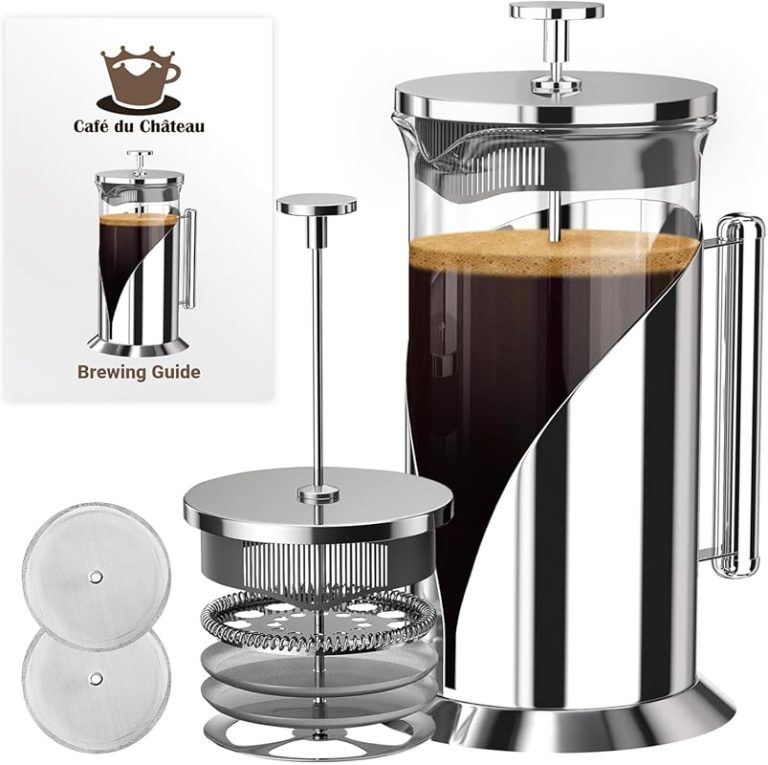
Ask when were french press coffee makers invented and you’ll see how many versions evolved since the 1800s. Today’s presses come in glass, stainless steel, insulated models, and travel-sized versions. Some use finer mesh or double-screen systems to cut down on grounds.
Popular modern tweaks
- Double or micro mesh to reduce grit.
- Vacuum insulated carafes that keep coffee hot for hours.
- Compact travel designs for camping and travel.
How to choose
- Pick glass if you want to watch the brew.
- Choose steel for durability and heat retention.
- Look for a fine mesh if you dislike sediment.

Practical tips and personal experience
When were french press coffee makers invented often comes up while I test different methods at home. I’ve brewed dozens of presses to learn what works. Here are simple, tested tips from my kitchen.
My go-to routine
- Use a coarse grind, about the texture of sea salt.
- Water at about 200°F (just off boil).
- Steep 3–4 minutes, then press slowly.
Mistakes I’ve made and avoid now
- Pressing too fast puts grit in the cup.
- Using too-fine grind led to over-extraction.
- Not preheating the beaker cooled the brew too fast.
Quick PAA-style questions
When were french press coffee makers invented and why is the date unclear?
The date is unclear because the idea evolved in stages. Early 1800s designs existed, then patents in the 1900s refined the tool into what we know today.
When were french press coffee makers invented and who commercialized them?
Multiple inventors helped refine the press, and commercial makers in the 1950s made it popular worldwide.
Frequently Asked Questions of when were french press coffee makers invented
When were french press coffee makers invented exactly?
There is no single exact date. The concept appears in records from the mid-1800s, with important patents and commercial models emerging in the early- and mid-20th century.
Who invented the first french press coffee maker?
No single inventor claims sole credit. Several designers and patentees across Europe refined the basic plunger idea over decades.
Why did the french press design stick around since its invention?
Its simplicity, flavor profile, and low cost made it popular. The design delivers rich coffee with little gear and remains easy to use.
When were french press coffee makers invented compared to espresso machines?
The press predates modern espresso machines in concept, but espresso as a method became widespread in the early 20th century as well. They evolved along different paths to meet different taste needs.
Can I find original patents or documents about when were french press coffee makers invented?
Yes, patent records and museum archives contain early documents. They show the steady changes in filters and plungers that led to the modern press.
Is the french press the same as a cafetière?
Yes, the terms are often used interchangeably. The name varies by country, but the function is the same.
Conclusion
The story of when were french press coffee makers invented is really a story of slow, practical improvement. From early 19th-century ideas to 20th-century patents and mass-market models, the french press became popular because it’s simple and makes bold coffee. Try a few small changes—grind size, water temp, and press speed—to find what you like best. If you enjoyed this guide, leave a comment with your favorite press tip, subscribe for more coffee history and brew guides, or try a new press recipe this week.