When Were French Press Coffee Makers Invented History Explained

French press coffee makers were first patented in 1852, but the modern design evolved later. They still make a rich, full cup that many home coffee drinkers love.
French press coffee makers were invented in the mid-1800s, with the first known patent filed in 1852. But the French press you know today took shape over many years, with key design changes in France and Italy.
- First patent: The earliest known coffee press patent dates to 1852.
- Modern design: Later updates in France and Italy shaped today’s French press.
- Best grind: Use coarse coffee for better flavor and less grit.
- Main trade-off: French press coffee has more body, but also more sediment.
When Were French Press Coffee Makers Invented? The Short Answer
The short answer is 1852. That’s when the first known patent for a coffee press-style brewer appeared.
Still, the story does not end there. The modern French press grew through later updates, so one date does not tell the whole tale.
The earliest patent and the first known design
The earliest known coffee press patent dates to 1852. It came from France and showed an early way to steep coffee with a mesh filter.
That first design was not exactly the same as the French press on store shelves today. Early versions were simpler and less refined.
The French press is also called a coffee press, press pot, or plunger pot.
Why the answer is not as simple as one date
People often ask for one invention year, but kitchen tools usually evolve. The French press did too.
Several inventors improved the idea over time. That means the “invented” date can depend on whether you mean the first patent or the modern version.
The History of the French Press: From Early Ideas to Modern Use
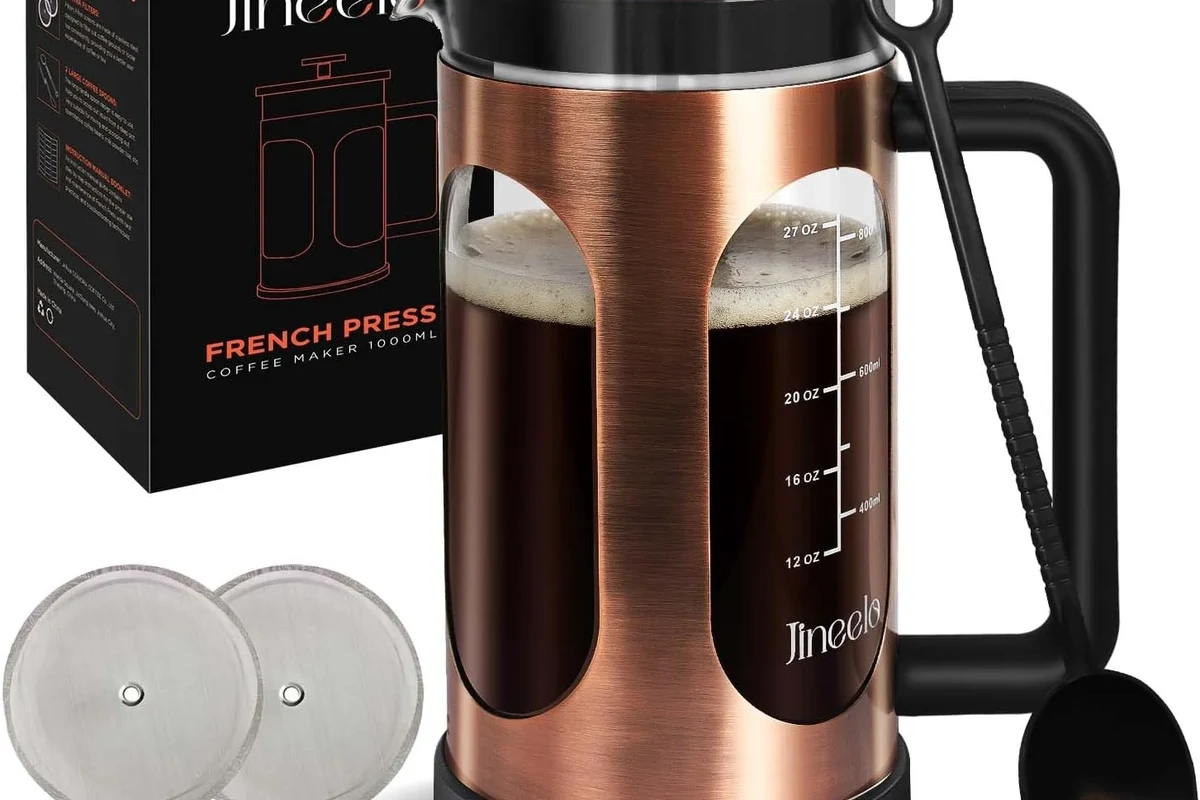
The French press grew from a simple steeping idea into a common home brewer. Its history includes patent changes, better filters, and wider use across Europe.
How the first coffee press designs changed over time
Early coffee press designs used a basic chamber and a screen or mesh. The goal was simple. Keep grounds out of the cup while letting coffee steep fully.
Later designs improved the plunger fit and filter shape. Those changes helped make the brew smoother and easier to use.
Key inventors and countries tied to its growth
France played a big role in the early patent story. Italy later became important in the development of the design people often use today.
That is why the brewer has a French name, even though its path includes more than one country.
Different brands may use slightly different press designs. Small changes in the lid, plunger, or filter can affect how the coffee tastes.
How the French press became a home coffee staple
The French press became popular because it is simple. It does not need paper filters, pods, or electricity.
Many people also like the rich taste it makes. For a lot of home brewers, that made it an easy daily choice.
How a French Press Coffee Maker Works
A French press works by steeping coffee grounds in hot water. Then you press a metal mesh filter through the brew.
The basic parts of a French press
Holds the water and coffee while it steeps.
Pushes the filter down through the brewed coffee.
Helps separate grounds from the liquid.
Helps guide the plunger and hold heat a bit better.
Most presses use a glass or steel body. The parts are simple, but each one affects the final cup.
How steeping and pressing shape the brew
The coffee steeps first, so water can pull flavor from the grounds. Then the plunger separates most of the grounds from the drink.
This method makes a fuller cup than many drip brewers. It also leaves more natural oils in the coffee.
Why grind size and water temperature matter
French press coffee works best with a coarse grind. Fine grounds can slip through the mesh and make the cup muddy.
Water that is too hot can taste bitter. Water that is too cool can make weak coffee. A steady, hot but not boiling brew usually works best.
- Use a coarse grind for less sludge.
- Preheat the press for more stable heat.
- Press slowly to avoid stirring up grounds.
What Makes French Press Coffee Different
French press coffee stands out because it tastes bold and full. It often feels heavier in the mouth than drip coffee.
Flavor, body, and texture compared with drip coffee
Drip coffee usually tastes cleaner and lighter. French press coffee often tastes richer and deeper.
That difference comes from the metal filter and the steeping method. The coffee keeps more oils and small particles.
Strength, oils, and sediment in the cup
French press coffee can seem stronger, but strength depends on the ratio you use. More grounds usually mean a stronger cup.
You may also see a little sediment at the bottom. That is normal with this brewer style.
Who tends to like French press coffee most
This style often suits people who enjoy bold flavor. It also works well for coffee fans who want a simple manual method.
If you like a very clean cup, you may prefer drip coffee instead. If you like a rich cup, French press is a strong fit.
How to Use a French Press the Right Way
The method is easy, but small details matter. A good ratio, proper grind, and steady steep time all help.
Best coffee-to-water ratio for everyday brewing
A common starting point is about 1 to 15 or 1 to 16 coffee to water. That means one part coffee for 15 to 16 parts water.
You can adjust from there. Use more coffee for a stronger cup and less for a lighter one.
Simple brewing steps for a better cup
Put coarse grounds in the empty press.
Cover the grounds evenly and stir gently.
Let the coffee sit for several minutes.
Push the plunger down slowly, then pour right away.
Common mistakes that hurt taste
Using fine grounds is one of the biggest mistakes. It can make the coffee bitter and gritty.
Another mistake is letting the coffee sit too long after pressing. That can make it taste harsh.
- Use a coarse grind
- Pour and press gently
- Serve soon after brewing
- Use very fine grounds
- Boil the coffee hard
- Leave brewed coffee sitting in the press
Cleaning, Safety, and Maintenance Tips
French presses are easy to clean, but they still need regular care. Clean parts help the coffee taste better and last longer.
How to clean the plunger, mesh, and glass or steel body
Rinse the press soon after use. Grounds are easier to remove before they dry.
Wash the plunger and mesh carefully so old oils do not build up. A soft brush can help with stuck grounds.
Dump the grounds, rinse the parts, and wash with warm soapy water.
Check the mesh, seals, and lid for wear or buildup.
Safety tips for hot water and fragile parts
French presses can get very hot. Glass models can also break if they get knocked or shocked by sudden temperature changes.
Use care when pouring hot water. Keep the press on a stable counter and away from the edge.
How to keep your press working well for years
Do not force the plunger if it feels stuck. That can bend parts or strain the filter.
Check the manual for care tips, especially for stainless steel or double-wall models. Model details can vary a lot.
Follow the appliance manual and stop using damaged equipment.
Buying Guide: What to Look for in a French Press Today
If you are buying one in 2026, focus on the material, size, and filter quality. Those choices matter more than flashy extras.
Glass vs. stainless steel vs. plastic
Glass lets you see the brew, and many people like the classic look. Stainless steel often keeps heat better and feels tougher.
Plastic is lighter and less fragile, but quality can vary by model. Pick the one that fits your kitchen and use pattern.
Size, filter quality, and heat retention
Size matters because a press that is too large can waste coffee. A press that is too small may not fit your routine.
Filter quality matters too. A tighter filter can reduce grounds in the cup.
Value, durability, and which type fits your needs
The best value is not always the cheapest model. It is the one that fits your space, your coffee habits, and your cleaning routine.
- Capacity and dimensions
- Filter quality and build material
- Cleaning needs and replacement part access
- Warranty and safety notes in the manual
Final Verdict: Is a French Press Still Worth It in 2026?
Yes, a French press is still worth it for many home coffee drinkers. It stays popular because it is simple, low cost to use, and easy to understand.
Best use cases for beginners and coffee fans
It is a great pick for beginners who want a manual brew method. It also suits coffee fans who like a bold, full cup.
If you want a cleaner cup with less sediment, another brewer may suit you better. That is the main trade-off.
Clear recommendation from the Red Kitchen Project Editorial Team
The French press remains a smart choice for simple, rich coffee, especially if you enjoy hands-on brewing. Just match the size, material, and filter quality to your daily routine.
So, when were French press coffee makers invented? The best short answer is 1852, but the modern press came together over time. If you want a classic brewer with a big flavor payoff, it still earns its place on the counter.
Frequently Asked Questions
The first known coffee press patent dates to 1852. The modern French press developed over time, so the story includes later updates too.
Different sources may refer to the first patent, later design changes, or the modern version of the brewer. That is why one simple date does not tell the full history.
A coarse grind usually works best. Fine grounds can slip through the mesh and make the cup muddy or bitter.
A common starting point is about 1 to 15 or 1 to 16 coffee to water. You can adjust it to make the brew stronger or lighter.
Rinse it soon after use, then wash the plunger, mesh, and body with warm soapy water. Check the mesh and seals often so buildup does not affect taste.
Yes, if you want simple brewing and a rich cup. If you prefer a very clean, sediment-free coffee, a drip brewer may be a better fit.