French Press Coffee Brewing Mistakes to Avoid Today

French press coffee usually goes wrong because of grind size, water heat, brew time, or pressing too hard. Fix those basics, and you’ll get a cleaner, richer cup with less mess.
French press coffee can taste rich and smooth, but a few simple mistakes can ruin it fast. If your cup tastes bitter, weak, muddy, or hard to clean up, the fix is usually in the grind, water, time, or press step.
- Grind matters most: Use coarse grounds for a cleaner French press cup.
- Heat matters: Hot water works best, but avoid a hard boil.
- Timing matters: Too short tastes weak, too long tastes bitter.
- Press gently: Slow pressure helps reduce grit and splashes.
What French Press Coffee Brewing Mistakes to Avoid Today
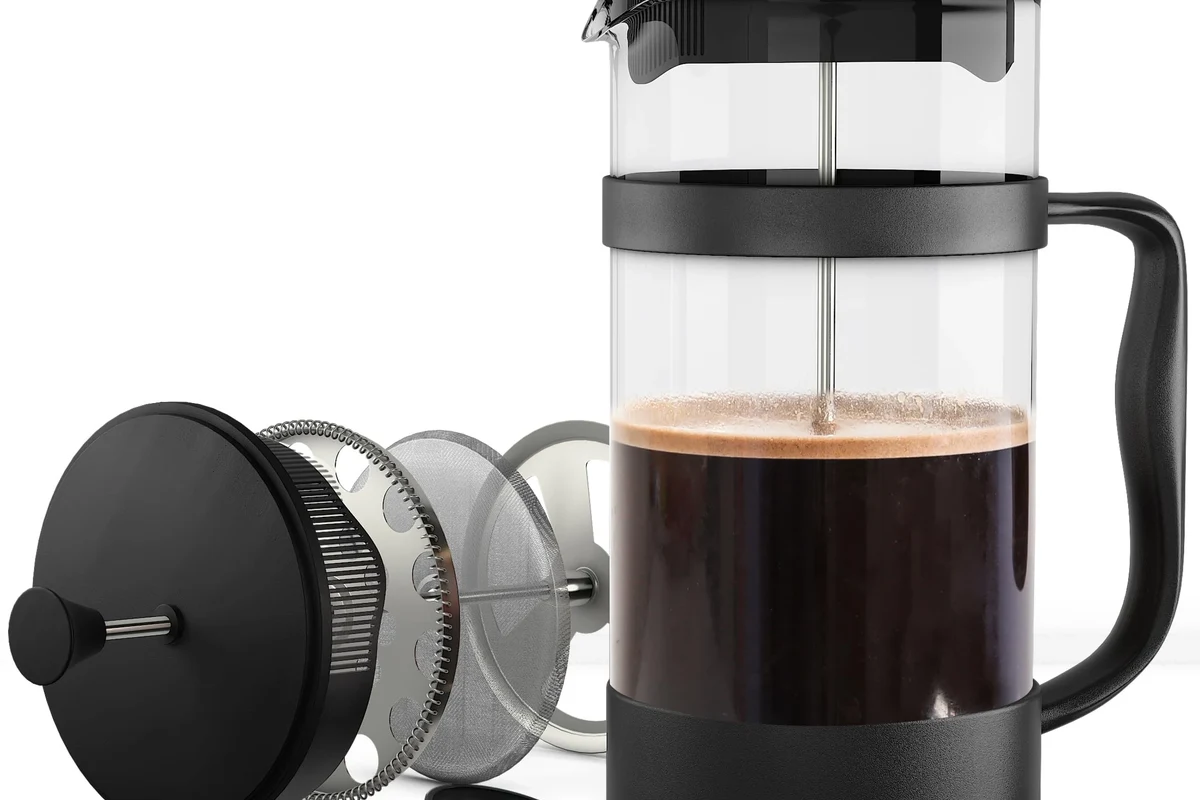
The biggest French press coffee brewing mistakes to avoid are easy to spot and even easier to fix. Most problems come from using the wrong grind, water that is too hot, or brew time that is off.
If you get those basics right, French press coffee can be simple and reliable. You do not need fancy gear or a long routine.
Why these mistakes matter for taste, strength, and cleanup
French press brewing uses full immersion. That means the coffee stays in contact with water the whole time.
Small errors show up in the cup right away. A coarse grind can taste thin. A fine grind can taste bitter and leave sludge behind.
Cleanup also gets harder when you press too hard or use too much fine coffee. The filter can clog, and the grounds can slip into your mug.
The quick answer for better French press coffee
Use a coarse grind, hot but not boiling water, and a steady brew time. Stir once, press gently, and pour right away.
That simple routine solves most common problems. In short, consistency matters more than fancy technique.
Think in four parts: grind, water, time, and press. If one feels off, fix that first.
How French Press Brewing Works
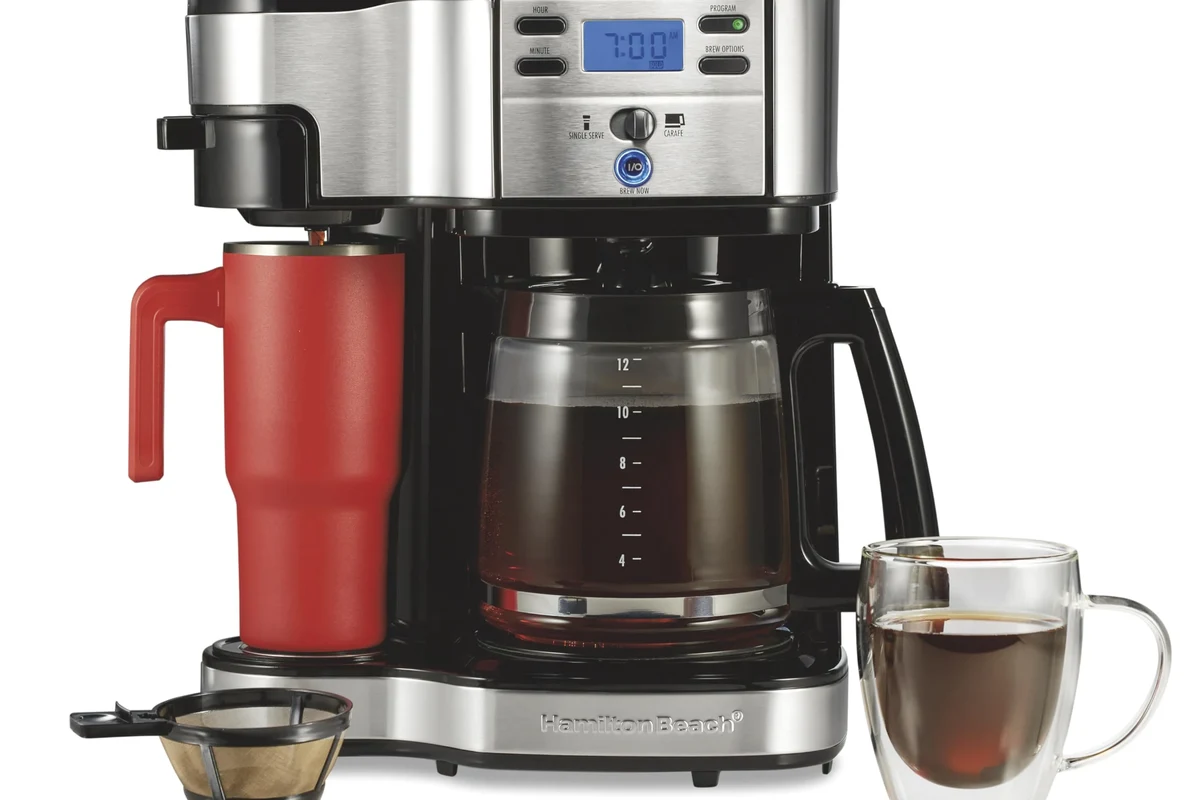
French press coffee works by soaking ground coffee in hot water. The grounds stay mixed with the water until you press the filter down.
That makes the method easy to learn. It also means small changes in the process can change the final taste a lot.
Why immersion brewing changes flavor
In immersion brewing, water pulls flavor from the coffee over time. The longer the soak, the more it extracts.
That helps create a full body and strong aroma. But too much extraction can bring out harsh, bitter notes.
French press also keeps more fine particles in the cup than paper filter methods. That adds body, but it can also create sediment.
Key parts of the process: grind, water, time, and pressure
Each part of the process plays a clear role.
- Grind controls how fast flavor comes out.
- Water temperature shapes extraction and taste.
- Time controls strength and bitterness.
- Pressure affects how clean the pour feels.
If one part is off, the cup usually shows it. For example, a very fine grind and a hard press can make the plunger feel stuck.
French press coffee often tastes heavier than drip coffee because more natural oils stay in the cup.
The Most Common French Press Mistakes
Most bad French press coffee comes from a short list of repeat mistakes. Once you know them, you can avoid them every morning.
Using the wrong grind size
This is the most common problem. French press needs a coarse grind, close to sea salt.
If the coffee is too fine, it can overextract fast. It also makes more sludge and can clog the filter.
If the coffee is too coarse, the brew may taste weak and watery. You may also miss some of the coffee’s deeper flavor.
Picking the wrong water temperature
Water that is too hot can scorch the coffee. That often leads to a sharp, bitter taste.
Water that is too cool can leave the coffee flat and underdone. You want hot water, but not a rolling boil.
Many home brewers aim for water just off the boil. Exact results can vary by bean, roast, and brewer.
Handle boiling water with care. Use a stable surface, and keep glass presses away from edges and sudden temperature changes.
Steeping for too long or too short
Short brew times often lead to weak coffee. The cup may taste thin and sour.
Long brew times can push the brew toward bitterness. The coffee may also feel muddy and heavy.
French press coffee usually needs a balanced steep. The best time depends on grind, roast, and how strong you like it.
Using the wrong coffee-to-water ratio
Too much coffee can make the brew harsh and dense. Too little coffee can make it taste weak and plain.
A simple ratio helps you stay consistent. Once you find a ratio you like, you can repeat it each day.
If you change the cup size, adjust the ratio too. A big press with a small amount of water can create uneven results.
Skipping the bloom or stir step
Fresh coffee releases gas when hot water first hits it. That is called blooming.
A quick stir helps wet all the grounds evenly. Without it, some coffee may stay dry and underextract.
Do not overdo the stirring. A gentle stir is enough for most home brews.
Pressing too hard or too fast
The plunger should move slowly and with light pressure. A hard press can stir up fine grounds and make the cup cloudy.
If the plunger feels stuck, stop and check the grind. A grind that is too fine often causes this problem.
Pressing too fast can also splash hot coffee. That creates a mess and raises the burn risk.
The coffee tastes bitter, muddy, or weak.
Check grind size first, then water temperature, then brew time and ratio.
How to Brew Better French Press Coffee
You do not need a complex routine to get better results. You just need a repeatable one.
Simple step-by-step method for a cleaner cup
Choose coffee ground for French press, not espresso.
Pour in hot water and make sure all grounds get wet.
Give it one light stir so the grounds bloom evenly.
Let it steep without moving the press around.
Lower the plunger with steady, gentle pressure.
Do not let coffee sit in the press after brewing.
Best ratios and brew times for everyday use
Many home brewers start with a middle-ground ratio and a few minutes of steep time. That gives a solid base for daily coffee.
From there, you can adjust one thing at a time. That makes it easier to tell what changed the taste.
Exact ratios and brew times can vary by roast, grind, and press size. Check your coffee bag and brewer manual if they give guidance.
How to adjust for stronger or lighter coffee
If the coffee tastes too strong, use a little less coffee or a shorter steep. You can also grind slightly coarser.
If it tastes too light, use more coffee or a slightly longer steep. A slightly finer coarse grind can also help.
Make only one change at a time. That keeps your results easy to understand.
Safety and Cleanup Tips
French press coffee is simple, but hot water and glass parts still deserve care. Cleanup also matters because old grounds can affect flavor.
How to handle hot water and glass parts safely
Use a stable counter and keep the press away from the edge. If your press is glass, avoid sudden temperature swings.
Do not force the plunger if it resists. That can splash hot coffee and may damage the filter parts.
Always follow the maker’s care guide for your exact model. Materials and heat limits can vary.
Follow the appliance manual and stop using damaged equipment.
How to avoid sediment, clogging, and mess
A coarse grind helps keep sediment down. So does a slow, gentle press.
Let the coffee settle for a moment before pouring. That can reduce the amount of fine material in the cup.
Pour steadily and do not swirl the press at the end. Swirling stirs up more grit.
Cleaning habits that keep flavor fresh
Old coffee oils can turn stale fast. They can also make new coffee taste flat.
Rinse the press soon after use. Clean the filter, plunger, and carafe well.
If your model has small mesh parts, check them often for buildup. A clogged filter can change both taste and flow.
Dump grounds, rinse parts, and wash the press with warm soapy water.
Check the filter mesh and plunger for trapped grounds or wear.
Deep clean removable parts and inspect seals if your model has them.
French Press Coffee Buying and Setup Guide
The right press makes brewing easier. It also helps you avoid a few common mistakes before they start.
What size, material, and filter style work best
Choose a size that fits your usual coffee habit. A press that is too large can make small batches less consistent.
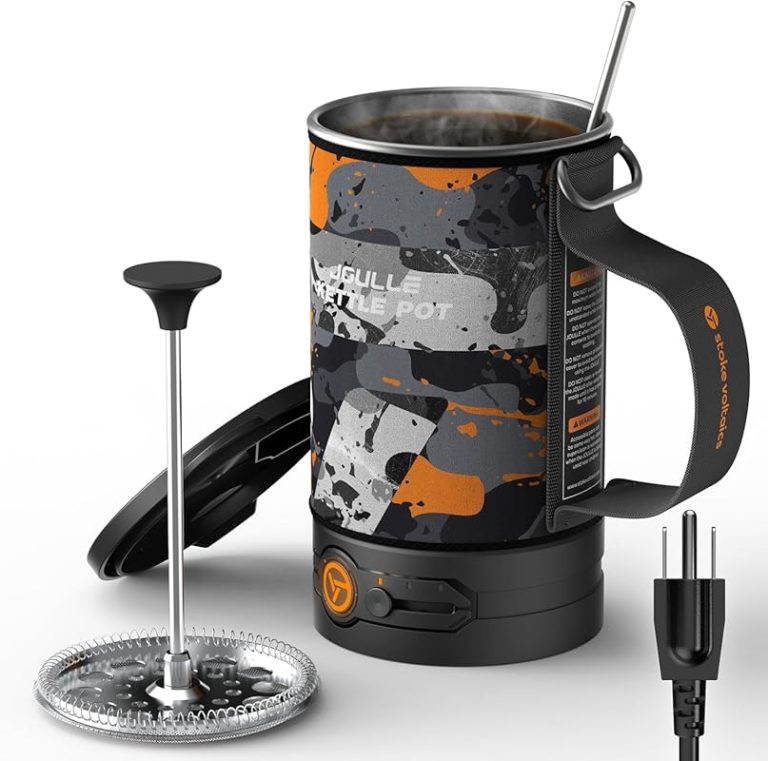
Glass looks classic and lets you see the brew. Stainless steel often holds heat better and may feel sturdier.
Filter style matters too. A tighter filter can cut down on grit, but no French press removes every fine particle.
Useful extras like grinders, kettles, and scales
A burr grinder helps you keep the grind size more even. That alone can improve French press coffee a lot.
A kettle with a steady pour helps you wet the grounds evenly. A scale helps you repeat your ratio from one brew to the next.
You do not need every tool at once. Still, a few basic extras can make the method much easier.
Value tips for beginners and budget shoppers
Start with a simple press that is easy to clean. Fancy features are less useful than a solid filter and a comfortable plunger.
Check the manual for care steps and parts availability. That matters if you want the press to last.
If you are comparing models, look at build quality, cleanup, and fit for your batch size. Those details usually matter more than style.
- Choose the right batch size for your routine
- Check material and filter style
- Look for easy cleaning and safe handling
- Review manual care steps and replacement part access
Final Recommendation: The Easiest Way to Avoid French Press Mistakes
The easiest way to avoid French press mistakes is to keep your method simple and repeatable. Use coarse grounds, hot water, a steady steep, and a gentle press.
If your coffee still tastes off, change one variable at a time. That is the fastest way to learn what your press and beans need.
Best practices to follow every day
Stick to these habits for a cleaner cup.
- Use coarse, even grounds.
- Heat water, but do not boil it hard.
- Stir gently and brew for a steady time.
- Press slowly and pour right away.
- Clean the press after each use.
Those steps solve most taste and cleanup problems. They also make the brew more repeatable from day to day.
When a French press is the right choice, and when it is not
A French press is a great choice if you want rich coffee and simple gear. It also works well when you like control over strength.
It may not be the best fit if you want a very clean cup with almost no sediment. In that case, a paper-filter brewer may suit you better.
Quick Recap
- Coarse grind is the biggest French press fix.
- Use hot water, not a hard boil.
- Steep long enough, but not too long.
- Press gently to avoid grit and splashes.
- Clean the press often to protect flavor.
In short, French press coffee gets much better when you control the basics. Once you do, the method is easy, fast, and rewarding.
Frequently Asked Questions
Use a coarse grind, close to sea salt. A fine grind can make the coffee bitter and leave more sludge in the cup.
Use hot water that is just off the boil. Water that is too hot can taste harsh, while cooler water can make the coffee weak.
Many brews do well with a steady few minutes of steep time, but results vary by roast and grind. Short steeping can taste weak, while long steeping can taste bitter.
For stronger coffee, use a little more coffee or a slightly longer steep. For lighter coffee, use less coffee or shorten the brew time.
Sediment often comes from a grind that is too fine or from pressing too hard. A coarse grind and a slow press usually help keep the cup cleaner.
Rinse it soon after use and wash the carafe, plunger, and filter with warm soapy water. Check the mesh often so old grounds do not build up and affect flavor.