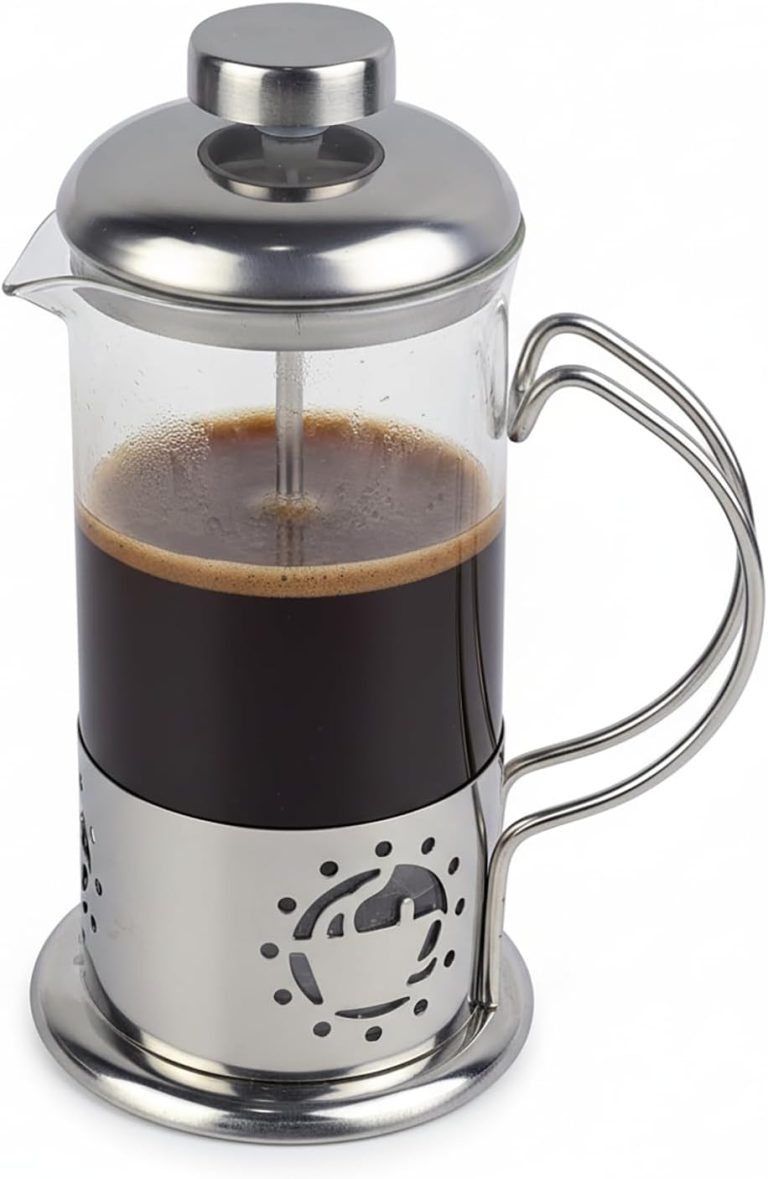
Why Use French Press Coffee Maker for Better Coffee

A French press is worth using if you want bold coffee, simple brewing, and more control at home. It is less ideal if you want a very clean cup with little sediment.
A French press is worth using if you want fuller coffee, simple brewing, and more control at home. It makes a bold cup with no paper filter, but it also leaves more sediment and needs a little care.
- Rich taste: French press coffee keeps more oils and body.
- Simple method: You need only coffee, hot water, and time.
- Real trade-off: Some sediment usually ends up in the cup.
- Better results: Use coarse grounds and steady brew timing.
Why Use a French Press Coffee Maker for Better Coffee
A French press gives you a rich, direct brew that many coffee fans love. It is one of the easiest ways to make coffee without extra parts or power.
For a lot of people, that is the main appeal. You add coffee, hot water, wait a few minutes, and press down the plunger.
It is also a good fit if you like a stronger body in your cup. The method keeps more of the coffee oils and fine particles than paper-filter brewers.
Quick answer: what makes French press coffee worth it
The short answer is taste and control. A French press can give you a fuller, richer cup with very little gear.
You also decide the grind, steep time, and coffee ratio. That makes it easy to adjust the brew to your taste.
- Bold flavor with a heavier mouthfeel.
- Simple brewing with no paper filter.
- Easy to adjust strength and steep time.
Who this brewing method suits best in 2026
This method suits people who want a hands-on but simple brew. It works well for home brewers, beginners, and coffee fans who like a classic cup.
It also fits small kitchens. You do not need a drip machine, pods, or a built-in grinder to get started.
However, it may not suit someone who wants a very clean, clear cup. If you hate grit, another brewer may feel easier to enjoy.
French press coffee often tastes stronger because the brew stays in contact with water longer.
How a French Press Coffee Maker Works
A French press uses steeping, not drip flow. Coffee grounds sit in hot water, then a metal screen pushes them down.
That simple setup changes both taste and texture. It gives the water more time to pull flavor from the grounds.
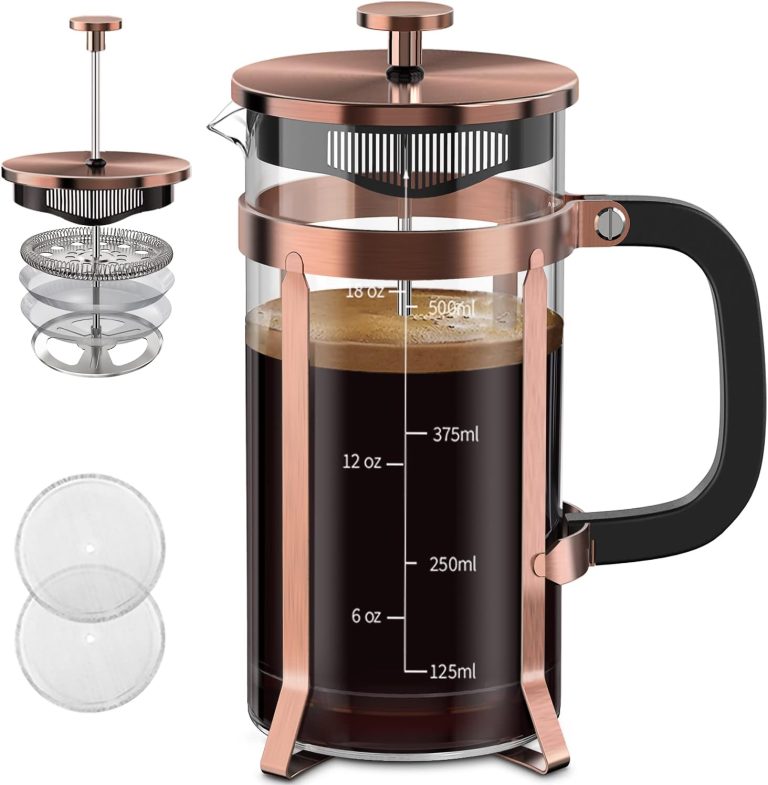
The basic parts and what each one does
Most French presses have four main parts. Each one has a simple job.
Holds the coffee and hot water during steeping.
Moves the filter screen down through the brew.
Separates most grounds from the finished coffee.
Helps hold heat and supports the plunger.
Glass models are common, but stainless steel versions also exist. Travel-friendly versions may focus more on durability than looks.
Why steeping changes the taste and body
Steeping lets more coffee oils stay in the cup. Those oils add body and can make the coffee taste rounder.
The mesh filter also lets some fine grounds through. That can add depth, but it can also create sediment.
In short, the method gives you a heavier cup than many drip brewers. That is the main reason people keep coming back to it.
Taste changes with the coffee bean, roast level, grind size, and water quality.
Main Benefits of Using a French Press
The French press stands out because it is simple and flexible. It also gives you a cup with more body than many other home brewers.
Rich flavor and fuller mouthfeel
French press coffee often tastes bold and smooth at the same time. The oils in the brew help create that fuller feel.
This can be great for dark roasts and medium roasts. It can also work well for lighter roasts if you like a more textured cup.
For example, if drip coffee feels thin to you, a French press may feel more satisfying.
Simple setup with no paper filters
You do not need paper filters for this brewer. That keeps the process simple and cuts one recurring supply.
Cleanup is also easy in a basic way. You empty the grounds, rinse the parts, and wash the carafe.
That said, no paper filter also means more fine particles in the cup. Some drinkers love that. Others do not.
- Preheat the press with hot water before brewing.
- Use a timer for better consistency.
- Stir gently to wet all grounds evenly.
- Pour soon after pressing to avoid over-steeping.
More control over brew strength and time
You can change the strength by adjusting the coffee ratio and steep time. That makes the French press very adaptable.
If your cup tastes weak, use a little more coffee or steep a bit longer. If it tastes harsh, shorten the time or grind a little coarser.
This control helps when you want a brew that matches your mood or bean choice.
Choose French press if you want flavor control more than a perfectly clean cup.
Limits and Trade-Offs to Know Before You Buy
A French press is not perfect for everyone. The same features that create body can also create drawbacks.
Sediment, grit, and why some people dislike it
The metal mesh does not trap every fine particle. That means some sediment often ends up in the cup.
Many people do not mind it. Some even like the richer feel it adds.
But if you want a very clean sip, this can bother you fast. A paper-filter brewer may suit you better.
- Fuller body and richer mouthfeel.
- Simple brewing with few parts.
- Easy to tune strength and taste.
- More sediment than paper-filter coffee.
- Can cool faster in some models.
- Needs careful timing for best flavor.
Heat loss and brew timing concerns
Some presses lose heat faster than others. Glass models often need a bit more care than insulated ones.
That matters because temperature affects extraction. If the water cools too much, the coffee can taste flat.
Timing matters too. Leave it too long, and the brew can turn bitter or heavy.
Use care with hot water, hot glass, and metal parts. Follow the product manual and keep damaged equipment out of use.
When another coffee maker may be a better fit
Choose another brewer if you want a cleaner cup with less grit. A drip machine, pour-over setup, or pod brewer may suit you more.
You may also prefer another option if you make coffee in a rush. Some brewers are easier when you want speed and less cleanup.
For frequent single cups, a small pour-over or single-serve machine can be more convenient.
You want bold coffee and simple gear.
A French press gives you control and a richer cup.
You want a cleaner, lighter cup.
Another brewer may fit your taste better.
How to Brew Better Coffee with a French Press
Good French press coffee depends on a few basics. Grind size, water temperature, and ratio matter a lot.
Best grind size, water temp, and coffee ratio
Use a coarse grind for best results. Fine grounds can make the cup muddy and hard to press.
Water should be hot, but not boiling hard. Many brewers do best with water just off the boil.
The coffee ratio depends on taste and model size. Start with a balanced amount, then adjust on your next brew.
Coarse ground coffee
Hot water
Timer
Spoon or stir tool
Step-by-step brew process for a clean cup
Rinse it with hot water, then empty it before brewing.
Use a coarse grind and place it in the carafe.
Wet all grounds evenly and give them a gentle stir.
Wait the right time, then press slowly and steadily.
Pour right after pressing for the best taste. Letting it sit too long can keep extracting bitter notes.
Common mistakes that hurt flavor
Many bad cups come from a few easy-to-fix errors. The good news is that most of them are simple to avoid.
- Use coarse grounds for easier pressing.
- Keep your steep time consistent.
- Clean the mesh after each brew.
- Do not use very fine espresso-style grinds.
- Do not leave coffee sitting in the press.
- Do not force the plunger down too fast.
My coffee tastes bitter or harsh.
Try a coarser grind, shorter steep time, or slightly cooler water.
Safety, Cleaning, and Maintenance Tips
French presses are simple, but hot water and glass still need care. Good cleaning also helps the coffee taste better.
How to handle hot glass and metal parts safely
Always keep the press on a stable, dry surface. A wet counter can make a glass carafe easier to slip.
Use caution when pouring hot water. Glass can crack if it gets a sharp temperature shock, depending on the model.
If the press is damaged, stop using it. A cracked carafe or bent plunger can make the brewer unsafe.
Follow the appliance manual and stop using damaged equipment.
Easy cleaning habits after each use
Clean the press soon after brewing. Old grounds are harder to remove once they dry.
Rinse the carafe, lid, plunger, and mesh screen. Then wash them with warm soapy water if the model allows it.
Let all parts dry fully before storing. That helps prevent odors and buildup.
Empty grounds, rinse parts, and wash away coffee oils.
Check the mesh, plunger fit, and seals for wear.
Deep cleaning tips for long-term care
Over time, coffee oils can build up on the mesh and inside the carafe. That can affect flavor and smell.
A deeper wash now and then helps keep the press fresh. Follow the manual for dishwasher use, if your model allows it.
For stubborn buildup, use a gentle brush or soak the parts as directed by the maker.
What to Look for When Choosing a French Press
Not all French presses feel the same in daily use. The best one depends on your space, habits, and taste.
Glass, stainless steel, and travel-friendly options
Glass presses show the brew and look classic. They can be great for home use, but they need more care.
Stainless steel models often feel sturdier and may hold heat better. They can be a smart pick for busy kitchens.
Travel-friendly versions usually focus on durability and easier transport. They may sacrifice a little style for convenience.
Best for classic looks and easy brew viewing.
Best for heat retention and added durability.
Best for commutes, trips, and rougher use.
Key specs that affect taste, durability, and value
Look at capacity first. Choose a size that matches how many cups you usually make.
Then check the filter quality, handle comfort, and lid fit. Those small details affect daily use more than flashy extras.
Also review cleanup notes, warranty terms, and replacement part access. Those details matter when you plan to use it often.
- Capacity and footprint on your counter.
- Glass, steel, or travel-friendly build.
- Easy cleaning and part access.
- Manual, warranty, and safety guidance.
Price range and which features are worth paying for
Prices vary by brand, material, and size. Instead of chasing the fanciest model, look for solid build quality and a good filter.
For many buyers, heat retention and durability are worth paying for. A better handle and lid fit can also make daily use nicer.
If you only brew once in a while, a basic model may be enough.
Final Recommendation: Is a French Press Right for You?
A French press is a smart choice if you want rich coffee and simple brewing. It is also a strong fit for small kitchens and casual home use.
If you like a clean, light cup, another brewer may suit you better. The French press is about body, control, and ease, not perfect clarity.
Best use cases for home brewers, beginners, and coffee fans
Beginners often like the low learning curve. Coffee fans often like the control and fuller taste.
It also works well for people who do not want paper filters or a large machine on the counter.
French Press Coffee Maker
Best for people who want bold flavor, simple setup, and hands-on control. The main trade-off is more sediment and a little more care with timing and cleaning.
Clear verdict on when to choose French press coffee
Choose a French press if you want a fuller cup and a brewer that is easy to learn. Skip it if you want a very clean brew or the fastest cleanup.
In short, the French press is still a great choice in 2026. It gives you strong flavor, simple use, and real control without a big machine.
- French press coffee tastes rich and full.
- It is simple, low-tech, and easy to adjust.
- Sediment and heat loss are the main trade-offs.
- Coarse grind and good timing improve the cup.
Frequently Asked Questions
Use a coarse grind for the best results. Fine grounds can make the cup muddy and harder to press.
Use hot water that is just off the boil. Exact results can vary by bean, roast, and press model.
Try a coarser grind, a shorter steep time, or slightly cooler water. Also pour the coffee soon after pressing.
The metal mesh filter lets some fine particles pass through. That creates more body, but it can also add grit.
Empty the grounds, rinse the parts, and wash them with warm soapy water if the manual allows it. Let everything dry fully before storing.
It depends on your taste. A French press gives a fuller cup, while many drip brewers make a cleaner, lighter cup.