How Long Does Natural Release Take Instant Pot? A Simple Home Cook’s Guide

If you have ever finished an Instant Pot recipe and wondered, “how long does natural release take Instant Pot?” you are not alone. This is one of the most common questions new pressure-cooker users ask, especially when dinner is almost ready and the lid still will not open.
Natural release matters because it affects texture, safety, timing, and cleanup. Release pressure too fast with certain foods, and you may get splattering, foaming, dry meat, or rice that sticks. Wait too long with delicate foods, and they may overcook.
In this guide, you will learn how long natural release usually takes, what affects the timing, when to use it, when not to use it, and how to know when your Instant Pot is safe to open.
Quick Answer
Natural release in an Instant Pot usually takes 10 to 30 minutes, depending on the amount of food, liquid, pressure level, and recipe. A small amount of rice may need 10 minutes, while a full pot of soup, beans, or roast can take 25–40 minutes or longer.
What Is Natural Release on an Instant Pot?
Natural release means you let the Instant Pot lose pressure on its own after the cooking time ends.
You do not turn the steam release valve right away. You simply leave the lid locked and wait while the pressure slowly drops inside the pot.
As the temperature inside the cooker cools down, the pressure falls. When enough pressure is gone, the float valve drops. That is your sign that the lid can open safely.
Instant Pot explains that during natural release, the cooker depressurizes gradually as the temperature drops, while quick release sends steam out through the valve. You can read more in the official Instant Pot frequently asked questions.
In simple words:
- Natural release = wait and let pressure come down slowly.
- Quick release = manually vent steam right away.
- Partial natural release = wait for a set time, then quick release the rest.
How Long Does Natural Release Usually Take?
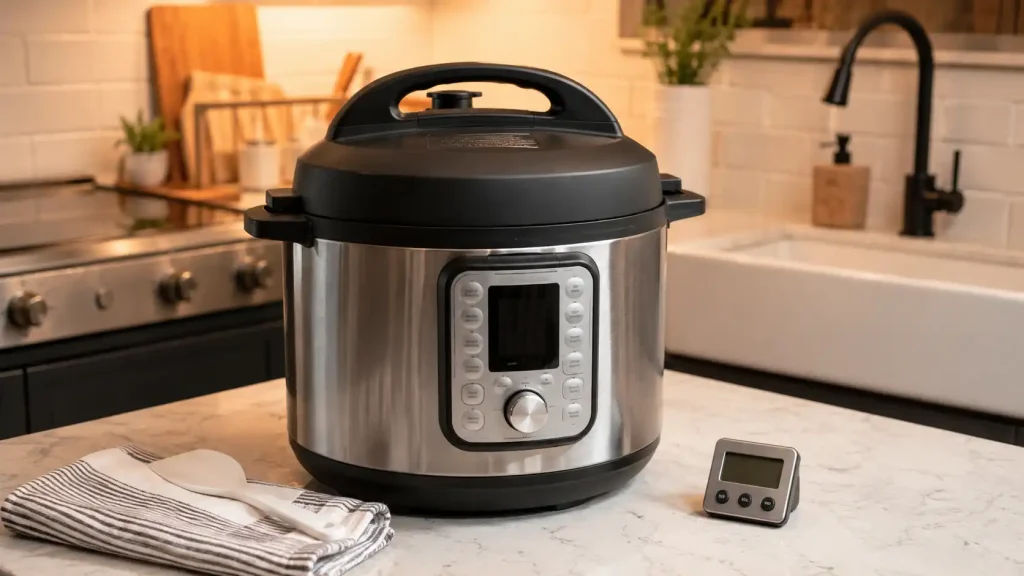
For most home cooking, natural release takes about 10 to 30 minutes. But the exact time depends on what is inside the pot.
Here is a practical guide:
| Food or Recipe Type | Typical Natural Release Time | Best Release Method |
|---|---|---|
| White rice | 10 minutes | 10-minute natural release, then quick release |
| Brown rice | 10–15 minutes | Partial or full natural release |
| Chicken breasts | 5–10 minutes | Partial natural release |
| Chicken thighs | 10 minutes | Partial natural release |
| Beef roast | 15–25 minutes | Natural release |
| Pork shoulder | 15–25 minutes | Natural release |
| Beans | 15–30 minutes | Natural release |
| Lentils | 10–15 minutes | Partial natural release |
| Soup or stew | 15–30 minutes | Natural release |
| Large full pot | 25–45 minutes | Natural release |
| Cheesecake | 10–15 minutes | Natural release, then careful venting |
| Oatmeal or foamy foods | 10–20 minutes | Natural release |
These are normal ranges, not strict rules. A 3-quart Instant Pot with a small portion may release faster. An 8-quart model filled with soup may take much longer.
Why Natural Release Time Changes
Natural release is not a fixed timer. It depends on heat, pressure, food volume, and the recipe.
1. A Fuller Pot Takes Longer
A pot filled with chili, broth, beans, or stew holds more heat. More heat means pressure stays inside longer.
For example, one cup of rice may release in about 10 minutes. A big batch of chicken soup may take 30 minutes or more.
2. More Liquid Means More Time
Liquid holds heat well. Recipes with lots of broth, sauce, or water usually take longer to depressurize.
This includes:
- Soups
- Beans
- Bone broth
- Stews
- Pasta dishes
- Large batches of rice
3. Dense Foods Hold Heat
Large cuts of meat release pressure more slowly because they hold heat in the center.
A small chicken breast may need only 5–10 minutes of natural release. A pot roast or pork shoulder may need 20 minutes or more.
4. Keep Warm Can Slow Natural Release
Many Instant Pot models turn on Keep Warm after pressure cooking. This can keep the pot hot and make natural release take longer.
If your recipe says “natural release for 10 minutes,” you can usually leave Keep Warm on or off. But if you want pressure to drop faster, pressing Cancel after cooking can help.
5. The Model and Size Matter
A 3-quart, 6-quart, and 8-quart Instant Pot may not release pressure at the same speed.
Larger models can hold more food and more steam, so release time may be longer. Newer models may also have different steam-release designs.
How to Do Natural Release Correctly
Natural release is simple, but it helps to follow the right steps.
- When the cooking cycle ends, do not open the lid.
- Leave the steam release valve in the Sealing position.
- Press Cancel if you want the pot to cool faster.
- Wait for the float valve to drop.
- Do not force the lid open.
- Once the float valve drops, turn the valve to Venting to release any tiny leftover steam.
- Open the lid away from your face.
Important warning: Never try to force open an Instant Pot lid while it is still under pressure. The lid is designed to stay locked for safety.
Natural Release vs. Quick Release
Both methods are useful. The right choice depends on the food.
Use Natural Release For
Natural release is best when food needs time to settle, finish cooking gently, or avoid splattering.
Use it for:
- Beans
- Lentils
- Soups
- Stews
- Broth
- Rice
- Oatmeal
- Pasta dishes with sauce
- Large cuts of meat
- Foamy or starchy foods
Natural release helps prevent food from spraying through the steam valve. It also keeps meat more tender because the pressure drops slowly.
Use Quick Release For
Quick release is better when food can overcook quickly.
Use it for:
- Broccoli
- Green beans
- Asparagus
- Seafood
- Hard-boiled eggs after a short rest
- Delicate vegetables
- Recipes that clearly say quick release
Quick release stops the cooking faster. This helps vegetables stay bright and crisp instead of soft and mushy.
Use Partial Natural Release For
Many recipes use a middle method. You wait 5, 10, or 15 minutes, then quick release the rest.
This is common for:
- Rice
- Chicken
- Lentils
- Quinoa
- Chili
- Pasta
- Eggs
A “10-minute natural release” does not always mean the pot fully depressurizes in 10 minutes. It means you wait 10 minutes, then release the remaining pressure manually.
Does Food Keep Cooking During Natural Release?
Yes, food keeps cooking during natural release.
The heating element may be off, but the inside of the pot is still very hot. Pressure and steam continue to cook the food as the pot cools.
This is why natural release is great for tough meats and beans. It gives them extra gentle cooking time.
But it can be a problem for delicate foods. Vegetables, seafood, and thin pasta can become overcooked if you let the pressure release naturally for too long.
Simple rule: Use natural release for foods that benefit from resting. Use quick release for foods that need to stop cooking fast.
Why Recipes Say “10-Minute Natural Release”
When a recipe says “10-minute natural release,” it usually means this:
- Let the Instant Pot sit untouched for 10 minutes after cooking.
- After 10 minutes, turn the valve to Venting.
- Release the rest of the steam.
- Open the lid only after the float valve drops.
This is not always the same as a full natural release.
A full natural release means you wait until all pressure drops by itself. A timed natural release means you wait for a short period, then quick release the rest.
This difference matters. If you wait for a full natural release when the recipe only says 10 minutes, your food may overcook.
Best Natural Release Times by Food Type
Rice and Grains
Rice usually does well with a 10-minute natural release. This gives the grains time to absorb steam and settle.
For white rice, 10 minutes is usually enough. For brown rice, 10–15 minutes works better.
Quinoa also benefits from a short natural release. It helps the texture become fluffy instead of wet.
Meat and Poultry
Chicken breasts usually need only a short natural release, around 5–10 minutes. Longer than that may dry them out.
Chicken thighs are more forgiving and usually do well with 10 minutes.
Large cuts like beef chuck roast, pork shoulder, or brisket benefit from 15–25 minutes. The slow pressure drop helps the meat stay juicy and tender.
Beans and Lentils
Beans are one of the best examples of when natural release helps.
A fast release can make beans split, foam, or spray liquid through the vent. Natural release gives them time to settle.
Use 15–30 minutes depending on the amount and type of bean.
Lentils cook faster, so they usually need only 10–15 minutes.
Soups, Stews, and Broths
Soups and stews often need 15–30 minutes. A very full pot can take even longer.
Do not quick release thick soups, creamy soups, or starchy soups unless the recipe specifically says it is safe. These foods can foam and sputter.
Oatmeal and Foamy Foods
Oatmeal, split peas, pasta, and some bean recipes can foam under pressure.
Natural release is safer because it lets foam settle before you open the valve.
If you quick release too soon, hot liquid may spray from the steam release valve.
Safety Tips for Natural Release
Instant Pots are designed with safety features, but pressure cooking still needs care.
Follow these safety tips every time:
- Keep your face and hands away from the steam valve.
- Never cover the steam release valve with a towel.
- Do not force the lid open.
- Keep children away while pressure is releasing.
- Make sure the sealing ring is properly installed.
- Do not fill past the max line.
- Fill foamy foods even lower than the max line.
- Check the steam release parts after cleaning.
For electrical safety, the CPSC advises that if an appliance shocks you, trips a breaker, or repeatedly blows a fuse, you should unplug it and have it repaired or replaced. That guidance is useful for any countertop appliance, including pressure cookers. See the CPSC electrical safety guidance for more general safety advice.
Expert Tip
Expert Tip:
For soups, beans, oatmeal, and pasta, wait at least 10–15 minutes before venting. If you see liquid or foam coming from the valve, turn it back to Sealing and wait longer.
How to Tell Natural Release Is Finished
Natural release is finished when the float valve drops.
The float valve is the small metal or plastic pin near the lid. When the pot is under pressure, it stays up. When pressure is gone, it drops down.
Before opening:
- Look for the float valve to drop.
- Gently turn the steam release valve to Venting.
- Listen for any remaining steam.
- Open the lid away from your face.
If the lid does not open easily, do not force it. Wait a few more minutes.
What If Natural Release Takes Too Long?
Sometimes natural release feels endless. This usually happens with full pots, lots of liquid, or Keep Warm mode.
Try these steps:
- Press Cancel to turn off Keep Warm.
- Wait another 5–10 minutes.
- Check whether the float valve has dropped.
- If the recipe allows it, carefully quick release the remaining pressure.
- If steam or food sprays out, return the valve to Sealing and wait longer.
A full pot of broth, beans, or stew can take 30–45 minutes. That is not always a problem. It may simply mean the food is still very hot.
Food Safety After Natural Release
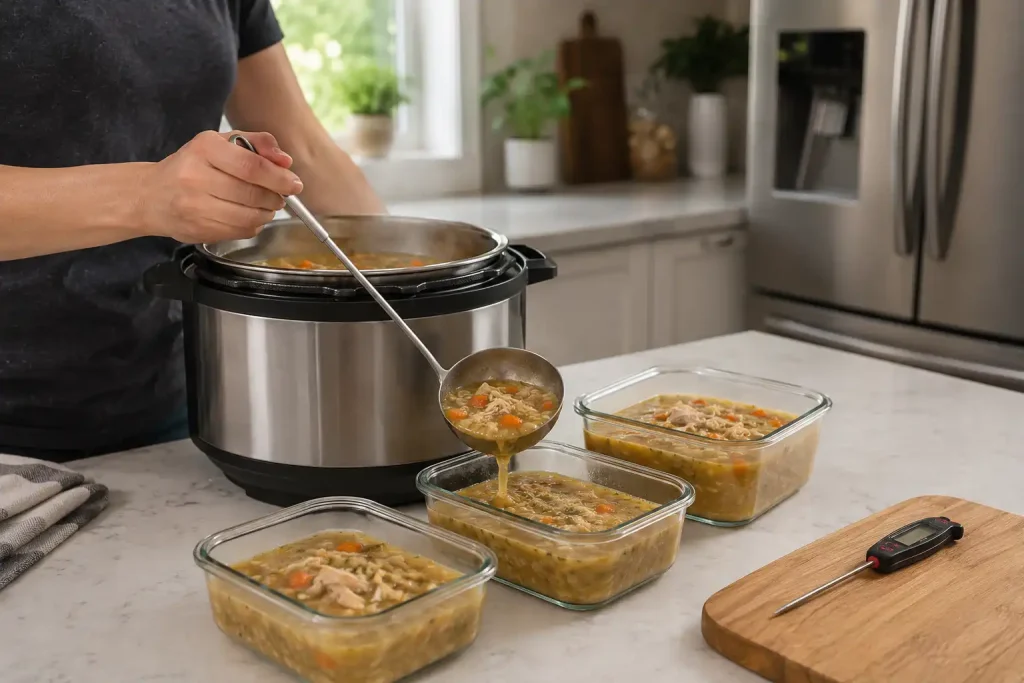
Natural release is part of the cooking process, but food still needs safe handling after cooking.
Once the lid is open, serve the food or store leftovers properly. Do not leave cooked food sitting at room temperature for too long.
The USDA explains that cooked leftovers should be refrigerated within two hours and kept at 40°F or below. Their food safety danger zone guidance is helpful for soups, stews, rice, meat, and other Instant Pot meals.
This is especially important for:
- Rice
- Beans
- Meat
- Poultry
- Seafood
- Soups
- Stews
- Dairy-based dishes
Do not use natural release as a long-term holding method. It is for pressure release, not food storage.
Common Warning Signs During Natural Release
Most natural releases are quiet and normal. But some signs need attention.
Watch for:
- Steam leaking heavily from the sides of the lid
- Food spraying from the steam valve
- Float valve not rising during cooking
- Lid not sealing properly
- Burn message during cooking
- Strong electrical smell
- Damaged power cord
- Cracked lid parts
- Loose steam release valve
- Sealing ring that looks stretched, cracked, or sticky
A little steam near the end of release can be normal. But steady leaks during pressure cooking are not.
When to Contact Customer Support or Replace the Appliance
You should contact customer support if your Instant Pot does not seal, releases pressure strangely, or shows signs of electrical or pressure-related problems.
Use this table as a practical guide:
| Problem | What It May Mean | What to Do |
|---|---|---|
| Steam leaks from lid sides | Sealing ring issue, lid not locked, damaged part | Check ring and lid; contact support if it continues |
| Float valve never rises | Not enough liquid, sealing problem, dirty valve | Clean parts and retry water test |
| Lid will not open after pressure drops | Stuck float valve or remaining pressure | Wait longer; do not force lid |
| Steam sprays food or foam | Pot too full or quick release too soon | Stop venting and wait longer |
| Error messages repeat | Sensor, heat, or sealing problem | Check manual and contact support |
| Cord is damaged | Electrical hazard | Stop using the appliance |
| Burning smell from base | Electrical or food spill issue | Unplug and inspect safely |
| Cracked lid or base | Safety risk | Replace part or appliance |
For product-specific help, use the official Instant Pot customer support page. It is better to ask the manufacturer than to guess with a pressure appliance.
Do not attempt DIY electrical repairs on an Instant Pot. Also avoid modifying pressure parts, valves, lids, or sensors. These parts are tied to safe pressure control.
Repair or Replace?
If the issue is a sealing ring, condensation collector, or removable valve part, replacement may be simple and affordable.
If the issue involves the heating base, control panel, damaged cord, cracked lid, or repeated pressure failure, replacement or official service is usually the safer choice.
Consider replacing the appliance if:
- It is very old.
- Replacement parts are hard to find.
- It has repeated sealing problems.
- It has electrical issues.
- The lid or base is damaged.
- You no longer trust it for pressure cooking.
A newer model may also be worth considering if you want easier steam release, clearer controls, better safety prompts, or a size that fits your cooking habits.
Product Choice: Does Instant Pot Size Affect Natural Release?
Yes, size can affect release time.
A 3-quart Instant Pot usually releases faster because it holds less food and liquid. A 6-quart model is the most common size for families. An 8-quart model is useful for batch cooking, but full pots can take longer to naturally release.
Here is a simple buying guide:
| Instant Pot Size | Best For | Natural Release Consideration |
|---|---|---|
| 3-quart | Singles, couples, small kitchens | Usually faster release |
| 6-quart | Most families and everyday meals | Balanced timing |
| 8-quart | Batch cooking, large families, broth | Can take longer when full |
If you often cook beans, broth, soups, or large roasts, choose a size that gives you room below the max fill line. Overfilling can cause messy venting and poor pressure performance.
Common Mistakes Home Cooks Should Avoid
- Forcing the lid open. If the lid resists, pressure may still be inside.
- Confusing full natural release with timed natural release. A “10-minute natural release” usually means wait 10 minutes, then vent the rest.
- Quick releasing foamy foods too soon. Beans, oatmeal, and pasta can spray.
- Leaving Keep Warm on without realizing it. This can make natural release take longer.
- Overfilling the pot. Too much food or liquid increases release time and can cause splatter.
- Ignoring the sealing ring. A worn or poorly seated ring can cause pressure problems.
- Opening the lid toward your face. Always tilt it away from you.
- Letting cooked food sit too long after release. Store leftovers safely after serving.
- Using natural release for delicate vegetables. They may turn soft and overcooked.
- Trying to repair electrical or pressure parts yourself. Contact support or replace unsafe parts.
FAQs
How long does natural release take Instant Pot for rice?
Rice usually needs about 10 minutes of natural release, followed by quick release of any remaining pressure. This helps the rice finish steaming and gives it a better texture.
Is natural release the same as Keep Warm?
No. Natural release means the pressure drops on its own. Keep Warm is a separate function that keeps food hot. If Keep Warm stays on, natural release may take longer.
Can I quick release after natural release?
Yes. Many recipes use a timed natural release, such as 10 minutes, then quick release. This gives food a short rest without waiting for full pressure release.
Why is my Instant Pot natural release taking 40 minutes?
A full pot, lots of liquid, dense food, or Keep Warm mode can make natural release take 40 minutes or more. This is common with soup, broth, beans, and large roasts.
How do I know when natural release is done?
Natural release is done when the float valve drops. After that, turn the steam release valve to Venting to check for leftover steam, then open the lid away from your face.
Should I turn off Instant Pot for natural release?
You can press Cancel to turn off the heat and help the pot cool faster. Many recipes work fine either way, but turning off Keep Warm can shorten release time.
What foods should not use full natural release?
Delicate vegetables, seafood, and some quick-cooking foods should not sit through a full natural release because they can overcook. Use quick release or a short timed natural release instead.
Conclusion
So, how long does natural release take Instant Pot? For most recipes, expect 10 to 30 minutes. Small meals may release faster, while full pots of soup, beans, broth, or large cuts of meat may take 40 minutes or more.
The best method depends on the food. Use natural release for beans, soups, grains, and tough meats. Use quick release for delicate vegetables and foods that need cooking to stop fast. For many everyday recipes, a 10-minute natural release followed by quick release gives the best balance.
Before opening the lid, always wait for the float valve to drop, keep your hands away from steam, and never force the lid. With a little practice, natural release becomes one of the easiest ways to get better texture, safer venting, and more confident Instant Pot cooking.