
What Does A French Press Coffee Maker Do: Brew Guide

A French press brews full-bodied coffee by steeping grounds in hot water and separating them with a mesh plunger.
I’ve used and tested many brewers, and I’ll walk you through exactly what does a french press coffee maker do, how it affects flavor, and why home brewers love it. This guide explains the science, the steps, the benefits, and real tips from hands-on experience so you can brew better coffee with confidence.
How a French Press Works
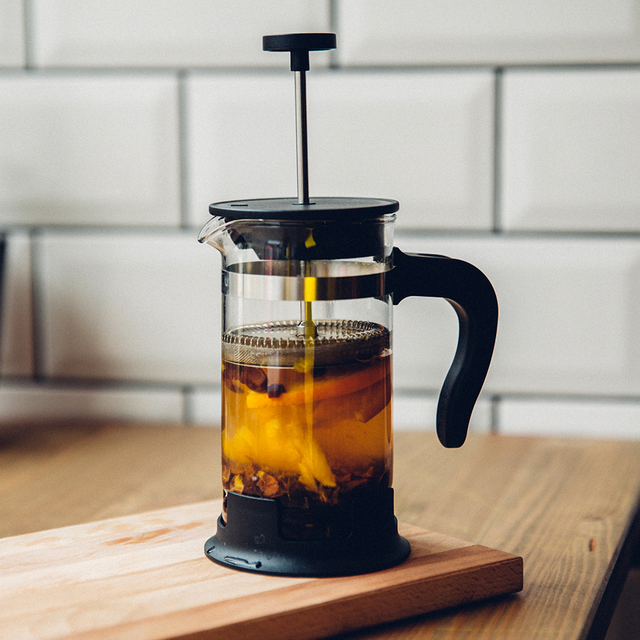
A French press is an immersion brewer. Coarse coffee grounds soak in hot water for several minutes. The metal mesh plunger then presses grounds to the bottom, letting you pour brewed coffee while leaving most grounds behind. What does a french press coffee maker do is simple: it extracts soluble compounds and oils through full immersion, producing a rich, textured cup.
The mesh filter allows more natural oils and fine particles into the cup than paper-filter methods. That contributes to heavier mouthfeel and brighter, fuller flavor. Because extraction happens during steeping, brew time and grind size directly shape the taste.
Practical takeaway from my experience: use a coarse, even grind and a consistent timer. Small changes in steep time change strength fast. When I switched grinders, my French press cups went from thin to vibrant.

Quick PAA-style questions
Q: Does a French press make stronger coffee?
A: Yes, it often tastes stronger because it keeps oils and fines in the cup, increasing body and perceived strength.
Q: Is French press coffee oily or gritty?
A: It can be richer and slightly gritty if the grind is too fine. Use coarse ground coffee to reduce grit and get smooth richness.

Benefits of Using a French Press
A French press offers clear advantages for home brewers. Here’s what it does best:
- Full flavor extraction and oils remain in the cup, providing a richer mouthfeel and deeper aroma.
- Simple design with no electricity needed makes it portable and reliable.
- Easy to use and clean, with few moving parts to break.
- Flexible control over steep time and strength, useful for experimentation.
- Works well for small or large batches, from single cups to several servings.
From personal tests, I find French press excellent for single-origin beans. It highlights nuanced flavors you might lose with paper filters. However, its strength can overpower delicate, lighter roasts if you over-extract.

How to Brew with a French Press — Step-by-Step
Follow these clear steps to see exactly what does a french press coffee maker do in practice.
- Measure coffee and water.
- Use a 1:15 to 1:17 coffee-to-water ratio as a starting point.
- Heat water to about 200°F (just off boil).
- Grind coffee coarse and consistent.
- Texture like sea salt or coarse sugar.
- Add grounds to the press; pour water evenly.
- Stir gently to saturate all grounds.
- Place lid with plunger up and steep 4 minutes.
- Adjust between 3–5 minutes for taste.
- Press the plunger down slowly and steadily.
- Pour immediately to avoid over-extraction.
During my early experiments, I pressed too fast and ended with a thin cup. Slower, steady pressure traps most fines at the bottom and gives a cleaner pour. What does a french press coffee maker do when done right? It delivers a balanced, full-bodied cup with clear flavor notes.

Grind Size, Water Temperature, and Ratios
The three levers you control define the result. Here’s how they interact and why each matters.
-
Grind size
- Coarse grind prevents fines passing the mesh and reduces grit.
- Too fine leads to over-extraction and cloudy cups.
-
Water temperature
- Aim for 195–205°F. Cooler water under-extracts; hotter water risks bitter notes.
-
Ratios and time
- 1:15 yields bolder coffee; 1:17 gives lighter strength.
- Steep 3–5 minutes. Shorter time = brighter; longer time = heavier and more bitter.
I kept notes across batches. When I bumped ratio to 1:14 and cut steep to 3 minutes, the cup became punchy but clean. That experiment taught me how sensitive what does a french press coffee maker do is to small changes. Track measurements to repeat your favorite cups.

Common Mistakes, Maintenance, and Longevity
Knowing what does a french press coffee maker do also means knowing what can go wrong. Avoid these pitfalls:
- Using too fine a grind results in sludge and over-extraction.
- Over-steeping extracts bitter compounds. Keep a timer.
- Pressing too quickly agitates grounds and forces fines through the mesh.
- Neglecting cleaning causes stale oil buildup and rancid flavors.
Maintenance tips from experience:
- Disassemble and clean the plunger and mesh after each use.
- Deep clean weekly by soaking parts in warm, soapy water.
- Replace mesh filters if bent or eroded; that restores clarity.
- Use filtered water to prevent scale and off-flavors.
A well-cared-for press can last for years. If you want a clearer cup, occasionally rinse the mesh with hot water and use a paper filter when decanting to serve.
French Press Compared to Other Brewing Methods
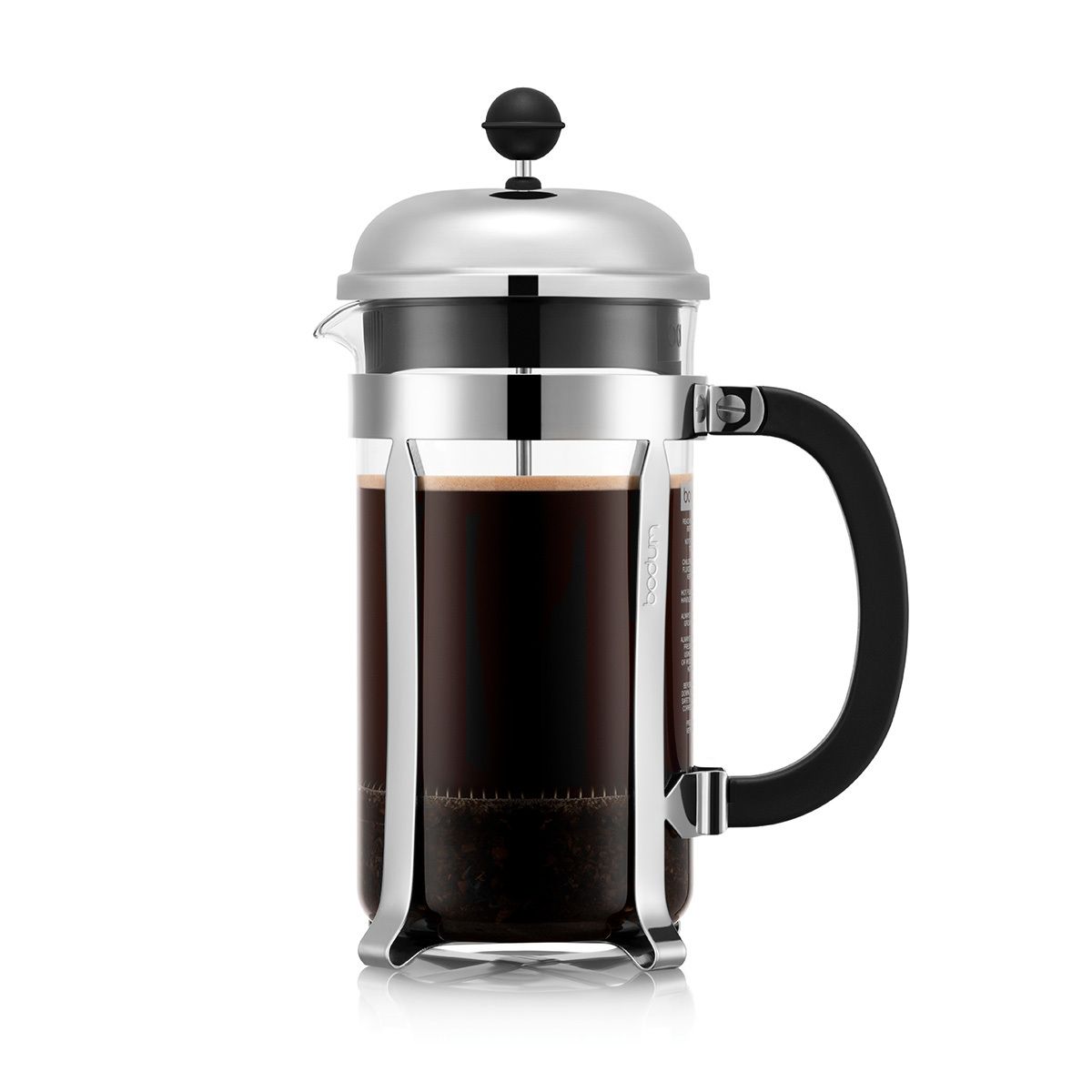
Understanding what does a french press coffee maker do is easier when you compare it to other methods.
- French press vs drip coffee
- French press retains oils and fines for fuller body; drip uses paper filters for cleaner cups.
- French press vs pour-over
- Pour-over yields more clarity and control over flow; French press emphasizes immersion and body.
- French press vs espresso
- Espresso forces extraction with pressure for concentrated shots; French press is immersion and produces a larger, less concentrated cup.
For everyday use, choose a French press if you want robust flavor with minimal gear. For precision tasting, use pour-over. For intense espresso-like shots, use a machine.

Personal Tips and Lessons Learned
I love the ritual of the French press. A few lessons from my years of brewing:
- Invest in a good grinder. Even the best press can’t fix inconsistent grounds.
- Keep brewing notes: grind size, ratio, and time. Small changes reveal flavor quickly.
- Preheat the press with hot water to maintain stable temperature.
- If you like to leave coffee in the press, transfer to a carafe to avoid bitterness.
Trying new beans taught me how what does a french press coffee maker do changes with roast and origin. Dark roasts can handle longer steeps. Light roasts shine with precise timing and slightly higher ratio.

Frequently Asked Questions of what does a french press coffee maker do
How long should I steep coffee in a French press?
Steep for 3–5 minutes as a general rule. Shorter steep gives brighter flavor; longer steep yields heavier body and more bitterness.
What grind size is best for a French press?
Use a coarse, even grind similar to sea salt. That reduces fines and minimizes grit in your cup.
Can I use a French press for tea or cold brew?
Yes. For tea, use appropriate steep times and temperatures. For cold brew, steep coarse grounds in cold water for 12–24 hours and then press.
Is French press coffee stronger than drip coffee?
The flavor can be stronger because oils and fines remain in the cup, increasing body and perceived strength, though actual caffeine varies by ratio.
How do I stop my French press coffee from tasting bitter?
Reduce steep time, use a coarser grind, and check water temperature. Also press slowly and pour immediately to avoid over-extraction.
How often should I clean the mesh filter?
Rinse and wash after each use. Perform a deep clean weekly to remove oil buildup and preserve flavor.
Conclusion
A French press brews coffee by steeping coarse grounds in hot water and separating them with a mesh plunger, delivering a rich, aromatic cup that highlights oils and texture. By controlling grind size, water temperature, ratio, and steep time, you can shape every cup to your taste. Try a few measured experiments, note what changes, and you’ll quickly learn the sweet spot for your beans.
Take action: brew a test batch this week, tweak one variable at a time, and share your results or questions in the comments. If you enjoyed this guide, subscribe or explore more brewing tips to refine your routine.
