

Yes — a French press often produces richer, fuller-bodied coffee than many automatic brewers.
I’ve brewed hundreds of pots with a French press and studied what changes the cup. If you’re asking does french press make better coffee, this guide breaks down taste, technique, science, and real-world tips so you can decide for yourself. Read on for clear steps, mistakes to avoid, and practical advice based on experience and testing.

How the French press works
A French press is simple. You steep coarsely ground coffee in hot water for several minutes. Then you press a plunger with a metal mesh filter to separate grounds from liquid. Because the filter is metal, more coffee oils and fine particles stay in the cup. This creates a fuller body and richer mouthfeel.
Does french press make better coffee often depends on what you value in a cup. If you like bold flavor and texture, many people prefer French press. If you prefer a clean, bright cup, other methods may win.
:max_bytes(150000):strip_icc()/Simply-Recipes-French-Press-Coffee-METHOD-07-e61f9c9136b94f3389522ec2f52892a5.jpg)
Does French press make better coffee? Breaking down taste and body
When people ask does french press make better coffee they usually mean taste and body. French press highlights oils and soluble solids. This gives a heavier mouthfeel and strong flavor. You will notice more sediment and natural oils. That can feel more satisfying than a lighter brew.
Taste differences:
- Body: French press has more weight on the tongue.
- Flavor clarity: Some subtle acids are less pronounced.
- Bitterness: Over-extraction or fine grounds can increase bitterness.
- Aroma: Oily compounds help a richer aroma.
Serving style matters. A short, strong press with fresh beans often tastes better than a long steep with stale coffee. So when considering does french press make better coffee, think about your flavor goals and habits.

Key variables that change your cup
Small changes make big differences with a French press. Control these to get the cup you want.
- Grind size: Use coarse, even grounds. Fine grounds cause grit and over-extraction.
- Coffee-to-water ratio: Start with 1:15 to 1:17 by weight. Adjust for strength.
- Water temperature: Use 195–205°F (90–96°C). Too hot burns; too cool under-extracts.
- Brew time: 3.5–4 minutes is a common range. Shorter steeps are brighter; longer are heavier.
- Stirring and bloom: Wet grounds evenly and let a short bloom for best extraction.
- Plunge technique: Press slow and steady to avoid forcing fine sediment into your cup.
If you still wonder does french press make better coffee for you, try small, controlled changes and taste the difference.
:max_bytes(150000):strip_icc()/Tips-for-Better-French-Press-FT-DGTL0126-05-af46d615d7cd45f187c75150c7f87f8a.jpg)
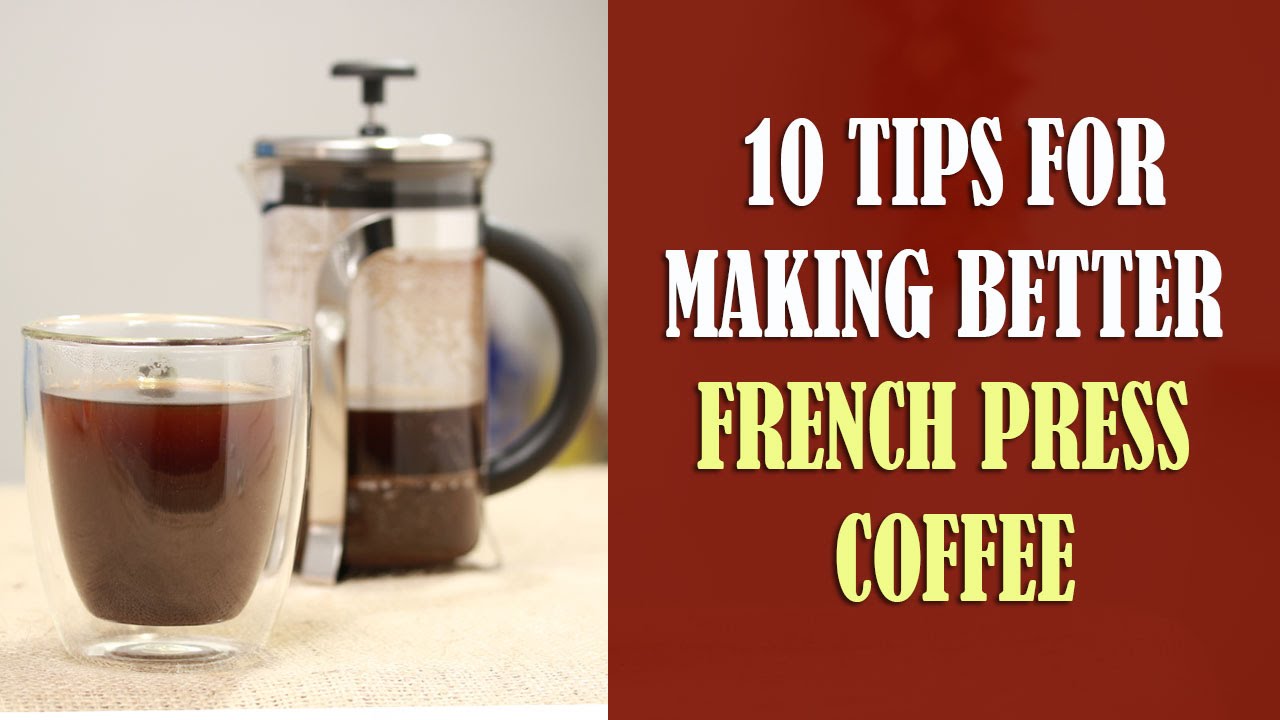
Benefits of using a French press
Many coffee lovers choose a French press for clear reasons. These benefits often answer the question does french press make better coffee for them.
- Rich flavor and full body that highlights coffee oils.
- Simple, durable design with no need for paper filters.
- Easy to control brew variables like time and ratio.
- Good for making multiple cups at once.
- Affordable entry into manual brewing and easy to learn.
It also pairs well with dark roasts and unique single-origin beans when you want more texture and depth.
Limitations and when a French press might not be best
A French press is not perfect for every situation. Be honest about its limits when you consider does french press make better coffee.
- Sediment: Expect some grit unless you decant or filter afterward.
- Cleanup: Grounds need to be scooped and rinsed.
- Consistency: Manual technique can cause more variation than automatic machines.
- Clarity: If you want a very clean, bright cup, pour-over or espresso may be better.
- Heat retention: Glass presses lose heat faster than insulated brewers.
Recognizing these limits helps you use the French press where it shines.

Comparisons with other brewing methods
When readers ask does french press make better coffee they’re comparing it to other methods. Here’s a quick look.
- Drip coffee: Drip is cleaner and low-effort. French press is richer and more textured.
- Pour-over: Pour-over gives clarity and brightness. French press gives body and oils.
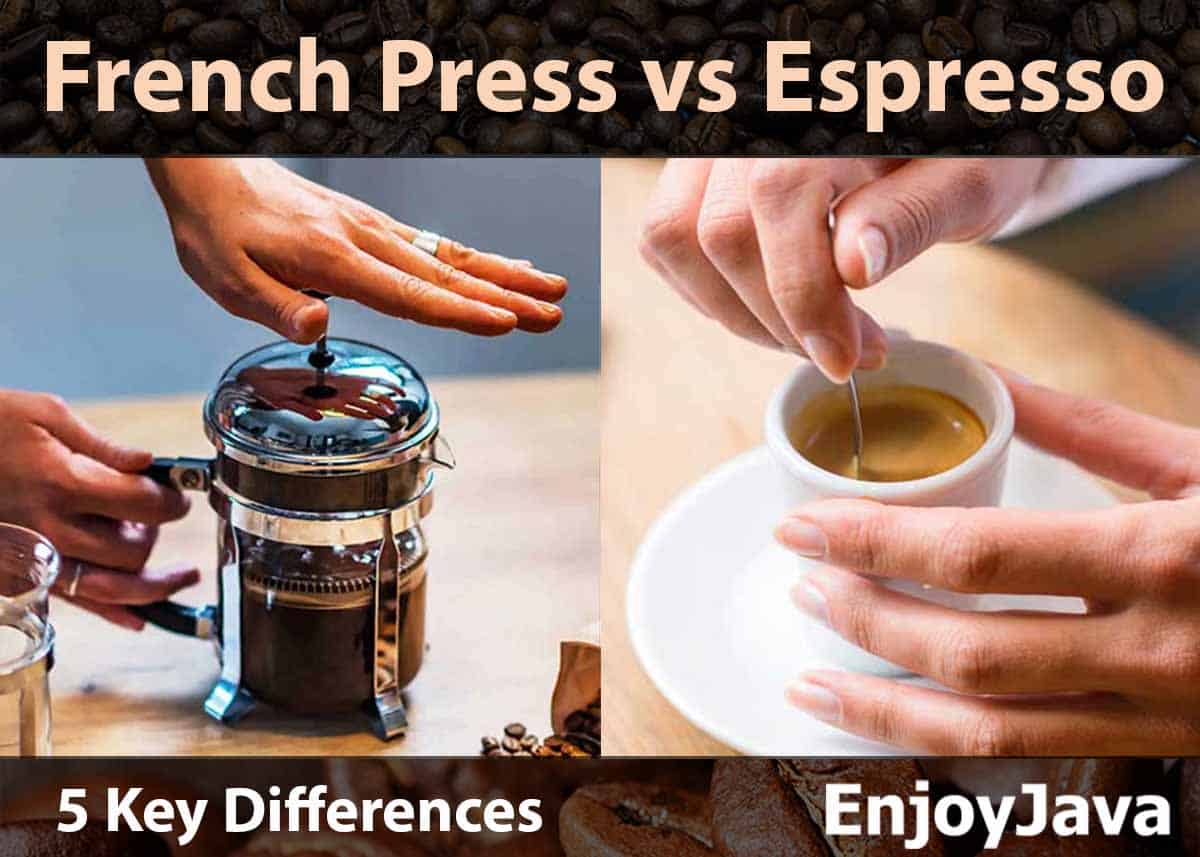
- Espresso: Espresso is concentrated and intense. French press is fuller but less concentrated.
- AeroPress: AeroPress can be cleaner and faster. French press is bolder and more classic.
Choose by taste preference, time, and convenience. For bold, textured cups, French press often wins.
How to brew the best French press (step-by-step)
Follow this simple recipe to improve your results and answer your personal question of does french press make better coffee.
- Measure and grind
- Use 1:15 coffee-to-water by weight. Grind coarse.
- Heat water
- Heat to 195–205°F (90–96°C). Let boil then rest 30 seconds if needed.
- Bloom and stir
- Add water to wet grounds, stir to saturate, wait 30 seconds.
- Add remaining water
- Fill to desired volume. Place lid but don’t press yet.
- Brew timer
- Steep 3.5–4 minutes. Adjust by taste.
- Plunge and serve
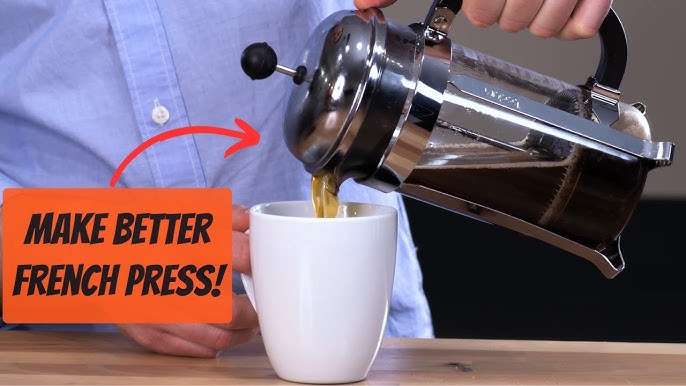
- Press slowly and pour immediately into cups or decant to avoid over-extraction.
Small tip from experience: preheat the press with hot water. That keeps brew temp steady. If you want less grit, let the pot sit 30 seconds after plunging before pouring.
:max_bytes(150000):strip_icc()/__opt__aboutcom__coeus__resources__content_migration__serious_eats__seriouseats.com__images__2014__07__20140714-french-press-pour-675fbb49d50744c3a8385cac2537d137.jpg)
Personal experience and practical tips
I’ve used French presses for years at home and at work. Early mistakes taught me what matters. Here are honest lessons from real brewing.
- Use a burr grinder. Blade grinders make uneven grounds that cause over-extraction.
- Clean right away. Old oils make coffee taste stale.
- Try different ratios. A small change in dose made the coffee feel twice as good to me.
- Decant when serving. Pour into a carafe to reduce sediment in cups.
- Experiment with roast level. Medium and dark roasts often taste best in a press.
If you still ask does french press make better coffee, test blind tastes with friends. You’ll see how preference guides the answer.
The science: oils, solids, and extraction
Understanding what happens in the cup helps answer does french press make better coffee. The metal filter allows oils and fine particles into the brew. These compounds add body, mouthfeel, and aroma.
Extraction depends on:
- Soluble solids: Flavor compounds that dissolve in water.
- Oils: Larger molecules that carry aroma and texture.
- Fines: Small particles that can add grit and perceived strength.
Balanced extraction yields clean flavor with body. Over-extraction brings bitterness. That’s why grind, time, and temperature matter.
Cleaning and maintenance
A clean press makes better coffee. Old oils change flavor and mask subtle notes. Keep maintenance simple.
- Rinse grounds and disassemble filter parts weekly.
- Use warm water and mild soap. Avoid metal scouring pads on glass.
- Deep clean monthly with baking soda or citric acid to remove oils.
- Replace worn mesh screens for better filtration and less grit.
Good care makes the French press more reliable and enjoyable.
Buying guide: choosing the right French press
If you decide that does french press make better coffee for you, pick one that suits your needs.
- Material: Glass is classic; stainless steel retains heat better.
- Size: Choose based on how many cups you brew.
- Filter quality: Look for tight mesh and replaceable parts.
- Lid and spout: A good pour reduces drips and mess.
- Budget: You can get solid presses at low cost. Higher-end models are more durable.
Aim for a model with spare parts and a good warranty if you plan to use it daily.
Common quick questions (PAA-style)
Q: Will French press coffee be stronger?
A: It often tastes stronger due to more oils and dissolved solids. Strength depends on dose and extraction.
Q: Does French press extract more caffeine?
A: Caffeine levels vary with brew time and ratio. French press can extract similar caffeine to other methods at equal dose.
Q: Can I use a finer grind?
A: Finer grinds increase sediment and bitterness. Stick to coarse for best results.
Frequently Asked Questions of does french press make better coffee
Is French press coffee healthier than filtered coffee?
French press coffee retains more oils, which contain beneficial antioxidants but also cafestol that can raise cholesterol in large amounts. For most people, occasional French press is fine; those with cholesterol concerns should limit intake or use a paper filter.
How do I reduce sediment in my French press cup?
Use a coarser, more uniform grind and press slowly. Decanting the brew into a carafe immediately after plunging also reduces sediment in cups.
Does grind size make a big difference?
Yes. Coarse, consistent grounds help even extraction and less grit. Uneven or fine grinds make the cup bitter and muddy.
Can I keep coffee in the French press?
No. Leaving brewed coffee in the press with grounds will continue to extract and become more bitter. Pour into a thermal carafe if you need to keep it hot.
Is a French press better for dark roasts?
French press often complements dark roasts by highlighting body and oils. However, many light and medium roasts can also taste excellent when brewed carefully.
Conclusion
French press coffee offers a richer, fuller cup that many people enjoy. Whether does french press make better coffee depends on your taste: prefer bold texture and oily aromas, and it likely will. Practice simple steps—consistent grind, correct ratio, and good temp—and you’ll get reliable, delicious results.
Try a few brews with small tweaks, decant to reduce grit, and note what you prefer. If this guide helped, try a side-by-side tasting, subscribe for more brewing tips, or leave a comment with your favorite French press trick.