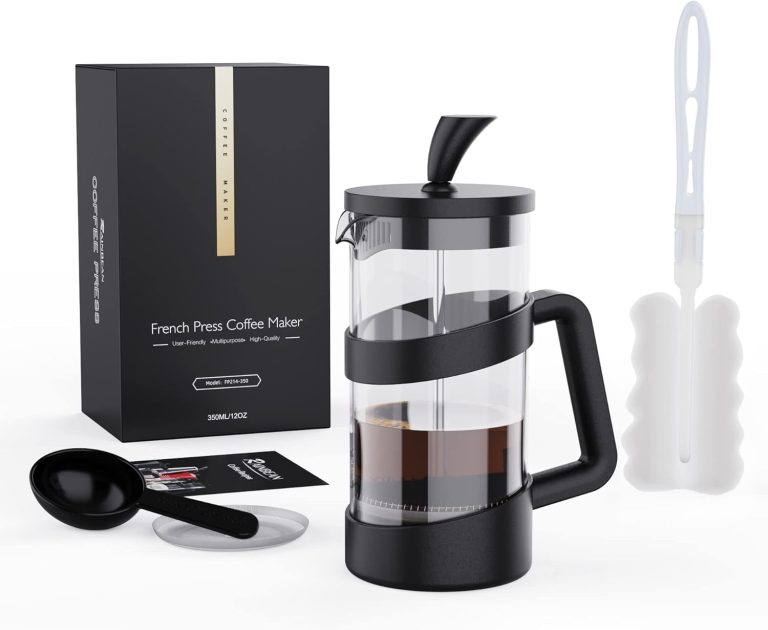
Does French Press Make The Best Coffee: Brew Guide

Yes — for many people, a French press yields rich, full-bodied coffee that often tastes best.
I’ve brewed with many methods over a decade and tested beans, grind sizes, and water temps to judge whether does french press make the best coffee. This article digs into how a French press shapes flavor, when it truly shines, its limits, and practical tips to get the best cup. Read on for clear, experience-backed answers, step-by-step brewing advice, and quick comparisons so you can decide if a French press is the right choice for your ideal daily cup.
How French Press Works
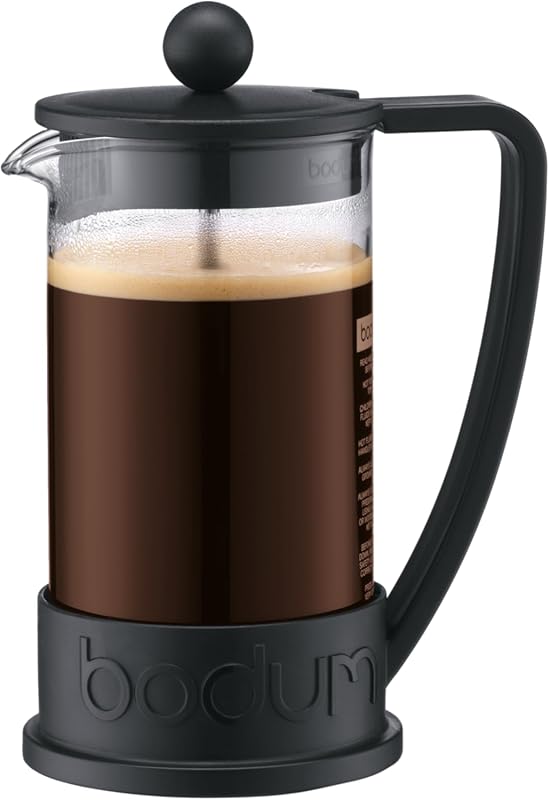
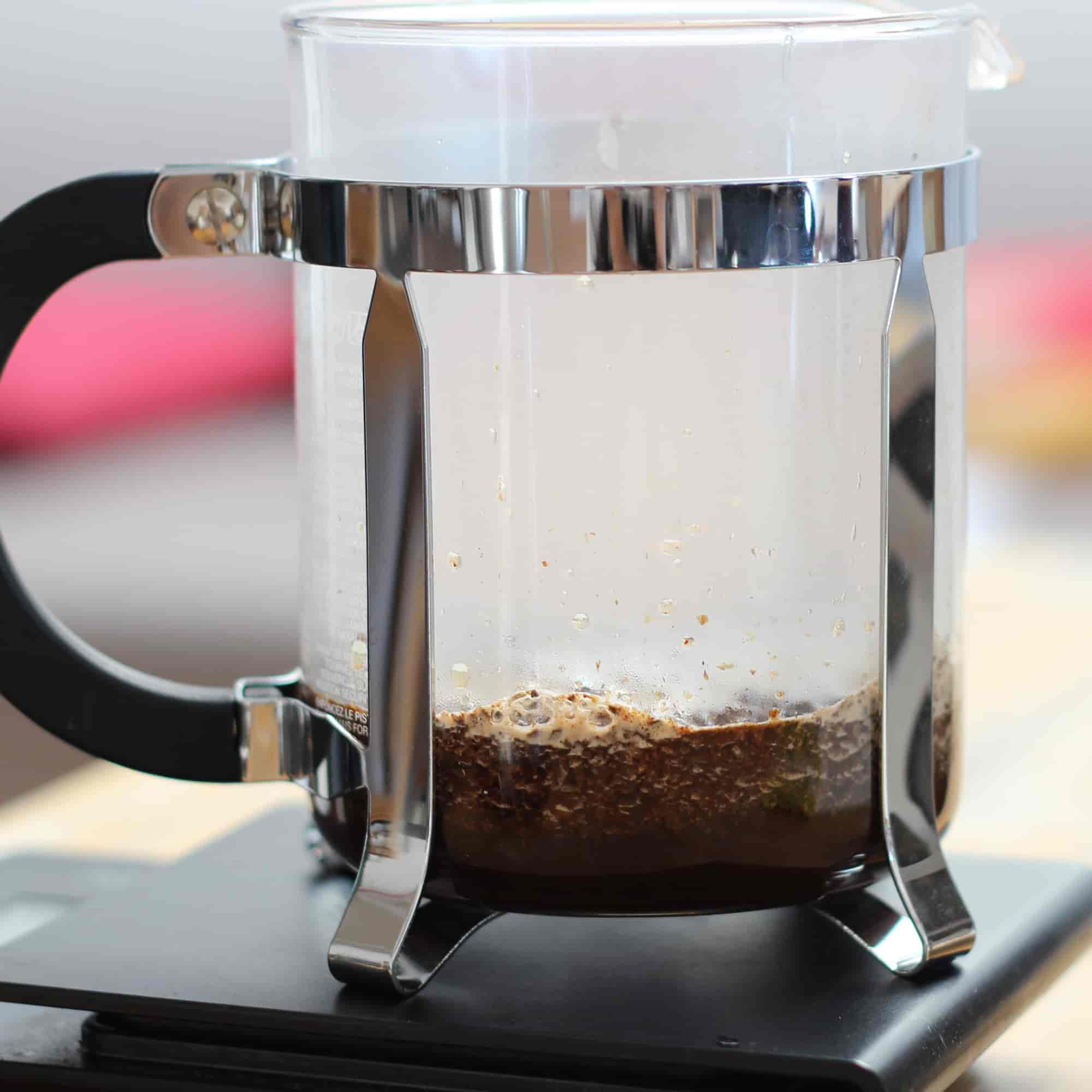
A French press is an immersion brewer. Coarsely ground coffee steeped in hot water extracts oils and solids. A metal mesh filter separates grounds when you press, so more oils and micro-grounds stay in the cup than with paper-filtered methods. This design is why many ask, does french press make the best coffee for taste and texture?
:max_bytes(150000):strip_icc()/__opt__aboutcom__coeus__resources__content_migration__serious_eats__seriouseats.com__images__2014__07__20140714-french-press-pour-675fbb49d50744c3a8385cac2537d137.jpg)
Key Factors That Decide "Best Coffee"
Several variables shape whether a French press makes the best cup for you:
- Coffee beans and roast level: Fresh, medium- to dark-roast beans highlight the press’s body.
- Grind size: Coarse and even grind prevents over-extraction and sludge.
- Water temperature: 195–205°F (90–96°C) is ideal.
- Brew time and ratio: A common start is 1:15 to 1:17 coffee-to-water and 4 minutes steep.
- Equipment hygiene: Old oils or fines in the mesh will muddy flavor.
These factors show why the question does french press make the best coffee depends on technique as much as the method.
:max_bytes(150000):strip_icc()/Web_1500-SpruceEats_GROUPSHOTFrenchPress_VictorProtasio_00988-fc0f93559f61434c86ea6f20809629b4.jpg)
Flavor Profile: What French Press Delivers
A French press favors:
- Full body: The metal filter leaves oils in the cup for a thick mouthfeel.
- Lower perceived acidity: The heavier body rounds bright notes.
- More texture: Fine particles add weight and slight sediment if grind is too fine.
- Pronounced roast and chocolate notes: Darker flavors come forward.
If you prefer clean, crisp clarity, another method may be better. But if you like a rich, tactile cup, you’ll likely answer “does french press make the best coffee” with a yes for your taste.
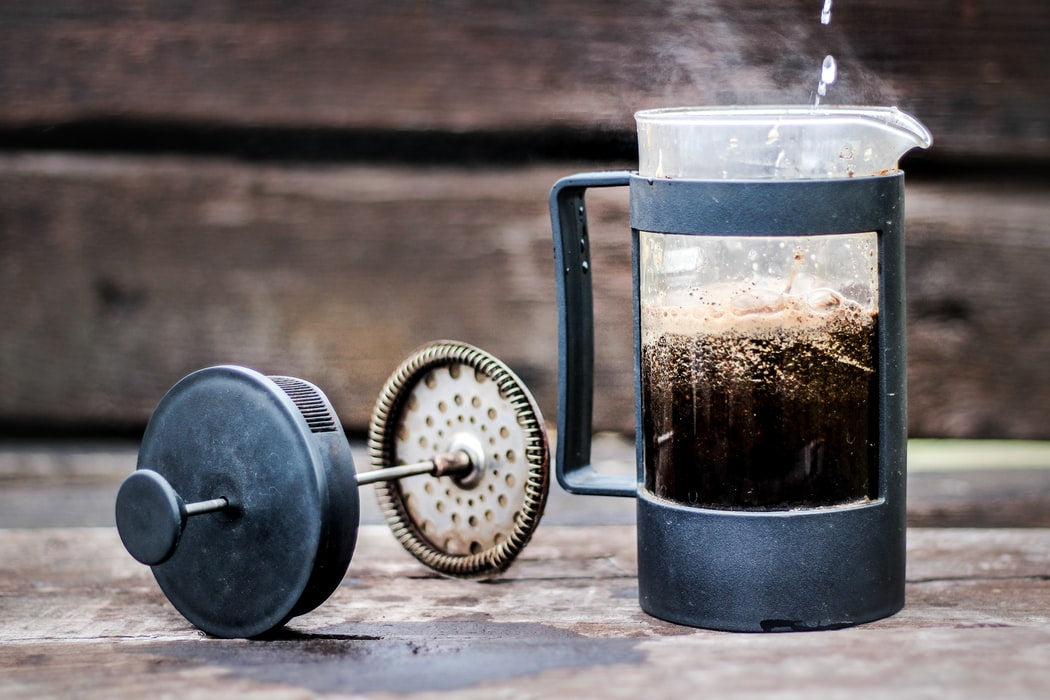
Pros and Cons of French Press
Pros
- Simple and inexpensive tool to brew large batches.
- Produces rich, oily cups with strong body.
- Full control over steep time and ratio.
Cons
- Can be muddy or bitter if grind is too fine or steep too long.
- Metal filter means less clarity and more sediment.
- Needs careful cleaning to avoid stale oils.
Knowing these trade-offs helps you judge whether does french press make the best coffee for your daily routine.

How to Brew Great French Press Coffee — Step by Step
Follow these steps to maximize success:
- Heat water to 195–205°F (90–96°C).
- Use fresh beans and grind coarse, like sea salt.
- Dose 1 part coffee to 15–17 parts water (for example 30 g coffee to 450–510 g water).
- Bloom with a small pour for 30 seconds, then add remaining water.
- Stir gently, steep 4 minutes, then press slowly and serve immediately.
Common mistakes I made early on: grinding too fine, using stale beans, and leaving coffee in the press after plunging. Plunge and decant into a carafe to avoid over-extraction. These tips answer practical parts of whether does french press make the best coffee in real life.
French Press vs Other Methods
Short comparisons to help decide:
- Pour-over: Cleaner cup and brighter acids; press gives more body.
- Drip machine: Convenient and consistent; press offers more hands-on control.
- Espresso: Concentrated, crema-rich shots; press cannot match pressure-based intensity.
- Aeropress: Faster and cleaner than press; Aeropress can mimic espresso-like shots.
- Cold brew: Low-acid, smooth concentrate; French press is quicker for hot coffee.
If you like strong body and simple gear, the French press often wins. If you prize clarity and bright flavors, other methods may be better—so the answer to does french press make the best coffee varies by taste.
Personal Experience and Testing Notes
From years of testing, a few clear lessons stand out:
- Fresh beans make the biggest difference. I once used week-old beans and the press was flat. Fresh roast transformed the cup.
- Dial in grind size slowly. Small changes matter.
- Clean the mesh filter weekly to keep flavors pure.
Based on repeated tasting, does french press make the best coffee for me? Often yes, for morning comfort and strong flavor. For guests who prefer delicate notes, I switch to pour-over.

Common Myths and Misconceptions
- Myth: French press always makes bitter coffee. Fact: Bitterness usually comes from too-fine grind or over-steeping.
- Myth: Metal filters are unsanitary. Fact: Regular cleaning prevents buildup.
- Myth: French press is only for dark roasts. Fact: Light and medium roasts can work well if you want brighter notes with body.
- Myth: You must plunge immediately after 4 minutes. Fact: You can adjust steep time to taste, but decanting quickly stops extraction.
Understanding these myths helps you answer whether does french press make the best coffee with nuance and confidence.
:max_bytes(150000):strip_icc()/Simply-Recipes-French-Press-Coffee-METHOD-07-e61f9c9136b94f3389522ec2f52892a5.jpg)
Quick Questions People Also Ask
What grind should I use for French press?
- Use a coarse, even grind similar to sea salt. Fines cause over-extraction and sludge.
How long should I steep French press coffee?
- Start with 4 minutes and adjust by 30-second steps to suit your taste.
Will French press coffee be stronger than drip?
- Often yes in body and perceived strength, because oils and fines remain in the cup.
Frequently Asked Questions of does french press make the best coffee
What makes French press coffee taste richer than drip coffee?
French press keeps coffee oils and fine particles that paper filters remove, adding body and texture. The immersion method also extracts flavor evenly, which increases richness.
Is the French press healthier than filtered coffee?
Filtered coffee removes certain compounds found in oils, which can affect cholesterol. French press retains those oils, so moderation is advised for people monitoring cholesterol or heart health.
Can I use any bean for a French press?
Yes, but fresh, medium- to dark-roast beans are commonly preferred for body. Lighter roasts work too if you want more brightness, but grind and ratio must be tuned.
How do I avoid sediment in my cup?
Use a coarser grind and let grounds settle briefly before pouring. Plunge slowly and decant into a server to separate liquid from settled fines.
Is French press coffee easy to scale for multiple cups?
Yes. The French press is excellent for brewing several cups at once because it’s an immersion method and scales linearly with ratio and time.
Conclusion
A French press can make the best coffee for many people by delivering rich flavor, full body, and simple control. Whether does french press make the best coffee depends on your taste, your willingness to dial in grind and time, and how much you value clarity versus texture. Try the step-by-step recipe here, experiment with beans and ratios, and decide for yourself. If you enjoyed this guide, try one tweak per brew, leave a comment about your favorite ratio, or subscribe for more brewing tips.