What Are the Advantages of French Press Coffee Maker

A French press makes rich coffee, gives you good control, and stays simple to use. It is a strong choice if you value flavor more than speed.
A French press makes rich, full coffee with simple tools and little fuss. Its biggest advantages are strong flavor, low cost, and easy control over the brew.
- Rich taste: Steeping creates a bold cup with more body.
- Easy control: You can adjust strength with grind, water, and time.
- Low fuss: The design is simple, portable, and usually affordable.
- Trade-offs: Expect some sediment, slower brewing, and more cleanup.
What Are the Advantages of French Press Coffee Maker?
A French press gives you a bold cup with more body than many drip brewers. It also keeps things simple, since you only need coffee, hot water, and a few minutes.
For many home coffee drinkers, that mix is hard to beat. You get a hands-on brew method that feels calm, flexible, and easy to learn.
Quick answer for busy readers
The main advantages are flavor, control, and value. A French press can make a rich cup without paper filters or complex settings.
It also works well in small kitchens and while traveling. If you want a simple brewer that puts taste first, this method is worth a look.
Why this brewing method still matters in 2026
Even with pod machines and smart brewers everywhere, the French press still has a place. It gives you a low-tech way to make coffee that feels personal and flexible.
That matters because not everyone wants a machine with buttons, pods, or extra parts. Sometimes, the best coffee tool is the one that stays out of your way.
Results can vary by bean, grind, water quality, and steep time. The brewer matters, but your routine matters too.
How a French Press Works
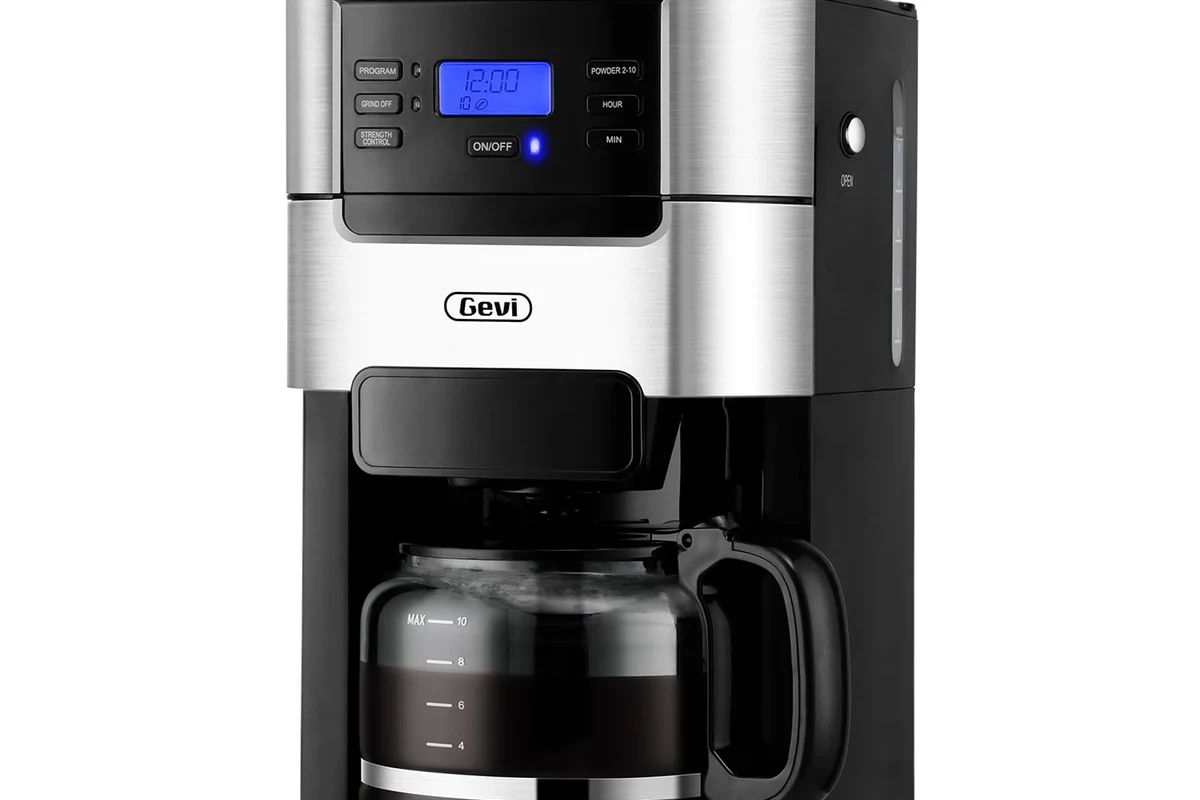
A French press brews coffee by steeping grounds in hot water. Then you press a mesh plunger down to separate most of the grounds from the drink.
That simple process is part of its appeal. It gives you more direct control than many automatic machines.
The basic parts and simple brew process
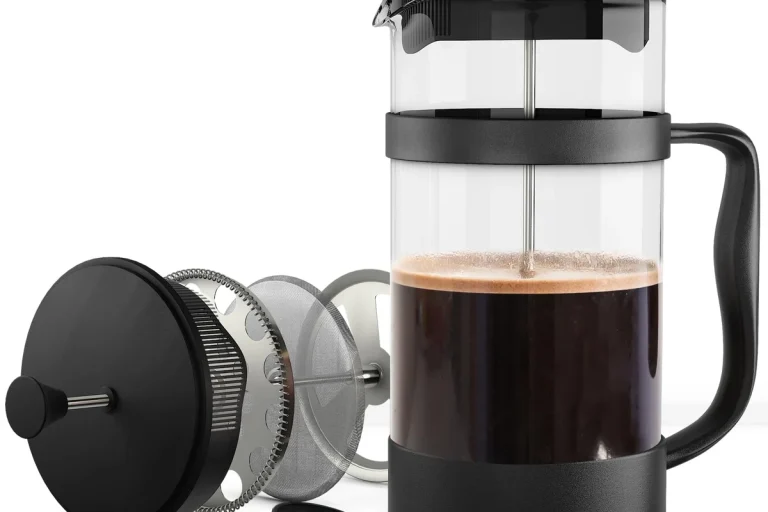
Most French presses have a carafe, a lid, a plunger, and a metal mesh filter. Some models use glass, stainless steel, or ceramic.
Use a coarse grind for the best flow and less grit.
Cover the grounds fully and let them steep.
Lower the plunger with steady pressure, not force.
That’s the basic idea. It sounds almost too easy, but that’s exactly why many people like it.
Why steeping changes the taste
Steeping lets water stay in contact with the coffee longer. That pulls out more flavor, oils, and fine particles than quick drip methods.
The result is a heavier cup with a fuller mouthfeel. If you enjoy coffee that tastes round and rich, this method usually delivers.
French press coffee often tastes fuller because the metal mesh does not trap as many oils as paper filters do.
Main Advantages of a French Press Coffee Maker
The French press stands out because it does a few things very well. It does not try to be the fastest or the most automated brewer.
Instead, it focuses on taste, control, and ease of use. That makes it a smart pick for many kitchens.
Rich flavor and full body
This is the biggest reason people love a French press. The brew usually tastes bold, deep, and smooth.
Because the coffee steeps in water, it can pull out more of the bean’s natural character. That gives you a cup that feels more like a full drink than a thin pour.
- Bold flavor with a heavy, satisfying body.
- Simple brewing with very few moving parts.
- Easy control over strength and steep time.
- No need for paper filters or pods.
More control over brew strength
You can change the strength by adjusting the coffee amount, grind size, water amount, and steep time. That gives you a lot of room to fine-tune the cup.
If you like a stronger brew in the morning and a lighter one later, that flexibility is useful. You do not need a new machine to change the taste.
No paper filter, so more natural oils stay in the cup
Paper filters catch more oils and tiny coffee bits. A French press uses a metal mesh, so more of those oils stay in the drink.
That is one reason the flavor feels richer. It also gives the coffee a fuller mouthfeel, which many people enjoy.
Simple design and low cost
A French press is one of the simplest coffee makers you can buy. There are no pumps, brew heads, or complex controls.
That simple design often means a lower purchase cost and fewer parts that can fail. For shoppers who want value, that is a big plus.
Choose a French press if flavor and simplicity matter more than speed.
Portable and easy to use at home or while traveling
Many French presses are light enough to pack for trips, cabins, or office use. You only need hot water and coffee grounds.
That portability makes it a favorite for people who do not want to depend on a bulky machine. It is also handy in small apartments and dorm-style spaces.
Best for small kitchens, travel, and simple daily use.
Best for shared mornings and larger coffee batches.
Limits and Trade-Offs to Know
No brewer is perfect, and the French press has a few downsides. Knowing them helps you decide if it fits your routine.
These trade-offs do not ruin the method. They just show where it works best and where another brewer may suit you more.
Sediment in the cup
Because the mesh filter is not as fine as paper, some fine grounds can slip through. That can leave a little sediment at the bottom of the cup.
Many people do not mind it. Still, if you prefer a very clean cup, this may bother you.
Less speed than drip or pod machines
A French press needs time to steep. That makes it slower than many quick-start coffee makers.
If you need coffee in a hurry every morning, that can be a drawback. On the other hand, the process is still very easy.
Heat loss during steeping
Since the coffee sits in an open or semi-open vessel, heat can drop during brewing. Some models hold heat better than others.
That is one reason material matters. Stainless steel or insulated models usually keep warmth better than thin glass ones.
Cleaning takes a little more effort
You need to empty the grounds and rinse the parts after use. The mesh filter can trap oils and fine particles.
It is not hard work, but it is more involved than tossing a pod or dumping a paper filter. If you want the easiest cleanup possible, that matters.
- Rich, full coffee flavor.
- Simple parts and easy setup.
- Flexible brew strength.
- Some sediment in the cup.
- Slower than many machines.
- Needs regular cleaning.
What Makes a Good French Press in 2026?
In 2026, the best French press for you depends on how you brew at home. The right model should fit your space, your habits, and your cleanup style.
Do not choose only by looks. Small details can change how well it works day to day.
Material choices like glass, stainless steel, and ceramic
Glass lets you see the brew, but it can be more fragile. Stainless steel usually holds heat better and feels sturdy.
Ceramic can look nice and keep heat well, but it may be heavier. Your best choice depends on how careful you are and where you plan to use it.
Size, mesh quality, and heat retention
Pick a size that matches how much coffee you make. A press that is too large can waste grounds, while one that is too small can slow you down.
Mesh quality also matters. A better filter can reduce grit and improve the cup.
Ease of cleaning and part replacement
Look for a press that comes apart easily. That makes daily cleaning less annoying.
If parts like the filter or plunger can be replaced, that can help the brewer last longer. Always check the product manual and seller details for replacement options.
Budget vs premium value
A basic French press can already make very good coffee. You do not need a fancy model to get a solid result.
Premium models may add better insulation, stronger materials, or smoother parts. Those extras can be worth it if you brew often.
- Choose a size that fits your daily coffee habit.
- Check the material for heat retention and durability.
- Look for a filter that feels sturdy and easy to clean.
- Review the manual, warranty, and replacement part info.
Common Mistakes That Hurt French Press Coffee
French press coffee is simple, but a few mistakes can hurt the taste. The good news is that most fixes are easy.
If your cup tastes weak, bitter, or gritty, the issue is often technique, not the brewer itself.
Using the wrong grind size
A coarse grind usually works best. Fine grounds can slip through the mesh and make the coffee muddy.
If your coffee tastes harsh or leaves too much sludge, the grind may be too fine. That is one of the first things to check.
Brewing too long or too short
Short steep times can taste weak. Very long steep times can taste bitter or overly strong.
Try to keep your routine steady. Small changes in time can make a big difference.
Water that is too hot
Water that is boiling hard can scorch the grounds. That can lead to a sharp, bitter taste.
Use care with hot water and hot glass. Always follow the brewer manual and keep it on a stable surface.
Let boiling water cool slightly before brewing. That simple step can improve flavor and reduce harsh notes.
Skipping the stir or pressing too hard
Stirring helps wet the grounds evenly. If you skip it, some coffee may not extract well.
When you press, go slowly and gently. Forcing the plunger can stir up sediment and make the cup cloudier.
The coffee tastes weak, bitter, or gritty.
Check grind size, steep time, water heat, and how gently you press.
Safety, Cleaning, and Maintenance Tips
French presses are simple, but you still need to handle them with care. Heat, glass, and wet parts can all cause trouble if you rush.
Good cleaning also helps your coffee taste better. Old oils can make fresh coffee taste stale.
Safe handling of hot water and glass parts
Keep the press on a dry, flat surface before pouring. If your model uses glass, handle it with extra care.
Safety matters most when the press is hot. If a carafe is cracked, chipped, or loose, stop using it.
Follow the appliance manual and stop using damaged equipment.
Daily cleaning steps
After brewing, dump the grounds into the trash or compost if your local setup allows it. Then rinse the carafe, plunger, and filter.
Wash the parts with warm water and mild soap when needed. Dry everything well before storing it.
Deep cleaning to avoid old oil buildup
Coffee oils can build up over time, especially around the filter and lid. That buildup can change the taste.
A deeper wash now and then helps keep the press fresh. Follow the manual for any part that should not go in a dishwasher.
How to keep the filter working well
Check the mesh for wear, bends, or clogs. A damaged filter can let more grounds into the cup.
If the filter loosens or stops fitting well, replace it if the maker offers parts. That is often easier than buying a whole new press.
Empty grounds, rinse parts, and dry them well.
Inspect the mesh, plunger, and lid for wear or buildup.
Final Verdict: Is a French Press Worth It?
For many coffee drinkers, yes, it is worth it. A French press gives you strong flavor, simple use, and solid value.
It is not the fastest brewer, and it does leave some sediment. But if taste and control matter most, those trade-offs are easy to accept.
Best for flavor-focused coffee drinkers
If you love a rich, full cup, the French press is a strong choice. It brings out a deep coffee feel that many automatic brewers miss.
Best for shoppers who want value and simplicity
If you want a brewer that is easy to understand and usually easy on the budget, this method fits well. It also works nicely in small kitchens.
When another brew method may be a better fit
Choose another brewer if you want the cleanest cup, the fastest routine, or the least cleanup. Drip machines and pod brewers may suit those needs better.
A French press is best for people who care most about rich taste, low cost, and simple brewing. If you want the easiest cleanup or the fastest cup, a drip or pod machine may be a better match.
Frequently Asked Questions
A French press steeps coffee in hot water, which pulls out more oils and flavor. Its metal filter also lets more of those oils stay in the cup.
A coarse grind usually works best. Fine grounds can slip through the mesh and make the coffee gritty.
Steep time can vary by bean, grind, and taste. A steady routine helps you avoid weak or bitter coffee.
Empty the grounds, rinse the parts, and wash with warm water and mild soap when needed. Dry all parts well before storing.
Check capacity, material, mesh quality, cleaning ease, and replacement part options. Also review the manual, warranty, and safety details.
It depends on your priorities. A French press usually gives richer flavor and better value, while a pod machine may be faster and cleaner to use.