Air Fryer Daily Use Tips for Easier Cooking Every Day

Air fryer daily use works best when you keep the basket uncrowded, clean the appliance regularly, and use only the amount of oil your food needs. A simple routine makes cooking faster, safer, and more consistent every day.
If you use an air fryer most days, a few small habits can make cooking faster, cleaner, and more predictable. The best air fryer daily use tips are not complicated—they are about setup, airflow, cleaning, and knowing when the appliance is the right tool for the job.
This guide from the RedKitchenProject Editorial Team focuses on practical everyday use, not hype. You will find simple ways to save time, avoid common mistakes, and keep your air fryer working well through regular cooking in 2025.
- Airflow matters: Leave space around food for faster, more even crisping.
- Less oil is better: Use only a light coating to reduce smoke and cleanup.
- Clean often: Quick cleaning after each use prevents buildup and odors.
- Match the model: Basket size and appliance style should fit your daily meals.
Air Fryer Daily Use Tips: What Busy Home Cooks Need to Know
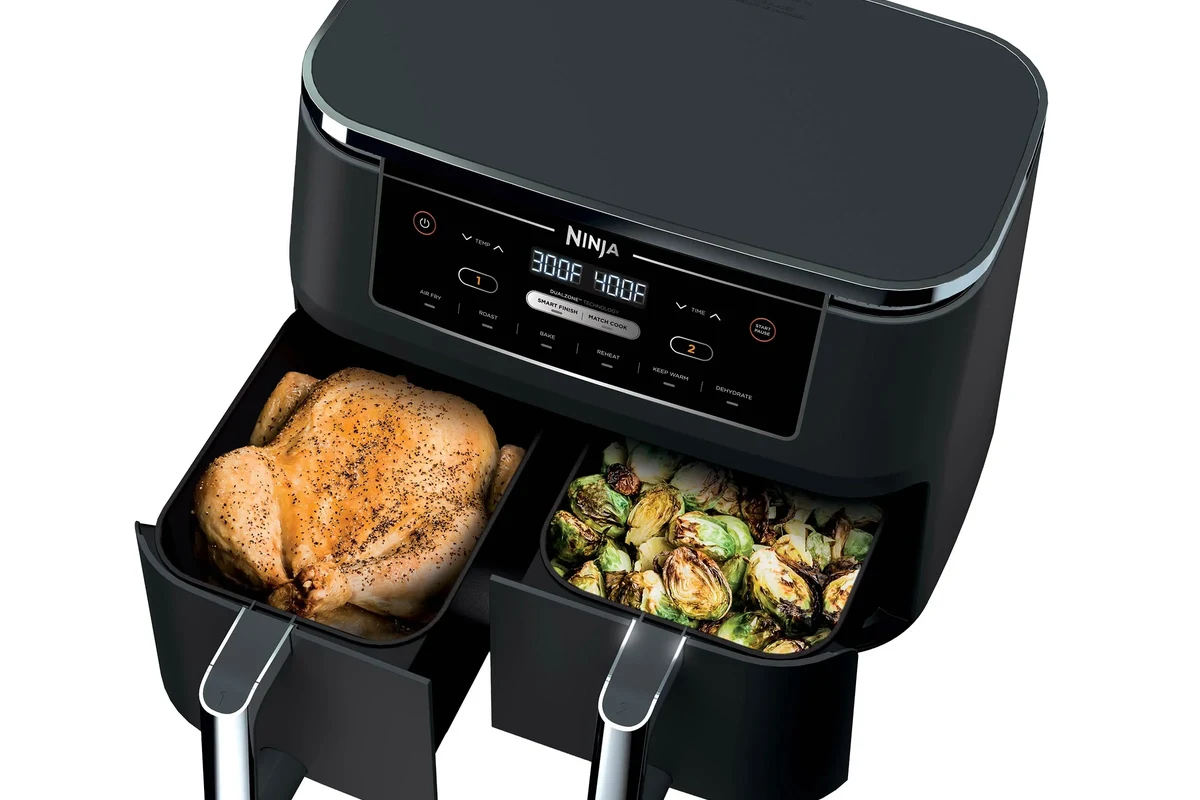
How this guide helps with faster, easier everyday cooking
Daily air fryer use works best when the appliance fits your routine, not the other way around. A good setup can cut down on preheating, reduce cleanup, and make weeknight meals feel less like a project.
These tips are meant for real kitchens with limited counter space, mixed cooking habits, and different food types. Results will vary by brand, model, basket shape, and how often you cook for one person versus a full family.
What “daily use” really means for air fryer owners
For most people, daily use means cooking or reheating several times a week, sometimes multiple times a day. That could include breakfast items, vegetables, frozen snacks, chicken, leftovers, or quick side dishes.
When an air fryer is used this often, convenience matters as much as performance. Easy loading, easy cleaning, and consistent temperature control become more important than extra features you may rarely use.
Choosing the Right Air Fryer Setup for Everyday Use
Basket vs. oven-style air fryers for meal frequency and batch size
Basket-style air fryers are usually simpler for everyday use because they heat quickly and are easy to shake or toss. They work well for smaller families, side dishes, and fast reheating.
Oven-style air fryers can be better if you cook larger batches, want more rack space, or need to toast, bake, and air fry in one appliance. The tradeoff is that they often take more counter space and may need a little more cleanup.
Size, wattage, and countertop fit for regular cooking routines
Choose a size that matches the meals you actually make. A unit that is too small can force you into multiple batches, while one that is too large may take up valuable space and feel awkward for quick daily use.
Wattage can affect preheat speed and recovery time between batches, but it is only one part of the picture. The shape of the basket, the layout of the heating element, and the control design also matter.
When accessories improve daily convenience and when they just add clutter
Accessories can help if they solve a real daily problem, such as keeping delicate food from sticking or making cleanup easier. Useful add-ons are usually the ones you reach for repeatedly.
Extra racks, inserts, and specialty pans can also become clutter if they do not fit your most common meals. If you are still learning your appliance, start with the basics before buying a large accessory set.
Practical Air Fryer Daily Use Tips for Better Results
Preheating only when it actually helps
Many air fryers heat up fast enough that full preheating is not always necessary. For foods that cook quickly or do not need a strong initial sear, you can often start right away and save a little time.
Preheating helps more with foods that need crisping, browning, or a very consistent start temperature. If your model recommends preheating, follow the manual, but do not assume it is required for every meal.
Arranging food for even airflow and faster crisping
Air fryers work best when hot air can move around the food. Spread items in a single layer when possible, and leave space between pieces so the surface can dry and crisp.
If you stack food too tightly, the outside may brown while the inside stays uneven. For daily cooking, it is often better to use two quick batches than to overload the basket and lose time fixing the results.
Using oil, seasoning, and liners the right way
A light coating of oil can improve browning and help seasonings stick, but more is not better. Too much oil can create smoke, greasy residue, and a heavier cleanup job.
Use liners only if they do not block airflow or interfere with the heating pattern. Parchment inserts and perforated liners can be helpful, but they should be used according to the appliance instructions.
For the best daily results, use just enough oil to lightly coat the food, not the basket. That usually gives you better crisping with less smoke and less cleanup.
Timing shortcuts for common foods you cook often
Once you learn your air fryer’s habits, you can build a short list of go-to times for common foods. Frozen fries, chicken tenders, vegetables, and leftover pizza often become easier with a few repeatable settings.
Still, timing can vary by thickness, moisture level, and whether the food started cold or frozen. Use the first few minutes as a check-in point, then adjust from there instead of relying on a single universal chart.
Daily Cleaning and Maintenance Habits That Save Time
Quick-clean steps after each use
A fast cleanup after each use prevents grease and crumbs from building up into a bigger job later. Let the basket cool, then wipe out loose debris and wash removable parts as needed.
If food splatter is light, a damp cloth and mild soap may be enough for the exterior and surrounding surfaces. Always check the manual before using abrasive pads or harsh cleaners.
How to handle baskets, trays, and crumb buildup safely
Crumbs and trapped grease can collect around baskets, trays, and heating areas over time. Removing them regularly helps reduce smoke, odor, and uneven cooking.
Be careful with sharp edges and hot surfaces, especially right after cooking. If parts are dishwasher-safe, that can simplify routine cleaning, but handwashing may still be gentler on nonstick coatings.
Deep-clean intervals that prevent odors and smoke
Even with quick cleaning, most air fryers need a deeper clean from time to time. A more thorough wash every few uses can help prevent sticky residue and lingering smells.
Pay attention if you notice more smoke than usual, a burnt odor, or food tasting slightly stale. Those can be signs that grease buildup needs attention before it affects daily performance.
Nonstick care to extend appliance life
Nonstick coatings can make daily use easier, but they need gentle care. Avoid metal utensils, rough scrubbing, and stacking heavy parts in a way that scratches the surface.
Let the basket cool before washing it, and use soft sponges when possible. Good nonstick care can help the appliance stay easier to clean and more pleasant to use over time.
Common Air Fryer Mistakes That Slow You Down
Overcrowding the basket and uneven cooking
Overcrowding is one of the most common reasons air fryer meals take longer than expected. When food is packed too tightly, airflow drops and crisping slows down.
If you need to cook larger amounts, split the food into batches or use a larger model better suited to your routine. That often saves more time overall than trying to force everything into one load.
Skipping shake or flip steps
Many foods cook better when you shake the basket or flip pieces halfway through. This simple step helps expose more surface area to hot air and reduces soft spots.
It is especially useful for fries, vegetables, nuggets, and small breaded items. If you skip it often, you may end up extending the cook time and still get less even results.
Using too much oil or the wrong cookware
Heavy oil use can create smoke, splatter, and a sticky basket. The goal is usually a light coating, not a deep-frying approach.
Also, only use cookware that is safe for the appliance and fits without touching the heating element. Oversized pans or low-quality inserts can block airflow or create safety issues.
Ignoring temperature differences between brands and models
Not all air fryers run the same way, even when the settings look similar. Two models set to the same temperature may brown food at different speeds.
That is why it helps to treat the first few uses as a calibration period. Make small adjustments based on your own appliance instead of assuming one recipe will work perfectly everywhere.
Safety and Kitchen Security Notes for Everyday Air Fryer Use
Heat clearance, cord placement, and countertop stability
Air fryers release a lot of heat, so they need room around the sides and back. Keep the appliance on a stable, heat-resistant surface and away from curtains, cabinets, and other flammable items.
Also watch the cord placement so it does not hang over the edge of the counter or sit where it could be tugged. These simple habits reduce the risk of spills, tipping, and accidental contact with hot surfaces.
Preventing smoke, grease flare-ups, and burned coatings
Smoke usually comes from excess oil, grease buildup, or food that is cooking too hot for too long. Cleaning the basket and avoiding heavy oil use can prevent many of these problems.
If your appliance starts smoking, stop and check the food, the basket, and the heating area. Do not ignore repeated smoke or a strong burning smell, especially if the coating looks damaged.
Food safety basics for reheating and cooking leftovers
Leftovers can be a great daily use case for the air fryer, but food safety still matters. Reheat food thoroughly and do not leave cooked items sitting out for long periods before warming them again.
If you are unsure whether leftovers are safe, follow standard food safety guidance for storage time and temperature. When in doubt, discard food that smells off, looks unusual, or has been stored too long.
Cost, Time Savings, and Daily Cooking Efficiency Compared to Other Methods
How air fryer use can reduce active cooking time
One of the biggest benefits of daily air fryer use is reduced hands-on time. You usually spend less time monitoring the food than you would with stovetop cooking or longer oven meals.
That said, the appliance is not always the fastest option for every dish. It works best for small to medium portions, quick reheating, and foods that benefit from dry, circulating heat.
Energy and cleanup comparisons versus oven and stovetop cooking
For smaller meals, an air fryer can be more efficient than heating a full-size oven. It also tends to leave less cookware behind than a multi-pan stovetop meal.
Cleanup is usually simpler, but only if you keep up with it. If grease and crumbs are allowed to build up, the air fryer can become just as annoying to clean as other appliances.
When the air fryer is the best daily choice and when it is not
An air fryer is often the best daily choice for quick sides, crisp reheats, frozen foods, and small portions. It is especially useful when you want speed without turning on a larger appliance.
It is less ideal for very large batches, wet batters, or dishes that need lots of sauce and stirring. In those cases, an oven, skillet, or slow cooker may be the better tool.
Final Recap: Make Air Fryer Cooking Easier Every Day
Key habits to remember for faster, safer, and more consistent results
The most useful air fryer daily use tips are simple: do not overcrowd, clean regularly, use only a little oil, and learn how your specific model behaves. Those habits improve speed and consistency more than any accessory pack can.
Safety matters too. Give the appliance space, watch for smoke, and treat hot baskets and trays with care every time you cook.
Simple routine changes that make daily use effortless
If you want air fryer cooking to feel easy every day, build a repeatable routine. Keep a short list of your most-used foods, your preferred settings, and the cleaning steps you follow after each use.
Once those habits become automatic, the air fryer becomes less of a gadget and more of a dependable everyday tool. That is where it saves the most time and frustration.
Frequently Asked Questions
Choose a basket size that matches the meals you cook most often. Smaller households usually do fine with compact baskets, while families may prefer larger baskets or oven-style models for batch cooking.
No, not every food needs oil, but a light coating can improve browning and crisping. Use as little as needed, because too much oil can cause smoke and make cleanup harder.
Wipe and empty it after each use, especially if crumbs or grease are visible. Do a deeper clean every few uses, or sooner if you notice smoke, odor, or sticky buildup.
There is no single best temperature for every food, because timing depends on the item and the model. Start with the recipe or manual, then adjust based on how your air fryer browns and cooks.
An air fryer is often better for small portions, fast reheating, and crisp foods. An oven is usually better for larger batches, baking, and meals that need more space.
Keep the appliance on a stable surface with clear space around it, and make sure the cord is not pinched or hanging loose. If you notice repeated overheating, smoke, or electrical issues, stop using it and check the manual or contact a qualified repair professional.