Are Egg Noodles Healthier Than Pasta Find Out Now

Regular pasta is usually healthier for most people because it often has fewer calories and less fat. Egg noodles can still be a smart choice when you want richer flavor, more protein, or a comfort-food meal.
Are egg noodles healthier than pasta? Usually, the answer is no for most people. The better choice depends on the type, the serving size, and what you plan to cook.
Egg noodles can give you a little more protein and fat from the eggs. But regular pasta often has fewer calories and a simpler ingredient list. In short, the healthier pick changes with your goals.
- Healthiest everyday pick: Regular pasta usually wins on calories and fat.
- Best comfort option: Egg noodles fit soups, casseroles, and rich sauces.
- Fiber matters most: Whole wheat pasta usually beats refined egg noodles.
- Portion size counts: A small serving matters more than the noodle choice.
Are Egg Noodles Healthier Than Pasta? The Short Answer
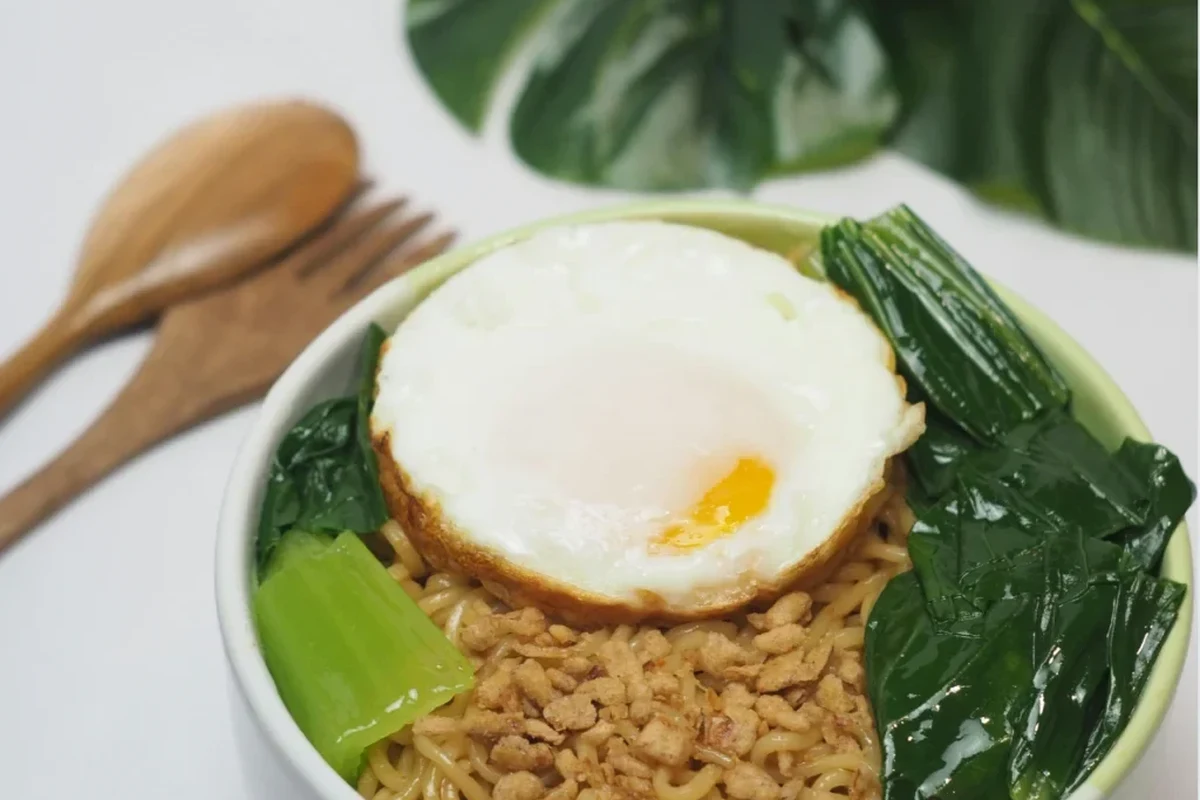
If you want the plain answer, pasta often wins for everyday health goals. Egg noodles are not bad, though. They just fit some meals better than others.
The real question is what you mean by “healthier.” Some people care about calories. Others care about protein, fiber, or how filling the meal feels.
What “healthier” really means for this comparison
Healthier can mean lower calories, more protein, more fiber, or less fat. It can also mean a food that helps you feel full without overeating.
For blood sugar, fiber matters a lot. For weight control, portion size matters just as much as the noodle type. For quick family meals, ease of cooking matters too.
Nutrition changes by brand, recipe, and serving size. Always check the label on the package you buy.
The quick verdict for most home cooks
For most home cooks, regular pasta is the better all-around choice. It often has fewer calories and less fat per serving.
Choose egg noodles when you want a richer taste or a softer bite. Choose pasta when you want a more flexible base for sauces, salads, and meal prep.
Regular pasta is usually the healthier everyday pick, but egg noodles can fit well in comfort meals and soups.
Egg Noodles vs Pasta: What They’re Made Of
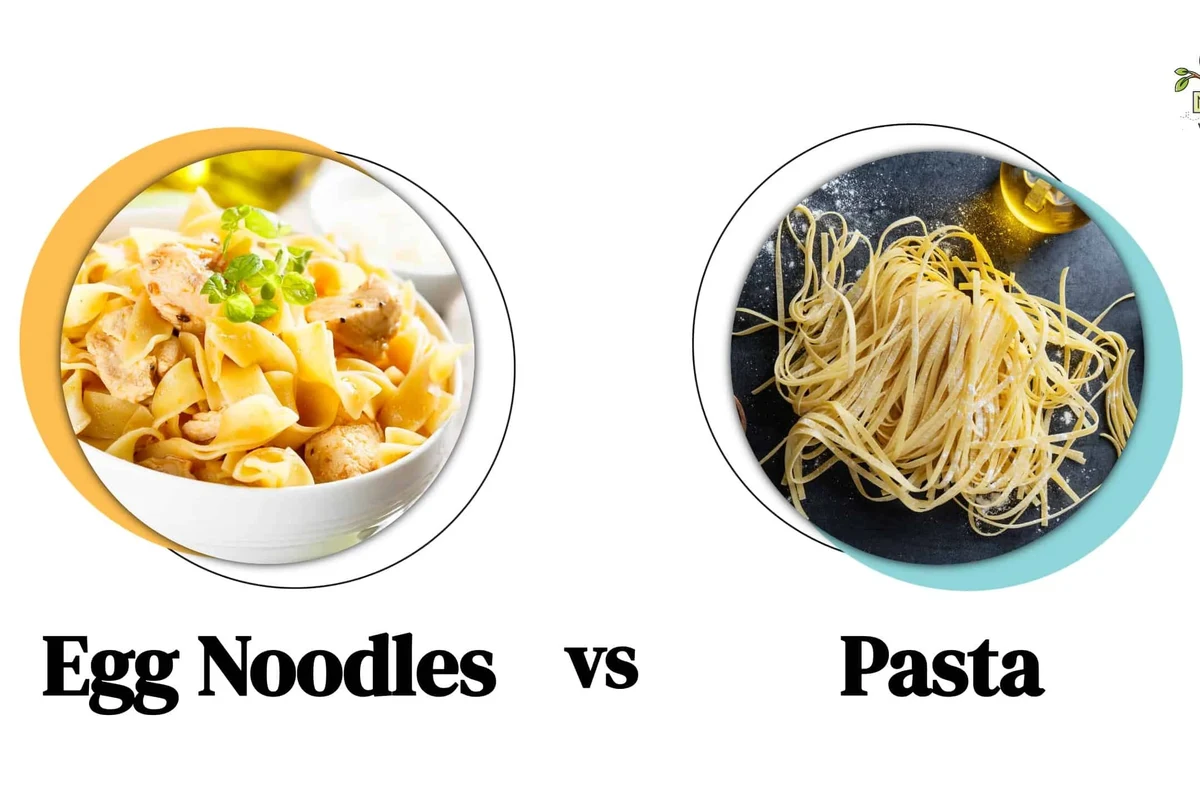
Both foods start with flour and water. The biggest difference is that egg noodles include eggs, while many regular pastas do not.
That small change affects taste, texture, and nutrition. It also changes how each noodle works in the pan or pot.
Key ingredients in egg noodles
Egg noodles usually use wheat flour, eggs, and water. Some brands also add salt or extra yolks.
The eggs give the noodles a yellow color and a richer flavor. They also add some protein and fat.
Key ingredients in regular pasta
Regular pasta often uses durum wheat semolina and water. Some types include enriched flour or whole wheat flour.
Many dry pastas do not use eggs at all. That keeps the ingredient list short and the fat content low.
How eggs change the nutrition profile
Eggs make noodles richer and more tender. They also raise the protein and fat a bit.
That sounds good, but it is not always a win. More fat can mean more calories. For some people, that matters more than a small protein boost.
Many traditional egg noodles get their color from egg yolks, not from added dye.
Nutrition Breakdown: Calories, Protein, Carbs, and Fat
The numbers vary by brand and serving size. Still, the pattern is usually clear.
Egg noodles tend to have more fat and a little more protein. Pasta tends to stay a bit leaner.
Calories per serving
Regular pasta often has fewer calories than egg noodles. That makes it easier to fit into a lower-calorie meal.
Egg noodles can still work well, but they may add up faster if you use a large portion. Sauce and toppings matter too.
Protein differences
Egg noodles usually have more protein than plain pasta. The eggs are the reason.
That said, the gap is often smaller than people expect. If you want a high-protein meal, the noodles alone will not do the job.
Carb and fiber differences
Both foods are mostly carbs. That means both can raise blood sugar, especially in large servings.
Fiber depends more on the flour type than on the egg content. Whole wheat pasta usually gives you more fiber than refined egg noodles.
Fat and cholesterol differences
Egg noodles usually have more fat because of the eggs. They may also have cholesterol from the yolks.
For most healthy adults, that is not a big issue in normal portions. Still, people watching fat or cholesterol should read labels closely.
- Egg noodles often have more protein and fat.
- Pasta often has fewer calories and less fat.
- Whole wheat pasta usually offers more fiber.
Health Benefits and Limits of Egg Noodles
Egg noodles can belong in a balanced diet. They are just not the best choice in every case.
Their main strengths are taste, texture, and comfort. Their main limits are lower fiber and a richer calorie profile.
When egg noodles can be a smart choice
Egg noodles make sense when you want a filling soup or casserole. They also work well in simple comfort food meals.
If your meal needs a softer noodle and a richer taste, egg noodles do the job well. They can make a small amount of protein go a little further.
When pasta may be the better pick
Pasta is often better when you want a lighter base. It also works well with tomato sauce, veggie toppings, and meal prep bowls.
If you want more fiber, choose whole wheat pasta. If you want a neutral flavor, pasta gives you more room to build the dish.
How portion size changes the result
Portion size can flip the whole answer. A small bowl of egg noodles may fit your goals better than a huge plate of pasta.
It helps to think about the whole meal. A large sauce, extra cheese, and fatty meat can matter more than the noodle choice itself.
Use a smaller bowl and add more vegetables. That helps you keep pasta or noodles in a better balance.
Best Uses in Real Life Cooking
Some noodles shine in soups. Others work better with sauce. That is where the practical choice gets easier.
Think about texture, shape, and how the dish will hold up after cooking. That often matters more than a nutrition chart.
Soups, casseroles, and comfort food dishes
Egg noodles are a strong pick for soups and casseroles. They hold a soft, cozy texture that fits those dishes.
They also pair well with chicken, mushrooms, and creamy sauces. If you want a classic comfort meal, egg noodles are hard to beat.
When to choose pasta for sauces and meal prep
Pasta is usually better for tomato sauce, pesto, and olive oil based dishes. It also holds its shape well in leftovers.
That makes pasta a smart choice for lunch boxes and batch cooking. It often keeps a firmer bite after reheating.
How cooking method affects the final dish
Boiling time, sauce, and add-ins all change the final meal. A noodle can seem lighter or heavier based on what you cook with it.
For example, egg noodles in broth feel lighter than egg noodles in cream sauce. The same is true for pasta.
- Salt the water lightly for better flavor.
- Cook just until tender, not mushy.
- Toss with vegetables to improve balance.
Common Mistakes That Make Either Option Less Healthy
People often blame the noodle when the real issue is the meal around it. That happens a lot with both egg noodles and pasta.
A few easy mistakes can turn a decent meal into a heavy one. The good news is that they are easy to fix.
Using oversized portions
Big servings are the fastest way to make either choice less healthy. A second helping can double the carbs fast.
Try starting with a modest portion. Then add vegetables or lean protein if you still feel hungry.
Picking heavy sauces and toppings
Cream sauces, lots of cheese, and fried toppings add calories quickly. They can also hide the flavor of the noodles themselves.
A lighter sauce often gives you a better balance. Tomato sauce, broth, and olive oil based sauces are easier to manage.
Ignoring whole grain or enriched options
Whole grain pasta can give you more fiber. Enriched pasta can help replace some nutrients lost in processing.
Egg noodles vary more by brand, so read the label. If fiber matters to you, check the flour source first.
If you have a food allergy, check the package carefully. Egg noodles contain egg, and some pasta may also contain egg or wheat.
How to Choose the Better Option for Your Needs
The best choice depends on your goal. There is no single winner for everyone.
Use your health goal, budget, and meal plan as the guide. That keeps the decision simple.
Best choice for weight control
Regular pasta is often the better pick for weight control. It often has fewer calories and less fat.
Still, the sauce and serving size matter most. A small serving of egg noodles can be a better choice than a huge bowl of pasta.
Best choice for higher protein meals
Egg noodles usually win if you want a little more protein from the noodle itself. That can help in a mixed dish.
But if protein is your main goal, add chicken, beans, tofu, or fish. Noodles should support the meal, not carry it alone.
Best choice for blood sugar and fiber goals
Whole wheat pasta is often the better option for fiber goals. Fiber can help slow digestion and support steadier blood sugar.
Egg noodles made from refined flour usually offer less fiber. If you have blood sugar concerns, portion size matters a lot.
Best choice for budget and convenience
Both options are usually easy to find and simple to cook. The better value depends on local prices and brand choices.
Regular pasta often gives you more variety. Egg noodles may be the better buy when you want a certain texture or dish style.
Final Verdict: Which One Should You Buy in 2026?
In 2026, the best choice is still the one that fits your meal and your goals. For most people, regular pasta is the healthier everyday pick.
Egg noodles are still a good option for comfort food, soups, and richer dishes. They just work best when you keep the portion sensible.
Who should choose egg noodles
Choose egg noodles if you want a softer bite and richer flavor. They are a strong fit for soups, casseroles, and cozy dinners.
They also make sense if you do not mind a little more fat in exchange for taste and texture.
Who should choose pasta
Choose pasta if you want a lighter base for many kinds of sauces. It is also a better fit if you want fewer calories or more fiber from whole grain versions.
Pasta is the safer all-purpose choice for meal prep and family dinners.
Simple final recommendation from Red Kitchen Project
If you want the short answer, buy pasta for everyday use and egg noodles for comfort meals. That gives you the best mix of health, taste, and flexibility.
For the healthiest plate, pair either noodle with vegetables, lean protein, and a sauce that does not drown the dish.
Regular pasta is usually healthier for most home cooks, but egg noodles can be a smart choice in the right dish. Pick pasta for a lighter, more flexible base, and choose egg noodles when comfort and texture matter more.
Frequently Asked Questions
Regular pasta is often the lighter choice because it usually has fewer calories and less fat. Still, portion size and sauce matter just as much as the noodle type.
Yes, egg noodles usually have a bit more protein because they contain eggs. The difference is often small, so you may still need another protein source in the meal.
Whole wheat pasta is often better because it usually has more fiber. Egg noodles made with refined flour may raise blood sugar more quickly, especially in large portions.
Not usually. Both foods are mostly carbs, and the exact amount depends on the brand and serving size.
Keep the portion modest and add vegetables and lean protein. Lighter sauces also help keep the meal more balanced.
Pasta is often better for meal prep because it holds up well after cooking and reheating. Egg noodles work too, but they are usually best in softer, comfort-style dishes.