What Are the Benefits of a French Press Coffee Maker

A French press makes bold, full-bodied coffee and gives you more control over brew strength. It’s also simple, low waste, and often a smart budget pick.
A French press coffee maker is popular because it makes bold coffee, gives you more control, and keeps things simple. It’s also a good pick if you want low waste and a small, budget-friendly brewer for everyday use.
- Rich taste: The metal filter keeps more oils in the cup.
- More control: You can adjust grind, time, and coffee amount.
- Low waste: It skips paper filters and keeps the routine simple.
- Budget-friendly: Many models cost less than electric brewers.
What Is a French Press Coffee Maker?
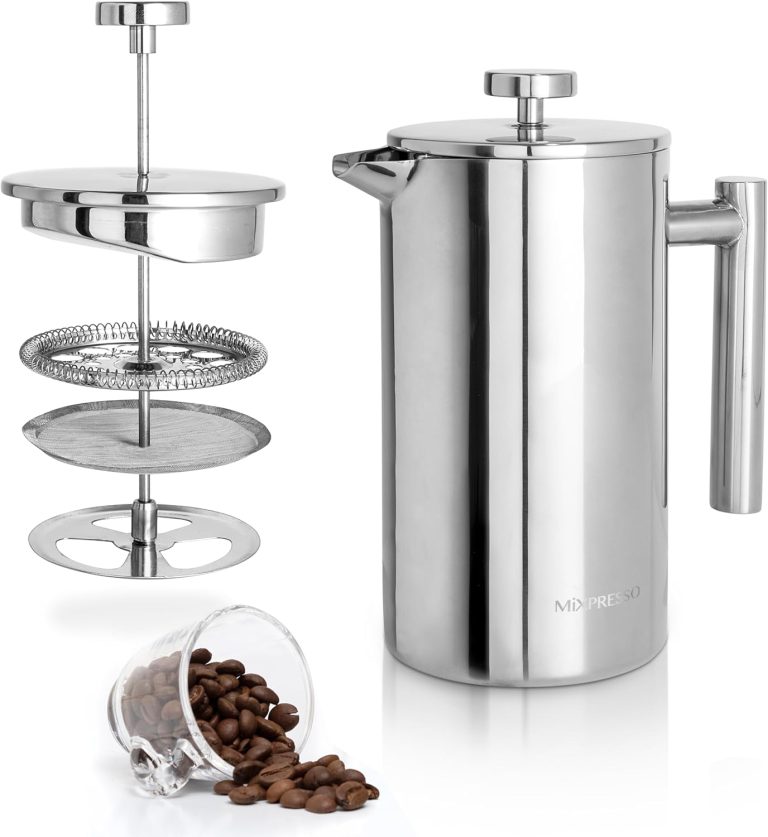
A French press is a manual coffee maker with a carafe, a plunger, and a metal filter. You add coffee and hot water, wait a few minutes, then press the filter down and pour.
It does not use paper filters or electricity. That simple setup is a big part of its appeal.
The simple answer in plain terms
The French press is a steep-and-press brewer. Coffee grounds soak in hot water, much like tea leaves in a pot.
That contact time gives the drink a strong taste and a fuller feel in the cup. If you like coffee with more body, this style often fits well.
How a French press works step by step
Use a coarse grind so the filter can work well.
Let the coffee steep for a few minutes.
Move slowly and stop when you reach the bottom.
Serve right away for the best taste.
The metal filter lets more coffee oils and tiny particles into the cup. That is one reason French press coffee tastes richer than filtered drip coffee.
Why this brewing style stays popular in 2026
The French press still works well for home cooks who want a simple routine. It does not need pods, paper filters, or a fancy machine.
It also suits small kitchens. You can store one in a cabinet, and many models take up little counter space.
French press coffee often tastes fuller because the metal filter lets more natural oils through.
What Are the Benefits of a French Press Coffee Maker?
The biggest benefits are flavor, control, low cost, and less waste. For many people, that mix is hard to beat.
- Rich flavor with a fuller, heavier body
- Easy control over strength and steep time
- No paper filters, so there is less daily waste
- Simple design that often costs less than electric brewers
Rich flavor and fuller body
A French press makes coffee that feels bold and smooth. Since the metal filter does not trap oils the way paper does, the cup often tastes deeper.
This is a great match for dark roasts and medium roasts. It can also bring out sweet, earthy notes in the beans.
In short: if you want coffee that feels more like a full drink than a light filter brew, a French press delivers that style well.
More control over brew strength
You can change the coffee strength by adjusting grind size, steep time, and coffee amount. That makes the French press flexible for different tastes.
Want a stronger cup on a slow morning? Use a little more coffee or let it steep a bit longer. Want it lighter? Pull back on one of those choices.
Change one brewing factor at a time. That makes it easier to find your best taste.
No paper filters and less waste
French press brewing usually skips paper filters. That means one less item to buy and throw away.
It also keeps the process simple. You rinse the grounds out, wash the parts, and you’re done.
Some stainless steel models use fine mesh filters. Others may include extra filter layers. Details vary by model.
Low cost and easy to use
A French press is often a budget-friendly choice. It has fewer parts than many electric coffee makers.
It’s also easy for beginners. If you can boil water and wait a few minutes, you can make French press coffee.
That said, easy does not mean careless. Small changes in grind, water heat, and timing can still affect taste a lot.
How a French Press Compares With Other Coffee Makers
The best coffee maker depends on how you like your coffee and how much work you want to do. A French press stands out for flavor and control, but it is not the fastest option.
French Press vs Other Coffee Makers
The main difference is simple. A French press leans toward bold flavor and hands-on brewing.
French press vs drip coffee makers
Drip coffee makers are easy and familiar. They often make a cleaner cup and can brew larger batches with less effort.
A French press gives more body and a richer feel. Drip machines usually win on convenience and batch size.
Manual, bold, and full-bodied
Best for people who like more control and a richer cup.
VS
Simple, steady, and familiar
Best for larger batches and low-effort brewing.
French press vs pour-over brewers
Pour-over brewers can make a cleaner and brighter cup. They often highlight light roast flavors very well.
A French press is easier for many beginners. Pour-over usually asks for more steady pouring and more attention.
French press vs espresso machines
Espresso machines make a concentrated shot with pressure. They can be powerful, but they usually cost more and need more upkeep.
A French press does not make espresso. Still, it gives a rich cup without the cost or complexity of an espresso setup.
Who each option suits best
You want rich coffee and a simple routine
A French press fits flavor lovers, students, and small households.
You want speed or large batches
Drip makers and some automatic brewers can save time on busy mornings.
What to Look for When Buying a French Press
Not all French presses feel the same in daily use. Material, size, filter quality, and heat control all matter.
- Check capacity and footprint
- Look at filter and plunger design
- Review cleaning needs and parts quality
- Read the manual and warranty details
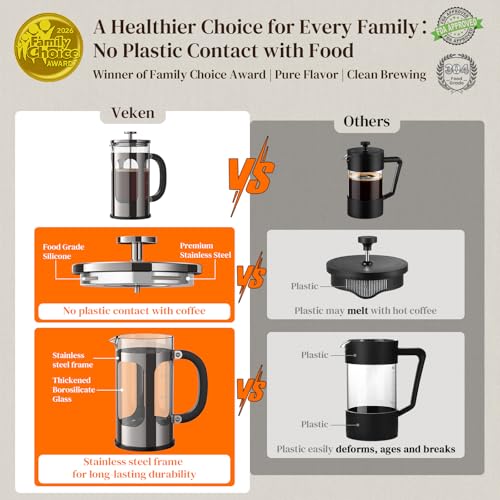
Material choices like glass, stainless steel, and plastic
Glass models let you see the brew, and many people like that classic look. They can also be more fragile.
Stainless steel often holds heat better and may feel more durable. Plastic models can be lighter and less breakable, but build quality varies a lot.
Size options for one person or a group
Choose a size that fits your real routine. A small press works well for one or two cups.
Larger models suit couples, families, or guests. Just remember that bigger presses can take more storage space and more coffee grounds.
Best for one person, small kitchens, and easy storage.
Best for shared breakfasts and multiple cups at once.
Filter quality and plunger design
A good filter helps keep grit out of the cup. The plunger should move smoothly without feeling loose or shaky.
Some models have extra mesh layers or tighter seals. Those details can improve cup quality, but they vary by brand.
Pick a press with a solid plunger and a size you’ll actually use.
Heat retention and build quality
Heat retention affects how long your coffee stays hot. Stainless steel often helps here more than thin glass.
Build quality matters too. A sturdy handle, a snug lid, and a stable base can make daily use much easier.
How to Brew Better Coffee With a French Press
You do not need advanced skills to get better results. A few simple habits can improve taste right away.
Coarse coffee grounds
Hot water
Timer
Spoon or stirrer
Best coffee grind size
Use a coarse grind. Fine grounds can slip through the filter and make the cup muddy or bitter.
If your coffee tastes harsh or gritty, grind size is one of the first things to check.
Water temperature and brew time
Hot water works best, but boiling water can taste too sharp. Many home brewers let water rest briefly after boiling.
Brew time also matters. If coffee steeps too long, it can turn bitter. If it steeps too short, it may taste weak.
- Start with a moderate steep time, then adjust to taste.
- Use water that is hot, not violently boiling.
- Preheat the press if your model loses heat fast.
Coffee-to-water ratio for good results
The right ratio depends on the beans and your taste. A common starting point is a balanced ratio that is easy to adjust.
Too much coffee can taste heavy and bitter. Too little can taste thin and flat.
Simple brewing steps for beginners
Use coarse coffee and place it in the carafe.
Pour evenly so all the grounds get wet.
Stir lightly if needed, then let it sit.
Press slowly and serve right away.
Common French Press Mistakes and How to Avoid Them
Most bad French press coffee comes from a few easy-to-fix mistakes. The good news is that the fixes are simple.
Using the wrong grind size
Fine grind is one of the most common errors. It can clog the filter and make the cup cloudy.
Use a coarse grind instead. That gives you cleaner pouring and better texture.
The coffee tastes muddy or feels gritty.
Switch to a coarser grind and check the filter for wear.
Letting coffee steep too long
Long steeping can pull out bitter flavors. This is especially true if the coffee sits in the press after brewing.
Try serving it soon after pressing. If needed, pour the coffee into another container to slow over-extraction.
Pressing too hard or too fast
You do not need force. A slow press works better and keeps the filter more stable.
If the plunger feels stuck, stop and check the grind size or the amount of grounds.
Skipping cleanup between uses
Old grounds and oils can affect the next brew. They can also make the press harder to clean later.
Rinse and wash the parts after each use. That small habit helps keep taste fresh.
Cleaning, Safety, and Long-Term Care
A French press is easy to maintain, but it still needs regular cleaning. Good care helps it last longer and taste better.
Empty the grounds, rinse the parts, and wash with warm soapy water.
Check the filter, plunger, and seals for wear or buildup.
How to clean the carafe, plunger, and filter
Take the press apart if the manual says it is safe to do so. Clean each part carefully so oils and fine grounds do not build up.
Some parts may be dishwasher safe, but that depends on the model. Always check the manufacturer instructions first.
Safety tips for hot water and glass parts
Use caution with hot water and hot glass. A sudden change in temperature can stress some glass carafes.
Also, set the press on a stable surface before you pour. A wobbly counter can lead to spills and burns.
Follow the manual for heat limits, dishwasher use, and safe handling. Stop using any press with cracked glass, bent parts, or a loose plunger.
How to keep the press working well over time
Wash it often, dry it well, and replace worn parts when needed. That helps protect both flavor and safety.
If the filter starts letting through too much grit, it may need cleaning or replacement. Check the brand’s parts guide before buying replacements.
Follow the appliance manual and stop using damaged equipment.
Is a French Press Coffee Maker Worth It?
For many coffee drinkers, yes. A French press is worth it if you want strong flavor, simple use, and low waste.
Best for flavor lovers and budget buyers
If taste matters most, the French press gives you a lot for the money. It can make a rich cup without a complex setup.
It also works well for buyers who want a low-cost brewer and do not mind a little hands-on effort.
Limits to know before you buy
A French press is not ideal for everyone. It takes more cleanup than some automatic machines, and it does not make espresso.
It can also make a heavier cup than some people want. If you prefer a very clean, light brew, drip or pour-over may suit you better.
Final recommendation from the Red Kitchen Project Editorial Team
The French press is a smart choice for home cooks who want bold coffee, simple parts, and good value. It shines when you care more about taste and control than speed.
If you want the easiest possible routine or large automatic batches, a drip machine may fit better. But for many kitchens, the French press remains one of the best all-around coffee tools.
Choose a French press if you want rich coffee, low waste, and simple brewing. Just be ready for manual cleanup and a fuller, less filtered cup.
- French press coffee tastes bold and full-bodied.
- It gives you strong control over brew strength.
- It usually costs less and creates less waste.
- It works best with coarse grounds and careful cleanup.
Frequently Asked Questions
French press coffee tastes fuller because the metal filter lets more oils and fine particles into the cup. That gives it a richer body than many paper-filtered brews.
Use a coarse grind. Fine grounds can slip through the filter and make the coffee muddy or bitter.
Steep time varies by bean and taste, but too long can make coffee bitter. A moderate steep is a good starting point, then adjust from there.
Empty the grounds, rinse the parts, and wash with warm soapy water after use. Check the manual to see whether your model is dishwasher safe.
A French press is better for bold flavor and more control. A drip coffee maker is usually better for convenience and larger batches.
Check the size, material, filter quality, heat retention, and cleaning needs. It also helps to review the warranty and the manufacturer’s care instructions.