French Press Coffee Maker Mistakes Beginners Make and Fix

Most French press mistakes come from water that is too hot, the wrong grind, and weak timing. Fix those basics, and your coffee will taste smoother and more balanced.
Most beginners make the same French press mistakes. The good news is that each one is easy to fix once you know what to watch for.
- Heat: Use hot water below a full boil for a cleaner cup.
- Grind: Choose coarse grounds to avoid grit and bitterness.
- Ratio: Measure coffee and water for repeatable results.
- Time: Steep for a few minutes, then press slowly.
- Care: Clean the filter and jar after each brew.
What a French Press Does and Why Beginners Love It
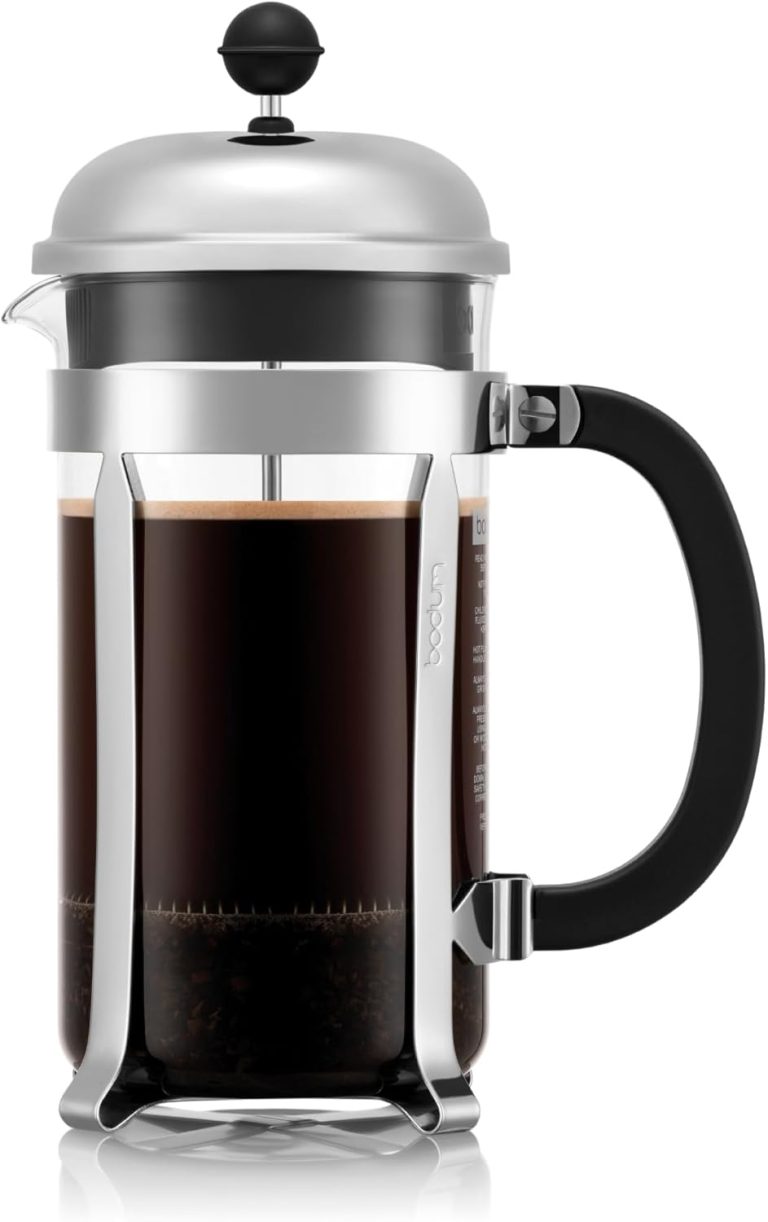
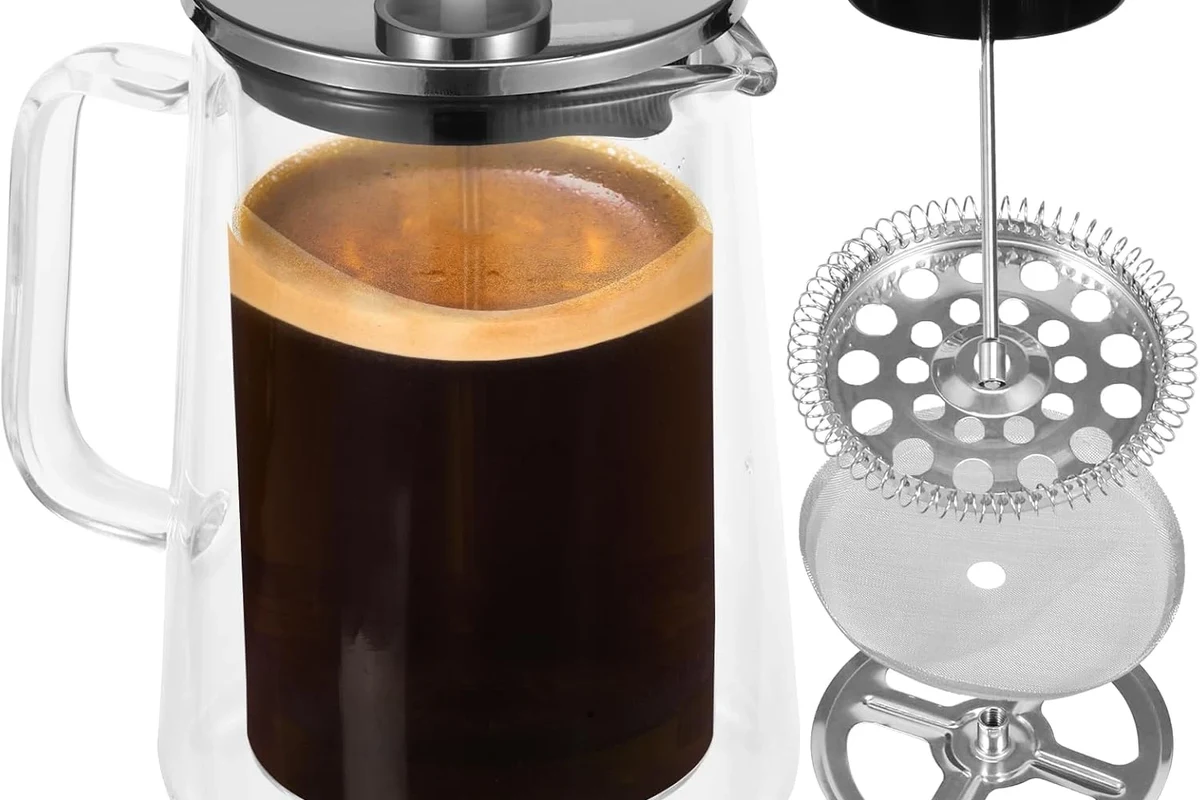
A French press is a simple coffee maker with a jar, a plunger, and a mesh filter. You add coffee and hot water, wait a few minutes, then press the grounds down.
That’s it. No paper filter. No brew basket. No fancy controls.
How the French press works in simple terms
The coffee soaks in hot water, which pulls flavor from the grounds. Then the mesh filter holds back most of the grounds when you press.
Because the grounds stay in the water during brewing, the cup often tastes fuller and richer than drip coffee.
What makes this brew style different from drip coffee
Drip coffee uses paper or metal filters and lets water pass through the grounds. A French press steeps the coffee first, then separates it at the end.
That difference changes the taste, body, and cleanup. It also changes the mistakes people make.
Why beginners often choose a French press first
Many beginners like the French press because it feels easy. You don’t need a special machine or a long setup.
It also gives fast results. If you like hands-on brewing, it’s a friendly place to start.
Keep your first few brews simple. One coffee, one grind size, one ratio, and one steep time make learning much easier.
The Biggest French Press Coffee Maker Mistakes Beginners Make
These are the most common French press coffee maker mistakes beginners make. Most of them come from heat, grind size, or timing.
Using water that is too hot
Boiling water can burn coffee grounds. That often makes the cup taste bitter, sharp, or harsh.
Many beginners pour water straight from a full boil. That’s one of the fastest ways to ruin a good bean.
Grinding coffee too fine or too coarse
French press coffee needs a coarse grind. If the grind is too fine, the cup can turn muddy and bitter.
If the grind is too coarse, the coffee may taste weak and thin. It can also feel under-extracted.
Guessing the coffee to water ratio
Eyeballing the ratio often leads to weak or overly strong coffee. A little too much water can flatten the flavor.
Too much coffee can make the brew heavy and harsh. Beginners usually do better with a repeatable ratio.
Steeping for too long or too short
Short steep times can leave the coffee sour or thin. Long steep times can make it bitter and woody.
Timing matters more than many people think. Even a small change can shift the whole cup.
Pressing too hard and stirring up grit
The plunger should move slowly and with steady pressure. If you force it, you stir up fine sediment.
That grit ends up in the cup. It can also make the last sip unpleasant.
Skipping the bloom and proper timing
Fresh coffee releases gas when it first meets water. This is called the bloom.
Skipping that short pause can make the brew less even. The coffee may taste flat or less balanced.
Not every bean behaves the same. Roast level, freshness, and grind style can all change the final taste.
How to Fix Each Mistake for Better Coffee
The fixes are simple. You do not need special gear to get a much better cup.
The right water temperature for a clean cup
Use hot water that is below a full boil. Many home brewers aim for just off the boil.
That helps keep the coffee smooth. It also lowers the chance of a bitter cup.
Best grind size for French press brewing
Choose a coarse grind, like rough breadcrumbs. It should not look like table salt or powder.
If your coffee tastes muddy, grind it a bit coarser. If it tastes weak, go slightly finer.
Easy ratio guide for strong or mild coffee
Start with a simple ratio and keep it steady. A common home-brew approach is about one part coffee to 15 to 17 parts water.
For a stronger cup, use a little more coffee. For a lighter cup, use a little less.
- Use a kitchen scale if you want repeatable results.
- Write down your best ratio for next time.
- Change only one thing at a time.
Steep times that work for most home brews
Most French press brews do well with a few minutes of steeping. That gives the grounds enough time to release flavor.
If the cup tastes weak, add a little time. If it tastes bitter, shorten the steep a bit.
How to press slowly without over extracting
Press the plunger gently and keep it steady. Do not slam it down.
Stop if you feel strong resistance. That can mean the grind is too fine, or the filter is clogged.
- Pour water evenly over the grounds.
- Stir lightly if your method calls for it.
- Press slowly and pour right away.
- Using boiling water straight from the kettle.
- Grinding too fine for a mesh filter.
- Letting the coffee sit after pressing.
French Press Coffee Maker Basics You Should Check Before Brewing
Before you brew, check the press itself. A good setup makes the whole process easier.
Jar size and serving capacity
French presses come in different sizes. The right one depends on how many cups you want at once.
A small press works well for one person. A larger one fits families or guests better.
Filter design and lid fit
The mesh filter should fit snugly and move smoothly. A loose fit can let more grit through.
The lid should also sit well on the jar. A poor fit can make pouring messy.
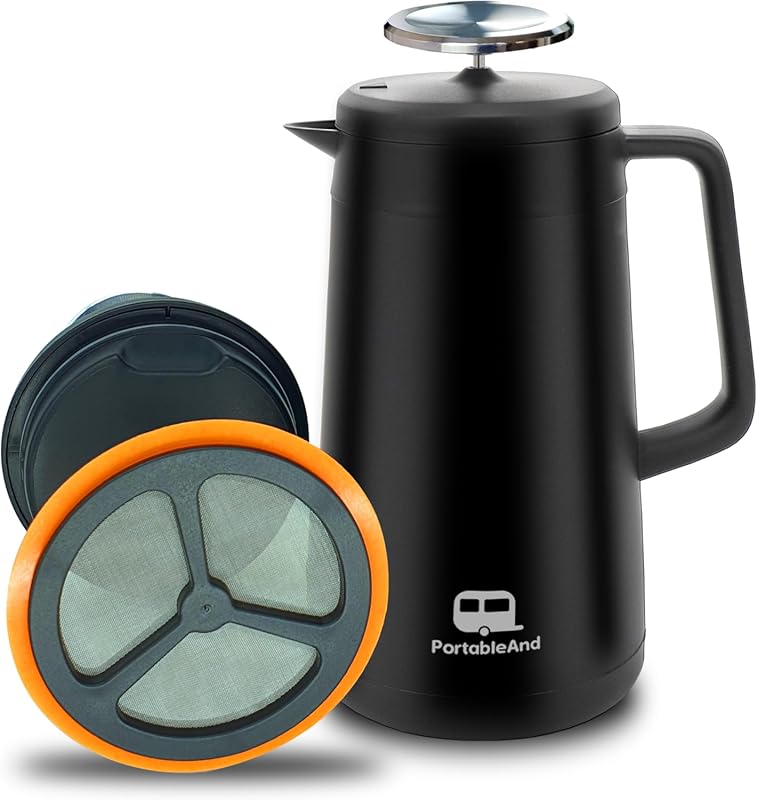
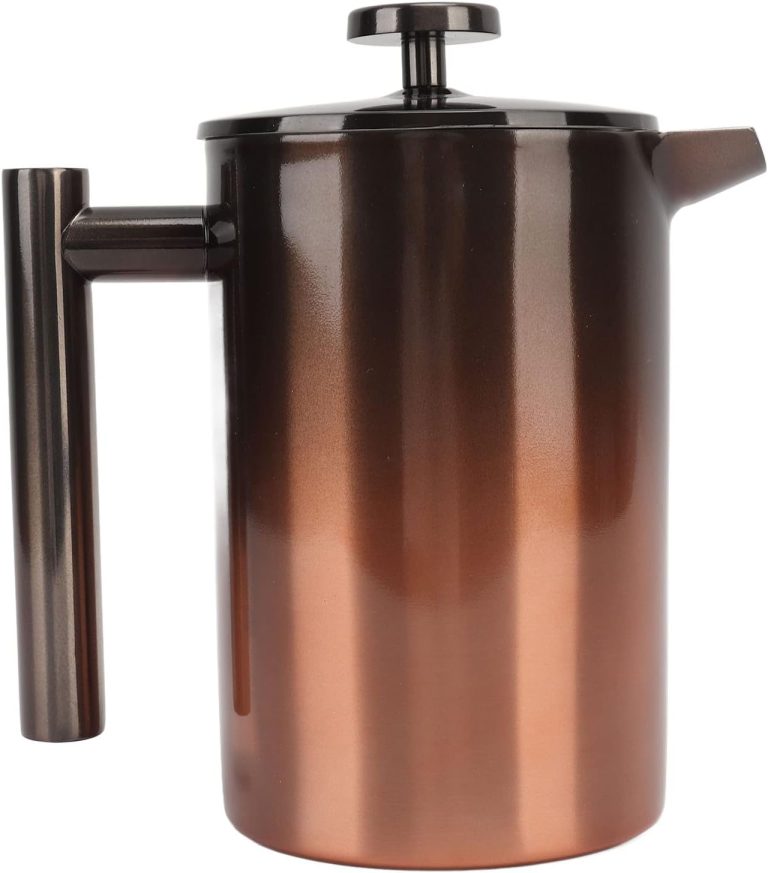
Glass, stainless steel, and travel models
Glass models let you see the brew. They can feel classic, but they need careful handling.
Stainless steel usually gives better durability. Travel models may help if you want coffee on the go.
What features matter most for beginners
Focus on simple parts, easy cleaning, and a stable base. Those matter more than fancy extras.
Some add-ons look useful but do little for taste. Simple often wins here.
Safety, Cleaning, and Daily Maintenance Tips
French presses are simple, but they still need care. Heat, glass, and wet grounds can cause problems if you rush.
How to avoid glass breaks and burns
Set the press on a dry, stable counter. Keep it away from the edge while brewing and pouring.
Use caution with hot water and hot glass. If the jar is cracked, stop using it.
Follow the appliance manual and stop using damaged equipment.
How to clean the mesh filter well
Rinse the filter soon after brewing. Coffee oils and fine grounds build up fast.
If the filter clogs, soak it and rinse again. A soft brush can help remove stuck grounds.
How often to deep clean each part
Wash the jar, plunger, and filter after each use. That keeps flavors clean and cuts old buildup.
Do a deeper clean when you notice stains, odor, or slow drainage. The exact schedule depends on use.
Signs your press needs replacement parts
Watch for bent mesh, a loose plunger, or a cracked jar. Those are signs the press may no longer work well.
If the lid no longer fits right, check for replacement parts. If parts are hard to find, a new press may be the better choice.
Flavor Results, Limits, and When French Press Is the Wrong Choice
A French press can make a rich, full cup. Still, it is not the best brewer for every person.
What kind of coffee flavor to expect
Expect a heavier body and more coffee oils in the cup. That can make the brew feel smooth and bold.
If you like bright, crisp coffee, this style may feel too heavy.
Common limits like sediment and cleanup
French press coffee often has some sediment. That is normal with a mesh filter.
Cleanup also takes more effort than drip coffee. You must empty and rinse the grounds after brewing.
When drip, pour over, or espresso may be better
Choose drip if you want easy cleanup and a cleaner cup. Choose pour over if you like a lighter, brighter taste.
Choose espresso if you want a strong, concentrated shot and have the right machine.
Best Value Advice for Buying a French Press in 2026
If you are buying your first press, value matters more than flashy extras. A simple, well-made model is often enough.
What a beginner should spend
Beginners usually do best with a modest spend level. You want decent build quality, not a luxury showpiece.
Exact prices vary a lot by brand and retailer. Focus on value instead of chasing the lowest tag.
Which features are worth paying for
Pay for sturdy materials, a good filter, and easy cleaning. Those features improve the daily experience.
A secure lid and stable handle also help. They make brewing safer and less messy.
Budget picks versus premium builds
Budget presses can work well if the filter and fit are decent. They are a good choice for casual use.
Premium builds may last longer and feel nicer in hand. They make sense if you brew often.
How to avoid wasting money on gimmicks
Skip extras that do not improve taste or ease of use. A timer, color trim, or odd add-on may not help much.
Read the manual and product details before you buy. That helps you avoid weak lids, poor filters, and hard-to-clean designs.
- Check capacity and footprint.
- Look for a snug filter and lid.
- Confirm cleaning steps and replacement parts.
- Review warranty terms and safety guidance.
Final Recommendation: The Easiest Way to Brew Better French Press Coffee
The easiest fix is to keep your process simple and repeatable. Use the right grind, the right water temp, and a steady steep time.
Simple beginner checklist before your next brew
Use coarse grounds. Heat water just off the boil. Measure your coffee and water.
Let the coffee steep for a few minutes. Press slowly. Pour right away.
Who should keep using a French press and who should not
Keep using a French press if you like rich coffee and simple gear. It’s a great fit for hands-on home brewing.
You may want another brewer if you hate sediment or want very fast cleanup. In that case, drip or pour over may suit you better.
Clear closing verdict for Red Kitchen Project readers
The biggest French press coffee maker mistakes beginners make are easy to fix. Once you control heat, grind, ratio, and time, the cup improves fast.
For most readers, a simple press with a good filter is the best place to start.
- Use coarse coffee and hot, not boiling, water.
- Measure your ratio and keep your steep time steady.
- Press gently to reduce grit and bitterness.
- Clean the filter and jar after each brew.
Frequently Asked Questions
Use a coarse grind that looks rough, not powdery. If the cup tastes muddy, go a bit coarser.
Use hot water that is below a full boil. Water that is too hot can make the coffee taste bitter.
Start with a simple, repeatable ratio and adjust from there. A common range is about one part coffee to 15 to 17 parts water.
Most home brews do well with a few minutes of steeping. Shorter times can taste weak, while longer times can taste bitter.
A French press uses a mesh filter, so some fine grounds can pass through. That light sediment is normal for this brewing style.
Empty the grounds, rinse the parts, and wash the jar and filter after each use. Deep clean sooner if you notice oil buildup, odor, or slow drainage.