How Long Is Dry Pasta Good for After Expiration Date

Dry pasta is often still good after its expiration date if it stayed dry, sealed, and pest-free. Check the smell, look, and texture before cooking, and toss it if anything seems off.
Dry pasta is often still good for a long time after its expiration date. If it has stayed dry, sealed, and free of pests, it can usually be safe well past the printed date. The real test is not the date alone. It’s the pasta’s smell, look, and storage history.
- Date meaning: It often shows quality, not a hard safety cutoff.
- Best storage: Keep pasta cool, dry, and sealed from pests.
- Safety check: Toss pasta with mold, bugs, dampness, or bad smells.
- Type matters: Plain durum pasta usually lasts longer than specialty types.
How Long Dry Pasta Stays Good After the Expiration Date
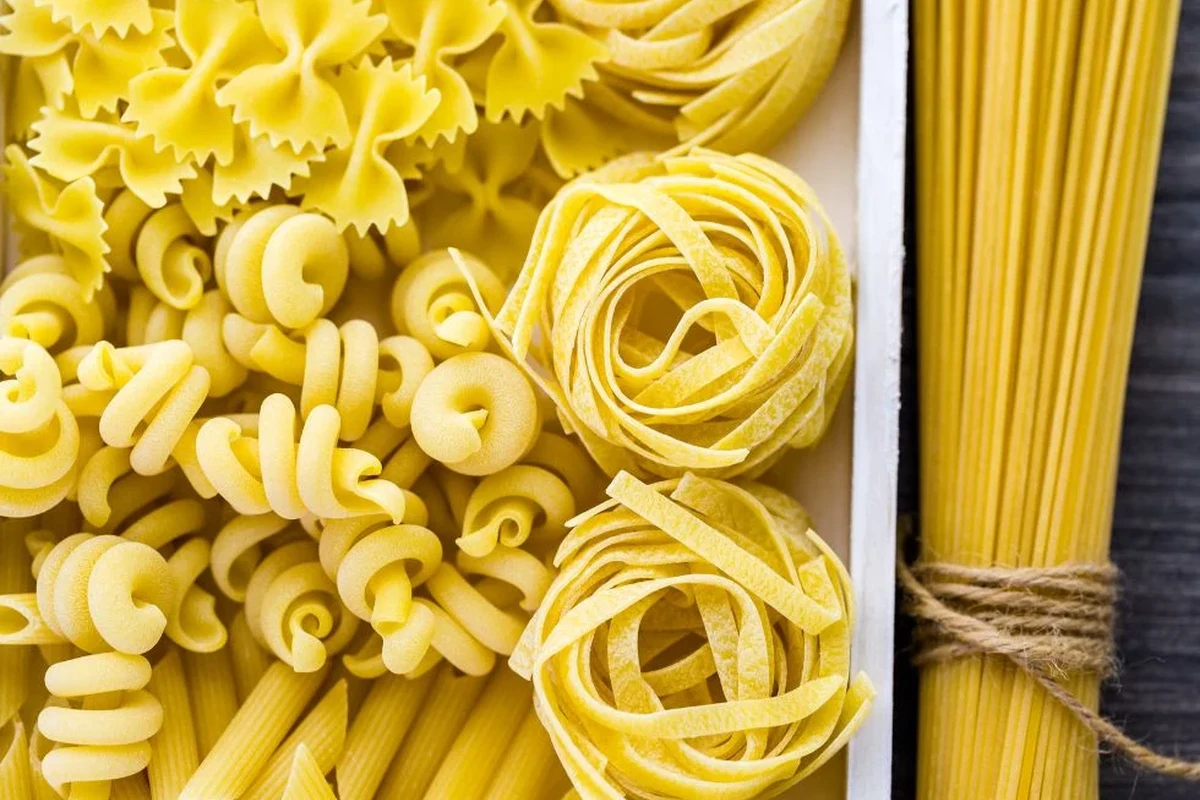
Most dry pasta keeps its best quality for months, and often years, after the date on the package. The exact answer depends on how it was stored and what kind of pasta it is.
The short answer for most dry pasta
For unopened dry pasta, the date on the box is usually about quality, not safety. Many pantry-stored boxes stay fine for a long time after that date.
If the pasta looks normal and smells neutral, it may still cook up well. However, the texture can get weaker over time, and the taste may fade a little.
What expiration dates on pasta really mean
Many pasta packages use a best-by or best-before date. That date tells you when the pasta should taste best.
It does not always mean the pasta becomes unsafe right after that day. In short, the date is a guide, not a hard stop.
Exact date wording can vary by brand and region. Check the package language, since some labels mean quality only.
When dry pasta is still safe to eat
Dry pasta is usually still safe if it stayed dry and clean. It should have no mold, no bugs, and no odd smell.
Think of it like flour or rice in the pantry. If moisture never got in, the food often lasts far beyond the date.
Dry pasta lasts so long because it has very little moisture. Low moisture slows spoilage.
What Affects Dry Pasta Shelf Life
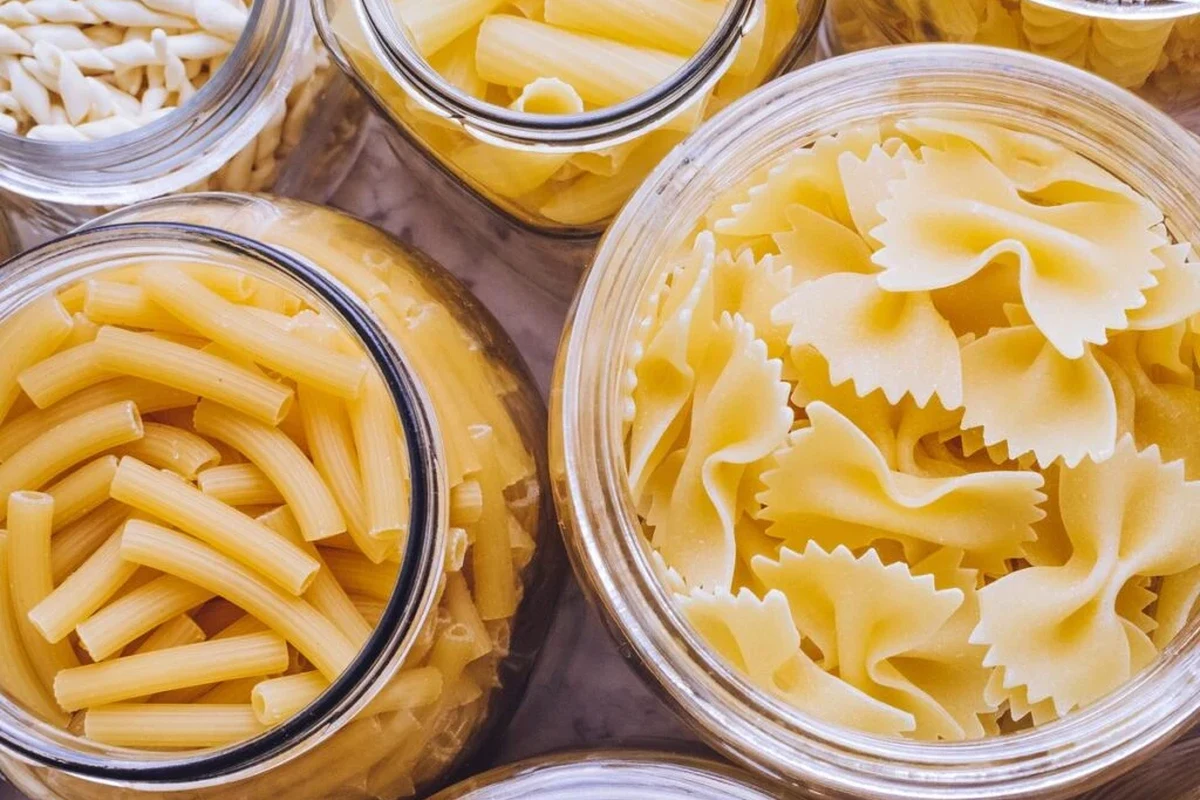
Several simple things control how long pasta stays good. Packaging, storage, and ingredients all matter.
Packaging type and seal quality
Unopened pasta in a tight box or sealed bag usually lasts longer than pasta in a torn package. Once the seal breaks, air and moisture can get in more easily.
If the package was damaged in the store or pantry, check it carefully before cooking.
Storage conditions like heat, light, and moisture
A cool, dry pantry helps pasta keep its quality. Heat can speed up staling, and moisture can lead to mold or clumping.
Sunlight can also hurt quality over time. A dark cabinet is a better home than a shelf near the stove.
Throw pasta away if it got wet, even a little. Moisture can lead to spoilage or pests.
Ingredients that change how long pasta lasts
Plain durum wheat pasta usually lasts the longest. Whole wheat and specialty pastas often go stale sooner because they contain more natural oils or extra ingredients.
Gluten-free pasta can also vary a lot by recipe. Always read the package and use your senses before cooking.
How to Check Dry Pasta Before You Cook It
A quick check can save you from a bad dinner. It only takes a minute.
Look for bugs, mold, and strange smells
Open the package and look closely. You want to see clean, dry pasta with no webbing, holes, or tiny insects.
Smell it too. Dry pasta should smell plain or slightly grainy, not musty or sour.
You see bugs, webbing, or fuzzy spots.
Do not cook it. Seal it in a bag and throw it out right away.
Check for color changes and broken texture
Some color change can happen with age, especially in whole wheat pasta. But heavy discoloration, dark spots, or a dusty film can be a bad sign.
Also check the texture. If the pasta feels soft, sticky, or damp, do not use it.
Know when to toss it right away
Throw it out if you see mold, bugs, or moisture damage. Also toss it if the package smells off in any way.
When in doubt, don’t risk it. Pasta is cheap, but food poisoning and pantry pests are not worth it.
Follow the package and food-safety guidance. Stop using pasta that shows clear spoilage or pest damage.
Dry Pasta Storage Tips for Best Quality
Good storage can stretch pasta life by a lot. It also keeps the texture better for cooking.
Keep it in a cool, dry pantry
Store pasta away from the stove, sink, and dishwasher. Those spots tend to collect heat and steam.
A simple pantry shelf works well. The goal is stable, dry air.
Use airtight containers after opening
Once you open the package, move leftovers to a sealed container if you can. This helps block moisture and pests.
Clear containers also help you see what you have. That makes it easier to use older pasta first.
Keep pasta in a container with a tight lid and a dry scoop. That small habit can prevent a lot of pantry trouble.
Label old pasta so you use it first
Write the opening date on the container. You can also add the best-by date if it’s still visible.
This helps you rotate stock. It’s a simple way to avoid forgotten boxes at the back of the shelf.
Common Mistakes People Make With Old Pasta
Most pasta mistakes are easy to avoid. The big issue is treating every date like a safety deadline.
Confusing best-by dates with safety dates
Many people throw pasta away too early because of the printed date. That can waste food for no good reason.
Best-by dates usually point to peak quality. They do not always mean the food turns unsafe that day.
Storing pasta near heat or humidity
Heat and steam are rough on dry foods. A cabinet above the stove often ages pasta faster than a cool pantry shelf.
If your kitchen gets humid, use airtight storage sooner rather than later.
Cooking pasta that shows clear spoilage signs
Some people think boiling will fix everything. It won’t.
If pasta smells bad, has mold, or shows pests, toss it before it reaches the pot.
How Different Types of Dry Pasta Compare
Not all dry pasta ages the same way. The base ingredients change how long it stays at its best.
Regular durum wheat pasta
This is the most stable type for long storage. It usually holds up well in a sealed package and a dry pantry.
If you want the safest bet for long shelf life, this is often it.
Whole wheat pasta
Whole wheat pasta can go stale faster because it contains more natural oils. Those oils can slowly lose freshness over time.
It’s still often safe after the date, but quality may drop sooner than with plain pasta.
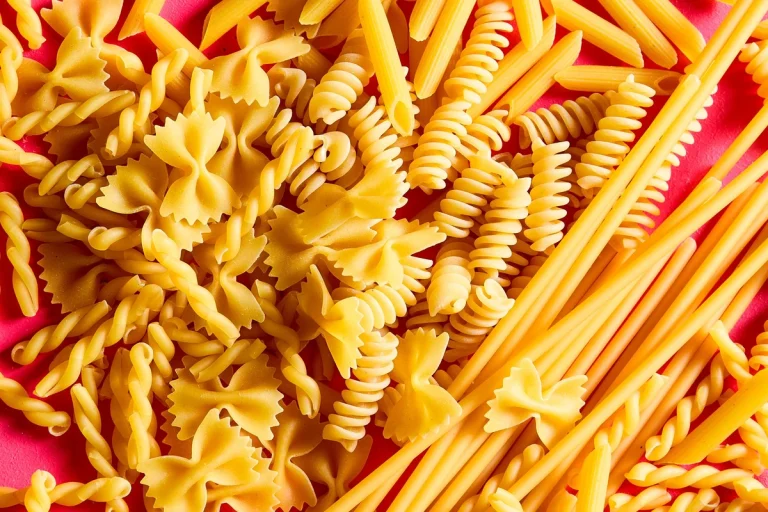
Gluten-free and specialty pasta
Gluten-free pasta varies a lot. Some versions use rice, corn, lentils, chickpeas, or other ingredients.
These pastas may break more easily or change texture faster. Always check the package and use common sense.
The main difference is shelf stability. Regular durum pasta usually lasts longer, while specialty types need more care.
| Option | Best For | Key Consideration |
|---|---|---|
| Regular durum pasta | Long pantry storage | Usually most stable after the date |
| Whole wheat pasta | Nutty flavor and fiber | Can lose freshness sooner |
| Gluten-free pasta | Special diets | Texture and shelf life vary more |
When Old Dry Pasta Is Worth Using and When It Is Not
Old pasta can still be a good pantry save. The trick is knowing when it still has value.
Best uses for pasta past its date
Pasta past its date is often fine for soups, baked dishes, and saucy meals. Those recipes hide small texture changes well.
If the pasta is still clean and dry, it can be a smart use for weeknight cooking.
Times when replacement is the better choice
Replace it if the package was wet, damaged, or infested. Also replace it if the pasta smells stale in a bad way.
If you’re making a special meal, fresh pasta may give you better texture and taste.
Plain dry durum pasta for pantry storage
For most home cooks, plain dry durum pasta offers the best mix of long shelf life and easy storage. It still needs a dry pantry and a clean package, though, and any sign of moisture or pests means it should be tossed.
Final recommendation for home cooks
So, how long is dry pasta good for after expiration date? In many homes, it stays good for a long time after the printed date, sometimes well beyond it.
Use the date as a rough guide, then trust your eyes, nose, and storage history. If the pasta is dry, clean, and pest-free, it’s usually worth keeping.
Most dry pasta is still safe after its expiration date if it stayed dry and sealed. Plain durum pasta is the most forgiving, while whole wheat and specialty pasta need closer checks.
Frequently Asked Questions
Usually, yes, if it stayed dry, sealed, and free of pests. The date is often about quality, not safety.
Look for bugs, mold, dampness, odd smells, and major color changes. If anything seems off, toss it.
Yes, unopened pasta usually stays good longer because the seal helps block moisture and pests. After opening, airtight storage helps protect it.
Regular durum wheat pasta usually lasts the longest. Whole wheat and specialty pasta can lose quality faster.
Maybe, but check it closely first. If moisture, insects, or mold got in, do not use it.
Keep it in a cool, dry pantry in a sealed container after opening. Label it so you use older pasta first.