How Many Calories in a Cup of Pasta with Sauce Explained

A cup of pasta with sauce usually has about 200 to 500 calories. Tomato sauce is lighter, while cream, pesto, meat, cheese, and oil raise the total.
If you’re wondering how many calories are in a cup of pasta with sauce, the short answer is this: it usually lands somewhere between 200 and 500 calories. The exact number depends on the pasta shape, the sauce, and any extras like cheese, oil, or meat.
That wide range can feel annoying, but it makes sense. A light tomato sauce on plain pasta is much lower in calories than a creamy Alfredo bowl with sausage and parmesan.
- Typical range: One cup often falls between 200 and 500 calories.
- Main driver: Sauce type changes the total more than pasta alone.
- Common trap: Dry pasta and cooked pasta are not the same amount.
- Hidden calories: Cheese, oil, butter, and meat add up quickly.
- Best method: Measure pasta, sauce, and toppings separately for accuracy.
How Many Calories in a Cup of Pasta with Sauce?
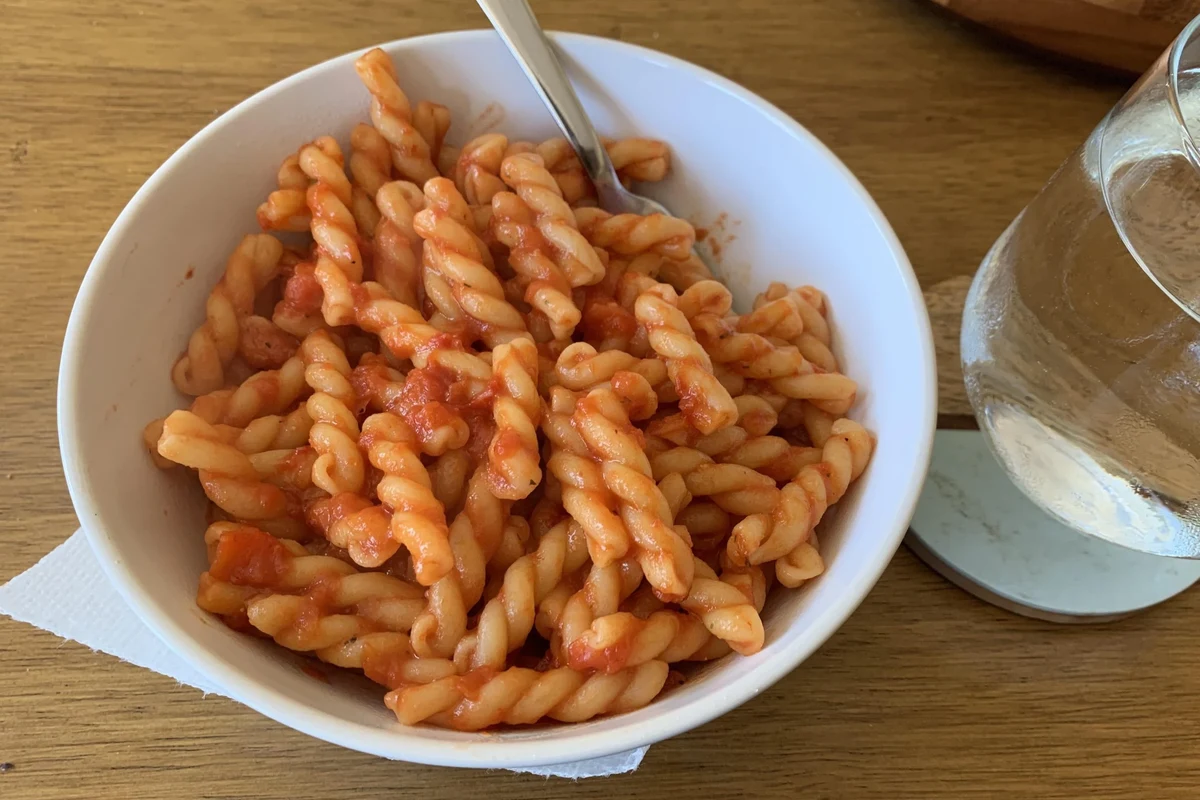
A plain cup of cooked pasta by itself often falls around 180 to 220 calories. Add sauce, and the total can change fast. A simple tomato sauce may add 30 to 80 calories, while cream or oil-based sauces can add much more.
So, for a basic home bowl, one cup of pasta with sauce often sits near 250 to 350 calories. Richer recipes can push that higher, especially when the serving includes cheese, meat, or extra oil.
Quick calorie answer for common pasta and sauce types
Here’s a simple way to think about it. The final number depends on what kind of sauce you use and how full the cup is.
| Common bowl | Rough calories per cup | What drives the number |
|---|---|---|
| Pasta with tomato sauce | 200 to 300 | Plain sauce, little oil |
| Pasta with cream sauce | 350 to 500 | Cream, butter, cheese |
| Pasta with meat sauce | 300 to 450 | Meat, oil, sauce thickness |
| Pasta with pesto or oil | 300 to 450 | Oil, nuts, cheese |
These are rough estimates, not exact lab numbers. A homemade recipe and a jarred sauce can differ quite a bit.
Why the number changes so much from bowl to bowl
One cup sounds like a fixed amount, but pasta meals are rarely that neat. Some cups are packed tight. Others are loose and airy.
Sauce changes the count even more. A spoonful of marinara adds much less than a thick cream sauce. If you pour in extra oil or top with a heavy layer of cheese, the calories rise fast.
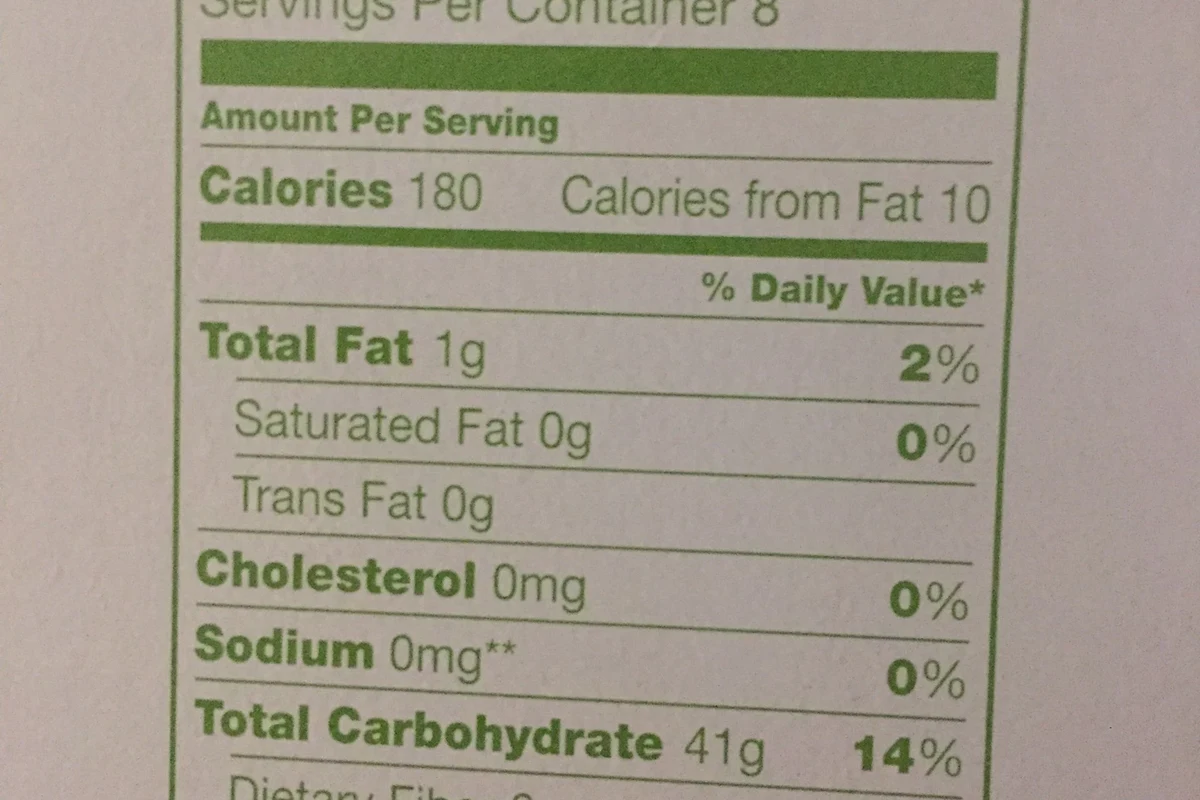
Nutrition labels can vary by brand, recipe, and serving size. For the most accurate count, check the package and measure your own portion.
What Counts as a Cup of Pasta with Sauce?
This is where many people get tripped up. A cup can mean cooked pasta only, or it can mean a full cup of the finished dish. Those are not the same thing.
If you scoop a cup of pasta after mixing in sauce, that cup includes both ingredients. It may also include more sauce in one bite and less in another. That makes the calorie count less exact.
Dry pasta vs cooked pasta portions
Dry pasta expands a lot when cooked. One cup of dry pasta is not the same as one cup of cooked pasta.
As a rule, dry pasta has far more calories by volume because it is dense. Cooked pasta holds water, so the same-looking cup contains fewer calories than dry pasta.
Do not use dry and cooked pasta amounts as if they are equal. That mistake can throw off your calorie count by a lot.
How sauce, oil, cheese, and meat change the total
Sauce is not just flavor. It can also be a big source of calories.
- Tomato sauce adds fewer calories than cream sauce.
- Oil adds calories fast, even in small amounts.
- Cheese adds fat and protein, which raises the total.
- Meat sauce can be much heavier than plain marinara.
That’s why two cups of pasta can look similar but land in very different calorie ranges. The mix matters as much as the pasta itself.
Calorie Breakdown by Pasta Type and Sauce Style
Different sauces change the math in different ways. Some are light and bright. Others are rich and dense.
Plain pasta with tomato sauce
This is usually the lightest common option. A cup of cooked pasta may bring about 180 to 220 calories, and tomato sauce can add another 30 to 80.
That puts a simple bowl around 210 to 300 calories. If the sauce has extra olive oil or sugar, the total can go up.
Pasta with cream sauce
Cream sauces are usually the highest in calories. They often use cream, butter, and cheese, which all add up fast.
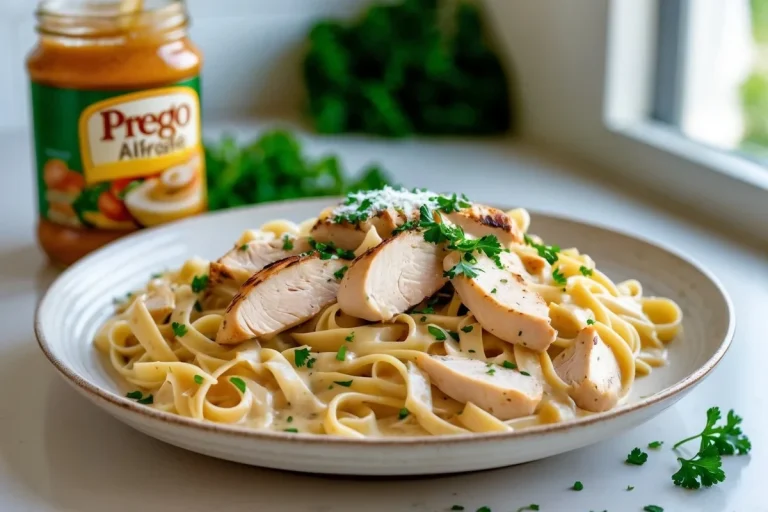
A cup of pasta with cream sauce can easily reach 350 to 500 calories. Alfredo-style dishes often sit near the top of that range.
Pasta with meat sauce
Meat sauce can vary a lot. A lean turkey sauce may stay moderate, while a beef sauce with oil and cheese can become much richer.
For one cup, a meat sauce pasta bowl often lands around 300 to 450 calories. The fat level in the meat makes a big difference.
Pasta with pesto or oil-based sauce
Pesto and oil-based sauces sound light, but they can be calorie dense. Oil, nuts, and cheese all carry a lot of energy in a small amount.
A cup of pasta with pesto or olive oil sauce often falls around 300 to 450 calories. A heavy pour of oil can push it even higher.
Oil has about 120 calories per tablespoon, so even a small drizzle adds up quickly.
How to Estimate Calories at Home
You do not need perfect math to get a useful estimate. You just need a steady method.
That helps a lot if you track meals for weight goals or simple portion control. It also keeps dinner planning less confusing.
Use measuring cups the right way
Scoop the pasta gently and level it off if you want a better estimate. Do not pack it down unless the recipe calls for that.
If you are measuring a mixed bowl, stir the pasta and sauce first. That gives you a more even sample.
Read labels for sauce and pasta values
Package labels can help, but serving sizes may be smaller than you expect. Check the calories per serving and the serving size in grams or cups.
If you make sauce at home, write down the main ingredients. That makes later estimates much easier.
Simple formula for building a rough calorie count
Here is a simple home method that works well enough for most people.
Use the calories for one cup of cooked pasta.
Use the label, recipe, or a rough sauce estimate.
Add cheese, meat, butter, oil, or pesto if used.
If you want a quick estimate, start with 200 calories for the pasta and add sauce from there. That usually gets you close enough for everyday tracking.
What Affects the Calorie Count Most?
Three things matter most: portion size, sauce type, and toppings. Once you understand those, pasta calories get much easier to read.
Portion size and pasta shape
Some pasta shapes pack more tightly into a cup than others. Small shapes like elbows or shells can fit more into the same cup.
Long pasta like spaghetti can be trickier to measure by volume. It may look like less, but it still adds up fast once cooked.
Sauce thickness and added fat
Thicker sauces usually carry more calories. That is especially true when they include cream, butter, or a lot of oil.
A thin marinara can stay fairly light. A thick, glossy sauce often means more fat and more calories.
Toppings like cheese, butter, and meat
Toppings can turn a simple bowl into a much bigger meal. Cheese is a common one people forget to count.
Even a small sprinkle adds calories. A full handful can change the total more than you might expect.
- Measure toppings once or twice to learn your usual amount.
- Use a lighter hand with oil and butter.
- Choose lean meat if you want a lower-calorie bowl.
Common Mistakes When Counting Pasta Calories
Most pasta calorie errors are simple. They come from mixing up portions or forgetting add-ons.
Confusing cooked and uncooked pasta amounts
This is the biggest mistake. Dry pasta and cooked pasta do not match cup for cup.
If you count dry pasta as cooked pasta, your estimate will be off. That can make a meal seem lighter than it really is.
Ignoring hidden calories in sauce and toppings
Some of the biggest calorie bumps hide in plain sight. Oil, cheese, and cream sauces are common examples.
Even a sauce that tastes “light” may still be rich. Always check what went into it.
Using restaurant portions as home portions
Restaurant pasta servings are often much larger than a home cup. They may also include more oil, butter, and cheese.
So if you copy a restaurant plate at home, your calories may rise fast. Home portions are usually easier to control.
When reheating pasta, follow safe food-handling rules. Refrigerate leftovers promptly and reheat them until steaming hot.
How to Lower Calories Without Losing Flavor
You do not have to give up pasta to eat lighter. A few smart swaps can keep the meal satisfying.
Choose lighter sauces and smaller portions
Tomato-based sauces are usually the easiest place to cut calories. They still bring good flavor and color.
You can also serve a smaller pasta portion and add more vegetables. That keeps the bowl full without piling on calories.
Add vegetables for volume and balance
Vegetables help pasta feel bigger. Mushrooms, spinach, zucchini, peppers, and broccoli all work well.
They add texture and color too. That makes a simple bowl feel more complete.
Use smart swaps for cheese, cream, and oil
Try a little less cheese first. You may not miss much if the sauce is well seasoned.
For creaminess, some cooks use a splash of pasta water, milk, or blended vegetables. For oil, measure instead of pouring freely.
Start with less sauce than you think you need. You can always add more, but you can’t take it back.
Final Recommendation for Tracking Pasta Calories
If you eat pasta casually, don’t stress over perfect numbers. Use a simple estimate and keep your portions steady.
If you track calories closely, measure the cooked pasta, weigh or label-check the sauce, and count toppings separately. That gives you the best chance of an accurate total.
Best approach for casual eaters
For everyday meals, a rough range works fine. Think in terms of 200 to 350 calories for a modest cup, then adjust for richer sauces.
That keeps things practical without making dinner feel like homework.
Best approach for accurate calorie tracking
If accuracy matters, measure each part of the dish. Track pasta, sauce, oil, cheese, and meat on their own.
That method takes a little more time, but it gives you the clearest answer. In short, the sauce decides a lot, and the toppings decide the rest.
- One cup of pasta with sauce often lands around 200 to 500 calories.
- Tomato sauce is usually lighter than cream, pesto, or oil-based sauces.
- Cheese, meat, butter, and extra oil can raise the total fast.
- For the best estimate, measure pasta, sauce, and toppings separately.
Frequently Asked Questions
A cup of pasta with sauce usually ranges from about 200 to 500 calories. The exact number depends on the pasta, the sauce, and any extras like cheese or meat.
Yes, tomato sauce is usually lower in calories than cream sauce. Cream sauces often include butter, cream, or cheese, which raise the total fast.
Measure the cooked pasta, then add the sauce and toppings separately. Reading the package label or recipe notes gives you a much better estimate.
Restaurant portions are often much larger than a home cup. They also tend to use more oil, butter, cheese, and rich sauces.
A simple tomato-based sauce is usually the lightest common choice. You can also use less oil and add vegetables for more volume.
The biggest mistake is mixing up dry and cooked pasta amounts. Many people also forget to count sauce, cheese, oil, and meat.