How to Assemble a French Press Coffee Maker Fast and Easy

Assemble a French press by stacking the filter parts correctly, attaching the lid, and testing the plunger for smooth movement. If it sticks or feels loose, rebuild the parts instead of forcing them.
If you want to know how to assemble a french press coffee maker, the good news is that it’s simple. Most models only need the filter stack, plunger, lid, and carafe put together in the right order.
Still, the order matters. A small mistake can make the plunger stick, let grounds slip through, or leave the lid loose.
Lay every part on the counter before you start. That makes it easier to spot missing seals or bent mesh.
In this guide, you’ll learn the parts, the right assembly order, and the most common mistakes to avoid. You’ll also see how the press works, how to clean it, and what to look for when buying one.
- Right order matters: Build the filter stack before attaching the lid.
- Check the fit: The plunger should move smoothly without scraping.
- Clean parts help: Rinse after use and deep clean the filter often.
- Watch for damage: Replace cracked glass, bent rods, or torn mesh.
How to Assemble a French Press Coffee Maker
A French press is one of the easiest coffee makers to put together. The main job is to build the filter stack in the right order and seat it in the lid.
Once you know the parts, the process takes only a minute or two. The key is to keep the mesh filter flat and the plunger aligned.
What each part does
The carafe holds the water and coffee grounds. It may be glass or steel, depending on the model.
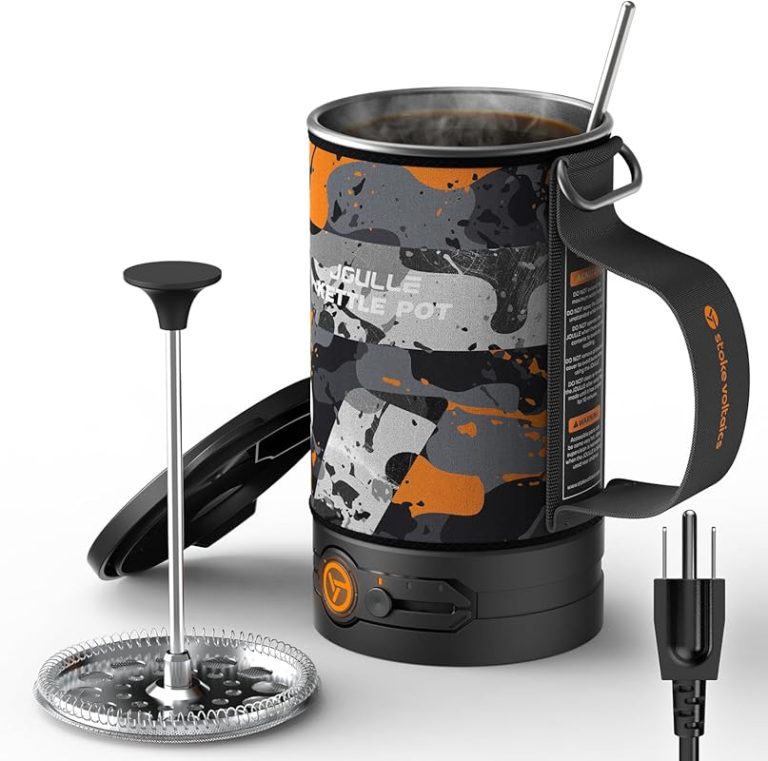
The plunger moves up and down through the lid. It pushes the filter down after steeping.
The mesh filter traps the grounds. Small seals help the filter fit snugly and reduce grit in the cup.
Fast setup in the right order
Start with the carafe on a flat, dry counter. Then place the filter stack on the plunger rod in the correct order.
After that, slide the lid onto the carafe and check the fit. The plunger should move without scraping or wobbling.
How the plunger and filter work
The plunger does not brew the coffee by force. It simply separates the grounds from the liquid after steeping.
The filter works by catching the larger particles. A good fit helps keep the cup smooth, but some fine sediment is normal.
Assembly details can vary by brand. Always check the manual if your French press came with extra rings, screens, or a different lid shape.
French Press Parts You Need Before You Start
Before you assemble anything, make sure you have every piece. Missing one small seal can affect the fit and the brew.
Glass or steel carafe
The carafe is the main chamber. Glass lets you see the brew, while steel often handles bumps better.
Choose the body that fits your kitchen habits. If you move coffee around often, steel may feel easier to manage.
Plunger, lid, and mesh filter
The plunger rod connects to the lid and filter. The mesh filter usually includes one or more screens and a support plate.
These parts must line up cleanly. If they sit crooked, the press may feel stiff or leak more grounds.
Base, handle, and small seals
Some presses have a base ring or a protective frame. The handle should feel solid and secure in your hand.
Small seals matter more than many people think. They help the filter sit tight and keep the motion smooth.
Step-by-Step Assembly Guide
Here’s the simple way to put a French press together. Work slowly the first time, then it gets easy.
Look for cracks, bent mesh, loose seals, or warped metal.
Place the screens and support pieces in the order shown by the manual.
Set the lid on the carafe and make sure it sits level.
Move it up and down gently to confirm smooth motion.
Check the parts for damage
Inspect the glass or steel body first. If you see chips, cracks, or dents, stop and replace the damaged part.
Then check the mesh and seals. Worn parts can let more grit through or make the press harder to use.
Stop using any French press with cracked glass, sharp edges, or a bent plunger rod.
Insert the filter stack the right way
Follow the order in your manual if your model uses multiple screens or rings. Many presses place the mesh screen between support pieces.
Keep the stack flat as you tighten or fit it. A tilted filter can scrape the glass or let grounds slip past.
Attach the lid and test the fit
Slide the lid onto the carafe with the plunger pulled up. It should rest evenly without forcing it down.
If the lid feels loose, check the seal and screen order again. Small parts often cause fit problems.
Make sure the plunger moves smoothly
Push the plunger down gently. It should move with light resistance, not a hard jam.
If it sticks, stop and recheck the filter stack. Never force it, because that can bend parts or crack glass.
How a French Press Coffee Maker Works
A French press uses steeping, not a paper filter, to make coffee. That gives it a fuller body and a richer feel.
Why steeping matters
Steeping lets hot water pull flavor from the grounds over time. The longer the coffee sits, the stronger it gets.
That’s why timing matters so much. Too short, and the coffee can taste thin. Too long, and it may turn bitter.
How pressure helps with brewing
The plunger adds a simple layer of control. It separates the grounds from the liquid after brewing.
It does not create espresso-style pressure. It just helps you pour a cleaner cup.
What makes French press coffee taste rich
French press coffee keeps more natural oils in the cup. Those oils can make the drink taste fuller and smoother.
Some fine sediment can still pass through. Many coffee fans like that texture, while others prefer a cleaner drip style.
French press coffee often tastes bolder because the metal mesh does not remove oils like paper filters do.
Common Assembly Mistakes and How to Avoid Them
Most French press problems come from small setup errors. The good news is that they’re easy to fix.
Putting the filter in backward
If the mesh or support plate sits backward, the plunger may feel rough. It can also leave more grounds in the cup.
Check the shape of each piece before you tighten anything. The flat side usually faces the coffee, but the manual is the best guide.
Loose parts and poor sealing
Loose seals can let sediment pass through. They can also make the lid feel unstable.
Rebuild the stack if the fit seems off. One misplaced ring can change the whole feel of the press.
Forcing the plunger too hard
Never shove the plunger down fast. That can splash hot coffee and damage the filter stack.
Use slow, even pressure instead. If it resists too much, something is out of line.
The plunger feels stiff or catches on the way down.
Take it apart, check the screen order, and reassemble it without forcing any piece.
Cleaning and Maintenance After Assembly
A clean French press works better and lasts longer. Coffee oils can build up fast, especially around the filter.
How to rinse each part safely
Rinse the carafe, lid, plunger, and mesh right after use. Warm water helps loosen coffee residue before it dries.
Use mild soap when needed, then dry each part well. That helps prevent odor and buildup.
How often to deep clean the filter
Deep clean the filter when it starts to clog or smell stale. For many homes, that means doing it more often than a quick rinse.
Take the filter stack apart if your model allows it. Clean each screen and seal so old grounds do not collect inside.
When to replace worn parts
Replace cracked glass, bent rods, stretched seals, or torn mesh. These parts affect both safety and brew quality.
If the plunger no longer fits well, the press may be near the end of its useful life. A new filter set can sometimes solve the issue.
Rinse parts, wash with mild soap, and dry fully.
Take apart the filter stack and inspect seals and mesh.
French Press Buying Tips and Value Guide
If you’re buying a new press, think about how you’ll use it every day. The best choice depends on size, material, and cleanup.
Best materials for daily use
Glass looks nice and lets you watch the brew. Steel usually holds heat better and may feel more durable.
Neither choice is perfect for everyone. Pick the one that matches your kitchen habits and storage space.
What size works for your home
A smaller press works well for one or two people. A larger one makes sense if you brew for a group.
Choose the size you’ll use most often. A press that is too large can waste coffee and take up more room.
What features are worth paying for
Look for a sturdy handle, a smooth plunger, and easy-to-clean parts. Those features matter more than fancy extras.
Double screens, heat-safe bodies, and replacement parts can also add value. Just make sure the design still feels simple to use.
Final Recommendation: Is a French Press Right for You?
A French press is a smart pick if you want simple brewing and a rich cup. It’s also easy to assemble once you learn the filter stack.
Who should choose a French press
Choose one if you like hands-on brewing and don’t mind a little sediment. It’s a strong fit for people who want a low-tech coffee routine.
Who may want another coffee maker
You may prefer another brewer if you want the cleanest cup possible. It may also be less ideal if you want one-touch convenience.
Simple verdict for fast daily brewing
For most people, the French press is easy, useful, and budget-friendly in a broad sense. If you assemble it in the right order and clean it well, it can be a dependable daily brewer.
A French press is best for simple, rich coffee and quick setup. The main trade-off is a little sediment and more cleanup than drip brewing.
In short, the best way to learn how to assemble a french press coffee maker is to keep the filter stack flat, test the plunger, and never force the fit. If the parts line up well, the rest is easy.
Frequently Asked Questions
Start with the plunger rod and filter stack, then place the lid on the carafe. Make sure every screen and seal sits flat before you brew.
A stuck plunger usually means the filter stack is out of order or a seal is misaligned. Take it apart and rebuild it without forcing the rod.
A coarse grind usually works best because it helps reduce clogging and grit. If your cup tastes muddy, try a slightly coarser grind.
Rinse the press after each use and deep clean the filter when buildup starts to show. If the mesh smells stale, clean it sooner.
French press brewers use a metal mesh, so some fine grounds can pass through. A little sediment is normal and part of the style.
Replace cracked glass, bent rods, torn mesh, or worn seals right away. Damaged parts can affect safety and make the press work poorly.