How to Fix Rubbery Toast and Enjoy Perfect Crispy Slices Every Time

Rubbery toast can be frustrating, but it’s an easy problem to fix. By understanding why toast turns rubbery and applying simple toaster hacks, you can enjoy perfectly crispy slices every time. This guide shares practical tips and troubleshooting steps to save your breakfast and elevate your toaster game.
Key Takeaways
- Cause of rubbery toast: Often due to moisture, improper toaster settings, or uneven heat distribution.
- Adjust toaster settings: Use the right temperature and time to ensure crispiness without burning.
- Choose the right bread: Thick-sliced or fresh bread can affect toast texture.
- Pre-toast preparation: Dry the bread before toasting to reduce moisture content.
- Regular toaster maintenance: Clean crumbs and check heating elements for even toasting.
- Quick fixes: Use a dry pan or oven to crisp toast after toasting if rubbery.
- Understand your toaster: Learn about your toaster’s features for the best results, such as browning control and slot size.
📑 Table of Contents
Introduction: The Mystery of Rubbery Toast
Nothing beats the smell of freshly toasted bread in the morning. But what if your toast turns out rubbery instead of crispy? It’s a common problem that can ruin your breakfast experience. Rubbery toast feels soggy, chewy, and far from the golden, crunchy slice you expect. But don’t worry — this issue is fixable with a few simple tricks and a bit of understanding about how toast works.
In this guide, we’ll explore why toast sometimes turns rubbery and share practical tips to fix it. Whether you’re using a basic two-slice toaster or a fancy model with multiple settings, these insights will help you enjoy perfect, crispy toast every time. Let’s get your breakfast back on track with toast that’s just right!
Why Does Toast Turn Rubbery?
Excess Moisture in Bread
One of the main reasons toast becomes rubbery is too much moisture in the bread. Fresh bread contains water, and when it heats up in the toaster, the moisture can steam the bread from inside. Instead of crisping, the steam softens the surface, creating that rubbery texture.
Using bread straight from the fridge or very fresh bakery bread often increases moisture content. Also, bread stored improperly can absorb humidity from the air, adding to the problem.
Incorrect Toaster Settings
Using the wrong toaster settings, especially a low heat or short time, may not dry out the bread enough. The bread heats, but doesn’t crisp, leaving it rubbery. On the other hand, too high a setting can burn the outside while leaving the inside chewy.
Each toaster is different, so understanding your toaster’s browning controls is key. If you want to learn more about how toaster thermostats work and how to set the perfect toast level, check out our guide on toaster thermostats.
Uneven Heating and Toaster Issues
Sometimes, your toaster isn’t heating evenly. This can cause parts of the bread to remain soft or rubbery. Dust, crumbs, or faulty heating elements might be to blame. Regular cleaning and maintenance help avoid this problem and improve toaster performance.
If your toaster is acting up, you might want to read our tips on common toaster problems and fixes.
How to Fix Rubbery Toast: Step-by-Step Solutions
1. Dry the Bread Before Toasting
If your bread feels moist or fresh, give it a little air-dry before toasting. Leave slices on a wire rack for 5-10 minutes to let some moisture evaporate. You can also lightly toast the bread on a dry pan for a minute before using the toaster.
This simple step reduces water content and helps the bread crisp better in the toaster.
2. Adjust Toaster Settings for Optimal Crispiness
Experiment with your toaster’s browning or time settings. Increase the heat or toasting time slightly to get a more golden, crunchy finish. Avoid settings that are too low, which cause rubberiness, or too high, which burn the bread.
Remember, different breads need different settings. Whole grain or thick slices usually need more time than thin white bread.
3. Use the Right Bread for Toasting
Some breads toast better than others. Sourdough, artisan, or day-old bread usually produces crispier toast. Avoid very thick or dense breads if you want a quick, crispy slice.
Try to buy bread that’s a day or two old or slightly dry. If you only have fresh bread, drying it as mentioned above helps a lot.
4. Maintain Your Toaster Regularly
Cleaning your toaster keeps it working well and toasting evenly. Crumbs trapped inside can block heating elements or cause uneven heat distribution, leading to rubbery spots.
Make sure to unplug your toaster and clean out crumbs frequently. For detailed instructions, read our ultimate guide on how to clean a toaster.
5. Use Additional Crisping Methods if Needed
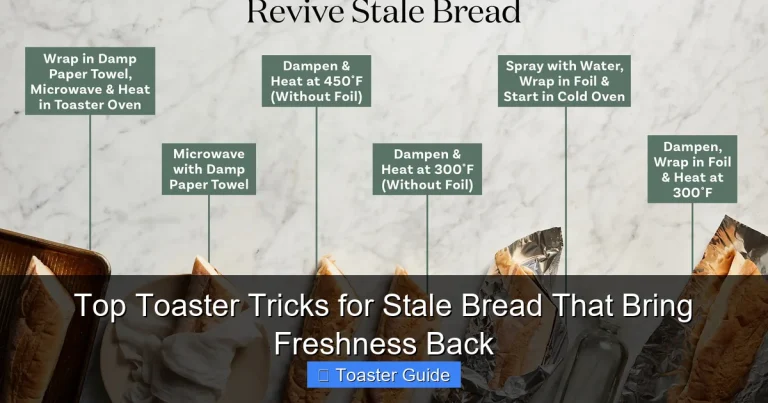
If you’ve already toasted bread and it’s rubbery, don’t throw it away! You can crisp it up by placing it on a hot, dry skillet for a minute or two. Alternatively, pop it in a preheated oven at 350°F (175°C) for 5 minutes to dry out excess moisture.
This quick fix can save your toast and improve texture instantly.
Toaster Tips and Tricks for Perfect Toast Every Time
Understand Your Toaster’s Features
Modern toasters come with different settings like defrost, bagel mode, and adjustable browning. Knowing how these features work can help you avoid rubbery toast.
For example, bagel mode toasts only one side, which might leave the other side soft. Use regular settings for full crispiness.
Don’t Overcrowd the Toaster Slots
A crowded toaster slot can cause uneven heat circulation. Toast one or two slices at a time for best results.
Use Toaster Accessories Wisely
Some people use toaster bags or sleeves to avoid mess. These can trap moisture, causing rubbery toast. Use these accessories sparingly or avoid if you want crispy results.
Troubleshooting and When to Seek Help
Check for Uneven Toasting or Malfunctions
If your toast remains rubbery despite adjustments, your toaster might have a problem. Uneven heating, faulty thermostat, or mechanical issues can affect performance.
Learn how to fix uneven toaster problems to diagnose and resolve these issues.
Consider Professional Repair or Replacement
If your toaster consistently fails to produce good toast, even after cleaning and adjustments, it might be time to repair or replace it. Sometimes, older toasters lose efficiency and can’t be restored.
Conclusion: Enjoy Crispy Toast Every Morning
Rubbery toast doesn’t have to ruin your breakfast. By understanding the causes — mainly moisture, toaster settings, and maintenance — you can fix this problem easily. Dry your bread, adjust your toaster, clean regularly, and use the right bread type for the best results.
Remember, every toaster is unique, so some trial and error is normal. With these tips, you’ll be on your way to enjoying perfectly crispy toast every time. For more tips on toaster care and troubleshooting, explore our other guides to make your kitchen routine effortless and enjoyable.
Frequently Asked Questions
Why does my toast come out rubbery instead of crispy?
Rubbery toast is usually caused by excess moisture in the bread or incorrect toaster settings. Moisture creates steam during toasting, making the bread soft instead of crispy.
How can I prevent rubbery toast when using fresh bread?
Let fresh bread air-dry for a few minutes before toasting, or lightly toast it on a pan first. This reduces moisture and helps achieve a crisp texture.
Does the type of bread affect toast texture?
Yes, some breads like sourdough or day-old bread toast crisper than fresh or very thick breads. Choosing the right bread improves your chances of perfect toast.
How often should I clean my toaster to avoid rubbery toast?
Clean your toaster’s crumb tray and interior at least once a week. This prevents crumb buildup, which can cause uneven heating and affect toast quality.
Can I fix rubbery toast after it’s been toasted?
Yes, you can re-crisp rubbery toast by heating it on a dry skillet or in a preheated oven for a few minutes. This helps remove excess moisture and restore crunchiness.
What toaster settings are best to avoid rubbery toast?
Use medium to medium-high heat settings and adjust based on your bread type. Avoid very low heat or short toasting times, as these can leave toast rubbery.