How to Toast Without Drying Bread for Perfectly Crisp Results

Toasting bread without drying it out is an art that anyone can master. By controlling heat, moisture, and timing, you can enjoy perfectly crisp toast with a soft, tender inside. These simple tips and techniques ensure your bread stays moist while getting that ideal golden crunch.
Key Takeaways
- Heat control is crucial: Using the right temperature prevents over-drying while achieving crispness.
- Choose the right bread: Moisture-rich breads toast better without drying out quickly.
- Use toast settings wisely: Adjust toaster settings for the perfect balance between browning and moisture retention.
- Pre-toasting moisture tricks: Lightly misting or buttering bread helps maintain softness inside.
- Toaster maintenance matters: Clean and well-functioning toasters give consistent and gentle heat for better results.
- Know your toaster features: Understanding how your toaster works helps you get the best toast every time.
- Experiment and adjust: Toasting is personal; trial and error help find your perfect method.
📑 Table of Contents
Introduction
There’s nothing quite like the smell and taste of freshly toasted bread. Whether it’s for a quick breakfast or a comforting snack, toast is a beloved staple in many kitchens. But anyone who’s toasted bread knows the frustration of ending up with slices that are either too dry and crumbly or under-toasted and soggy.
So, how do you toast without drying bread out? The secret lies in balancing heat, timing, and moisture retention. Toast should have a golden-brown, crisp surface while the inside remains soft and moist. Achieving this perfect texture is easier than you might think with the right techniques.
In this guide, we’ll walk you through everything you need to know to get perfectly toasted bread without drying it. From selecting the right bread to understanding your toaster’s settings and some handy tips, you’ll be a toast pro in no time.
Understanding How Toasting Affects Bread
What Happens to Bread When It’s Toasted?
When bread is toasted, heat causes moisture inside the bread to evaporate. At the same time, the surface undergoes a Maillard reaction, which creates that delicious golden-brown color and toasty flavor. The challenge is to evaporate enough moisture to crisp the exterior without drying out the crumb inside.
The Role of Heat and Time
Heat intensity and duration directly influence how dry or moist your toast ends up. High heat or long toasting times can quickly dry the bread, making it hard and brittle. Conversely, too little heat or short time results in pale, soft bread that lacks crispness. Finding the sweet spot is key.
How Different Breads React to Toasting
Not all breads toast the same. Dense, moist breads like sourdough or brioche retain softness better than thin sandwich white bread. Whole grain and seeded breads may need slightly different settings to avoid dryness. Knowing your bread type helps you adjust your technique accordingly.
Choosing the Right Bread for Moist Toasting
Opt for Fresh, Moist Breads
Fresh bread naturally has higher moisture content, which helps keep the inside soft during toasting. Try to use bread that’s just a day or two old rather than stale slices. If your bread feels dry, it’s more likely to become hard when toasted.
Types of Bread Ideal for Toasting Without Drying
- Brioche: Soft and buttery, it crisps beautifully while staying tender inside.
- Sourdough: Dense crumb and thick crust help retain moisture.
- Whole wheat or multigrain: These breads have a richer texture and moisture but may require slight adjustment for even toasting.
- Thicker slices: Thicker bread slices naturally hold more moisture inside.
Avoid very thin or pre-sliced sandwich breads if you want to prevent dryness.
Mastering Your Toaster Settings
Use Medium Heat Settings
To avoid drying out your bread, start with medium heat or the middle browning setting on your toaster. This allows the bread to toast evenly and crisp the surface without burning or over-drying the interior.
Understand Your Toaster’s Mechanism
Different toasters have different heating elements and browning controls. Learning how your toaster works can greatly improve your results. For example, if your toaster has a sensor or timer, it may adjust heating automatically. For a detailed explanation, you can check out our guide on how toaster timers work.
Avoid Over-Toasting by Monitoring
Don’t rely solely on the toaster’s timer or setting. Keep an eye on the bread, especially when trying a new bread type or toaster setting. Stop the toasting early if the bread looks golden but still soft inside.
Use the Toast Lever Properly
Engage the toaster lever gently and ensure it’s fully down for even heating. If your toaster lever is sticky or malfunctioning, it might cause uneven toasting or overheating. Learn more about how toaster levers work for better control.
Tips to Keep Bread Moist While Toasting
Lightly Mist or Brush Bread with Water or Butter
Before toasting, lightly spritz the bread with water using a spray bottle or brush on a thin layer of butter or olive oil. This moisture helps keep the bread’s interior soft while the exterior crisps.
Toast Twice with a Rest in Between
Toast the bread lightly the first time, then let it rest for a minute or two. The residual heat finishes the crisping without over-drying. You can then toast it again briefly if you want a more golden surface.
Use a Toaster Oven for More Control
Toaster ovens allow you to adjust temperature and time more precisely. You can also toast bread on a rack instead of slots, which helps retain moisture. If you want to explore controlled heating further, our guide on how toaster thermostats work is very useful.
Don’t Overload Your Toaster
Toast one or two slices at a time to allow proper heat circulation. Overloading the toaster can cause uneven heating and drying.
Maintaining Your Toaster for Perfect Results
Regular Cleaning to Avoid Uneven Heating
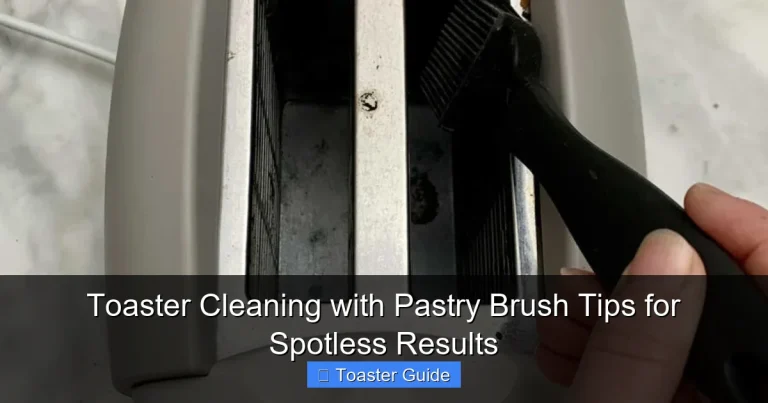
Crumbs and residue inside your toaster can cause hotspots that burn bread or dry it out. Clean your toaster regularly to ensure even heat distribution. Check out our ultimate guide on how to clean a toaster for simple and effective cleaning tips.
Inspect and Repair Toaster Parts When Needed
A faulty lever, timer, or thermostat can cause inconsistent results. If your toaster lever sticks or doesn’t pop up properly, it may over-toast bread. Learn how to fix common issues with our toaster lever repair guide.
Use the Right Toaster for Your Needs
Some toasters are better suited for thick artisan breads, while others are designed for thin sandwich slices. Choose a toaster with adjustable slot widths and settings that match your bread preferences.
Practical Examples and Final Tips
Example: Toasting Sourdough Without Drying
- Use thick slices of fresh sourdough.
- Lightly brush with melted butter.
- Set toaster to medium heat.
- Toast once, rest 1 minute, then toast again briefly if needed.
This method keeps the crust crisp but the inside moist and chewy.
Example: Using a Toaster Oven
- Preheat toaster oven to 350°F (175°C).
- Place bread on rack, not tray, for airflow.
- Toast for 3-4 minutes per side.
- Check frequently for desired crispness.
Additional Tips
- Store bread properly to maintain moisture before toasting.
- Experiment with different breads to find your favorite texture.
- Use a timer or stopwatch to monitor toasting times precisely.
- Pair your toast with spreads that add moisture, like avocado or cream cheese.
Conclusion
Toasting bread without drying it is all about balance. With the right bread choice, careful control of your toaster settings, and a few simple moisture tricks, you can enjoy toast that’s perfectly crisp on the outside and soft inside every time. Remember to keep your toaster clean and functioning well, and don’t be afraid to experiment a little to find what works best for your taste.
By understanding the science behind toasting and applying these practical tips, your mornings will be filled with the delightful crunch and pleasant softness that only perfect toast can deliver. For more in-depth toaster knowledge, exploring guides on how toaster browns bread can be very insightful.
Frequently Asked Questions
How can I prevent my bread from drying out when toasting?
Use medium heat settings and avoid over-toasting. Lightly misting the bread with water or brushing with butter before toasting helps keep the inside moist while creating a crisp exterior.
Does the type of bread affect how it toasts?
Yes, breads with higher moisture content like sourdough or brioche tend to toast better without drying out. Thicker slices and denser breads also retain softness inside while crisping outside.
Can I use a toaster oven to get better toast without drying the bread?
Absolutely. Toaster ovens offer more temperature control and airflow, allowing you to toast bread gently and evenly, preserving moisture inside while achieving a crispy crust.
How often should I clean my toaster to ensure good toast quality?
Regularly clean your toaster crumb tray and interior to prevent burnt crumbs from affecting heat distribution. Cleaning every few weeks or after heavy use keeps your toaster working evenly.
What’s the best toaster setting to avoid drying bread?
Start with a medium or medium-low heat setting. Experiment with your toaster’s controls to find the setting that crisps the bread surface without making the inside too dry.
Why does my toast sometimes come out unevenly toasted?
Uneven toasting can be caused by toaster malfunctions such as faulty heating elements or stuck levers. It can also result from uneven bread thickness or overcrowding the toaster slots. Regular maintenance and using the right bread can help.