How to Use Instant Pot: A Beginner-Friendly Guide for Home Cooks

If you searched for how to use instant pot, you may be staring at the buttons and wondering where to start. I get it. The first time I used mine, I treated it like a tiny kitchen machine with too many rules.
I’m Daniel Brooks, and I use my Instant Pot the way most home cooks do: for fast dinners, tender meat, easy rice, soup, beans, eggs, and meal prep. Once you learn the basic steps, it feels less scary and a lot more useful.
This guide walks you through the parts, the water rule, the first test run, pressure cooking, release methods, common mistakes, and simple foods to try first.
Quick Answer
To use an Instant Pot, add food and enough thin liquid, lock the lid, set the steam valve to sealing if your model requires it, choose Pressure Cook, set the time, and let the pot build pressure. When cooking ends, release pressure with either natural release or quick release, based on the recipe. Never force the lid open. Always make sure the float valve has dropped before opening.
What You Need to Know Before You Start
An Instant Pot is an electric multi-cooker. Most people use it as a pressure cooker, but many models also sauté, slow cook, steam, make rice, and keep food warm.
Pressure cooking works by trapping steam inside the pot. That steam raises the pressure and helps food cook faster. This is why you need liquid. Without enough thin liquid, the pot may not seal, and you may see a burn message.
Before you cook, learn these basic parts:
- Inner pot: The removable stainless steel pot where food goes.
- Lid: Locks into place for pressure cooking.
- Sealing ring: The silicone ring inside the lid that helps trap steam.
- Steam release valve: Releases pressure when needed.
- Float valve: Pops up when the pot is pressurized and drops when it is safe to open.
Most Instant Pot recipes use two pressure release methods. Natural release means you leave the pot alone until pressure drops on its own. Quick release means you carefully move the valve to venting so steam comes out fast. The official Instant Pot guide explains that quick release sends a strong jet of steam out of the valve, so keep your hands and face away from it.
You can read more about pressure release and basic safety on the official Instant Pot FAQ page.
Ingredients and Tools You’ll Need
You do not need much to start. A simple first recipe is best. I like starting with water, rice, eggs, potatoes, or chicken because they teach the basics without a lot of prep.
| Item | What It Does | Helpful Note |
|---|---|---|
| Instant Pot | Cooks food under pressure | A 6-quart model is common for families and meal prep. |
| Inner pot | Holds food and liquid | Always place it inside before adding ingredients. |
| Thin liquid | Creates steam | Use water, broth, stock, or thin sauce. |
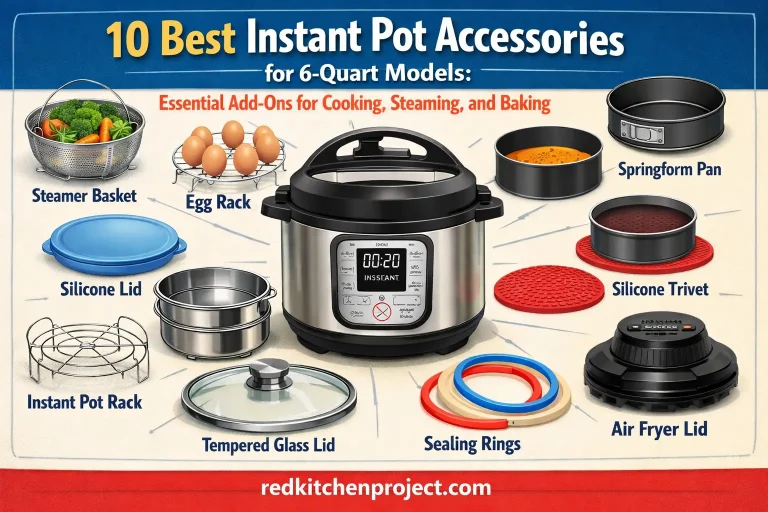
| Trivet | Keeps food above liquid | Great for eggs, potatoes, meat, and pot-in-pot cooking. |
| Measuring cup | Helps add the right liquid | Most beginner recipes use at least 1 cup of thin liquid. |
| Food thermometer | Checks meat safely | Use it for chicken, pork, beef, and leftovers. |
How to Use Instant Pot Step by Step
Here is the basic method I use for most simple pressure cooking recipes.
- Check the parts. Make sure the inner pot is in place, the sealing ring is seated, and the lid is clean.
- Add food. Place your ingredients in the inner pot. Cut large pieces into even sizes so they cook well.
- Add liquid. Add water, broth, or another thin liquid. Thick sauces can scorch, so place them on top instead of stirring them into the bottom.
- Do not overfill. Stay below the max fill line. For beans, rice, pasta, and foamy foods, fill only halfway.
- Lock the lid. Turn the lid until it locks. Set the valve to sealing if your model has a manual valve.
- Select Pressure Cook. Choose high pressure unless your recipe says low pressure.
- Set the cook time. The timer starts after the pot reaches pressure, not when you press start.
- Wait for pressure to build. This can take 5 to 20 minutes, depending on the amount and temperature of the food.
- Release pressure. Use natural release or quick release based on the food.
- Open safely. Open the lid away from your face, stir the food, and check doneness.
Here is the thing many beginners miss: the cook time on the screen is not the total time. If a recipe says 8 minutes, you may still need 10 minutes for pressure to build and another 5 to 15 minutes for release.
| Release Method | Best For | How It Works |
|---|---|---|
| Quick release | Vegetables, seafood, eggs, and foods that overcook fast | Move the valve to venting and let steam escape until the float valve drops. |
| Natural release | Soup, beans, large cuts of meat, rice, and foamy foods | Leave the pot alone until pressure drops on its own. |
| 10-minute natural release | Chicken, rice, pasta dishes, and many weeknight meals | Wait 10 minutes, then quick release the rest of the pressure. |
For meat and poultry, I always check the center with a thermometer. FoodSafety.gov has a clear chart for safe minimum internal temperatures.
Easy First Foods to Try
Your first few Instant Pot meals should be simple. Learn the machine before you add too many ingredients.
- Water test: Run pressure with water only to learn how sealing works.
- Hard-boiled eggs: Use the trivet and quick release for easy peeling.
- White rice: Try equal parts rinsed rice and water.
- Chicken breasts: Use broth, season well, and check the temperature.
- Potatoes: Cook whole potatoes on a trivet for easy mashed potatoes.
Once you feel comfortable, try soups, shredded chicken, chili, beans, oatmeal, and simple meal prep bowls. You can also check our easy Instant Pot dinner recipes when you are ready for full meals.
Common Mistakes to Avoid
- Forgetting the inner pot: Never pour liquid into the cooker base.
- Using too little liquid: The pot needs steam to build pressure.
- Stirring thick sauce into the bottom: Tomato sauce, cream sauce, and gravy can burn.
- Opening the lid too soon: Wait until the float valve drops.
- Overfilling the pot: Rice, beans, pasta, and oatmeal need room to expand.
- Ignoring the sealing ring: A loose or missing ring can stop the pot from sealing.
Expert Tips from Daniel Brooks
Start with the sauté button
I use Sauté when I want more flavor. Browning onion, garlic, ground beef, or chicken first makes soups and stews taste better. Scrape the bottom well after browning so stuck bits do not trigger a burn message.
Layer thick foods on top
Thin liquid belongs on the bottom. Thick sauce, tomato paste, salsa, and cream soups should sit on top. I do not stir them in until after pressure cooking.
Use natural release for messy foods
Foamy foods can spit through the valve if you quick release right away. Beans, oats, pasta, and soup usually behave better with natural release or a short natural release first.
Season after cooking when needed
Pressure cooking can soften flavors. For bright meals, I often add lemon juice, fresh herbs, vinegar, or a little extra salt after cooking. That final touch makes a big difference.
How to Clean Your Instant Pot
Cleaning is simple if you do it after each use. Wash the inner pot, wipe the lid, and remove the sealing ring when it smells like strong food.
- Wash the inner pot with warm soapy water.
- Remove and rinse the sealing ring.
- Check the steam release area for food bits.
- Wipe the cooker base with a damp cloth.
- Let the lid dry upside down to reduce odors.
I keep one sealing ring for savory food and one for sweet food. It helps keep cheesecake from smelling like chili.
Key Takeaways
- The Instant Pot needs thin liquid to create steam and build pressure.
- The cook time does not include time to pressurize or release pressure.
- Use quick release for foods that overcook fast and natural release for soups, beans, rice, and meat.
- Never force the lid open before the float valve drops.
- Start with simple recipes before trying layered meals or thick sauces.
Frequently Asked Questions
How much water do I need in an Instant Pot?
Most beginner pressure cooking recipes need at least 1 cup of thin liquid. This can be water, broth, stock, or another thin cooking liquid. Very thick sauces do not count well because they may scorch before enough steam forms.
Why does my Instant Pot say burn?
The burn message usually means food is sticking to the bottom or the pot is too hot. This can happen when there is not enough thin liquid, when thick sauce is stirred into the bottom, or when browned bits are not scraped up after sautéing.
Can I open the Instant Pot while it is cooking?
No, you should not open the Instant Pot while it is under pressure. Wait until cooking ends, release pressure as directed, and make sure the float valve has dropped. Then open the lid away from your face.
What is the difference between natural release and quick release?
Natural release means the pressure drops on its own while the pot sits untouched. Quick release means you move the valve to venting so steam escapes quickly. Natural release is best for soups, beans, rice, and meat, while quick release is best for vegetables, seafood, and eggs.
Can I use frozen meat in an Instant Pot?
Yes, you can cook many frozen meats in an Instant Pot, but the pot will take longer to reach pressure. Use enough liquid and separate frozen pieces when possible. Always check the center with a food thermometer before serving.
Can I use an Instant Pot without the trivet?
Yes, you can use an Instant Pot without the trivet for soups, stews, rice, beans, and saucy meals. Use the trivet when you want food raised above the liquid, such as eggs, potatoes, meatloaf, or pot-in-pot cooking.
How do I store Instant Pot leftovers?
Cool leftovers quickly, then store them in shallow containers in the refrigerator. Most cooked leftovers are best used within 3 to 4 days. Reheat them until hot before eating.
Final Thoughts
Learning how to use an Instant Pot is mostly about learning the pattern: liquid, lid, pressure, release, and safe opening. Once that makes sense, the buttons feel much less confusing.
Start with one easy food this week. Try eggs, rice, potatoes, or shredded chicken. After a few runs, you will know how your own model behaves and how long your favorite meals really take.
When you are ready for the next step, use this guide with our beginner meal prep recipes and build a few simple dinners you can repeat on busy nights.