Is Cold Brew Made From Espresso The Truth Explained

No, cold brew is not made from espresso. It is made by steeping coffee grounds in cold water, while espresso uses hot water and pressure.
Cold brew is not made from espresso. It is made by steeping coffee grounds in cold or room-temperature water for a long time. Espresso can be used in cold drinks, but it is a different brew method.
- Different methods: Cold brew steeps. Espresso brews fast with pressure.
- Different grind: Cold brew needs coarse grounds, not espresso grind.
- Different use: Espresso suits quick iced drinks. Cold brew suits batch prep.
- Different taste: Cold brew is smoother. Espresso is bolder and more concentrated.
Is Cold Brew Made From Espresso? The Straight Answer
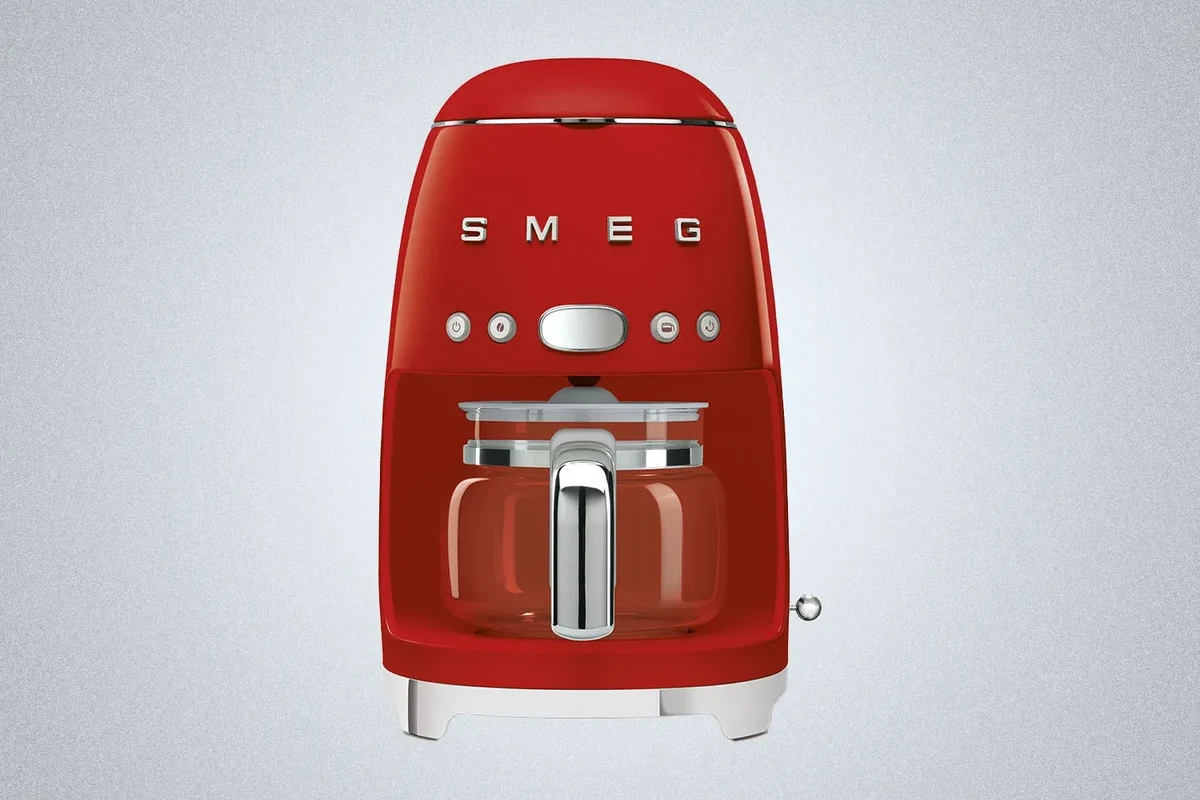
The short answer is no. Cold brew and espresso start with coffee, but they do not use the same brew style.
Cold brew uses a slow soak. Espresso uses hot water pushed through finely ground coffee under pressure.
What cold brew actually is
Cold brew is coffee that steeps in water for many hours. Most recipes use coarse grounds and a long soak in the fridge or on the counter.
This method pulls out flavor in a slow way. It usually makes a smooth drink with less bite than hot coffee.
Why espresso and cold brew get mixed up
People mix them up because both can make strong coffee drinks. You can also pour espresso over ice, which looks close to cold brew in a glass.
Still, the brewing process is different. That difference changes taste, texture, and strength.
Quick answer for readers who want it fast
Cold brew is not made from espresso. It is made from coffee grounds and cold water.
Espresso can help make iced coffee drinks, but it does not replace true cold brew.
Some cafes sell coffee drinks with cold foam, ice, and espresso. That can look like cold brew, but the base drink may still be espresso.
How Cold Brew Is Made Compared to Espresso
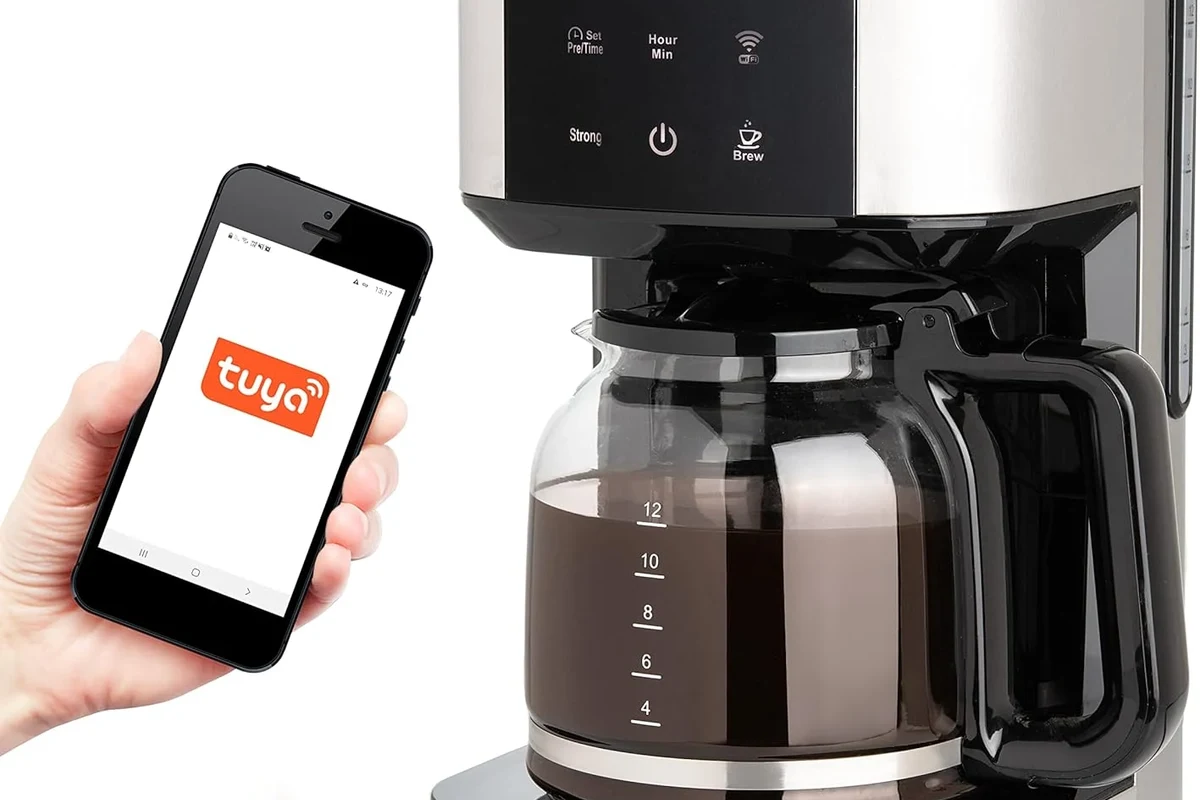
These two drinks differ most in heat, pressure, and time. That changes how the coffee tastes and how you make it at home.
Cold steeping vs high-pressure extraction
Cold brew relies on time. Water slowly pulls flavor from the grounds without heat.
Espresso relies on speed and pressure. Hot water moves through a tight coffee puck in seconds.
Grind size, water ratio, and brew time
Cold brew usually uses coarse grounds. A coarse grind helps water move around the coffee and keeps the drink from turning muddy.
Espresso uses a very fine grind. The coffee bed must be packed well for pressure brewing.
Brewing time also differs a lot. Cold brew often steeps for 12 to 24 hours, though the exact time varies by recipe.
Espresso finishes in under a minute. The machine does the work fast, but it needs the right grind and setup.
How flavor and strength change between the two
Cold brew often tastes smoother and less sharp. Heat can pull out bitter notes faster, so cold brew may seem gentler.
Espresso tastes bold and concentrated. It can feel stronger in a small sip, even if the serving size is much smaller.
Cold brew often tastes sweeter to many people, even when no sugar gets added.
Can You Use Espresso to Make a Cold Drink?
Yes, you can use espresso in cold drinks. Just remember that an iced espresso drink is not the same as cold brew.
Iced espresso drinks vs true cold brew
Iced espresso drinks start with a hot shot of espresso. You then cool it with ice, milk, water, or syrup.
True cold brew starts cold and stays cold during brewing. That changes the final taste and body.
When espresso works well in recipes
Espresso works well in lattes, iced americanos, and sweet coffee drinks. It also fits desserts and blended drinks.
If you want a fast drink, espresso is a smart choice. It gives you coffee flavor without a long wait.
When espresso is the wrong choice
Espresso is not the best choice if you want batch cold brew for the week. It also misses the mellow taste many cold brew fans want.
If your goal is a big pitcher of smooth coffee, use ground coffee made for cold brew instead.
- Use espresso for quick iced drinks.
- Use coarse grounds for true cold brew.
- Taste before adding sweetener or milk.
What You Need for Real Cold Brew at Home
You do not need a fancy setup to make cold brew. A jar, a pitcher, or a simple brewer can work well.
Best coffee beans for cold brew
Many people like medium or dark roast for cold brew. These roasts often give a rounder, deeper taste.
That said, the best bean depends on your taste. Lighter roasts can work too if you like a brighter cup.
Ideal grind, water, and steeping vessel
Use coarse grounds for most cold brew recipes. Fine grounds can make the drink cloudy and hard to filter.
Use clean water and a nonreactive vessel. Glass, stainless steel, and food-safe plastic all appear in home setups.
Helpful cold brew makers and filters
Cold brew makers can make cleanup easier. Many include a basket or filter that helps keep grit out of the drink.
Mesh filters, paper filters, and fine strainers all have trade-offs. Paper often gives a cleaner cup, while mesh can be faster.
- Check batch size and counter space.
- Look for easy cleaning and safe materials.
- Review the manual for steeping and storage guidance.
Benefits and Limits of Cold Brew Coffee
Cold brew has a loyal fan base for good reasons. It also has a few limits you should know before you make it often.
Why many people like the smooth taste
Cold brew often tastes less acidic and less bitter than hot coffee. That makes it easier for some people to drink black.
It also blends well with milk and sweeteners. So it works in simple home drinks and richer café-style recipes.
Caffeine strength and serving size
Cold brew can be strong, but strength depends on the recipe and serving size. A concentrate is not the same as a ready-to-drink batch.
Always dilute concentrate as directed by your recipe or brewer. Too much concentrate can make the drink harsh.
Common limits, like time and storage
Cold brew takes planning. You cannot make it in a few minutes like espresso.
It also needs cold storage once it is ready. That adds a little fridge space and some planning for cleanup.
- Smooth taste with less bitterness
- Easy to batch for several servings
- Works well with milk or sweetener
Common Mistakes People Make With Cold Brew
Most cold brew problems come from a few simple mistakes. The good news is that they are easy to fix.
Using espresso instead of coarse coffee grounds
This is one of the biggest mix-ups. Espresso grind is too fine for most cold brew methods.
It can clog filters and leave you with a muddy cup. Use coffee ground for cold brew instead.
Steeping too long or too short
Too short, and the coffee may taste weak. Too long, and it can turn flat or harsh.
Start with a normal recipe, then adjust next time. Small changes in time can make a big difference.
Getting the ratio wrong
Too much water can make the drink thin. Too little water can make it overly strong.
Follow the maker guide or recipe first. After that, fine-tune the ratio for your taste.
The drink tastes weak, bitter, or full of grit.
Use coarser grounds, check steep time, and strain more carefully.
Safety, Storage, and Cleaning Tips
Cold brew is simple, but food safety still matters. Clean tools and cold storage help keep the drink fresh.
How long cold brew stays fresh
Freshness depends on the recipe and fridge use. Many home brews keep best for a few days in the refrigerator.
If it smells off, tastes sour, or looks unusual, throw it out. When in doubt, make a fresh batch.
Food safety basics for home brewing
Use clean hands, clean tools, and safe water. Wash the vessel before each batch.
Do not leave brewed coffee out too long in warm rooms. Move it to the fridge once brewing ends.
Follow your brewer manual and food-safety guidance. Stop using any container with cracks, rust, or a damaged lid.
Cleaning pitchers, jars, and filters
Rinse grounds out right away. Old grounds can stain and smell stale fast.
Wash removable parts with warm, soapy water unless the manual says otherwise. Let everything dry fully before storage.
Empty grounds, rinse parts, and wash the vessel well.
Check filters, seals, and lids for wear or odor buildup.
Final Verdict: Is Cold Brew Made From Espresso or Not?
Cold brew is not made from espresso. It is a separate brewing method that uses coffee grounds and cold water.
If you want smooth, batch-friendly coffee, cold brew is the better choice. If you want a fast iced coffee, espresso is the better tool.
Best choice for home brewers
Choose true cold brew if you want a mellow drink you can make ahead. It suits people who like planning one batch for several servings.
Best choice for iced coffee fans
Choose espresso if you want speed and a bold coffee base. It works well for iced lattes, americanos, and sweet drinks.
Clear recommendation from Red Kitchen Project
For most readers asking, “is cold brew made from espresso,” the answer is no. Use coarse coffee grounds for cold brew, and save espresso for iced espresso drinks.
Cold brew and espresso are not the same thing, and one does not replace the other. Pick cold brew for smooth batch coffee, or pick espresso for quick iced drinks.
Frequently Asked Questions
No. Cold brew uses coffee grounds steeped in cold or room-temperature water. Espresso uses hot water and pressure, so it is a different brew method.
Yes, you can use espresso in iced drinks. It works well for iced lattes and americanos, but it will taste different from true cold brew.
Most cold brew recipes use coarse grounds. Fine espresso grind can make the drink cloudy and harder to filter.
Many home recipes steep for 12 to 24 hours. The best time depends on your recipe, grind size, and taste preference.
Rinse grounds right away and wash removable parts with warm, soapy water unless the manual says otherwise. Let all parts dry fully before storing.
Adjust the brew ratio, steep time, and grind size before adding more sugar or milk. Small changes often improve flavor fast.